On 6 April 2026 Israel faced a concentrated wave of kinetic events, ranging from an Iranian missile strike that killed four civilians in Haifa to a series of rocket alerts and missile interceptions across the country. The intensity and geographic spread of these incidents reflect a multi‑front escalation involving state and non‑state actors, with significant implications for civilian safety and regional security.
Iranian missile strike on Haifa kills four civilians
At approximately 16:40 local time, an Iranian ballistic missile struck the northern port city of Haifa, resulting in the deaths of four civilians – Vladimir and Lena Gershvitz, their son Dmitri, and his wife Lucille‑Jane Sel – and causing extensive structural damage. According to idkunim_il, the missile broke apart in the air, prompting an interception by the Israeli Air Force; however, the warhead’s payload, weighing several hundred kilograms, penetrated a building and caused its collapse. The incident marks one of the deadliest direct attacks on Israeli civilian areas since the conflict’s escalation earlier this year.
"Four people were killed in an Iranian missile strike on Haifa, Israel," idkunim_il reported.
Ballistic missile interceptions over Tel Aviv and Gush Dan
Within the same timeframe, Israeli air defenses engaged multiple Iranian ballistic missiles targeting central Israel. BellumActaNews documented the interception of a missile over the Tel Aviv metropolitan area (Gush Dan) using the Tamir interceptor system, and the downing of another missile over Lod, where debris fell inside and near a mosque. These interceptions prevented further casualties but highlighted the vulnerability of densely populated urban centers to high‑velocity threats.
"An Iranian ballistic missile was intercepted by Israeli air defenses over the Tel Aviv metropolitan area," BellumActaNews noted.
Widespread rocket alerts across northern and central Israel
RocketAlert’s real‑time monitoring recorded a cascade of alerts from 07:55 to 20:36 local time, covering a broad swath of the country. Notable alerts included:
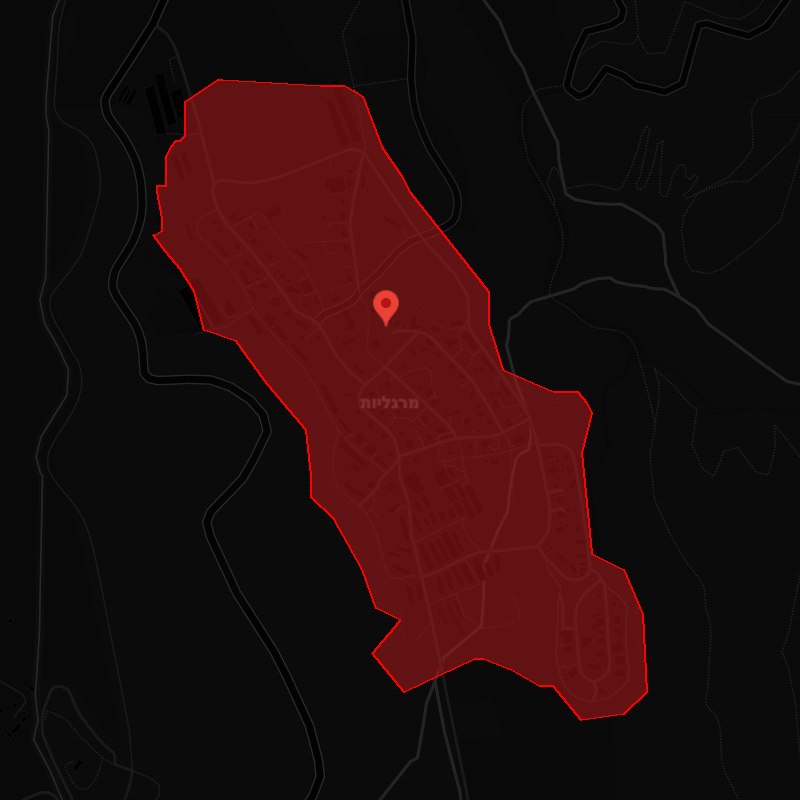
- Margaliot (17:36) – confrontation line reported.
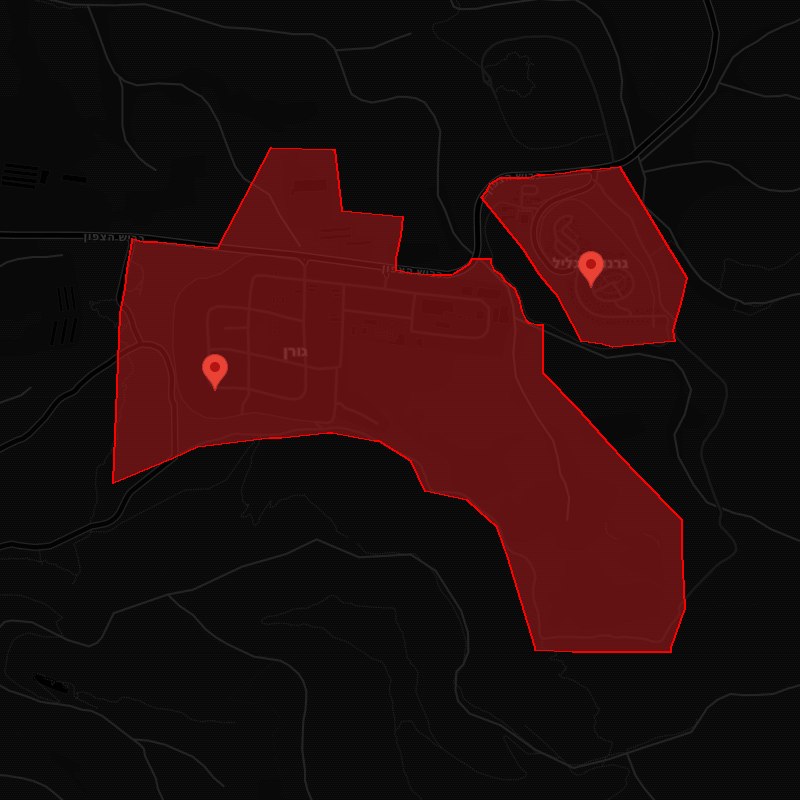
- Goren and Gornot HaGalil (17:27) – multiple rockets detected.
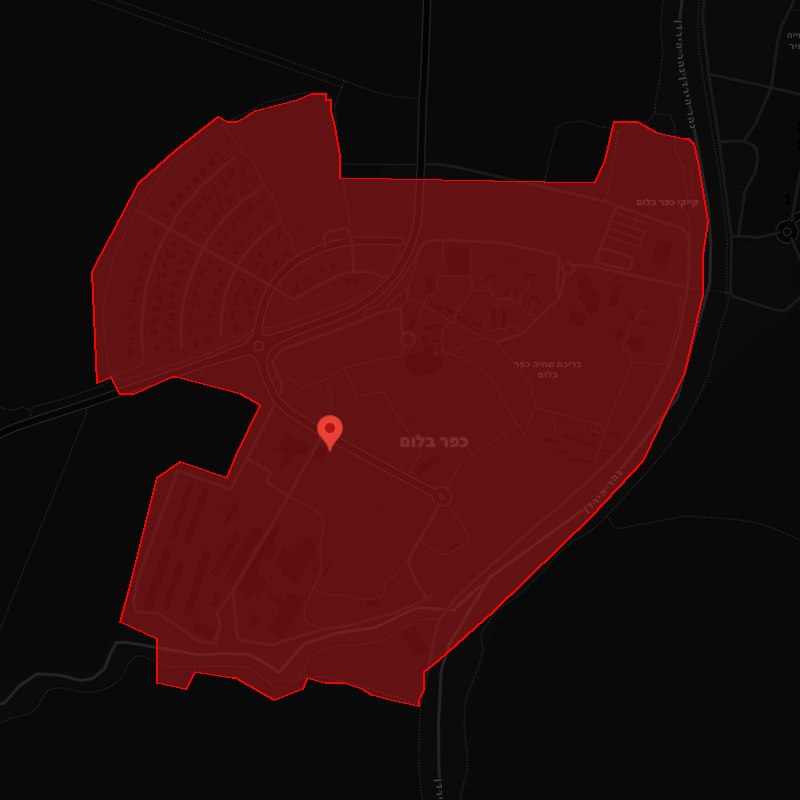
- Kfar Blum (16:07) – rocket warning issued.
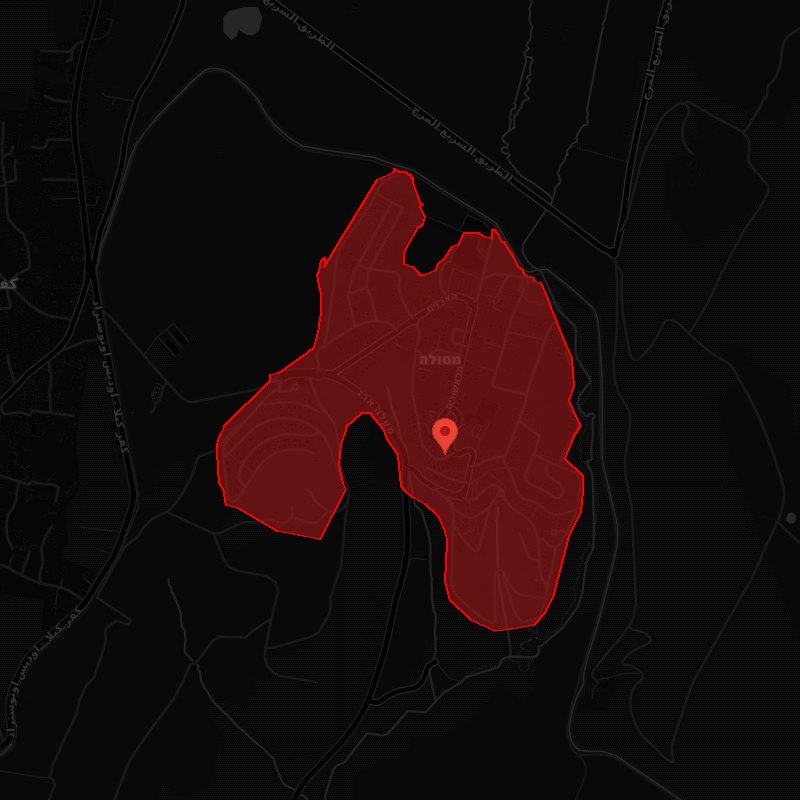
- Metulla (14:36, 07:55, 07:00) – repeated alerts in the northern sector.
- Kiryat Shmona (13:57, 08:25) – multiple alerts in the Upper Galilee.
- Tel Aviv and surrounding municipalities (12:47, 10:40, 10:38) – extensive alerts covering Dan, Shfela, and Yarkon zones.
These alerts, sourced from RocketAlert, were accompanied by photographic evidence of launch sites and impact zones, underscoring the persistent threat of short‑range rockets from Lebanon, Gaza and potentially Iranian‑backed proxies.
Coordinated drone and rocket attacks by Houthis, Hezbollah and Iran
At 13:03 local time, rnintel reported a coordinated operation involving a drone launch from Yemen and rocket fire from Hezbollah, triggered by Iran. The combined assault set off sirens across northern Israel and represented the first instance of a three‑party coordination against Israeli territory during the current war. Additionally, a Houthi claim posted on monitor_the_situation asserted that rockets were launched against the southern port city of Eilat in coordination with Iran and Hezbollah, though independent verification of impact remains pending.
Contextual civilian impact and regional spillover
While the focus of this briefing is on kinetic events within Israel, related developments contributed to the overall security environment. Israeli strikes in the Gaza Strip’s Maghazi area killed ten civilians, and airstrikes in southern Lebanon resulted in five deaths, illustrating the broader cycle of retaliation. Moreover, debris from intercepted missiles landed in Kuwait City, injuring civilians and highlighting the risk of regional spillover.
Collectively, the day's events demonstrate a heightened state of kinetic engagement, with Iran directly targeting Israeli urban centers, non‑state actors sustaining rocket fire from multiple fronts, and Israel’s air defense network operating at maximum capacity to mitigate threats.