On 6 April 2026 a bomb detonated at the University of Tehran, Iran’s premier academic institution, killing 34 people. The attack, attributed to United States and Israeli forces, marked the most lethal kinetic event in Iran on the day and triggered an official pledge from Tehran to respond "in kind" to attacks on its infrastructure.
"We will respond 'in kind' to attacks on our infrastructure," Tehran officials declared, accusing former President Donald Trump of inciting war crimes.The incident was reported by Al Jazeera, which noted the university’s status as a symbolic target in the escalating US‑Israel campaign against Iranian strategic assets.
Coordinated Airstrikes on Tehran and Its Periphery
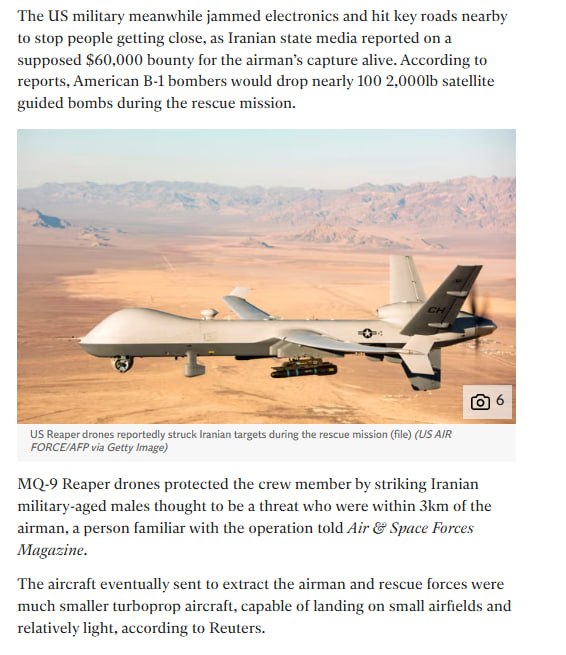
Within hours of the university bombing, US Central Command (CENTCOM) ordered a series of high‑precision strikes targeting an underground Islamic Revolutionary Guard Corps (IRGC) headquarters near Tehran. According to BellumActaNews, B‑1 bombers deployed nearly one hundred 2,000‑lb satellite‑guided bombs, while MQ‑9 Reaper drones engaged nearby Iranian convoys. The same operation was echoed by monitor_the_situation, which reported that B‑2 bombers released MOP bunker‑buster munitions against the same underground facility. Both sources confirm the use of advanced bunker‑busting weapons designed to penetrate hardened command structures.
Later in the day, the Israeli Air Force (IAF) conducted a coordinated night‑time raid on three Tehran‑area airports—Bahram, Mehrabad, and Azmayesh—targeting runways, control towers, and a Quds Force drone factory. BellumActaNews and JPost documented the strikes, noting that dozens of Iranian fighter jets were destroyed or damaged. The IAF’s operation aimed to degrade Iran’s air‑defense capabilities and disrupt the Quds Force’s unmanned aerial program.
Southern Iran: Energy and Industrial Targets
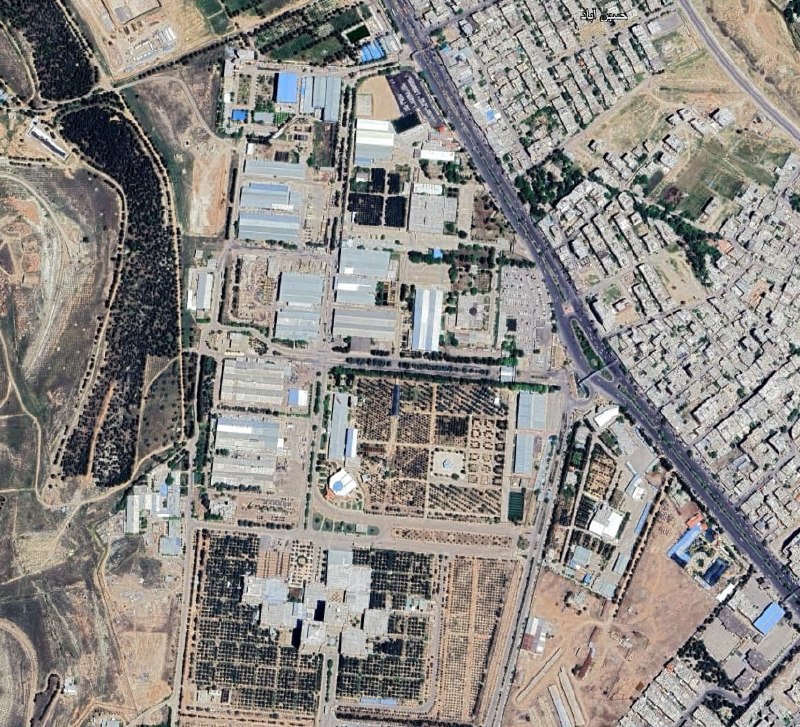
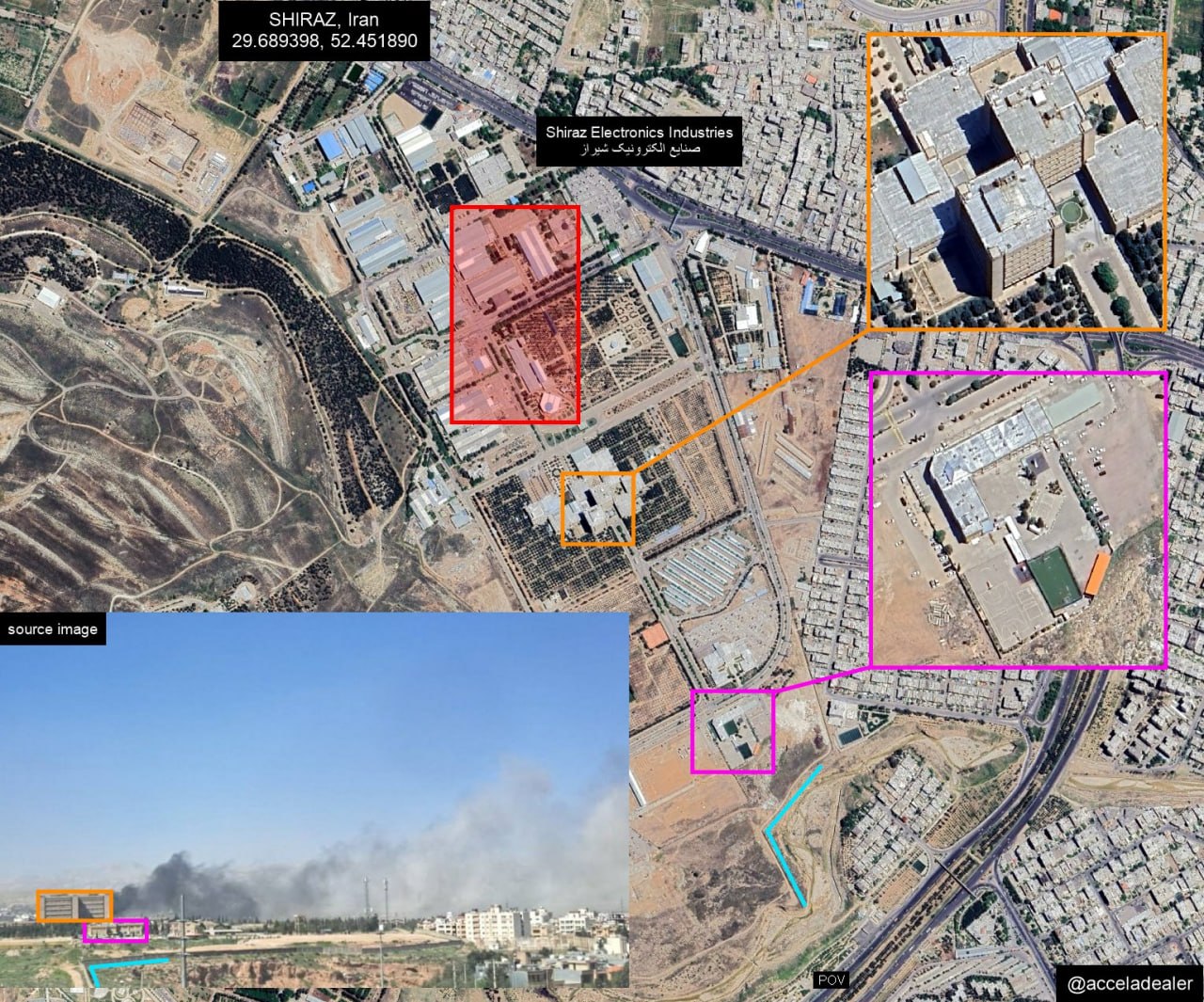
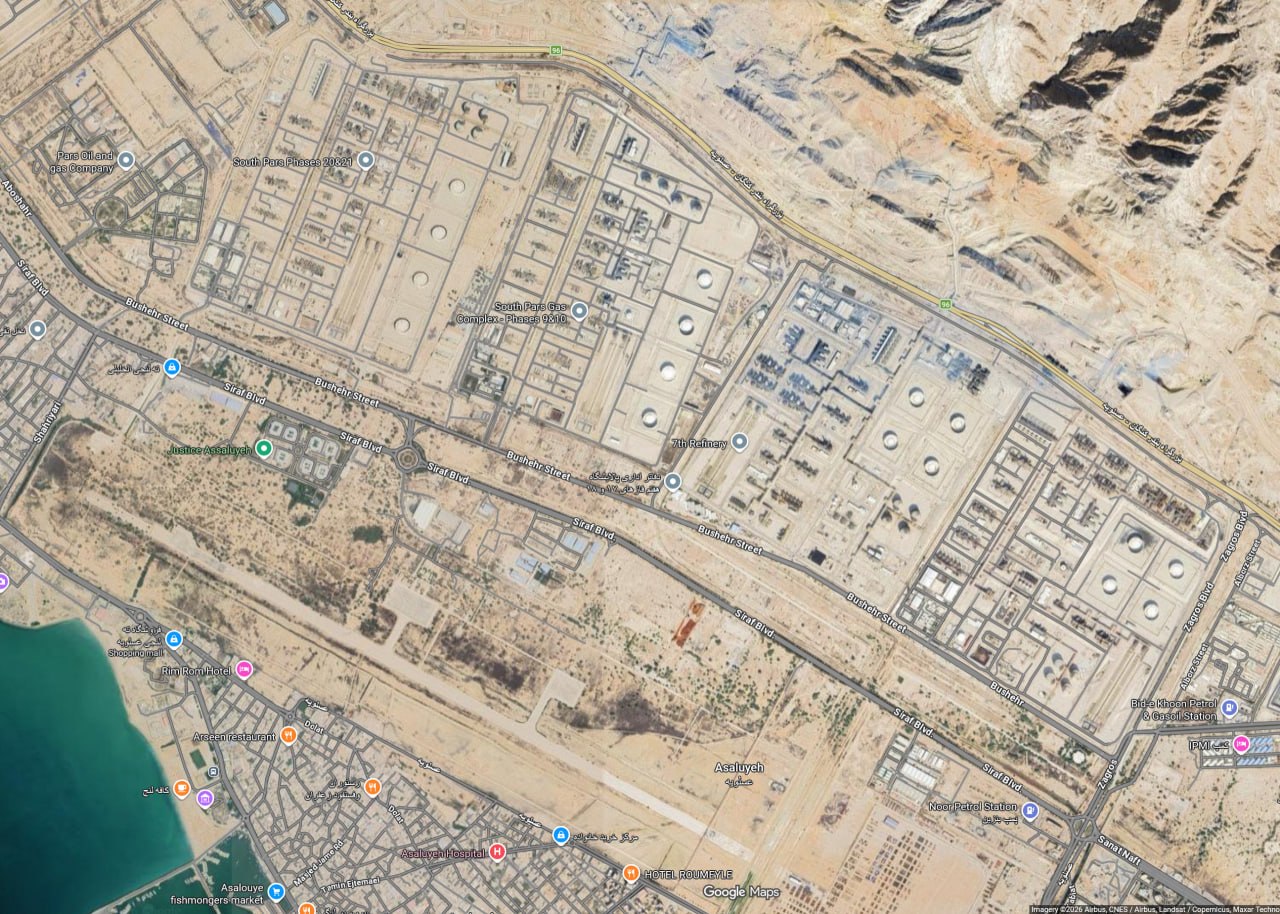
Shiraz experienced multiple strikes throughout the day. OSINTdefender reported that US and Israeli warplanes bombed the Shiraz Electronics Industries complex, a municipal power plant, and an adjacent oil refinery. CIG_telegram corroborated the same targets, adding that the attacks were part of a broader effort to cripple Iran’s electronics and energy sectors. In the same region, an airstrike on a petrochemical complex in Marvdasht (Fars Province) was confirmed by monitor_the_situation, highlighting the focus on Iran’s downstream oil infrastructure.
Further south, the Bushehr area saw a series of high‑impact events. monitor_the_situation recorded over 50 explosions in Abadan, Khuzestan Province, coinciding with US‑Israeli airstrikes on a nearby Iranian Air Force munitions depot. BellumActaNews and monitor_the_situation both reported a massive strike on an ammunition facility near the Bushehr Nuclear Power Plant, raising concerns about the safety of the nuclear site. The International Atomic Energy Agency (IAEA) later confirmed that a missile impact landed within 75 metres of the Bushehr plant, though the reactor remained undamaged.
Northern and Central Iran Operations
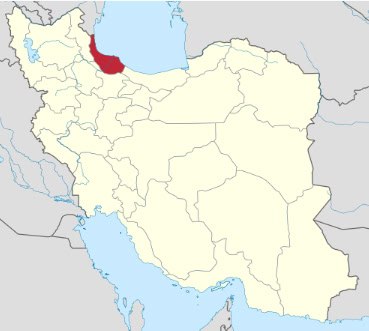
In Gilan Province, bordering the Caspian Sea, Israeli forces reportedly conducted an airstrike, as noted by rnintel. While details on weaponry were sparse, the strike underscores the geographic breadth of the campaign. In Isfahan, a series of road‑blocking craters—28 in total—were identified via satellite imagery (CIG_telegram), likely intended to impede movement during a US rescue operation for a downed F‑15E crew member. The same day, US forces destroyed the Natanz uranium enrichment and research facility, a critical component of Iran’s nuclear program, according to monitor_the_situation.
Naval, Missile, and Drone Interceptions
Iran’s IRGC claimed a missile strike on the US amphibious assault ship USS Tripoli near Iran’s coast, though no damage was reported (intelslava). In a separate incident, Iranian defenses intercepted a US AGM‑158B cruise missile over Barzok, Kashan (GeoPWatch). The IRGC also reported shooting down a US MQ‑9A drone over Isfahan and an Israeli Orbiter‑4 UAV over Kermanshah (GeoPWatch). Additionally, a US‑Israeli drone was downed over Lorestan Province (monitor_the_situation), illustrating the contested airspace over Iran.
Targeted Assassinations and Ground Deployments
High‑profile IRGC personnel were eliminated in a series of precision strikes. Monitor_the_situation documented the killing of Quds Force Unit 840 commander in Tehran and the deaths of senior IRGC commanders in Khuzestan and Lorestan provinces. Earlier, IRGC intelligence chief Majid Khademi was killed in Tehran, a claim also reported by monitor_the_situation. In a separate Israeli operation, the IAF eliminated a Quds Force special‑operations commander in Tehran (monitor_the_situation).
Amid the kinetic surge, US President Donald Trump announced the deployment of 200 US troops to Tehran for a capture operation (monitor_the_situation). The move signals a potential escalation beyond aerial strikes, though details of the target remain undisclosed.