On 5 April 2026 a U.S. airstrike over Tehran reportedly killed more than 50 senior Iranian officials, marking the most lethal kinetic event in Iran this year. The strike, reported by monitor_the_situation and circulated on Telegram (source link), underscores a rapid escalation in the U.S.–Iran confrontation that has unfolded alongside parallel Israeli operations and Iranian defensive actions.
Details of the Tehran Strike
The strike targeted a high‑level meeting venue in the capital, according to the same source. While the exact weapon system was not disclosed, the casualty figure—over 50 senior officials—places the attack in the "critical" severity tier. No immediate claim of responsibility was made, but the timing aligns with a broader U.S. campaign to pressure Tehran following the downing of an F‑15E crew earlier in the week.
"US airstrike kills over 50 senior Iranian officials in Tehran" – monitor_the_situation
U.S. Special Forces Losses
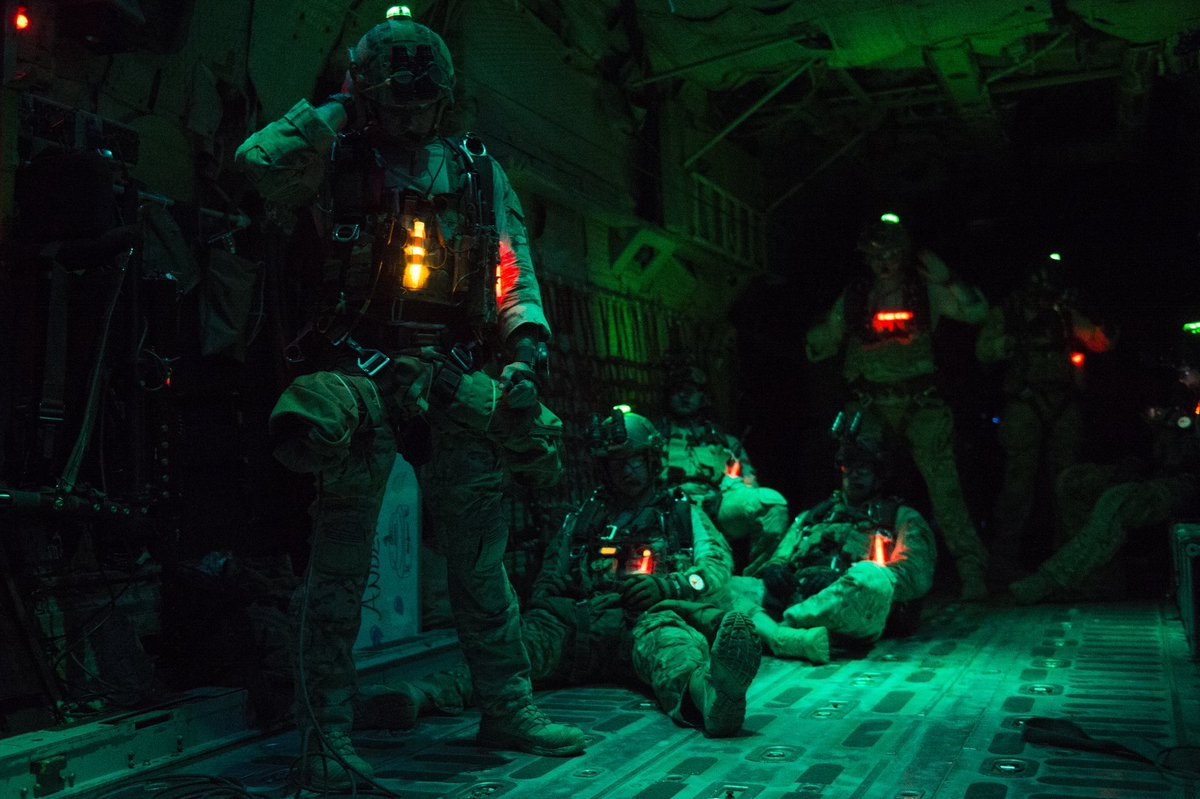
Just hours after the Tehran strike, a second U.S. airman was killed during a special‑forces operation at a remote base in Iran (source). The operation was part of a rescue effort for the remaining F‑15E crew members. The loss raises the U.S. casualty count to two airmen on the same day, highlighting the high risk of deep‑penetration missions inside Iranian territory.
Targeted Assassinations and Airstrikes
Multiple high‑profile assassinations were reported throughout the day:
- IRGC Oil Headquarters: The Israeli Defense Forces (IDF) killed the Head of Commerce at the IRGC Oil Headquarters in Tehran (JPost).
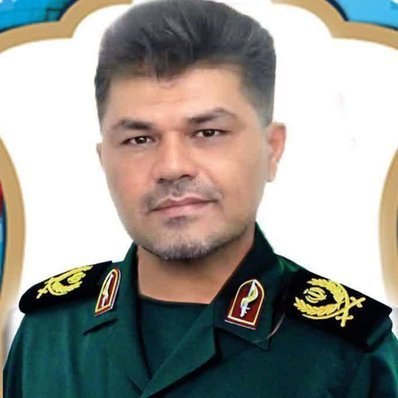
- Brigadier General Masoud Zare: A joint U.S.–Israeli strike eliminated the commander of Iran's Army Air Defense College in Tehran (source).
- Mohammad Reza Ashrafi Kahai: The Israeli Air Force assassinated a senior IRGC oil commander near Tehran (source).
- IRGC Naval Commander Mostafa Azizi: Killed in Khuzestan Province, reported by Fars News Agency (source).
In addition, a series of coordinated airstrikes involving U.S. and Israeli assets struck strategic locations across Iran:
- Isfahan (southeastern sector) – video evidence posted by rnintel (link).
- Ahvaz airport in Khuzestan – reported by monitor_the_situation (link).
- Fars Province – an ambulance was hit, according to the Iranian Red Crescent (source).
- Mahshahr petrochemical complex – at least five dead and 170 injured (GeoPWatch).
Infrastructure and Transportation Targets
The B1 bridge linking Karaj and Tehran was bombed, an act noted amid ongoing U.S.–Iran negotiations (source). The bridge is a critical artery for civilian and military logistics, and its destruction further complicates any diplomatic de‑escalation.
In the Persian Gulf, Iranian forces shot down two U.S. Black Hawk helicopters and a C‑130 transport during a search‑and‑rescue mission (source), marking a direct aerial engagement between the two militaries.
Air Defense and Drone Interceptions
Iranian forces reported multiple drone shoot‑downs:
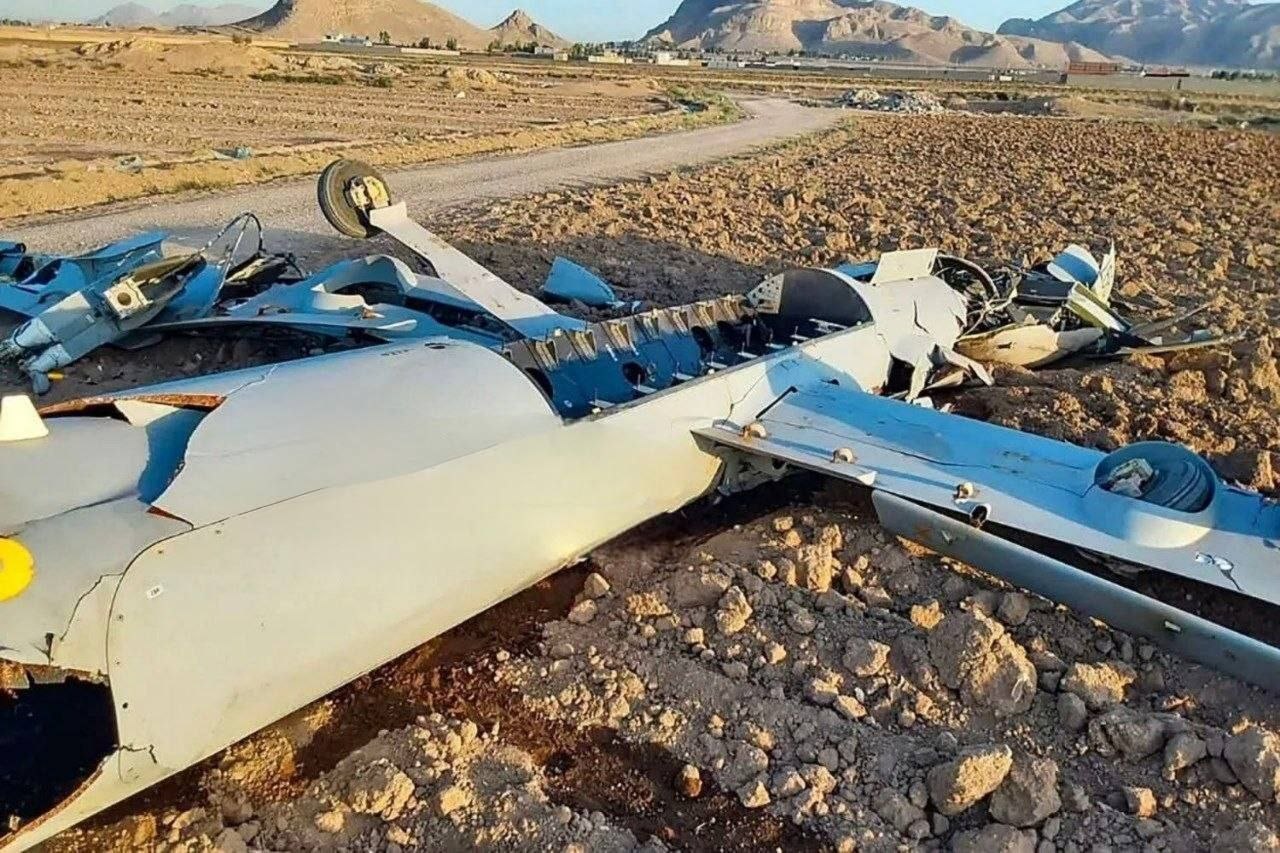
- Two U.S. MQ‑9 Reaper drones and several Israeli Hermes 900 UAVs over Isfahan (source).
- A second MQ‑9A UCAV downed over Isfahan within 12 hours, according to the IRGC’s Sahib Al‑Zaman Corps (source).
U.S. Rescue Operations Deep Inside Iran
From early morning until late afternoon, U.S. special‑operations and air‑refuel units conducted a series of rescue attempts for downed F‑15E crew members. Key milestones include:
- Clash between U.S. and Iranian forces in southwestern Iran at 01:36 UTC, involving F‑15 aircraft (source).
- Establishment of a temporary forward airfield south of Isfahan (coordinates 32.258394, 51.901927) to support the rescue (source).
- Successful extraction of a wounded crew member from mountainous terrain, announced by former President Trump (source).
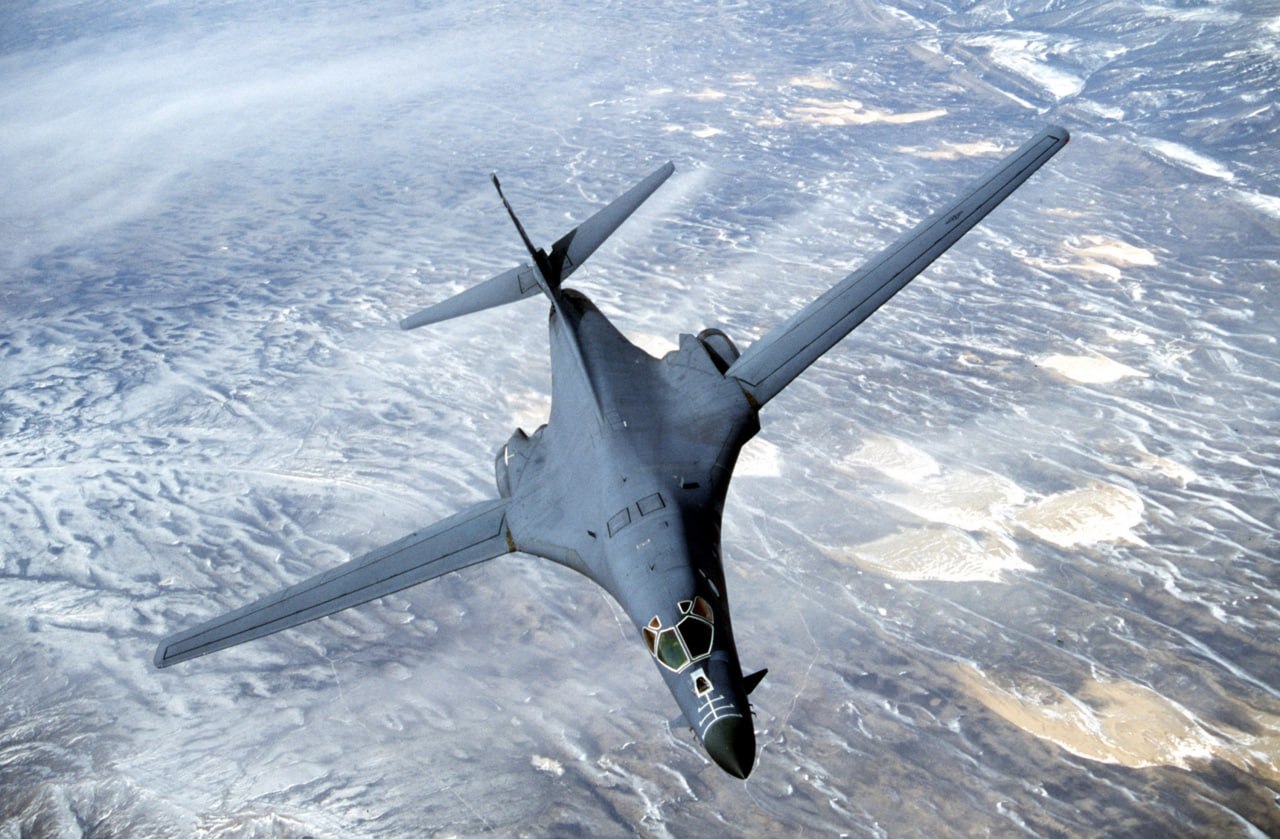
U.S. air assets deployed “every tactical jet in the inventory,” including B‑1 bombers, to suppress Iranian forces and protect the rescue corridor (CIG_telegram).
Health and Humanitarian Concerns
The World Health Organization’s Director‑General warned that repeated U.S. and Israeli strikes on Iranian nuclear facilities could generate acute health and environmental hazards (source). The statement emphasizes the potential for radiological contamination and underscores the broader humanitarian fallout of kinetic actions.
Strategic Implications
The cascade of kinetic events on 5 April demonstrates a multi‑theater escalation:
- High‑value leadership decapitation by Israeli forces aims to degrade IRGC command and economic capabilities.
- U.S. airpower is being leveraged both for punitive strikes (Tehran, Mahshahr) and for protective fire support during rescue missions.
- Iran’s air‑defense and drone‑intercept capabilities have proven effective against U.S. and Israeli UAVs, indicating a resilient defensive posture.
- Infrastructure attacks, such as the B1 bridge bombing, signal an intent to disrupt Iran’s internal logistics and pressure negotiators.
Collectively, these actions raise the risk of inadvertent escalation, especially as both sides operate in close proximity to civilian populations and critical facilities.