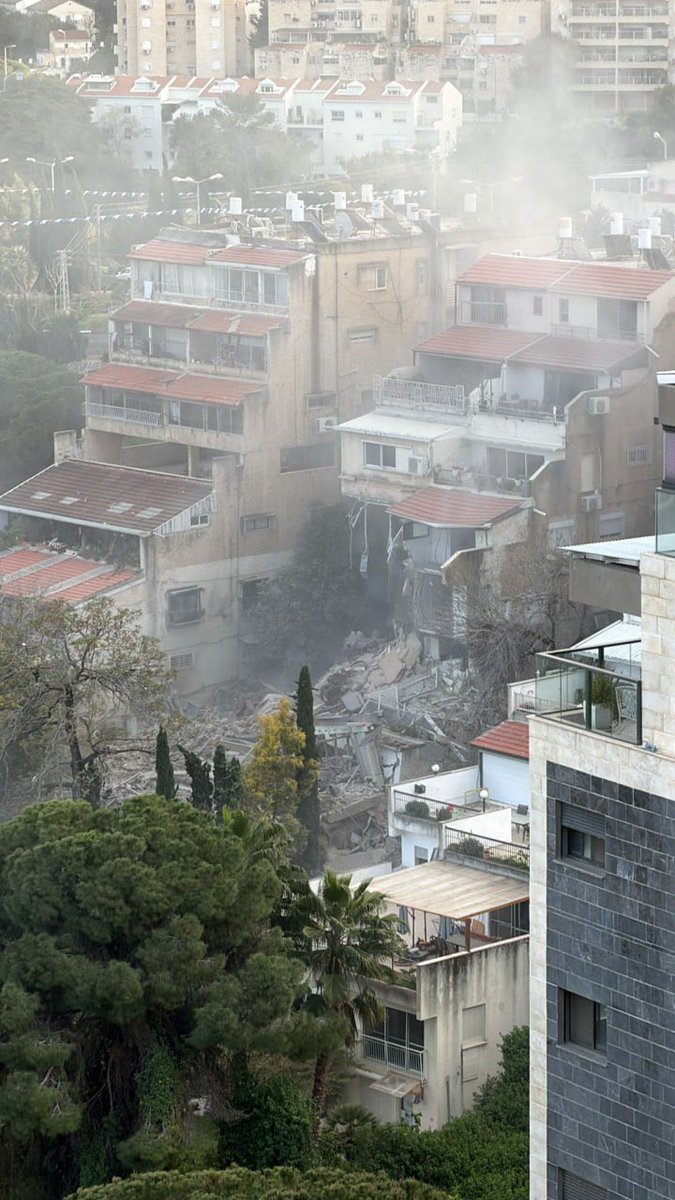
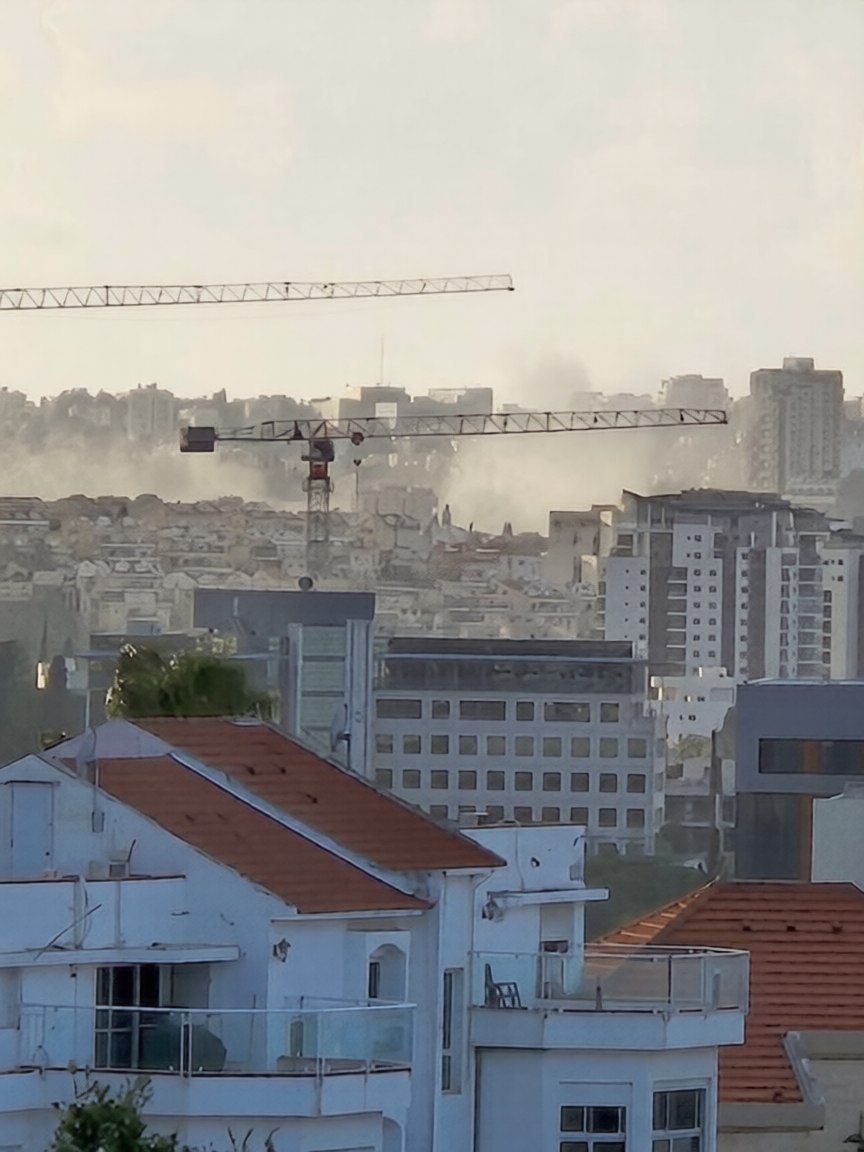
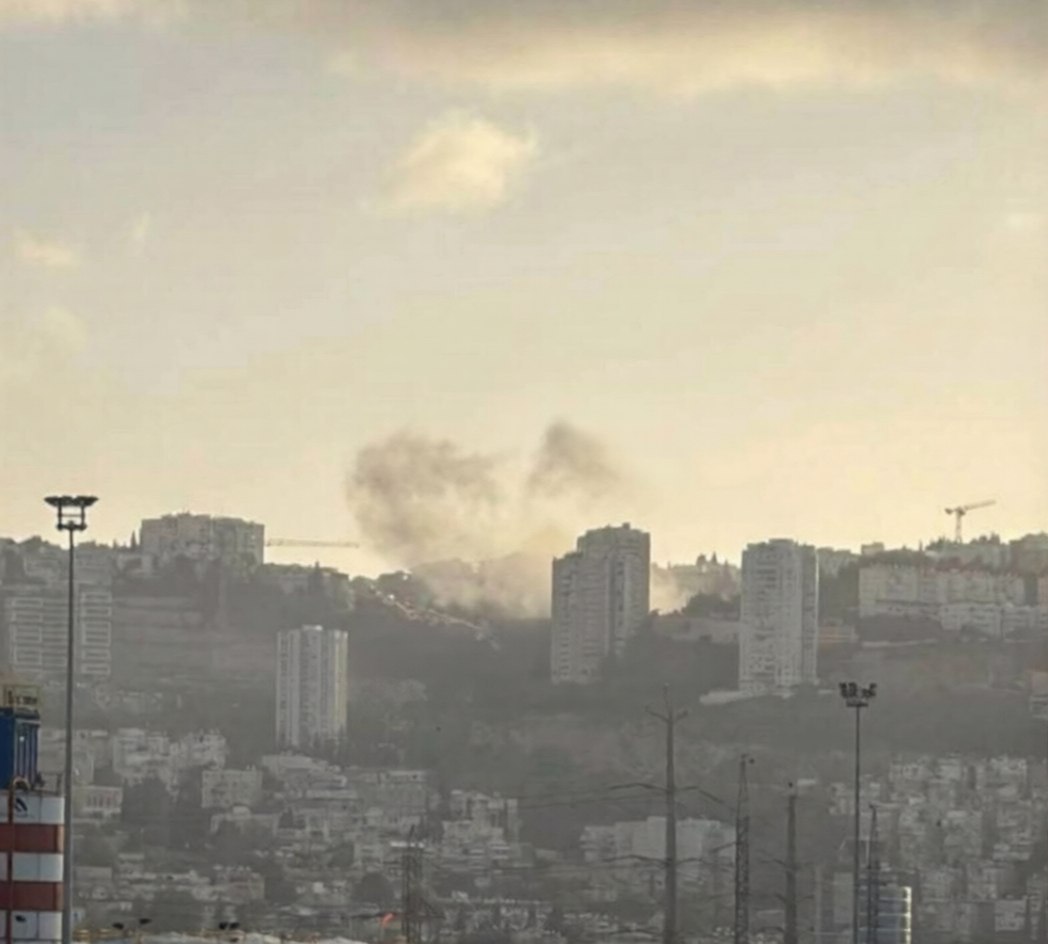
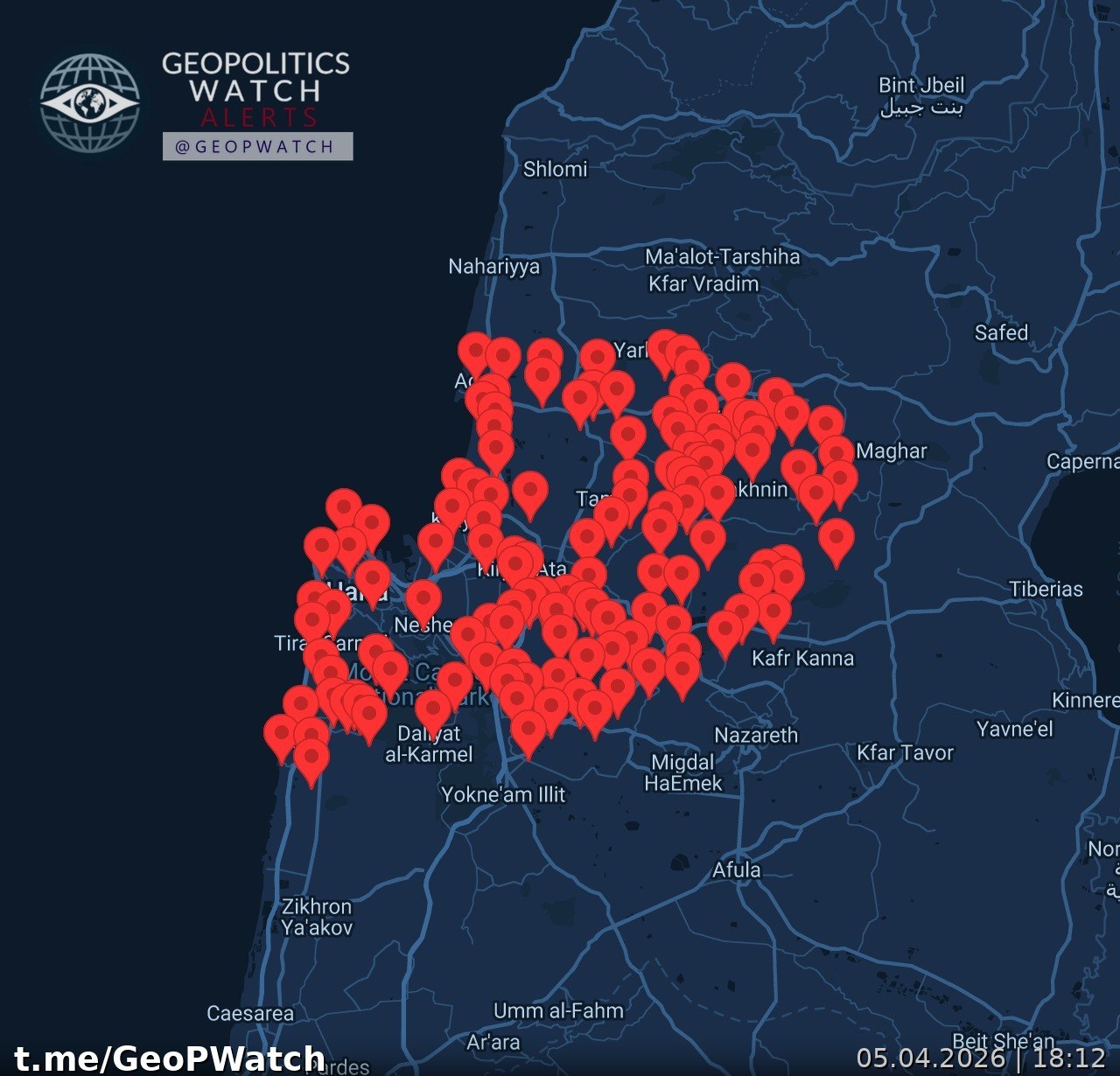
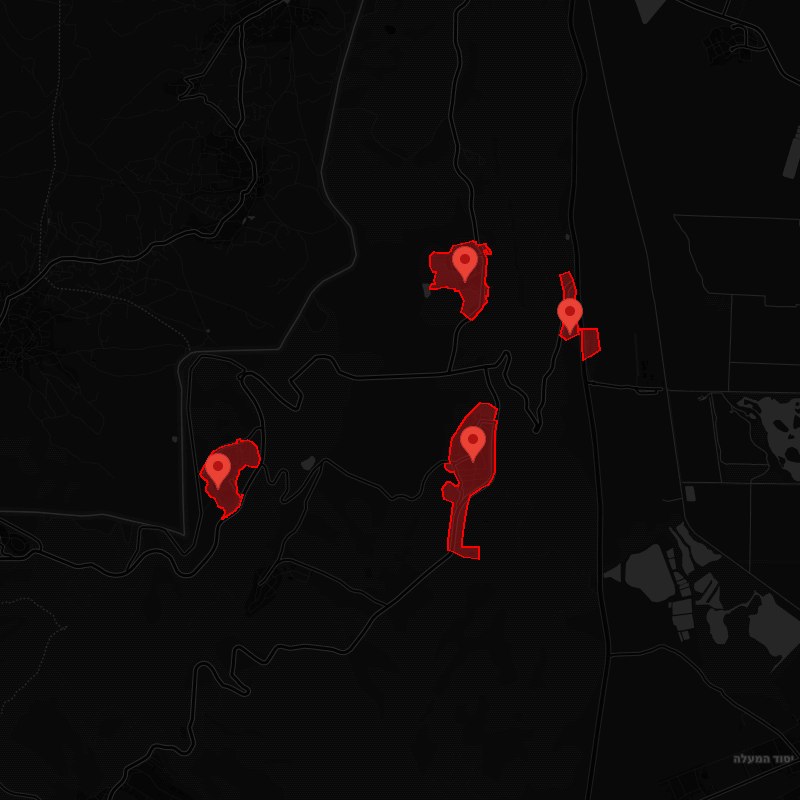
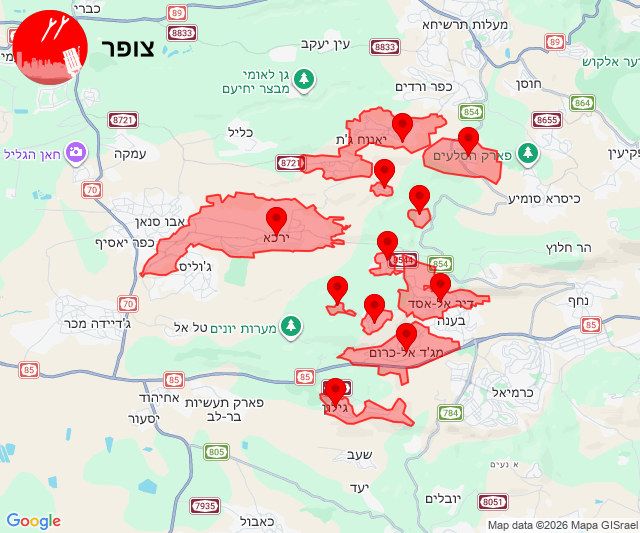
On 5 April 2026 an Iranian‑origin missile struck the port city of Haifa at 16:53, injuring nine civilians and leaving three individuals unaccounted for as rescue crews continue search operations. The impact, described by local channel idkunim_il as a "conventional ballistic missile with an explosive charge weighing hundreds of kilograms," caused severe shrapnel injuries to an 82‑year‑old man and generated a secondary risk of hazardous material leakage in the surrounding industrial zone.
"It is highly likely they are under the rubble, they were not in the protected area at the time of the alarm," a fire‑and‑rescue official told i24NEWS (idkunim_il).
Casualties: nine injured, three missing. Weapon: missile (conventional ballistic). Source: idkunim_il (link).
Follow‑up Rocket Impacts in Haifa
Just 23 minutes earlier, at 16:24, a second missile—identified by the Haifa police bomb squad as a conventional ballistic projectile—directly hit a residential building in the same city. No fatalities were reported, but the strike added to the cumulative damage to civilian infrastructure and heightened the demand for emergency medical services.
At 15:36 a medium‑range ballistic missile launched from Iran struck another residential building in Haifa, causing extensive structural damage. While casualty figures for this specific impact were not released, the event underscores a pattern of repeated long‑range attacks on the northern coastal corridor.
Southern Israel Targeted by High‑Velocity Missiles
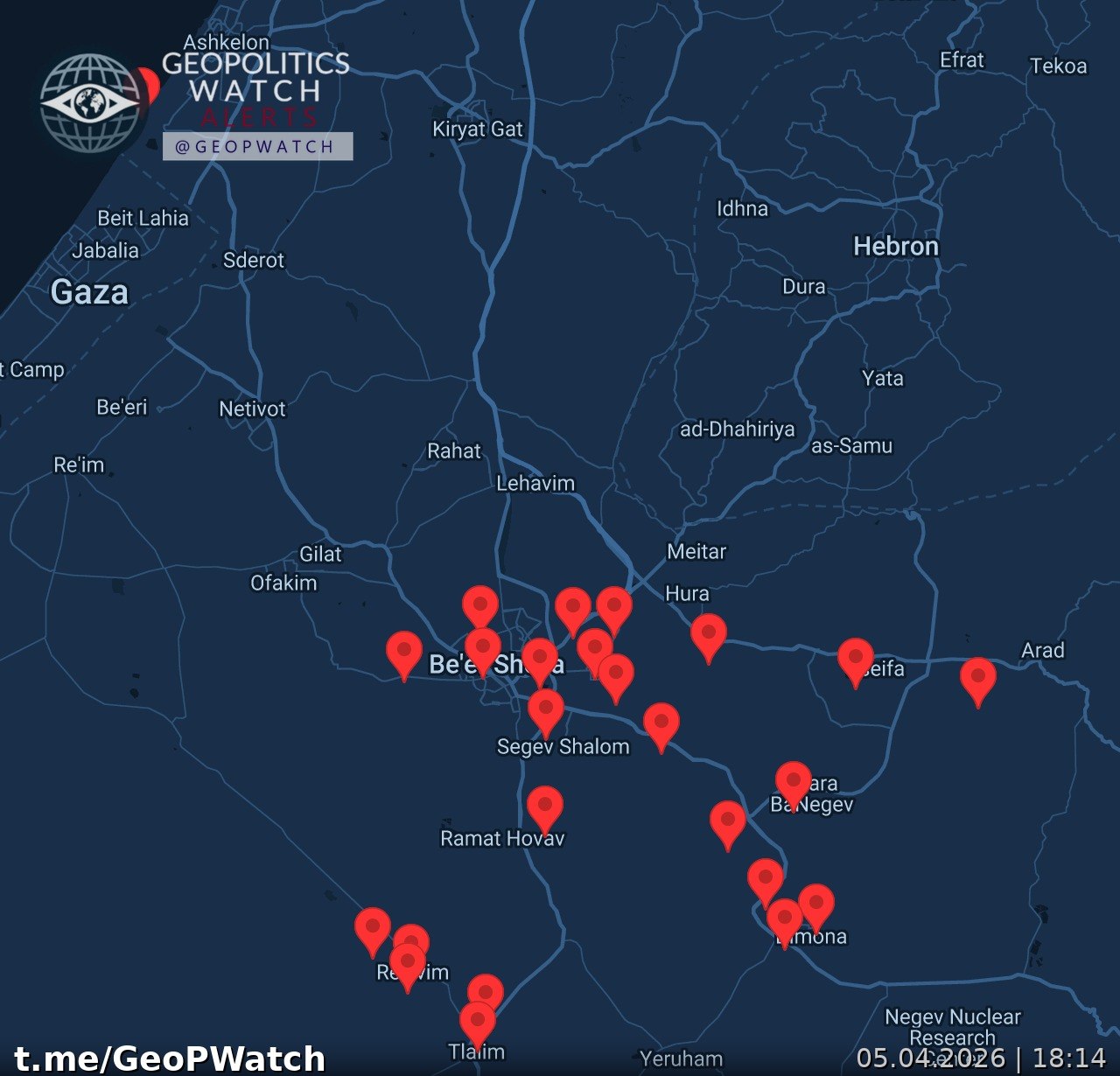
At 16:01 a missile struck the Ramat Hovav industrial area in the Negev desert. Israeli authorities warned of potential hazardous material release, prompting the evacuation of nearby workers. The missile, attributed to Iran, evaded interception by Israel’s missile‑defence shield.
Later, at 12:58, a ballistic missile impacted an open area near the Ne’ot Hovav industrial zone, again without immediate casualty reports. These strikes illustrate a strategic focus on Israel’s industrial infrastructure, aiming to disrupt production and create secondary economic pressure.
Hezbollah’s Cross‑Border Operations
In the southern Lebanese town of Chama, Hezbollah detonated an improvised explosive device (IED) against an IDF infantry unit at 17:40 and subsequently fired artillery at medivac forces responding to the scene. The group confirmed casualties among the Israeli troops, though exact numbers were not disclosed.
Hezbollah also launched a KTBM rocket from Lebanon into a house near Acre (Akko) at 16:25; the projectile caused no injuries but demonstrated the group’s capability to deliver precision rockets across the border.
Israeli Airstrikes and Counter‑Operations
Israel responded with a series of airstrikes across Lebanon. At 16:15 the Israeli Air Force conducted strikes that killed at least 14 people in Lebanon, according to Al Jazeera, while Hezbollah simultaneously fired projectiles into northern Israel and Israeli troops advanced further south.
"Israeli airstrikes in Lebanon killed at least 14 people as Hezbollah fired projectiles into northern Israel and Israeli troops advanced further south," Al Jazeera (link).
Additional Israeli air operations targeted strategic sites in Beirut, including two Hezbollah fuel stations (17:06) and the Jnah district (15:07), the latter resulting in at least 20 casualties. An earlier strike on southern Beirut (12:35) killed four civilians.
Naval Encounters Near the Israeli Coast
Hezbollah claimed to have hit an Israeli Navy warship with a cruise missile 68 nautical miles off Lebanon’s coast at 09:33, a claim denied by the Israeli Defence Forces. Later, at 17:47, Hezbollah reportedly struck a British warship with a surface‑to‑air missile near the Israeli maritime border, causing damage to the vessel.
Domestic Alert Network and Interceptions
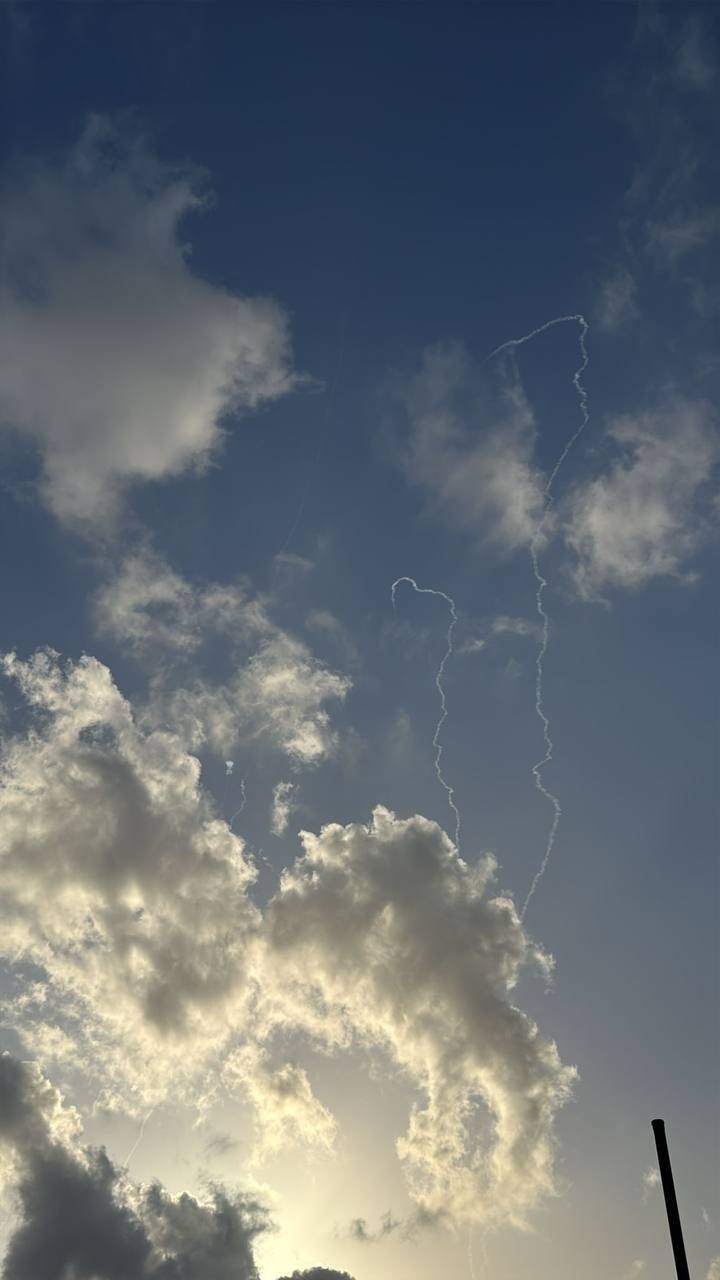
Throughout the day, Israel’s civilian rocket‑alert system recorded dozens of warnings across the country. RocketAlert.live logged alerts for locations ranging from the Upper Galilee (e.g., Kiryat Motzkin, Kfar HaMaccabi) to the Gaza envelope (e.g., Be’er Sheva, Kiryat Shmona). At 10:55 a single missile was intercepted over Be’er Sheva, and at 07:08 a large number of interceptors were deployed over Haifa, reflecting the high operational tempo of Israel’s air‑defence network.
Israeli forces also reported the interception of multiple Iranian missiles and drones targeting Doha, Qatar, and Riyadh, Saudi Arabia, indicating a broader regional missile‑defence posture.
Operational Analysis
The concentration of kinetic events on 5 April reveals a coordinated escalation strategy by Iran and its proxy, Hezbollah, aimed at stretching Israel’s defensive resources across multiple fronts. The use of conventional ballistic missiles against densely populated urban centers (Haifa, Ramat Hovav) suggests an intent to inflict civilian casualties and economic disruption. Simultaneously, Hezbollah’s artillery, IEDs, and rocket fire from Lebanon target Israeli ground forces and border communities, reinforcing a hybrid warfare approach that blends conventional firepower with irregular tactics.
Israel’s response—high‑volume airstrikes, extensive use of fighter jets, attack helicopters, and UAVs, and the rapid deployment of missile‑defence interceptors—demonstrates a robust, albeit reactive, capability to neutralise immediate threats. However, the repeated penetration of missile‑defence systems, particularly against high‑altitude ballistic trajectories, highlights potential gaps in the current shield architecture.
Strategically, the attacks on industrial zones such as Ramat Hovav and Ne’ot Hovav aim to create secondary effects beyond immediate casualties, potentially compromising Israel’s chemical and energy sectors. The targeting of medivac units in Chama further indicates an effort to degrade Israeli force‑recovery operations, thereby increasing battlefield attrition rates.
Overall, the day's kinetic activity underscores a heightened risk environment for Israel, with multiple high‑impact threats converging on both civilian and military assets. Continued vigilance, intelligence sharing, and adaptive defence postures will be essential to mitigate further escalation.