On 5 April 2026, a series of high‑intensity kinetic events unfolded across the Middle East and adjacent regions, underscoring a rapid escalation in both conventional and unconventional warfare. The most consequential development was a televised discussion on Israel’s Channel 14, where Minister of National Security Itamar Ben Gvir entertained the prospect of employing a neutron bomb against Iran. Neutron bombs are low‑yield nuclear weapons designed to maximize lethal radiation while limiting blast damage. The panel, hosted by Channel 14 correspondent Dror Balazada, hinted at the strategic calculus behind such a weapon, raising concerns about nuclear escalation.
“We must consider all options, including a neutron bomb, to neutralize the Iranian threat,”the discussion noted, reflecting a shift from conventional deterrence to potential nuclear posturing. (Source: CIG_telegram)
Iran‑Israel Missile Exchanges
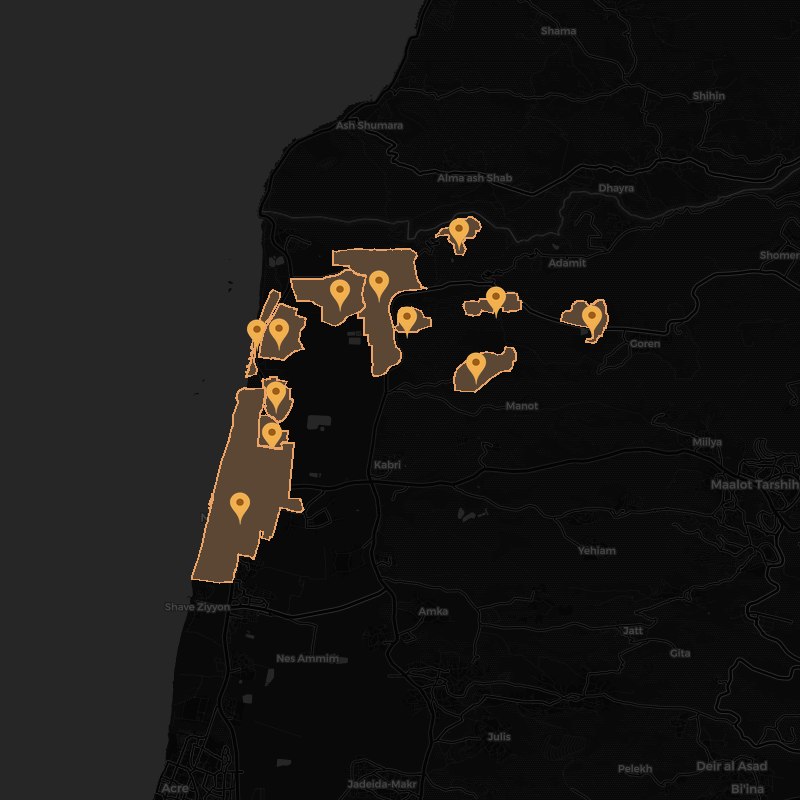
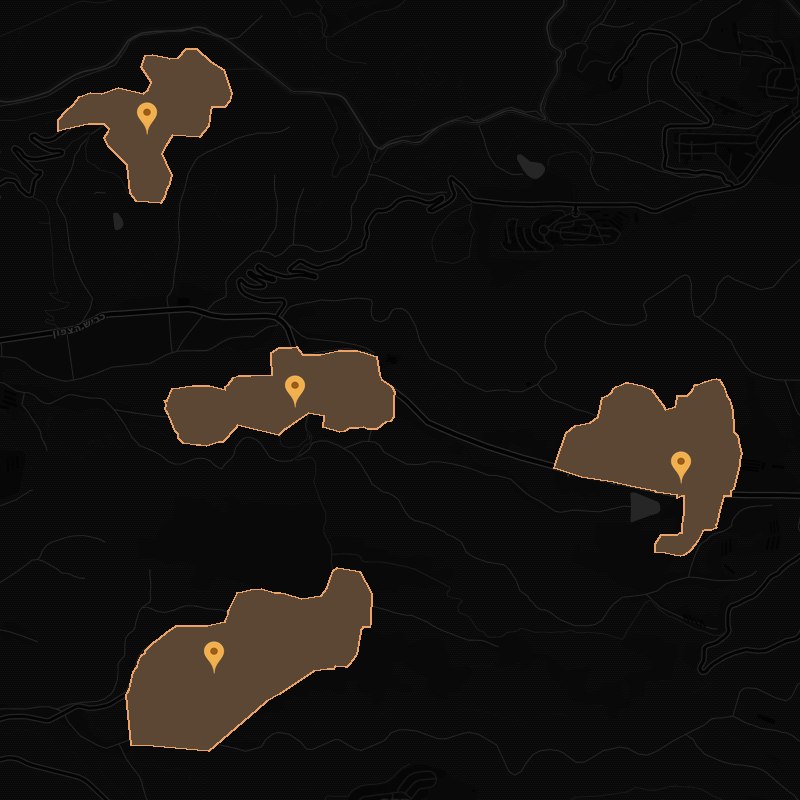
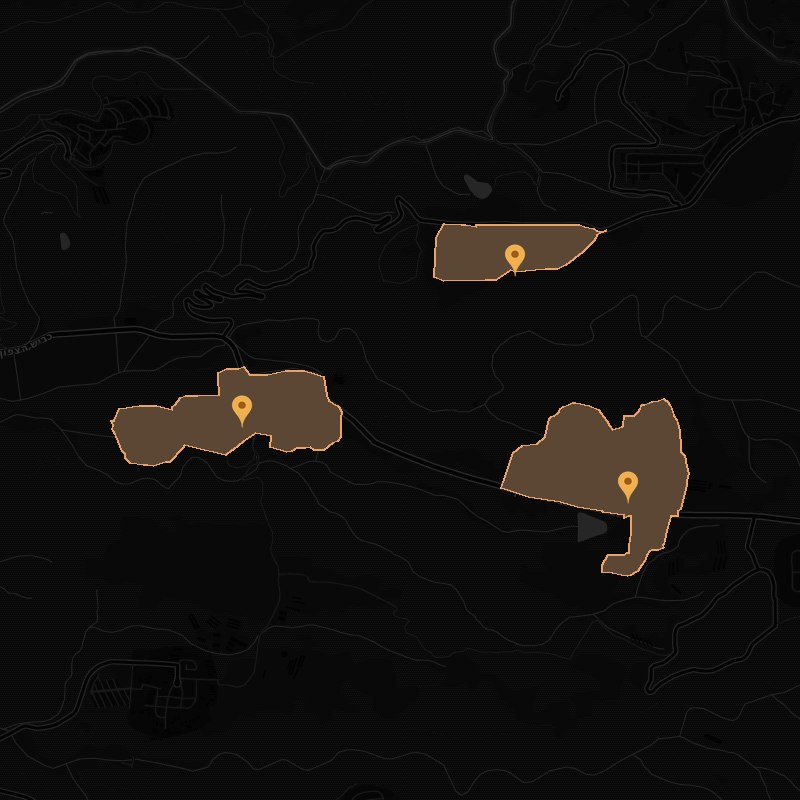
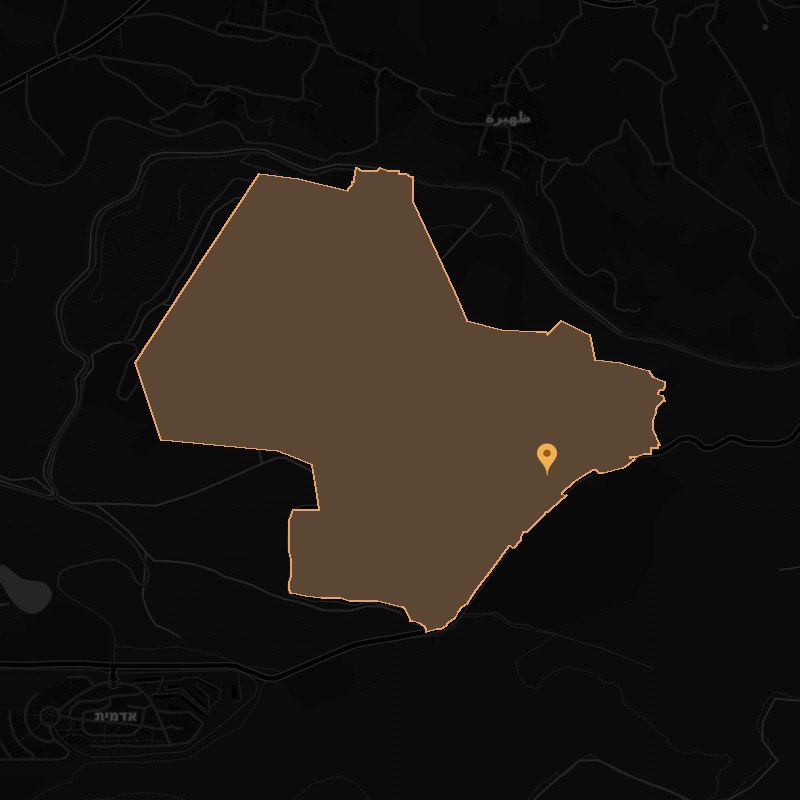
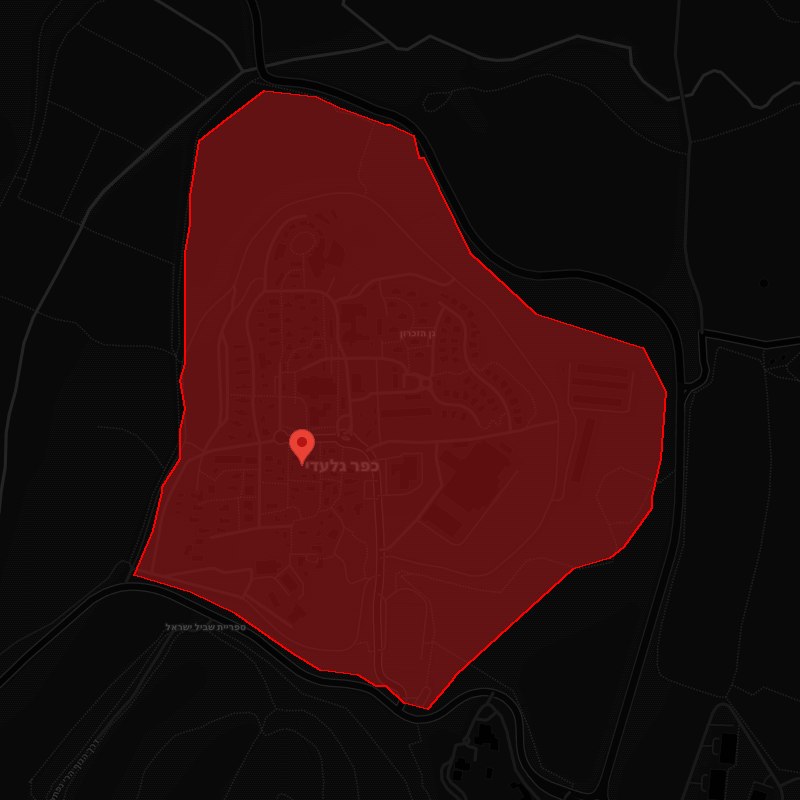
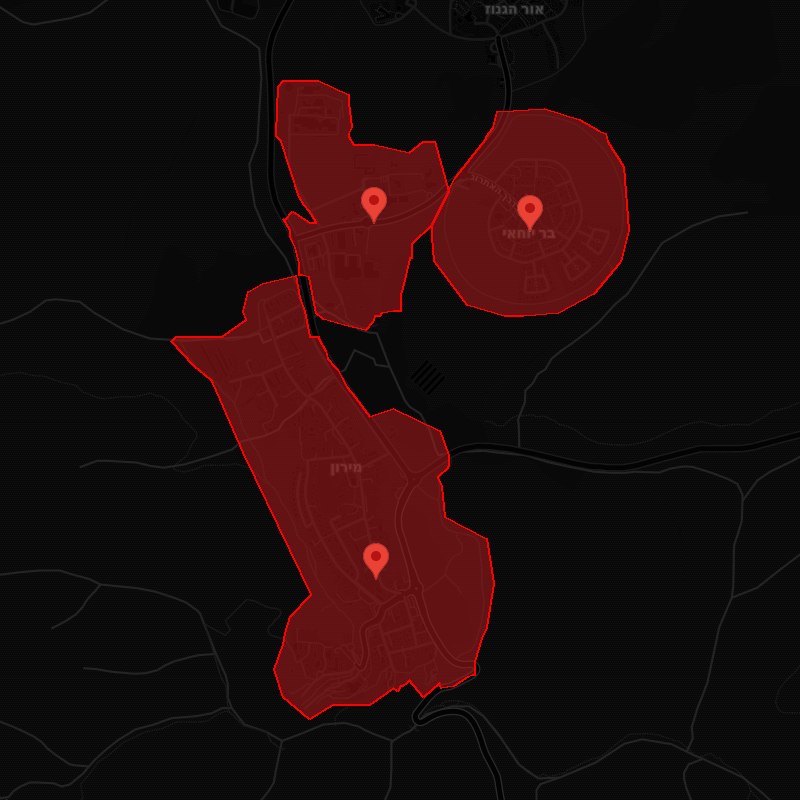
Throughout the day, multiple rocket and missile alerts were recorded in northern Israel, particularly in the Upper Galilee and Kfar Giladi sectors. RocketAlert reported alerts at 08:31, 08:38, 08:52, 10:11, 12:23, 14:26, and 15:07 UTC, indicating a sustained barrage of projectiles originating from Iran. While casualty figures were not disclosed, the frequency of alerts suggests a high operational tempo aimed at pressuring Israeli civil infrastructure and military positions. (Sources: RocketAlert, RocketAlert, RocketAlert)
In response, Israeli forces reportedly deployed Delilah cruise missiles and camouflaged rooftop anti‑aircraft guns to destroy Iran’s Cobra V‑8 electronic‑warfare complex. Video evidence posted by intelslava showed the strike, highlighting Israel’s capability to conduct precision attacks deep within Iranian airspace. (Source: intelslava)
IRGC Retaliatory Threats and Drone Campaigns
The Islamic Revolutionary Guard Corps (IRGC) announced an “initial warning” campaign targeting Iranian petrochemical and energy facilities in retaliation for recent U.S. strikes on Mahshahr and the B1 bridge in Karaj. The IRGC Aerospace Forces declared the launch of missiles against regional energy infrastructure, signaling an escalation of proxy and direct attacks. (Source: CIG_telegram)
Concurrently, Iran intensified its UAV operations across the Gulf. Iranian kamikaze drones struck a gas‑industry facility in Kuwait, while a Shahed‑147 MALE UAV was downed by U.S. Central Command (CENTCOM) forces, as documented in a video release. (Sources: intelslava, CIG_telegram)
U.S. Special Operations and Aerial Incidents
U.S. forces conducted a covert rescue operation in Iran, involving a low‑altitude flight by a C‑295W transport aircraft from the classified 427th Special Operations Squadron. The mission culminated in the destruction of two U.S. transport aircraft—an HC‑130J and an accompanying helicopter—to prevent capture, as reported by AMK Mapping and corroborated by multiple media outlets. (Sources: intelslava, AMK_Mapping)
Iranian IRGC forces claimed to have shot down a U.S. C‑130 transport aircraft, alleging the use of AK‑47s by FARAJA units despite lacking air‑defense systems. The claim, disseminated by Fars News Agency, reflects the high‑risk environment surrounding U.S. aerial assets in the region. (Source: BellumActaNews)
Ground Movements and Proxy Engagements
On the Lebanese front, Israel’s Zakan reserve brigade (91st Division) entered the eastern sector of the Lebanon conflict, while Battalion 129 and Brigade 8 continued clearing operations along the NT line. These deployments indicate a broadening of ground engagements beyond the immediate Israeli‑Gaza theater. (Sources: idkunim_il, idkunim_il)
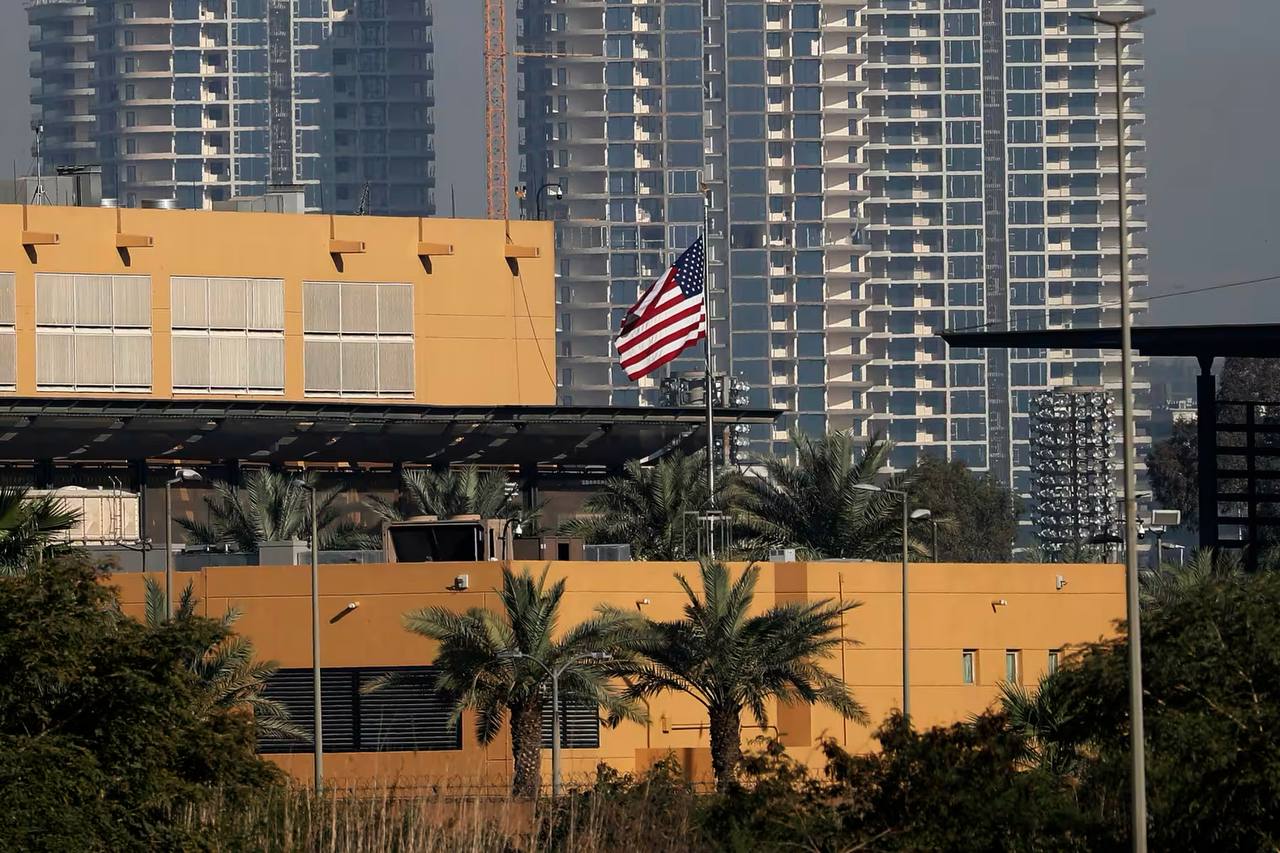
In Iraq, Iranian‑aligned militias executed two attacks on U.S. diplomatic facilities in Baghdad, attempting to assassinate American diplomats. The incidents underscore the persistent threat to U.S. personnel in the region and the influence of Iranian proxies. (Source: BellumActaNews)
Ukraine‑Russia Energy Front
Ukraine expanded its long‑range strike campaign against Russian energy assets. Drone attacks hit the Lukoil refinery in Kstovo and the Novogorkovskaya power plant, causing large fires and operational disruptions. Additionally, missile strikes targeted the Primorsk port and the NORSI refinery in Nizhny Novgorod, resulting in fuel leaks and further infrastructure damage. (Sources: monitor_the_situation, monitor_the_situation, AlJazeera)
Regional Drone and UAV Activity
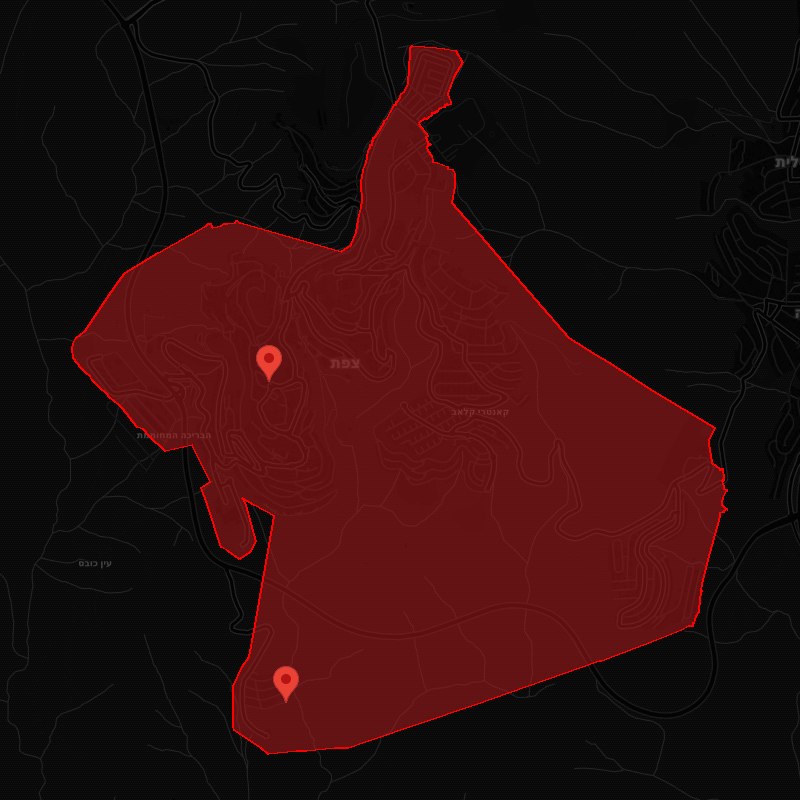
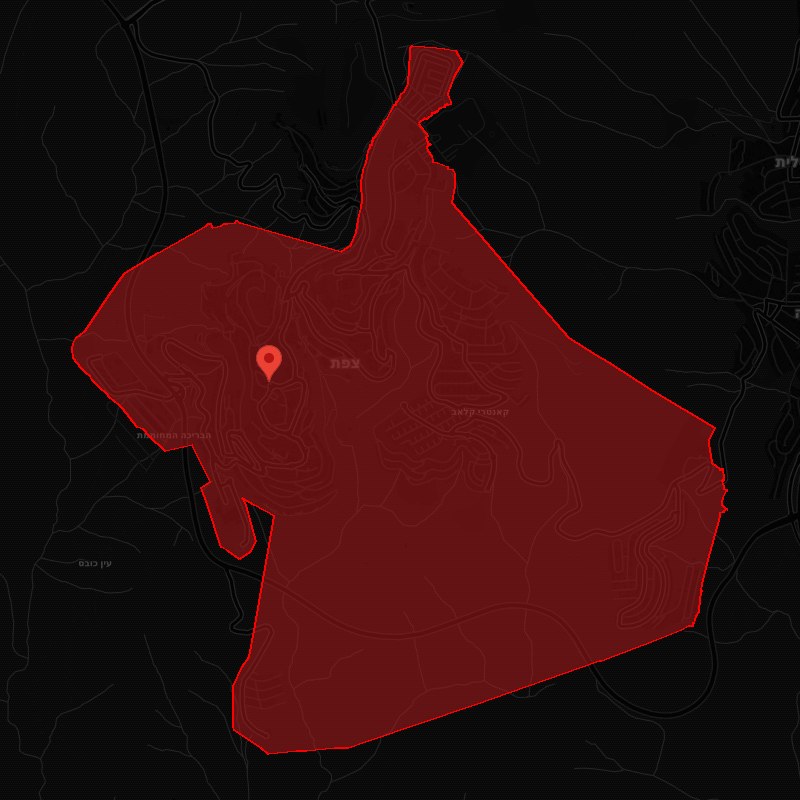
Hostile UAV alerts proliferated across northern Israel, with multiple reports from RocketAlert documenting incursions over industrial zones, coastal areas, and border towns such as Milouot, Betzet, and Rosh HaNikra. While no casualties were reported, the density of alerts points to an evolving aerial threat environment, likely driven by Iranian and Hezbollah drone capabilities. (Sources: RocketAlert, RocketAlert, RocketAlert)
Hezbollah’s FPV drones engaged Israeli Merkava Mk.4M tanks, inflicting limited damage but demonstrating the tactical utility of low‑cost, high‑precision UAVs in ground combat. (Source: intelslava)
Broader Geopolitical Implications
The convergence of nuclear rhetoric, high‑frequency missile exchanges, covert special‑operations missions, and proliferating UAV activity signals a multi‑dimensional escalation. The neutron‑bomb discussion marks a rare public contemplation of tactical nuclear use, while the IRGC’s drone campaign extends Iran’s reach into Gulf energy hubs. Simultaneously, U.S. and Israeli forces demonstrate a willingness to conduct deep‑strike operations, raising the risk of inadvertent escalation.
Analysts should monitor the following indicators: the frequency of cross‑border missile launches, the operational tempo of Iranian UAV sorties, and any official statements that shift the discourse from conventional deterrence to nuclear options. The interplay of state and proxy actors across multiple theaters suggests a fluid conflict environment where kinetic actions can rapidly expand beyond traditional frontlines.