Shalamcheh Border Crossing Attack – At 18:19:13 local time, United States Air Force aircraft struck Iranian‑backed Popular Mobilization Forces (PMF) aid convoys as they crossed the Iraq‑Iran border at the Shalamcheh portal in Khuzestan Province. The strike, reported by BellumActaNews (https://t.me/BellumActaNews/170109), resulted in the death of an Iraqi citizen and halted convoy movements. Weapons used were unspecified aircraft‑delivered munitions; the operation involved the United States Air Force and PMF forces.
Joint US‑Israeli Strike on Tehran Bridge
A separate coordinated attack by US and Israeli forces targeted a major bridge in Tehran at 01:15:49, killing 13 people, according to monitor_the_situation (https://t.me/monitor_the_situation/8044). The strike marked the first confirmed joint operation against Iranian civilian infrastructure in the current conflict cycle. No specific weapon system was disclosed, but the high casualty count underscores the strike’s lethality.
Widespread Air Campaign on Energy Infrastructure
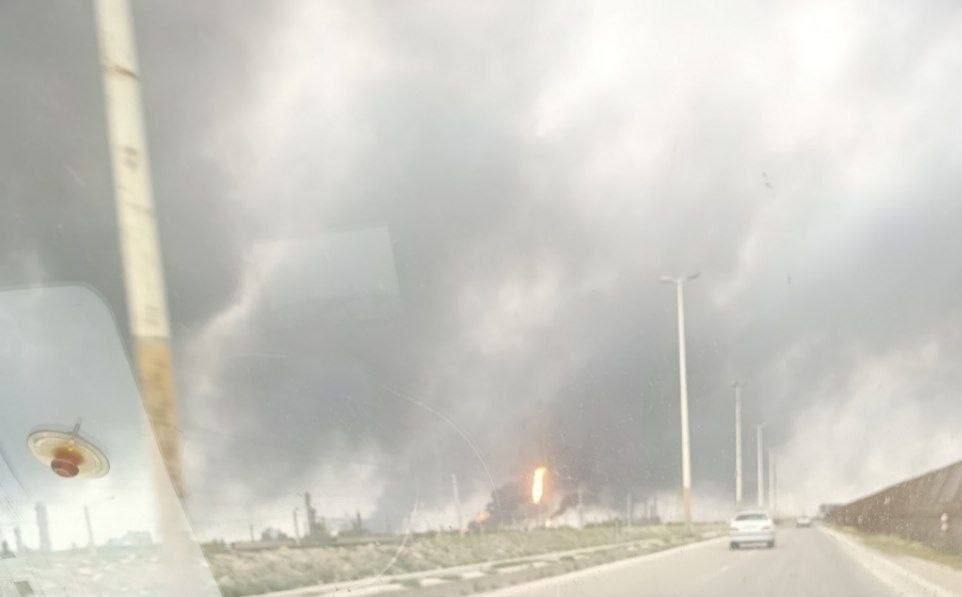
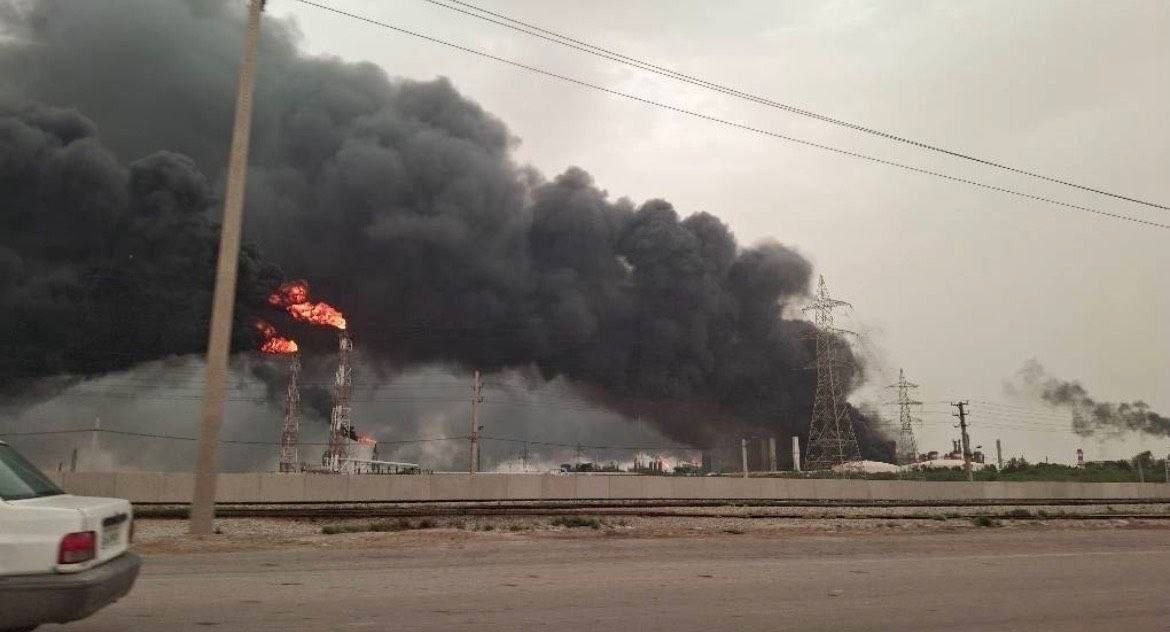
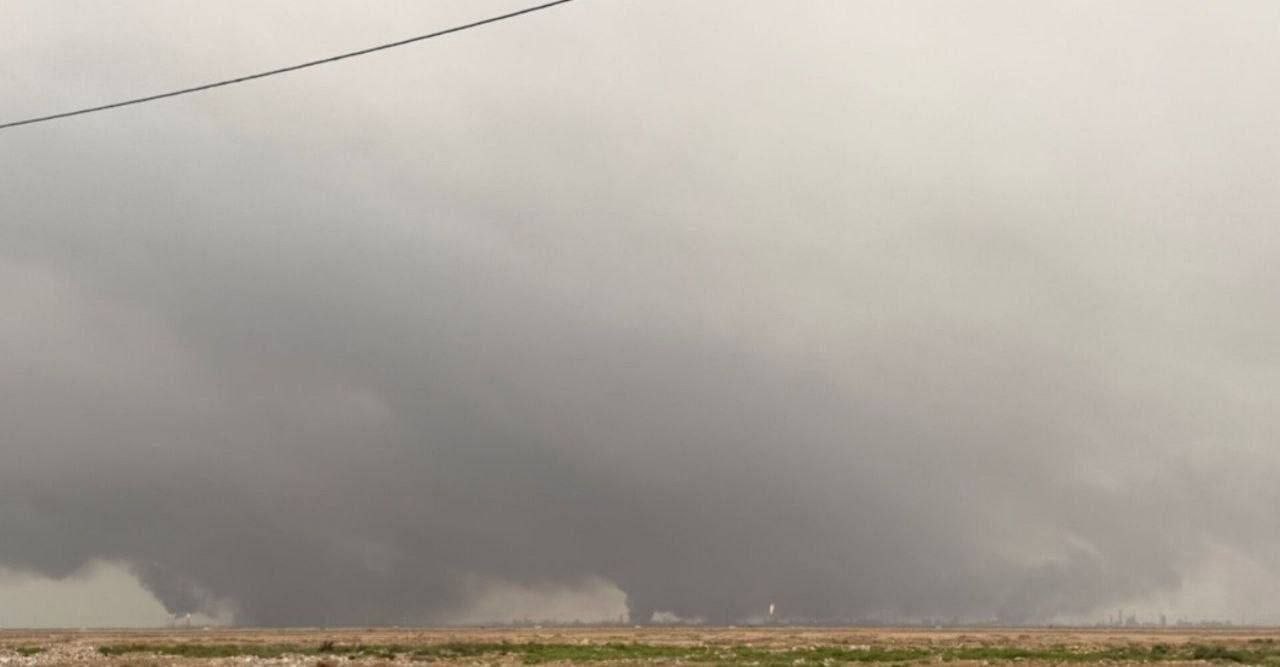
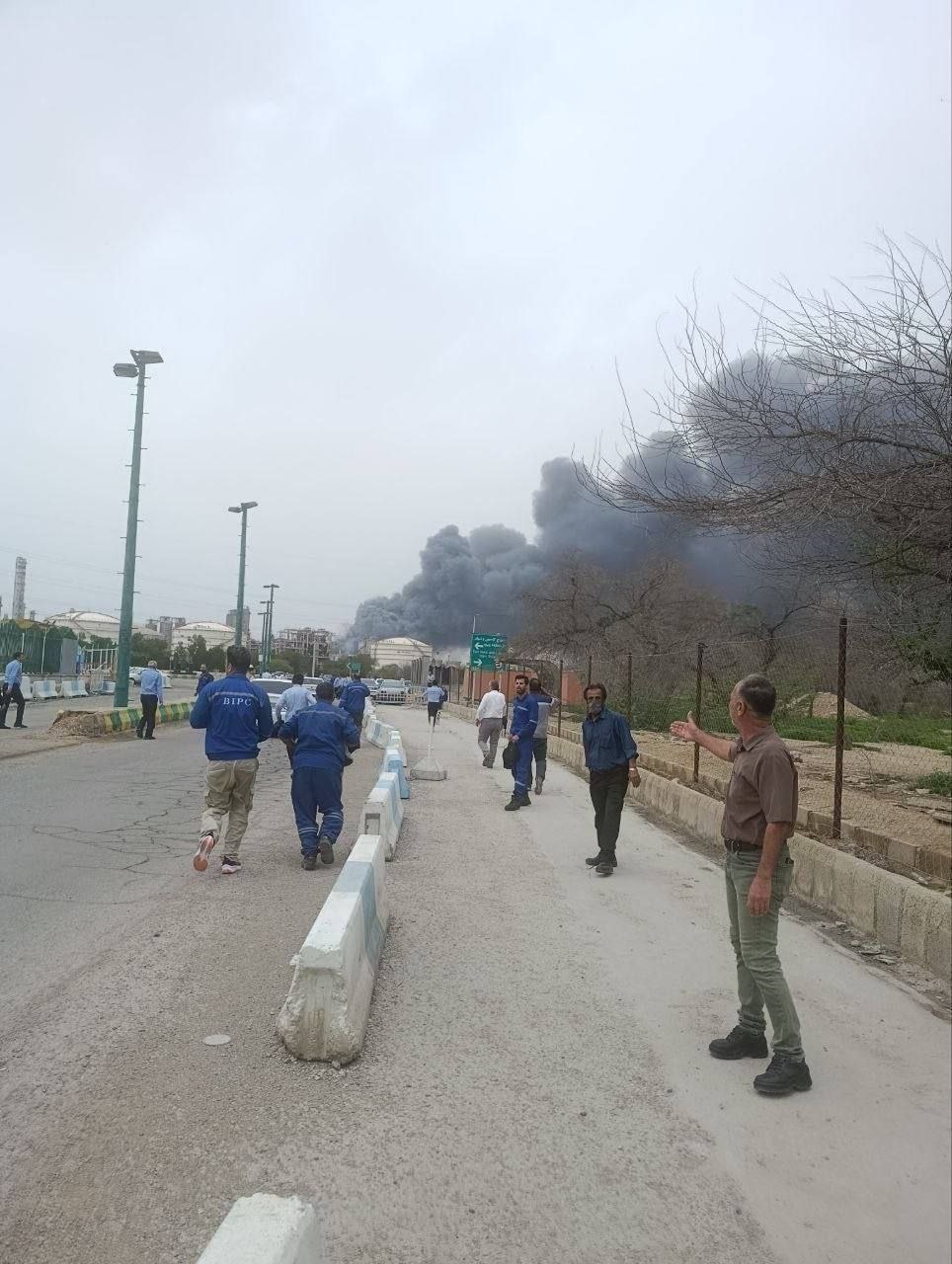
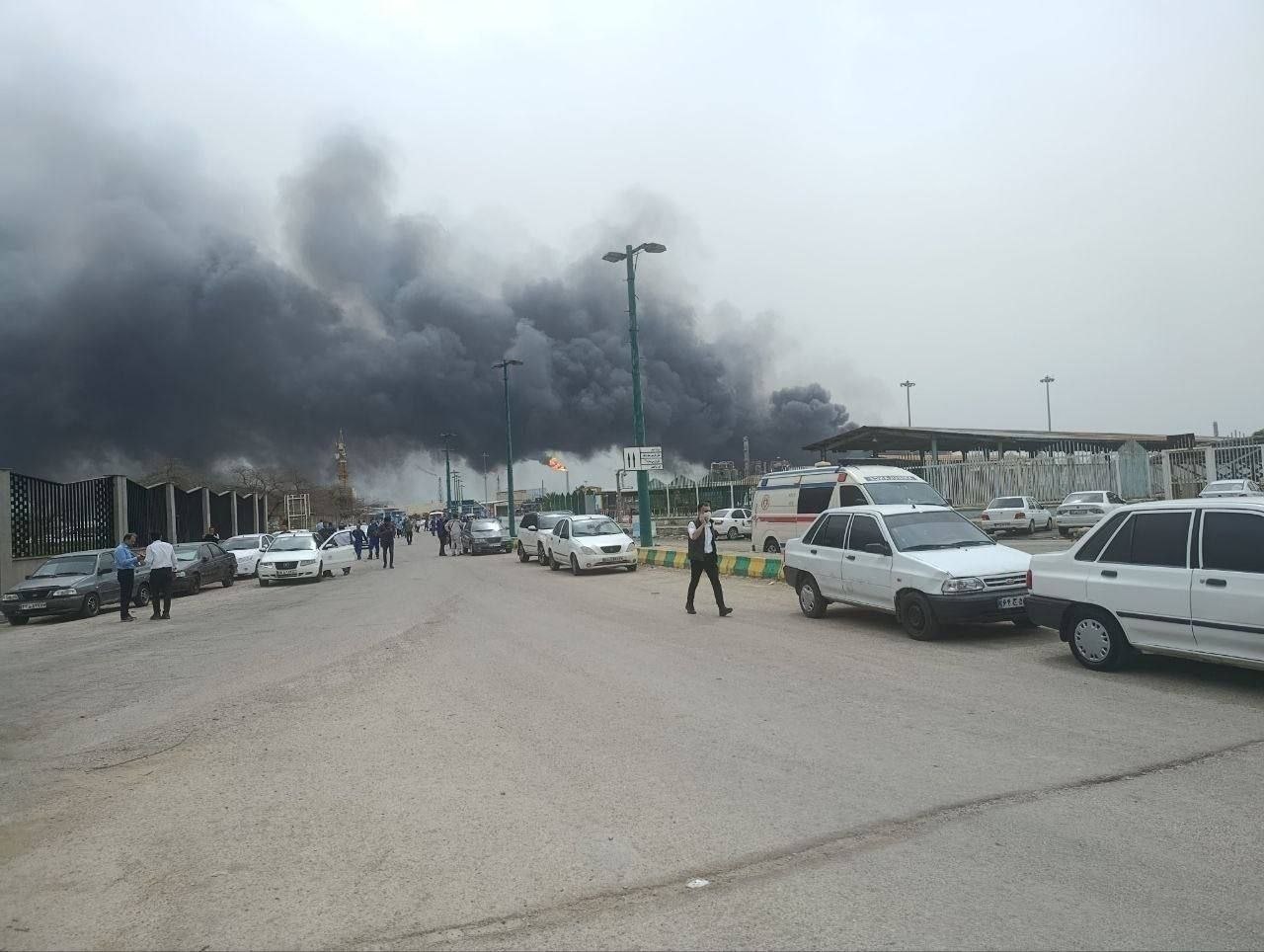
From early morning through late night, a series of airstrikes hit Iran’s energy sector. At 15:06:15, United States and Israeli air forces bombed the Mahshahr petrochemical complex in Khuzestan Province, a strategic hub for oil‑derived products (intelslava, https://t.me/intelslava/85884). Later, at 14:29:18, joint USAF‑IAF sorties struck multiple petrochemical facilities in southwest Iran, including Fajr, Abu Ali, Bandar Imam, Rijal, and Amir Kabir (GeoPWatch, https://t.me/GeoPWatch/30579). The attacks employed conventional bombs and cruise missiles, though specific ordnance was not detailed.
In Isfahan Province, US Air Force and Navy fighters were reported over the city at 23:52:08, with explosions heard between 02:00 and 02:30 local time (BellumActaNews, https://t.me/BellumActaNews/170158). The weapons were fighter‑aircraft‑delivered munitions, and the operation appears to have been part of a broader campaign to degrade Iran’s industrial capacity.
Targeting of Military Assets
At 18:52:41, the Israeli Air Force struck a camouflaged ballistic missile launcher in Tabriz, employing precision air‑to‑ground weapons (intelslava, https://t.me/intelslava/85891). The same day, Israeli aircraft hit western Tehran and Karaj, as reported at 18:27:34 (BellumActaNews, https://t.me/BellumActaNews/170111). These strikes were described as “airstrikes” without further weapon specifics, but the targeting of command‑and‑control assets suggests a focus on degrading Iran’s missile launch capability.
In the Ardabil Province border region, the Israeli Air Force bombed multiple cities along the Azerbaijan‑Iran frontier at 22:57:41 (BellumActaNews, https://t.me/BellumActaNews/170149), indicating a widening of the operational theatre beyond central Iran.
Incidents Near the Bushehr Nuclear Facility
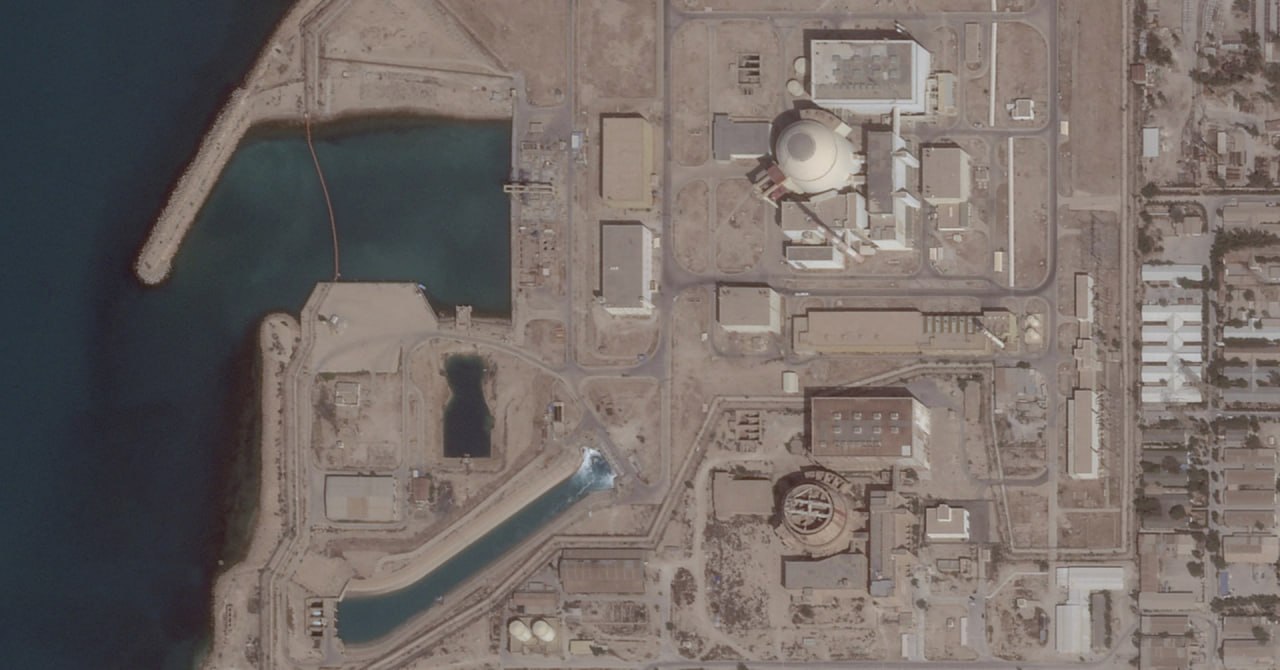
Multiple attacks near the Bushehr Nuclear Power Plant were recorded. At 12:19:39, a projectile struck close to the plant, killing one worker (AlJazeera, https://www.aljazeera.com/news/2026/4/4/iaea-says-projectile-hits-near-irans-bushehr-nuclear-plant-killing-one). Later, at 08:36:46, US and Israeli airstrikes hit the Bushehr area, including the Mahallati Pier, with at least one staff fatality (monitor_the_situation, https://t.me/monitor_the_situation/8100). The weapons employed were not disclosed, but the proximity of repeated strikes raises concerns about nuclear safety.
Ground and Aerial Engagements in Southern Iran
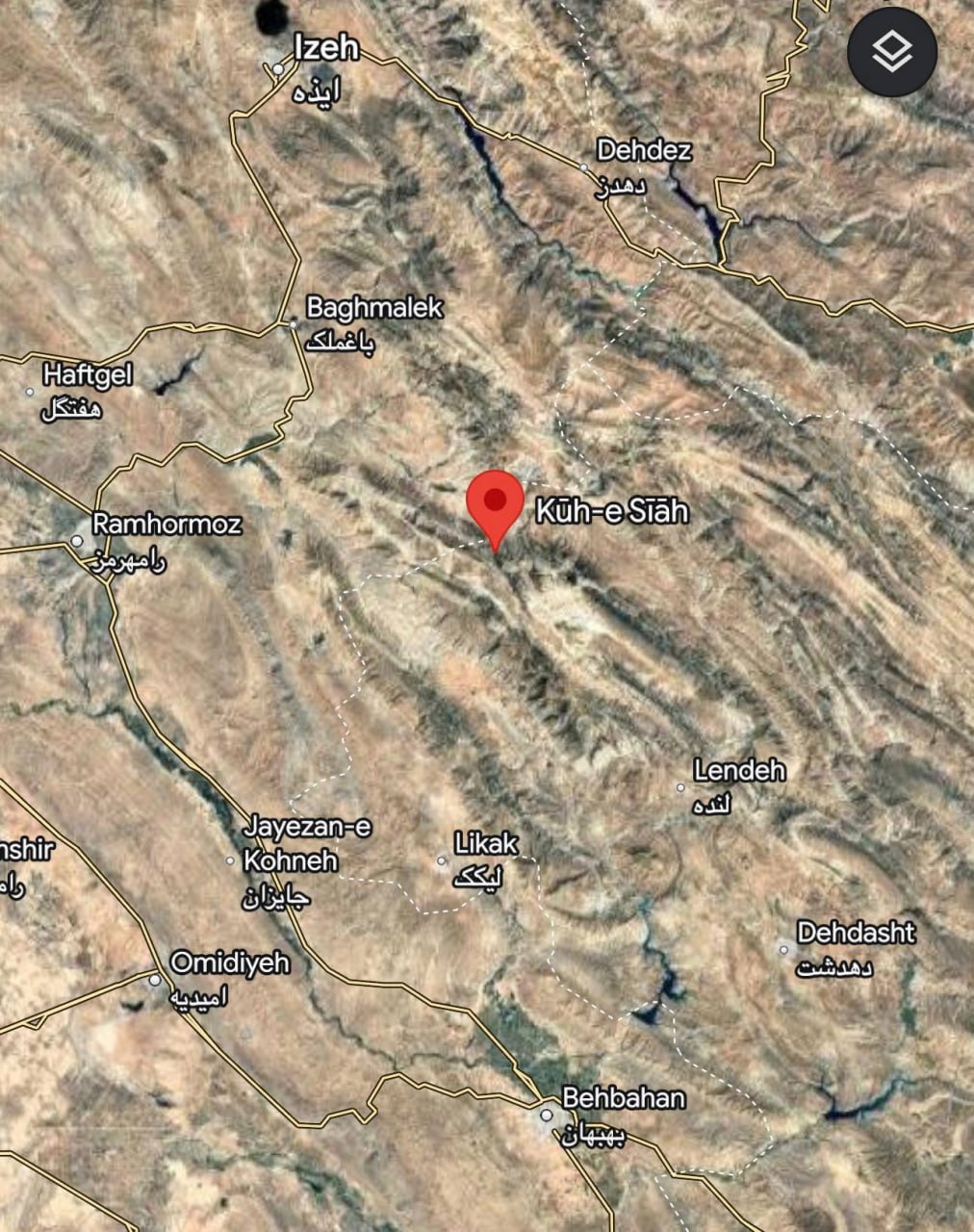
Clashes between US special forces and Iran’s Islamic Revolutionary Guard Corps (IRGC) were reported in Kohgiluyeh and Boyer‑Ahmad Province. At 23:10:22, US Special Forces and IRGC engaged in direct combat while US A‑10 aircraft provided close‑air‑support (BellumActaNews, https://t.me/BellumActaNews/170151). Earlier, at 22:15:22, a US Air Force strike on Black Mountain killed three IRGC ground‑force soldiers (BellumActaNews, https://t.me/BellumActaNews/170147). These engagements indicate a shift from purely aerial operations to combined‑arms actions.
Regional Spill‑over and Retaliatory Threats
Iran’s kinetic actions extended beyond its borders. At 23:42:11, rockets struck Kuwait’s Ministry of Oil building, igniting fires but causing no casualties (BellumActaNews, https://t.me/BellumActaNews/170157). A separate rocket attack hit the Kuwait Petroleum Corporation building at 23:41:26 (rnintel, https://t.me/rnintel/58327). In addition, Iranian drones targeted the Mina Al‑Ahmadi refinery in Kuwait, sustaining a fire for over 24 hours (monitor_the_situation, https://t.me/monitor_the_situation/8086). These attacks demonstrate a broader regional escalation.
"Many of Iran’s Military Leaders, who have led them poorly and unwisely, are terminated, along with much else, with this massive strike in Tehran!" – President Trump, cited by rnintel (https://t.me/rnintel/58313)
Air Defense Interceptions
Iran’s air defense network recorded several successful interceptions. At 14:46:19, a 1,000‑lb AGM‑158 JASSM cruise missile was shot down over Markazi Province (CIG_telegram, https://t.me/CIG_telegram/73159). Earlier, at 08:15:36, US jets were reportedly shot down over Tehran, marking the first US aircraft loss to hostile fire since 2003 (monitor_the_situation, https://t.me/monitor_the_situation/8097). These incidents highlight the increasing risk to foreign aircraft operating over Iranian airspace.
Operational Context and Implications
The intensity and breadth of kinetic events on April 4 suggest a coordinated campaign by the United States and Israel to degrade Iran’s logistical, energy, and military capabilities. The use of diverse platforms—fighter aircraft, bombers, cruise missiles, and drones—across multiple fronts indicates a high level of operational integration. Simultaneously, Iran’s retaliatory strikes on Gulf infrastructure and its air‑defense successes demonstrate a capacity for asymmetric response.
While casualty figures remain limited in many incidents, the cumulative effect of civilian deaths, infrastructure damage, and the risk of escalation to nuclear facilities underscores a heightened threat environment for the region.