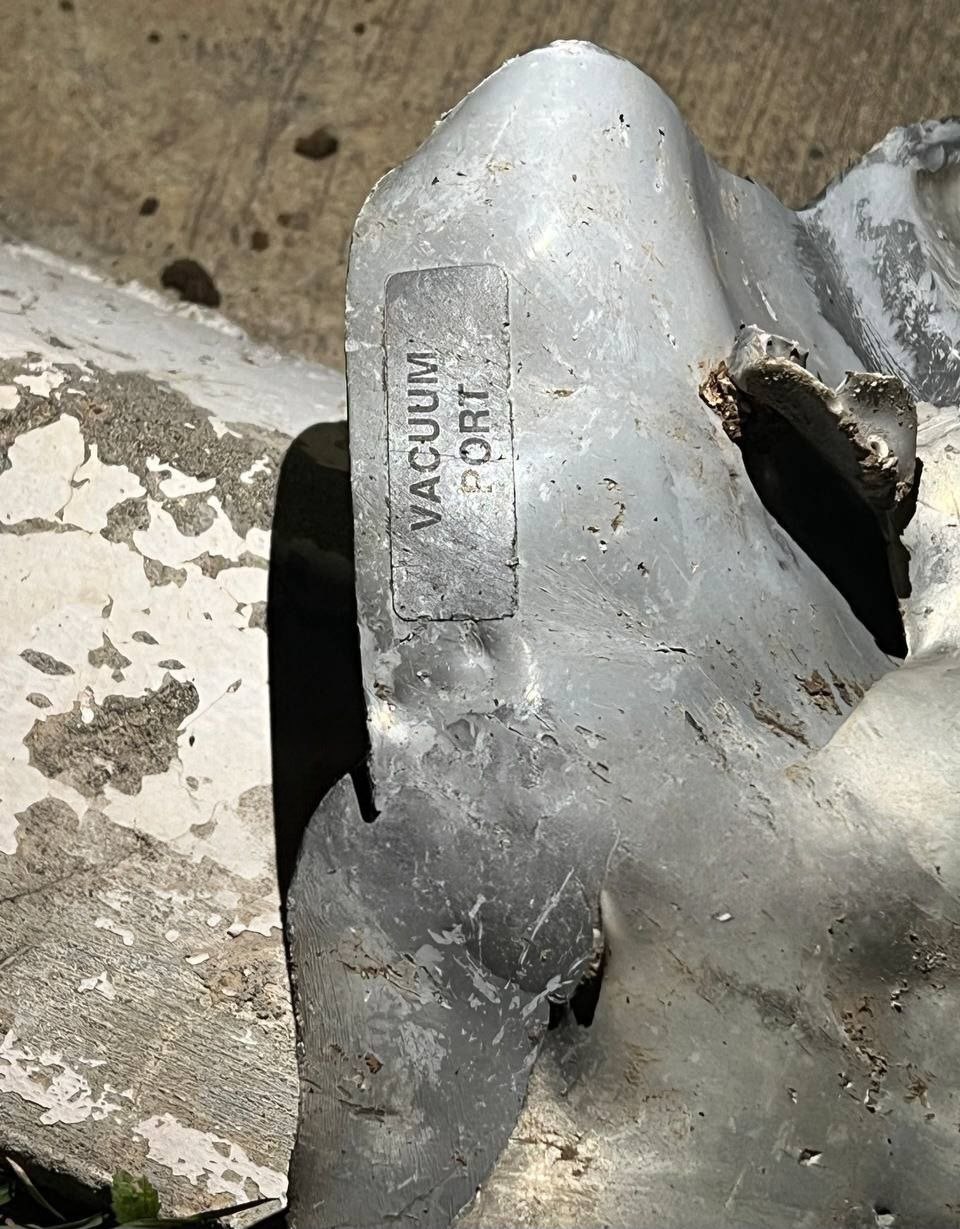
At 00:51 UTC on 4 April 2026, Iranian‑aligned rockets struck U.S. installations in Baghdad, resulting in 13 fatalities and 365 injuries among American service members across the Army, Navy, Marine Corps and Air Force. The U.S. Department of Defense confirmed the toll in a brief released to the monitoring channel monitor_the_situation. The attack marks the deadliest single kinetic event on U.S. forces in Iraq since the 2020‑2022 escalation.
"365 US Servicemen Injured in Iranian Strikes in Iraq" – U.S. Defense Department statement, 4 April 2026 (https://t.me/monitor_the_situation/8039)
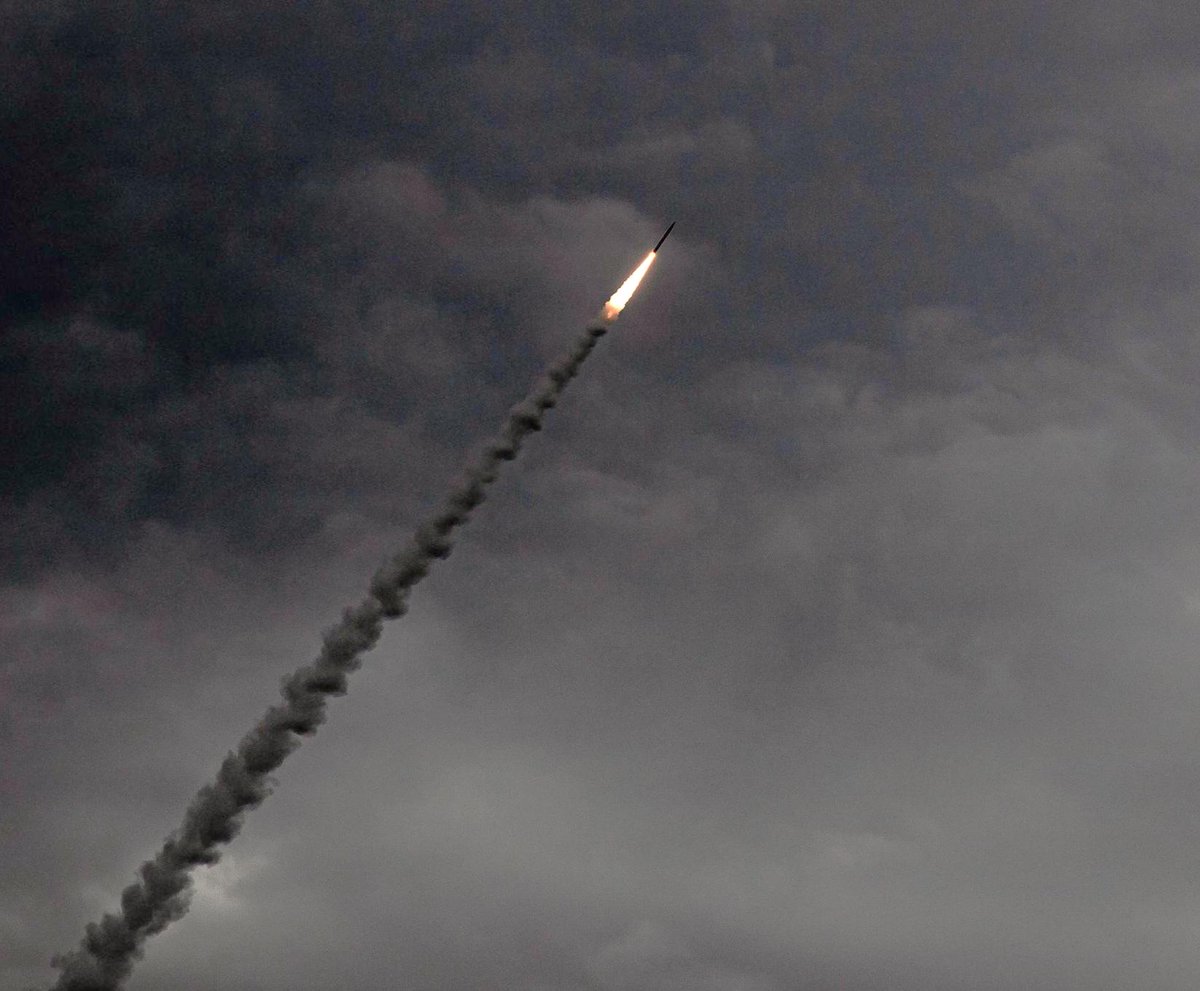
The rockets were reportedly launched from Iranian‑controlled territory and intercepted partially by a U.S. THAAD system over the broader Middle East at 05:25 UTC, as documented by the same channel. While the interceptor neutralised one missile, the remaining projectiles reached their targets, underscoring the limitations of current missile‑defence postures against saturated attacks.
US THAAD Interception Highlights Defensive Gaps
At 05:25 UTC, a U.S. Army THAAD battery engaged an incoming Iranian ballistic missile, deploying a Talon interceptor. Photographic evidence posted by monitor_the_situation shows the launch and impact sequence. Although the system successfully destroyed the missile in flight, the simultaneous launch of multiple rockets overwhelmed the defensive envelope, allowing the majority of warheads to strike ground targets.
Explosions Near Baghdad’s Green Zone
Later in the day, at 15:43 UTC, five separate explosions were reported in the vicinity of the Green Zone, the heavily fortified diplomatic quarter of Baghdad. The source GeoPWatch relayed local eyewitness accounts but did not attribute the blasts to a specific weapon system or perpetrator. No casualties were immediately reported, and the incidents appear to be part of a broader pattern of low‑intensity attacks aimed at destabilising the capital’s security core.
Escalating Drone Activity Across Iraq
From the early afternoon through the evening, a series of unmanned aerial system (UAS) strikes targeted both strategic infrastructure and militia positions in multiple governorates.
Erbil – At 20:20 UTC, drones repeatedly detonated near U.S. military facilities and Kurdish militia installations, according to GeoPWatch. The attacks were described as “repeated explosions” and are attributed to Iranian‑backed operators, though no casualties were confirmed.
Basra – Two separate drone incidents unfolded in the south. At 12:25 UTC, a foreign‑owned storage facility west of Basra’s export terminal was hit, igniting a fire. Minutes later, two additional drones struck the British Petroleum‑operated North Rumalia oilfield, wounding three Iraqi workers. Reuters, cited by GeoPWatch, identified the weapons as small‑payload drones and linked the operation to broader Iranian proxy activity.
Earlier, at 05:25 UTC, an unidentified drone attacked an oil complex in Basra, causing a fire and temporary shutdown of production lines. Video evidence posted by monitor_the_situation shows the impact and subsequent blaze.
Maysan Governorate – Bazurgan Oil Field – At 19:23 UTC, four drones struck a storage facility at the Bazurgan oil field near the Iranian border, damaging tanks and prompting an emergency response. BellumActaNews supplied video footage confirming the strike.
Sulaymaniyah – The Kurdistan Region experienced multiple incidents. At 18:24 UTC, three explosions were reported in the city, with no immediate attribution. At 18:39 UTC, a drone fragment fell in the Mamostayan quarter, indicating a failed or intercepted UAS operation. Both events were documented by BellumActaNews.
Koya – At 16:25 UTC, a drone attack was reported in the town of Koya, though details on damage or casualties remain sparse.
Coordinated Drone and Rocket Campaign by Pro‑Iranian Militia
At 01:20 UTC, the Islamic Resistance in Iraq, a pro‑Iranian militia, claimed responsibility for a coordinated campaign involving 19 drones and rockets targeting multiple U.S. bases across Iraq and the wider Middle East. The statement, posted on monitor_the_situation, aligns with the timing of the Baghdad rocket barrage and suggests a synchronized operational tempo designed to stretch U.S. defensive assets.
While the militia’s claim has not been independently verified, the pattern of simultaneous kinetic attacks—rockets in Baghdad, drones in Erbil, Basra, and the oil‑rich south—indicates a high level of coordination, likely facilitated by Iranian command‑and‑control networks.
Operational Implications
The concentration of kinetic events on 4 April demonstrates a multi‑theater pressure strategy aimed at degrading U.S. force readiness and disrupting Iraq’s energy infrastructure. The casualty figures from the Baghdad rocket strike represent the most severe single‑day loss of U.S. life in the region since the 2020 escalation, prompting immediate reassessment of force protection protocols.
U.S. defensive systems, including THAAD, proved capable of intercepting high‑altitude ballistic threats but were less effective against low‑observable, high‑volume rocket salvos and small‑payload drones. The incidents underscore the need for layered air‑defence architectures that integrate point‑defence systems, electronic warfare, and rapid‑response kinetic interceptors.
For Iraqi authorities, the repeated strikes on oil facilities—particularly at Bazurgan and North Rumalia—pose a direct threat to national revenue streams and energy security. The attacks also risk inflaming sectarian tensions, as Kurdish militia assets in Erbil and Sulaymaniyah were explicitly targeted.
Overall, the events of 4 April reflect an intensifying kinetic campaign by Iranian‑aligned actors, leveraging both conventional rockets and increasingly sophisticated drone platforms to achieve strategic disruption across Iraq.