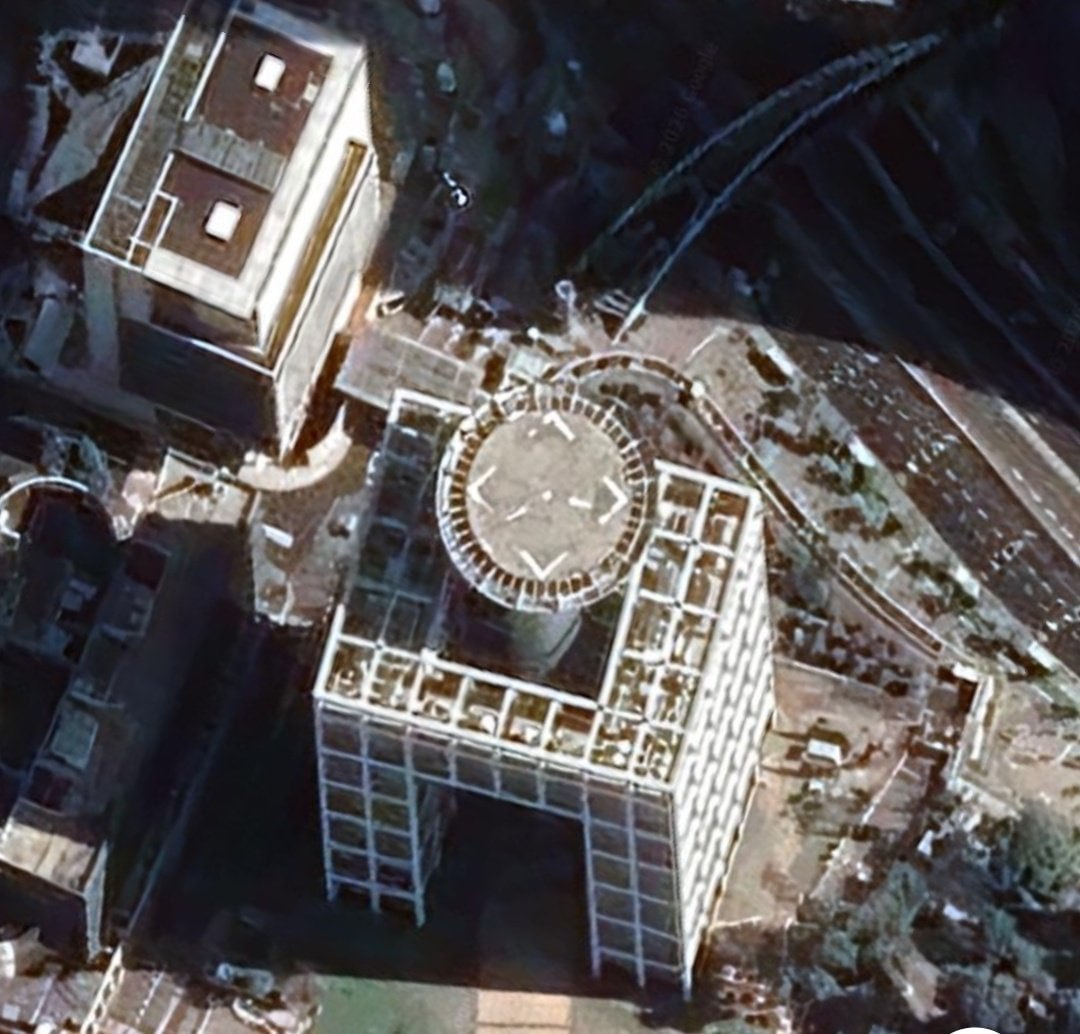
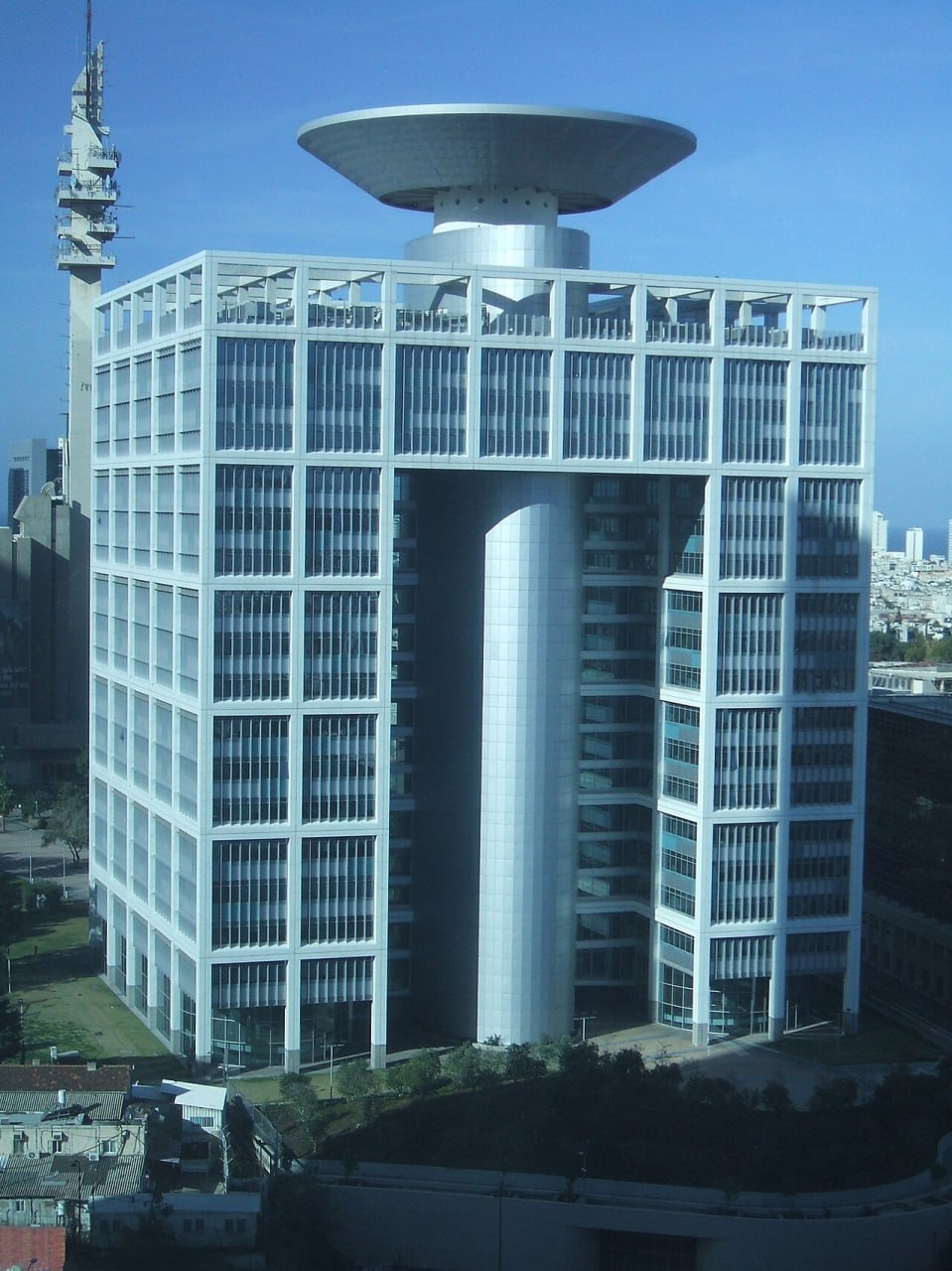
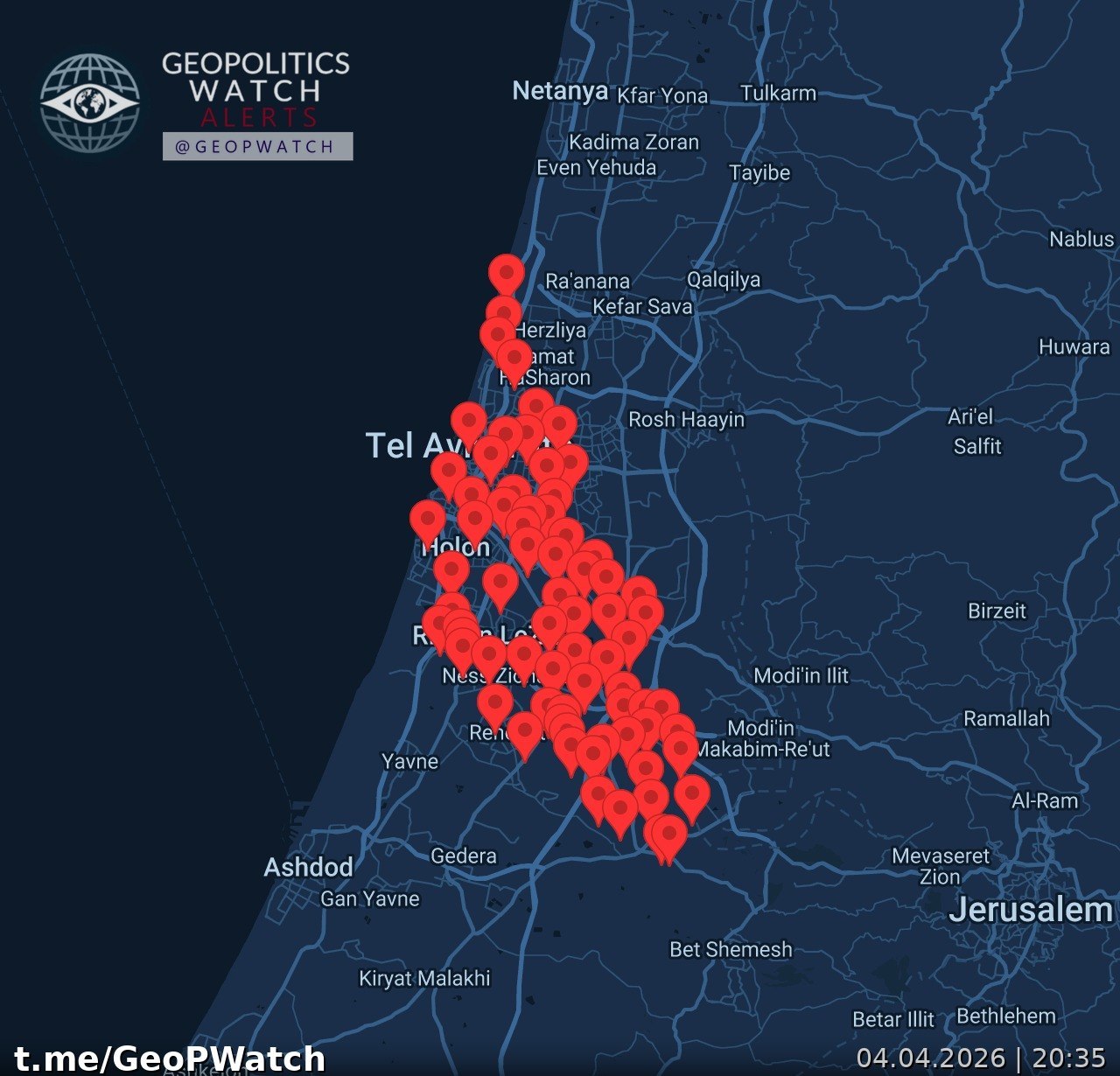
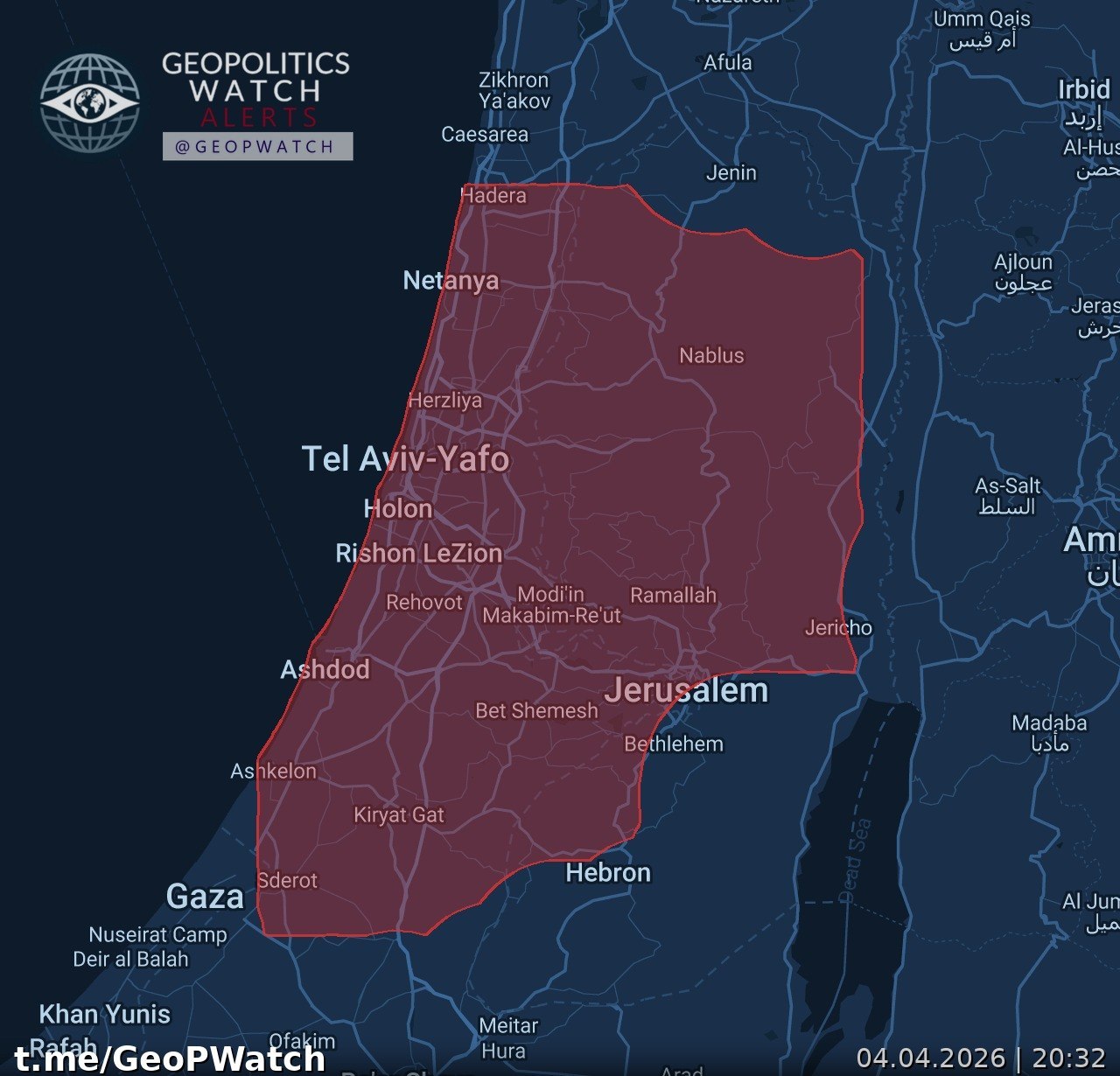
At 17:50 local time, an Iranian missile struck a parking lot adjacent to Israel’s Ministry of Defence in the HaKyria district of Tel Aviv, causing structural damage and injuring several personnel, according to the CIG_telegram channel (source). The impact marked the most lethal kinetic event of the day and underscored the expanding reach of Iranian long‑range weaponry against high‑value Israeli targets.
Chronology of High‑Severity Kinetic Events
Following the Tel Aviv strike, a series of coordinated attacks unfolded across the country:
- 17:46 – Yemen’s Ansarullah Houthis launched a ballistic missile that landed in an open area in Israel, confirmed by the IDF and reported by GeoPWatch (source).
- 17:36 – Red alert sirens were issued for Tel Aviv after unidentified aerial activity, as noted by GeoPWatch (source).
- 17:32 – Iranian missiles were reported heading toward central Israel (source).
- 16:36 – The IDF acknowledged failures in its air‑defence network after missiles impacted Dimona and Arad, prompting a statement from the chief of the Air Defence Systems, Colonel L. (source).
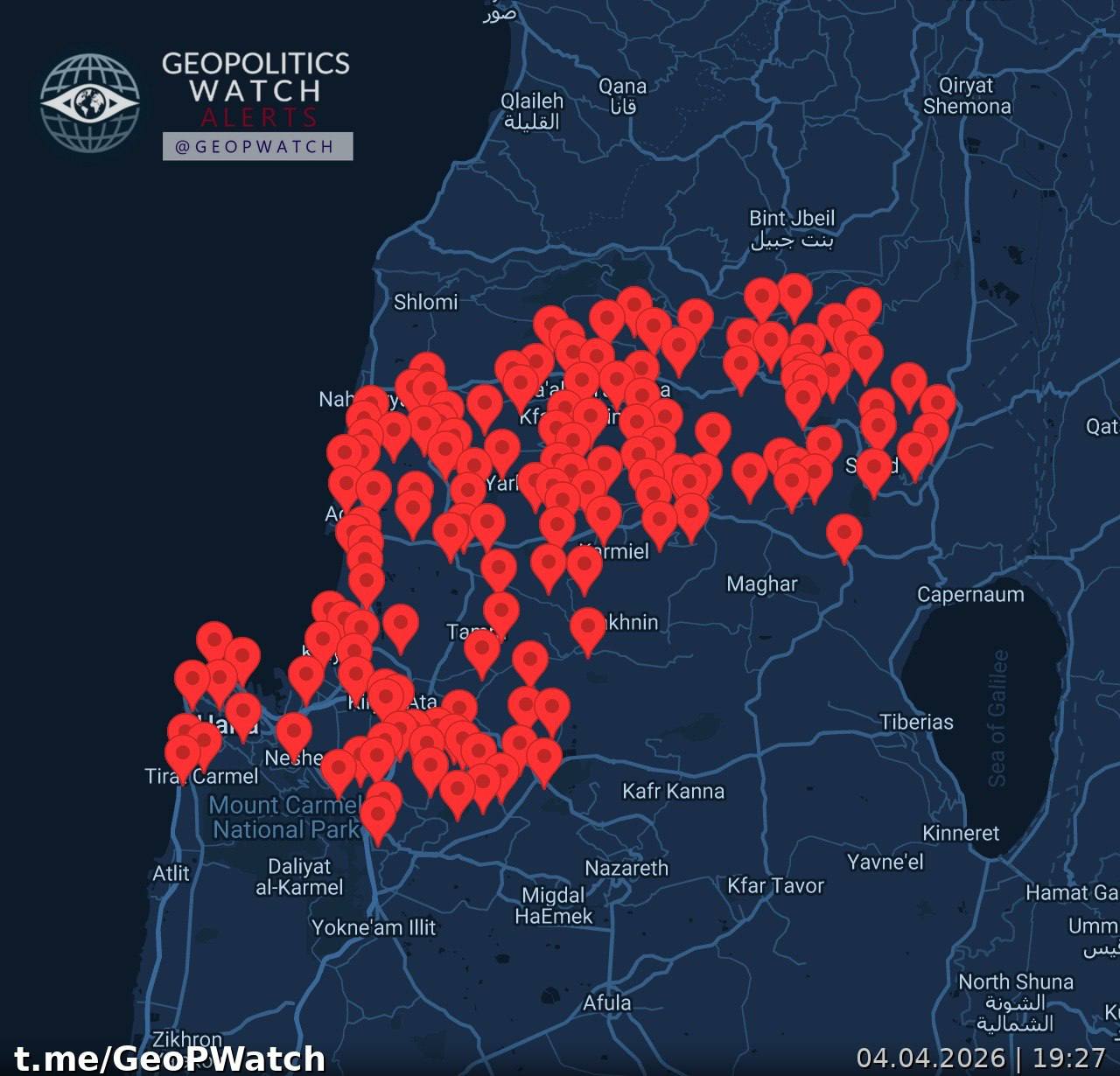
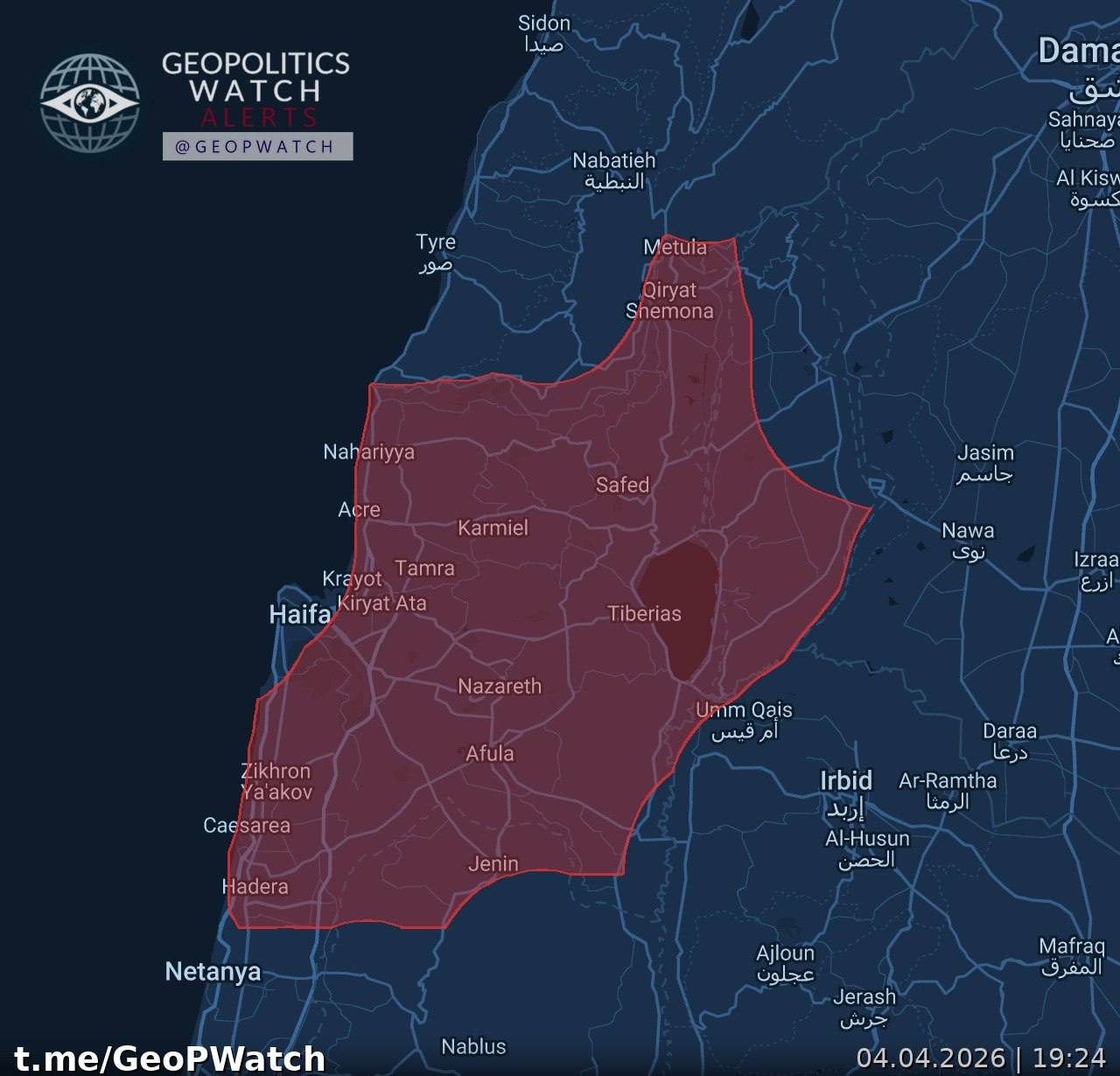
- 16:28 – Red alerts were issued for Haifa and border towns amid a suspected IRGC rocket launch (source).
- 16:25 – Early warning of a potential ballistic missile attack on northern Israel (source).
- 16:24 – The Islamic Revolutionary Guard Corps (IRGC) launched a ballistic missile toward central Israel (source).
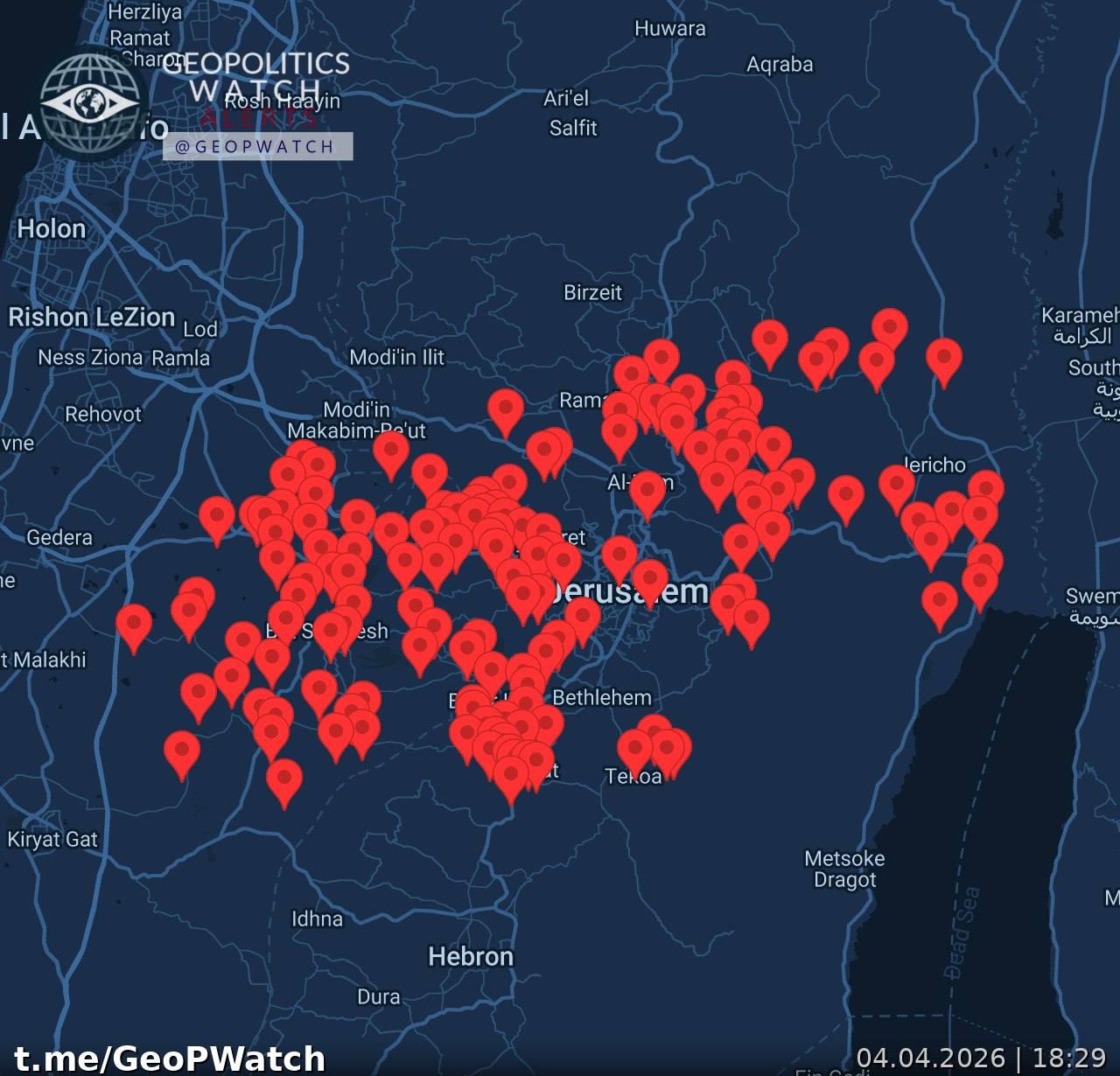
- 15:33 – Israel fired seven interceptor missiles from Jerusalem in response to inbound threats (source).
- 15:30 – Red alerts were issued for a late‑detected missile targeting Jerusalem (source).
- 15:08 – An Iranian ballistic missile struck the Aero‑Sentinel drone factory in Petah Tikva, causing extensive damage (source).
- 12:40 – Cluster munition impacts were confirmed in the greater Tel Aviv area after an Iranian ballistic missile launch (source).
- 12:36 – Missile fragments fell near Tel Aviv with no casualties reported (source).
- 11:40 – A Hezbollah rocket hit Kiryat Shmona, captured on CCTV (source).
- 08:45 – Iran fired a ballistic missile at Eilat, a southern Red Sea port (source).
- 08:29 – A ballistic missile struck the ADAMA chemicals plant in the Neot Hovav industrial zone near Beersheba (source).
Air‑Defense Interceptions and System Performance
Israel’s multi‑layered air‑defence architecture engaged several inbound projectiles. Interceptor missiles launched from Jerusalem at 15:33 successfully neutralised at least one ballistic trajectory, though debris from an intercepted Iranian projectile ignited vehicles in Ramat Gan at 14:40 (Al Jazeera). The IDF’s admission of air‑defence lapses after the Dimona‑Arad strikes highlights the strain on detection and engagement cycles when faced with simultaneous high‑speed threats.
"Our air defence system is the best in the world, but it is not hermetic. There are mistakes, there are malfunctions," Colonel L., chief of the IDF Air Defence Systems, told reporters.
These statements align with independent observations that several missiles, including cluster‑munitions, reached populated zones despite the activation of the Iron Dome and Arrow systems.
Civilian Casualties and Infrastructure Damage
Confirmed injuries were reported from the Tel Aviv Ministry of Defence parking lot strike; exact numbers remain unverified pending official tallies. Additional civilian impact includes:
- Vehicle fires in Ramat Gan caused by interceptor debris.
- Significant structural damage at the Aero‑Sentinel drone factory in Petah Tikva.
- Industrial disruption at the ADAMA chemicals plant, though no hazardous leaks were detected.
- Cluster munition fragments scattered across residential neighborhoods in Tel Aviv, prompting shelter orders.
Despite the breadth of attacks, several alerts—such as those in Bnei Brak and Kiryat Shmona—did not result in reported casualties, indicating that early warning sirens and public shelter protocols remained effective in many locales.
Regional Actors and Attribution
The kinetic events involved a spectrum of state and non‑state actors:
- Iran – Direct missile launches targeting central and southern Israel, including Tel Aviv, Eilat, and the Neot Hovav industrial zone.
- IRGC – Ballistic missile launches toward central and northern Israel, as reported by GeoPWatch.
- Ansarullah Houthis (Yemen) – Ballistic missile landing in an open area, confirmed by the IDF.
- Hezbollah (Lebanon) – Rocket strikes on Kiryat Shmona and a drone attack on northern positions.
These coordinated actions suggest a multi‑front escalation aimed at stretching Israel’s defensive capacity and signaling regional solidarity against Israeli operations in Gaza and elsewhere.
Assessment
The April 4 kinetic surge represents one of the most intense days of missile activity directed at Israel since the 2023 escalation. The convergence of Iranian long‑range missiles, Houthi ballistic capabilities, and Hezbollah rocket fire created overlapping threat envelopes that challenged detection, interception, and civilian protection systems. While Israel’s air‑defence network intercepted several projectiles, the successful impacts on high‑value sites—particularly the Ministry of Defence parking lot and the Aero‑Sentinel facility—demonstrate a growing proficiency in Iranian strike planning and execution.
Continued monitoring of launch signatures, interception success rates, and post‑impact assessments will be essential for evaluating the durability of Israel’s layered defence architecture and for anticipating further escalation patterns.