On 4 April 2026 the conflict landscape broadened dramatically as coordinated airstrikes by the United States and Israel targeted Iranian academic and industrial infrastructure, while Israel experienced a wave of rocket alerts across multiple districts. The combined kinetic actions underscore a rapid escalation that involves state and non‑state actors, advanced weaponry, and cross‑border engagements.
US‑Israel Airstrikes on Iranian Universities and Petrochemical Facilities
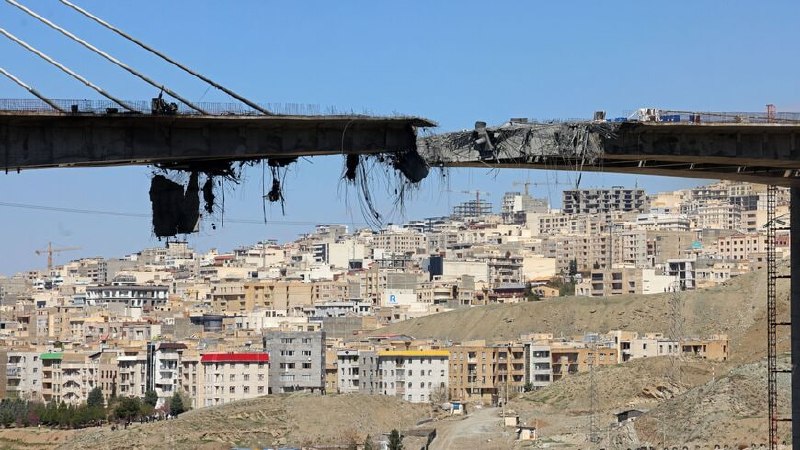
At 19:17 UTC, Al Jazeera reported that at least thirty Iranian universities had been struck by joint US‑Israeli operations since the onset of the broader war. The strikes, described as part of a campaign to degrade Iran’s scientific and military capabilities, were conducted with precision‑guided munitions launched from undisclosed platforms. No casualty figures were released, but the targeting of educational institutions signals a strategic intent to impair long‑term research and development.
Source: Al Jazeera – Universities hit as US‑Israel ramp up attacks on Iran’s infrastructure
Later, at 09:11 UTC, BellumActaNews relayed statements from Israeli Army Radio indicating that a series of bombings had been carried out against Iranian petrochemical factories. The official narrative framed the attacks as a broader effort to cripple Iran’s economic base, with the expectation of “significant damage” to the targeted facilities. Again, specific damage assessments and casualty numbers were not disclosed.
Source: BellumActaNews – Bombing of Iranian petrochemical factories
These air operations were complemented by preparatory moves from the US Air Force. At 05:28 UTC, monitor_the_situation confirmed that a B‑2 Spirit stealth bomber was undergoing final checks for a forthcoming strike mission against Iran, indicating a readiness to expand the kinetic envelope further.
Source: monitor_the_situation – US B‑2 bomber preparation
Widespread Rocket Alerts Over Israeli Territory
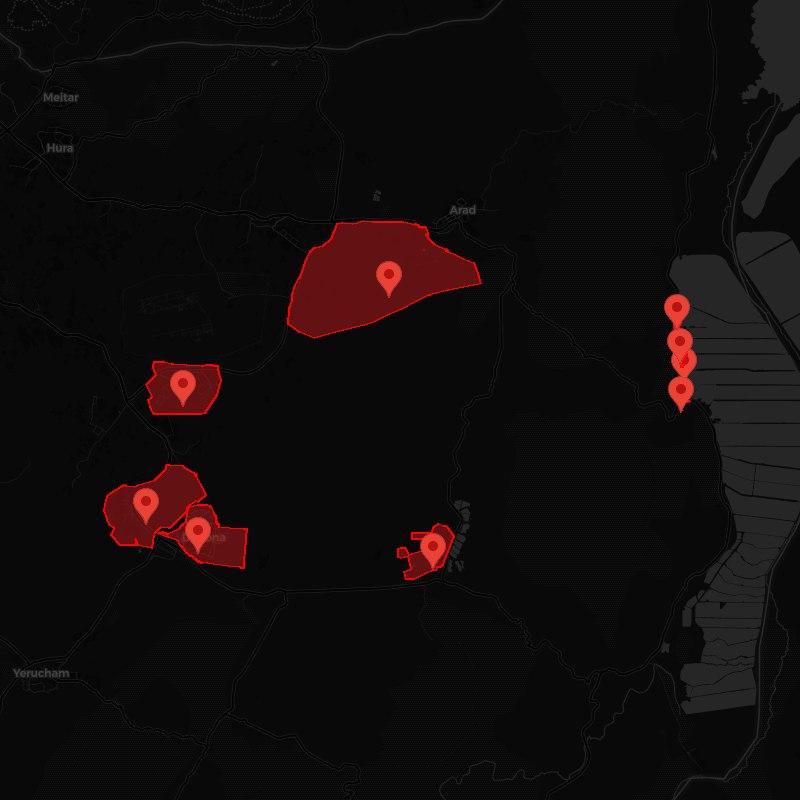
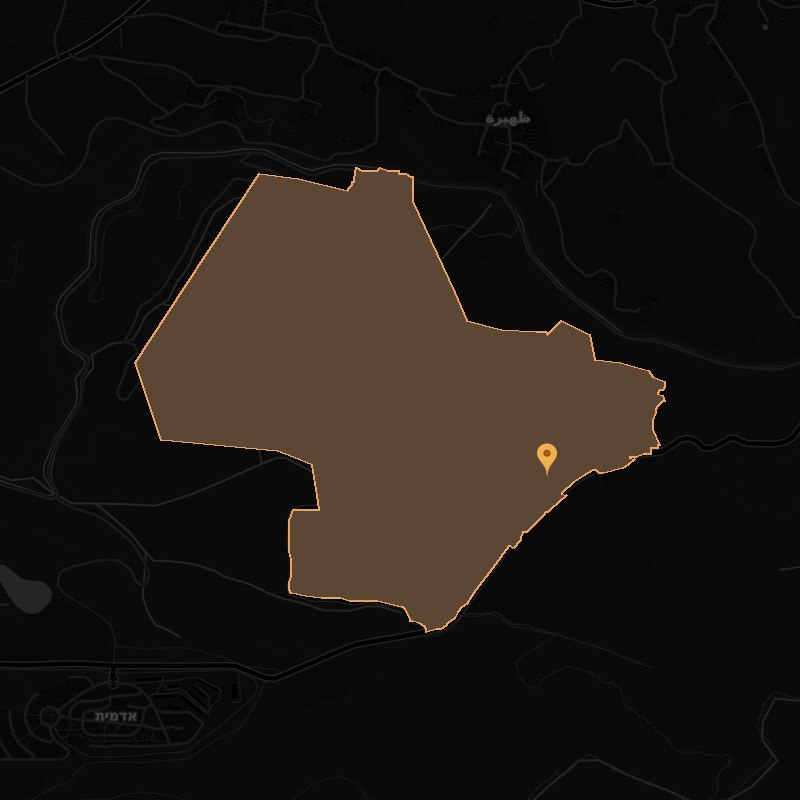
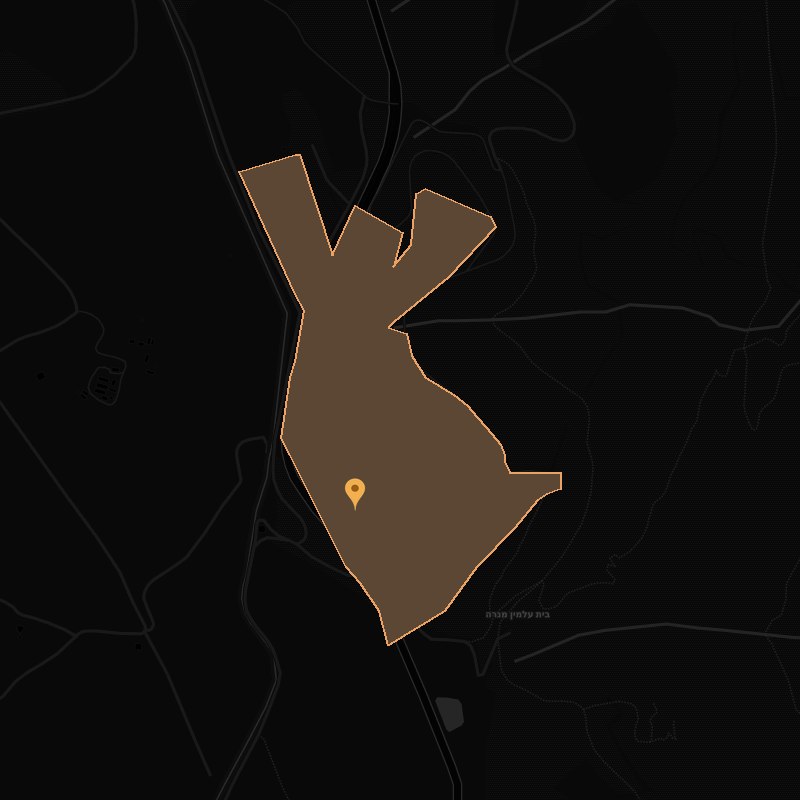
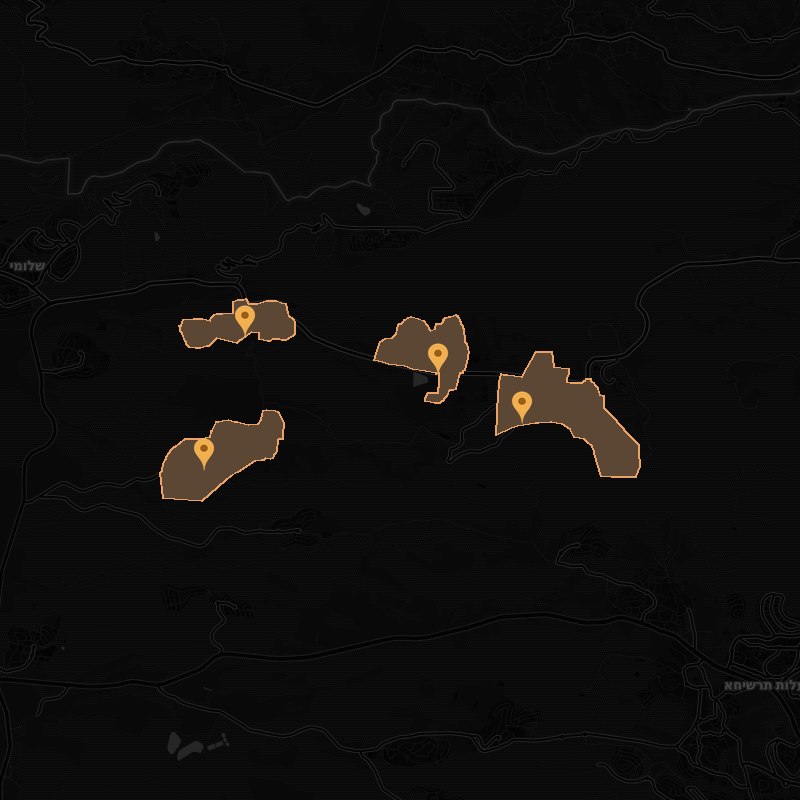
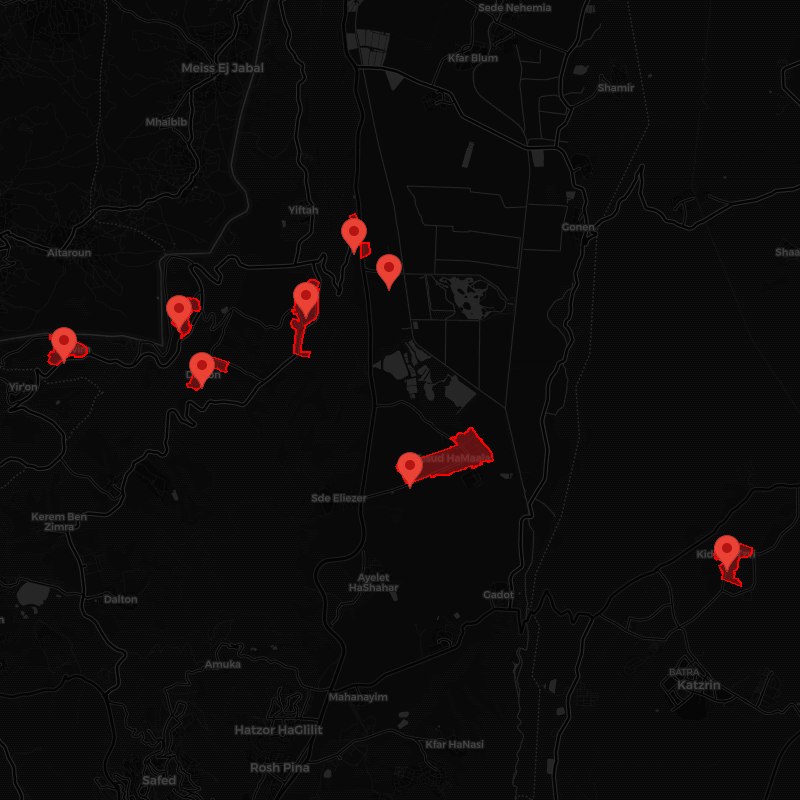
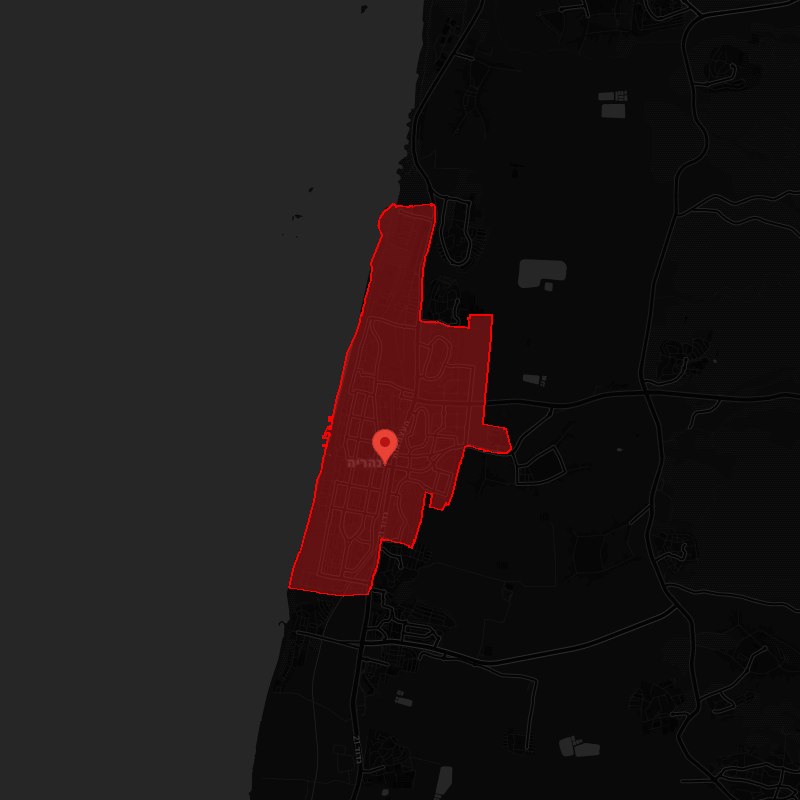
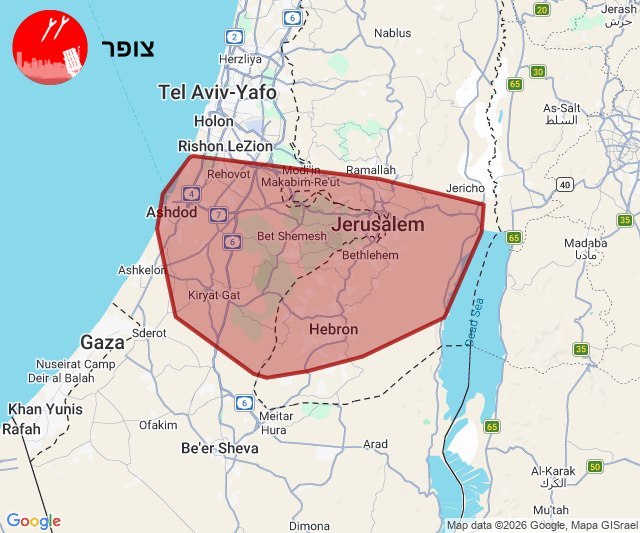
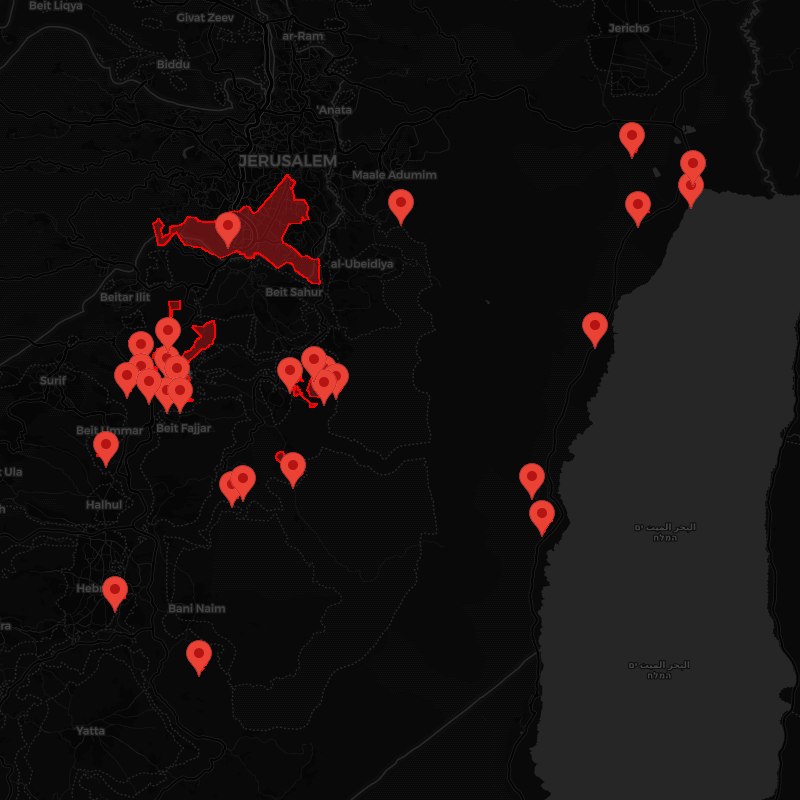
Concurrent with the strategic strikes, Israel faced an unprecedented series of rocket alerts reported by multiple open‑source channels. RocketAlert, the primary aggregator, logged at least fifteen high‑severity alerts between 04:27 UTC and 22:42 UTC, covering a geographic spread that included the Southern Negev, the Dead Sea region, the Upper Galilee, the Confrontation Line, and densely populated urban centers such as Tel Aviv, Ramat Gan, and Haifa‑adjacent districts.
Key locations under alert included:
- Southern Negev: El For'eh, Dimona, Qasr al‑Sir, Rotem Industrial Zone, Ar'ara BaNegev
- Dead Sea: Neveh Zohar, Ein Bokek, multiple hotel complexes
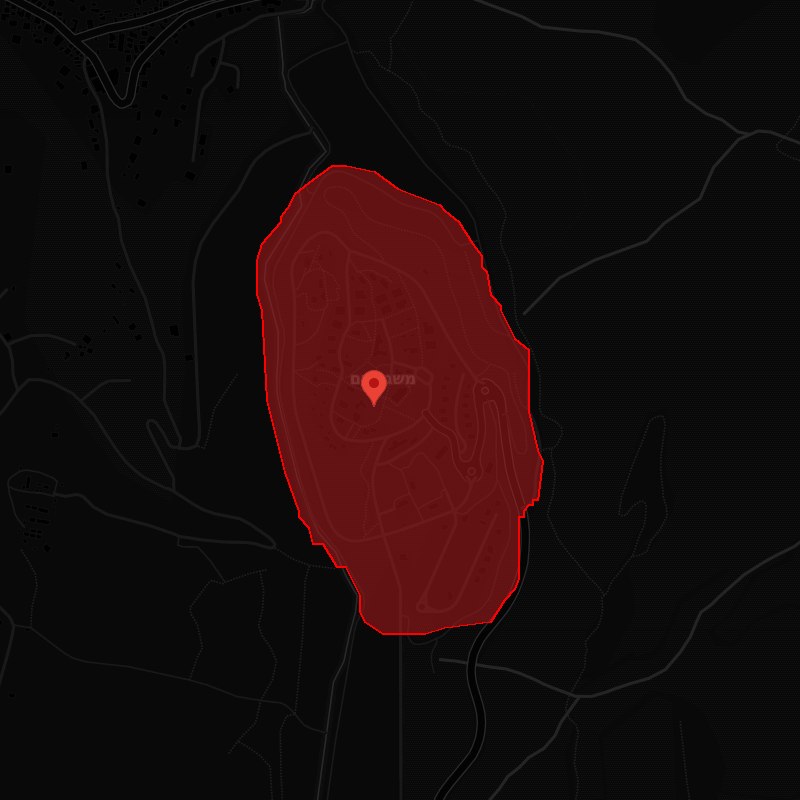
- Upper Galilee: Karmiel, Meron, Safed, Bar Lev Industrial Zone, and numerous smaller communities
- Confrontation Line: Ramot Naftali, Lev Ha‑Hula, Dishon, Avivim, Mevuot, Malkia
Although the alerts did not specify weapon types, the absence of reported casualties suggests that many rockets were intercepted, fell short, or impacted unpopulated zones. The sheer volume of alerts, however, strained civil defense resources and highlighted the persistent threat of short‑range projectile attacks.
Source: RocketAlert – Multiple alerts on 4 April 2026
Missile Interceptions and UAV Activity
Interception events added another layer of complexity. At 17:40 UTC, BellumActaNews confirmed that a missile launched from Yemen toward Israel was successfully intercepted, demonstrating the effectiveness of Israel’s missile defense architecture. Earlier, at 03:51 UTC, Al Jazeera reported Iran’s claim of downing two US warplanes, a statement that underscores the heightened risk of direct confrontation between the United States and Iran.
Source: BellumActaNews – Yemen‑to‑Israel missile intercepted
Source: Al Jazeera – Iran claims downing two US warplanes
Hostile UAV alerts were also frequent. RocketAlert recorded six UAV incidents across locations such as Arab al‑Aramshe, Manara, Eilon, Ya’ara, Avdon, Goren, and Margaliot. While the alerts did not detail weapon payloads, the presence of hostile drones raises concerns about low‑altitude threats that can evade traditional radar and require rapid response from ground‑based air defense units.
Source: RocketAlert – Hostile UAV at Arab al‑Aramshe
Regional Ground Movements and Additional Kinetic Actions
Beyond aerial engagements, medium‑severity reports indicated ground clashes and special operations. At 22:36 UTC, GeoPWatch documented clashes between Iranian IRGC soldiers and American CSAR (Combat Search and Rescue) troops inside Iran, suggesting that US forces are operating within Iranian territory in response to downed aircraft incidents.
Source: GeoPWatch – IRGC vs US CSAR ground clashes
Similarly, at 05:54 UTC, intelslava reported that US Army commando units had commenced a ground operation inside Iran to locate the crew of a downed F‑15E, further illustrating the expansion of kinetic activities beyond conventional air‑to‑air or air‑to‑ground domains.
Source: intelslava – US Army commando operation in Iran
Iranian forces also demonstrated anti‑air capabilities. At 09:37 UTC, intelslava cited Iranian air defenses shooting down an Emirati MQ‑1 Predator drone and damaging a US A‑10 Thunderbolt, which later crashed in Kuwait. These incidents reflect Iran’s growing proficiency in integrated air defense and its willingness to target both regional and extra‑regional assets.
Source: intelslava – Iran shoots down MQ‑1 and damages A‑10
Hezbollah Drone Strikes in Lebanon
On the northern front, intelslava reported that Hezbollah FPV (first‑person view) drones struck an Israeli Caterpillar D9 bulldozer and a Merkava Mk.4M tank in Lebanon. The report highlighted operator inexperience, noting that the drone approached the tank from below, exploiting a vulnerability in the vehicle’s under‑belly armor.
Source: intelslava – Hezbollah FPV drone attacks
These engagements, while limited in scale, illustrate the multi‑theater nature of the conflict, where state actors, proxy forces, and non‑state militias employ a range of kinetic tools from ballistic missiles to MANPADS and UAVs.
Summary of the Day’s Kinetic Landscape
The events of 4 April 2026 reveal a conflict that is no longer confined to isolated fronts. Strategic airstrikes against Iranian infrastructure, a dense pattern of rocket alerts over Israeli civilian areas, successful missile interceptions, and a proliferation of hostile UAV activity collectively point to an intensifying kinetic environment. The involvement of multiple national militaries—United States, Israel, Iran, Yemen, and Russia—alongside proxy forces such as Hezbollah and IRGC units, underscores the risk of rapid escalation.
Monitoring agencies should continue to track the frequency and accuracy of rocket and UAV alerts, assess the effectiveness of missile defense systems, and evaluate the strategic impact of strikes on Iran’s academic and industrial capacities. The convergence of air, ground, and cyber‑enabled kinetic actions suggests that future developments may involve coordinated multi‑domain operations.