Four civilians were killed and more than 30 injured when Russia launched a coordinated swarm of over 400 unmanned aerial vehicles (UAVs) across Ukrainian airspace, striking multiple targets in Kyiv and surrounding regions. The attack, reported by the Telegram channel monitor_the_situation, represents the most lethal kinetic event of the day and underscores the intensifying use of mass‑drone tactics in the Russia‑Ukraine war.
Ukraine: Massive Drone Swarm and Parallel Counter‑Strikes
The Russian UAV barrage, described as a “mass attack” in the channel’s summary, resulted in four civilian deaths and at least 30 injuries. Damage assessments indicate hits on residential blocks, a power substation and a municipal water facility. Ukrainian forces responded with a long‑range missile strike on the Bashneft oil refinery in Ufa, Russia, as detailed by monitor_the_situation. The strike ignited a fire at the refinery and hit additional military sites in Zaporizhzhia, Donetsk and Dnipropetrovsk, demonstrating Kyiv’s expanding deep‑strike capability.
"Ukrainian forces have demonstrated the ability to strike strategic Russian infrastructure far beyond the front line," a senior Ukrainian defense official told the channel.
Other notable Ukrainian kinetic actions on April 3 included a drone‑destroyed Russian Buk‑M1 air‑defence system near Liubymivka (source: monitor_the_situation/7906) and a drone‑assisted attack on a Russian armored vehicle near Kostiantynivka that killed two Russian troops (source: monitor_the_situation/7908).
Middle East: Iranian Drone and Missile Campaigns
Iran escalated its regional campaign with multiple kinetic operations. A Shahed‑131/136 drone struck a target in Kuwait City (monitor_the_situation/7854), while a separate Iranian drone attack on the Habshan gas processing complex in Abu Dhabi caused at least one fatality and forced a temporary shutdown (CIG_telegram/73123). Iranian forces also launched a direct impact on Israel, reported by Magen David Adom (GeoPWatch/30540), and fired ballistic missiles toward Israel (RocketAlert/58252). The Iranian missile debris that fell on the Habshan facilities in Abu Dhabi (CIG_telegram/73072) and the missile strike on the Mina Al‑Ahmadi refinery in Kuwait (rnintel/58161) illustrate a pattern of targeting energy infrastructure across the Gulf.
"Iran’s missile and drone strikes are intended to cripple the energy sector of its adversaries and signal its reach beyond its borders," an analyst at the Gulf Research Center noted.
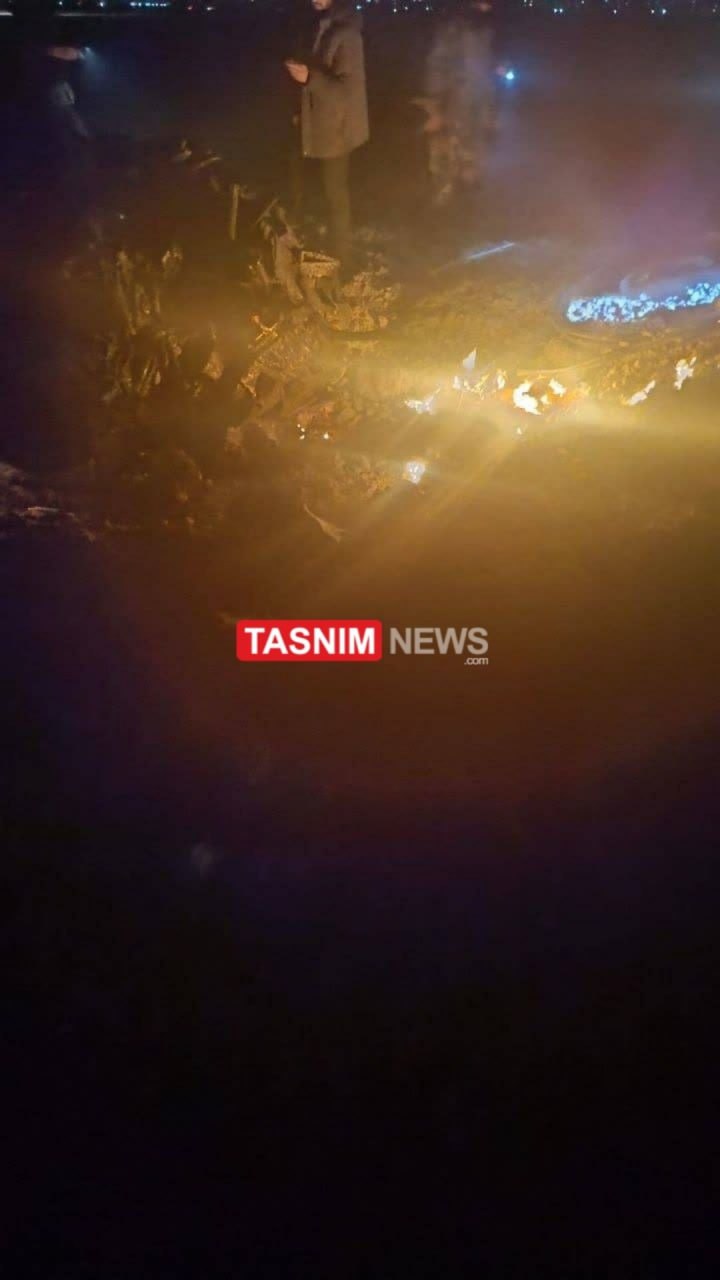
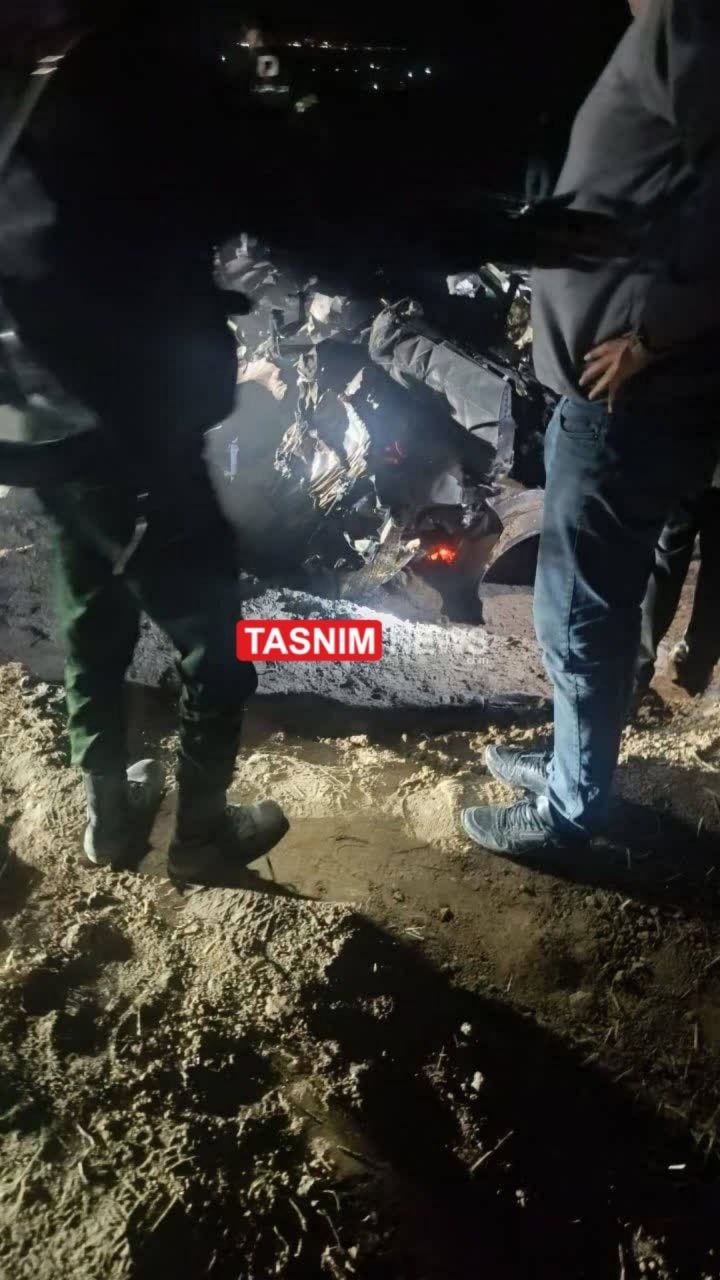
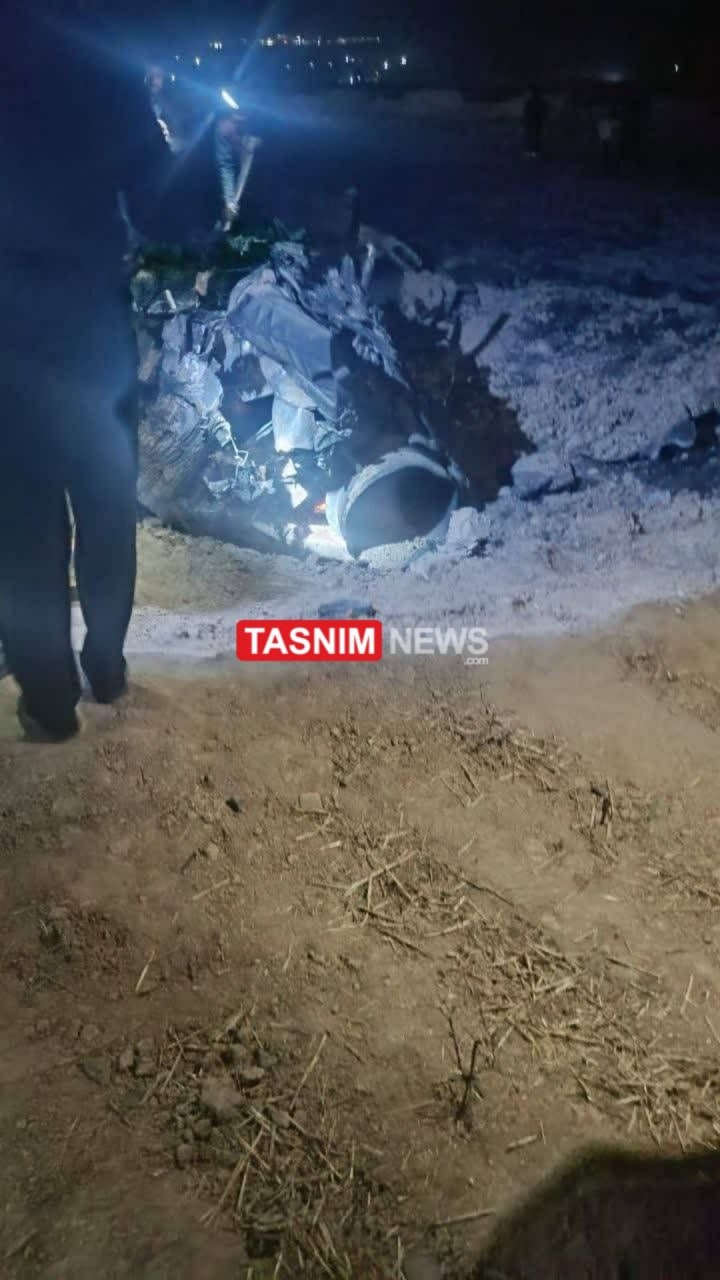
Additional Iranian kinetic actions included the destruction of a Bahrain early‑warning radar with kamikaze drones (GeoPWatch/30522) and the alleged downing of a U.S. F‑16 over Iran, confirmed by Tasnim News (rnintel/58243).
US‑Iran Aerial Confrontations
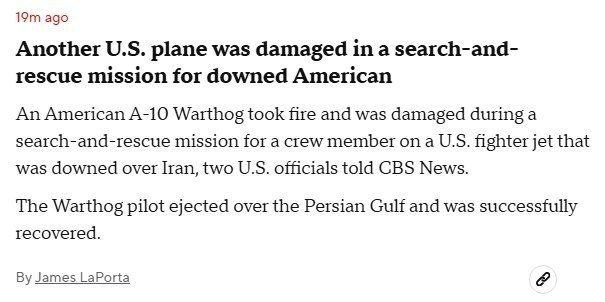
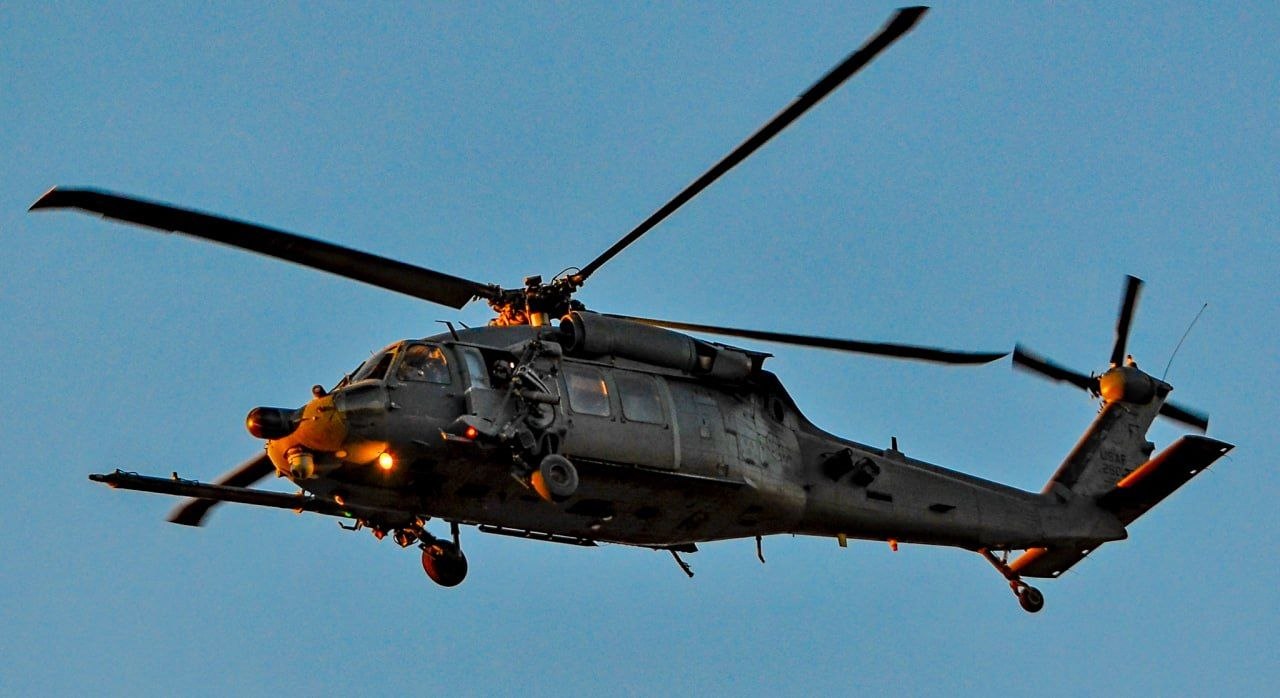
The United States suffered several high‑profile losses. Pentagon data for Operation Epic Fury recorded 13 U.S. deaths and 365 wounded, primarily Army personnel (monitor_the_situation/7993). A U.S. Black Hawk helicopter was reportedly shot down by Iranian fire near the Iran‑Iraq border (intelslava/85838), and an A‑10 C Warthog was downed by Iranian air defenses (CIG_telegram/73130). The White House confirmed that former President Donald Trump was briefed on the downing of a U.S. fighter jet over Iran (AlJazeera/2026‑04‑03‑what‑we‑know‑about‑the‑us‑fighter‑jet‑shot‑down‑in‑iran). Additionally, Iranian forces engaged two U.S. Black Hawk helicopters and an A‑10 over Manama, Bahrain, injuring crew and causing the A‑10 to crash (intelslava/85845).
Israel‑Hezbollah Border Violence
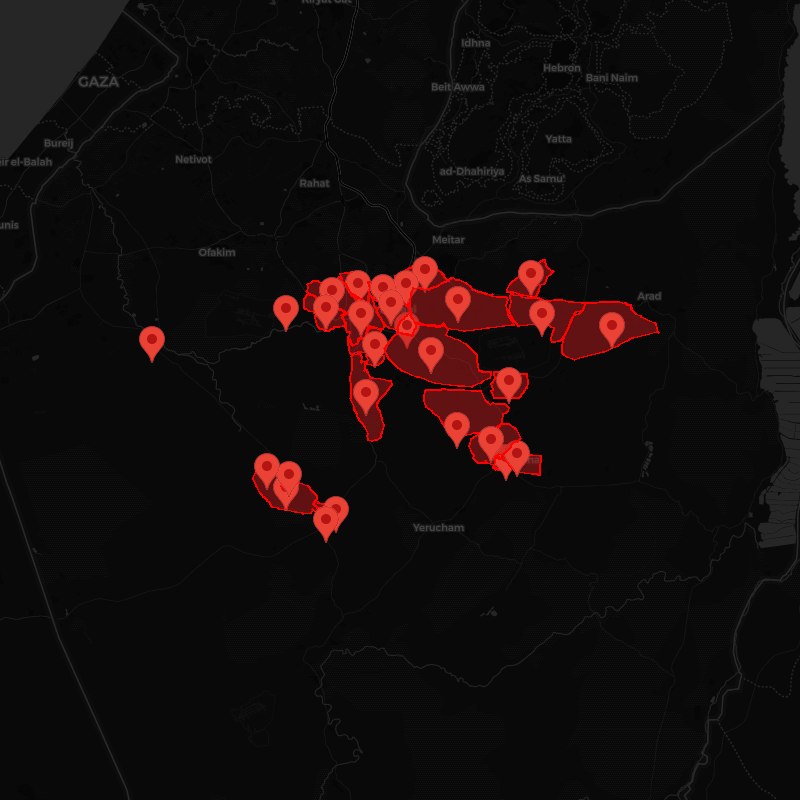
Israel continued its cross‑border operations against Hezbollah in southern Lebanon. An Israeli tank fired on a farm in Rafid, Quneitra Governorate, Syria, killing a Syrian civilian (rnintel/58212). In the Bekaa Valley, Israeli forces killed two people and wounded fifteen (monitor_the_situation/7999). A separate Israeli tank strike in southern Syria killed one person (monitor_the_situation/8001). Hezbollah responded with rocket and missile fire, launching seven rockets toward northern Israel (monitor_the_situation/7959) and an Almas anti‑tank missile that destroyed an Israeli Merkava Mk.4M tank in southern Lebanon (intelslava/85837). The group also claimed the destruction of an Israeli Merkava tank in Houla using an ATGM (GeoPWatch/30550).
Regional Infrastructure Attacks and Interceptions
Multiple kinetic attacks targeted civilian and strategic infrastructure. The United States struck a bridge in Tehran and positions in the Strait of Hormuz (monitor_the_situation/8004). Qatar intercepted several drone attacks over Doha (monitor_the_situation/7962). Saudi Arabia shot down six hostile drones near Riyadh (monitor_the_situation/7863) and later five more (monitor_the_situation/7847). The United Arab Emirates intercepted 18 ballistic missiles and 47 drones over Abu Dhabi, protecting key facilities (monitor_the_situation/7915). In Kuwait, Iranian missiles hit a power and desalination plant (rnintel/58169) and a missile strike on the Mina Al‑Ahmadi refinery caused multiple fires (rnintel/58161).
Summary
The kinetic landscape on April 3, 2026, was defined by large‑scale UAV swarms, missile barrages, and targeted strikes across several theaters. Russia’s unprecedented 400‑drone assault on Ukraine marked a new escalation in aerial warfare, while Iran’s coordinated drone and missile campaign threatened energy hubs throughout the Gulf. The United States faced multiple aircraft losses in direct confrontations with Iranian air defenses, and Israel‑Hezbollah hostilities produced casualties on both sides. Interception capabilities in Qatar, Saudi Arabia, the UAE and other states mitigated some of the threats, yet the frequency and geographic spread of kinetic events suggest a deepening of regional conflict dynamics.