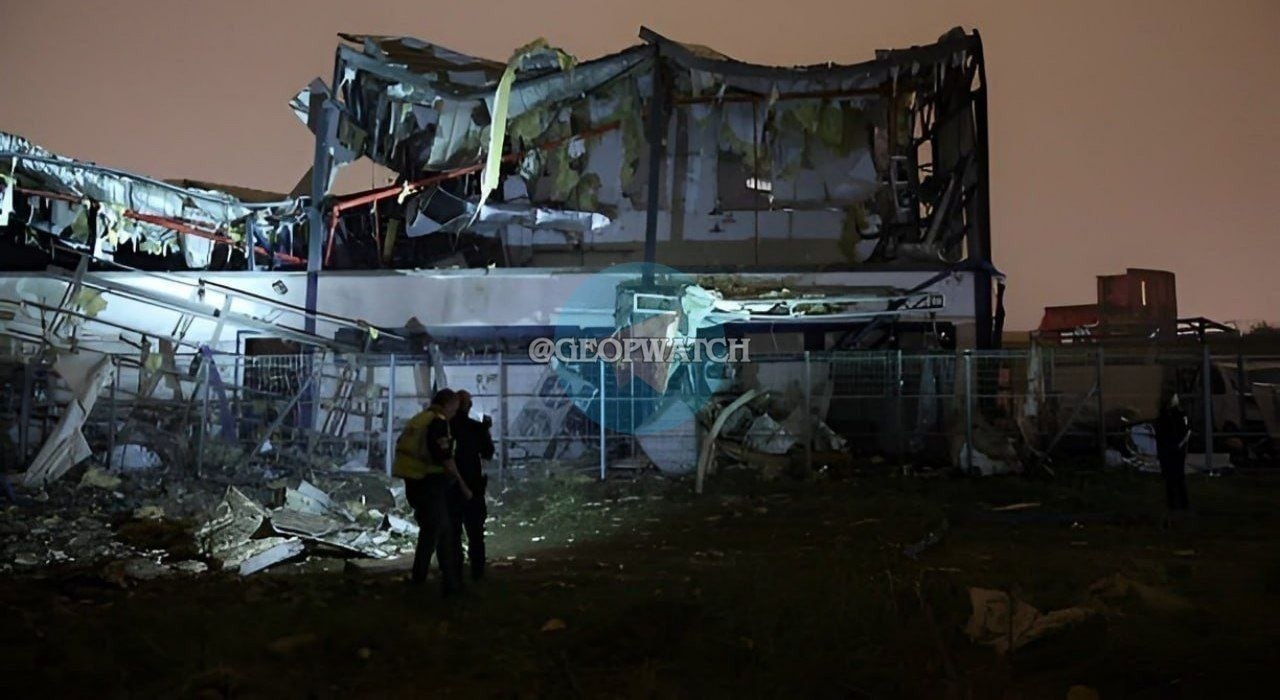
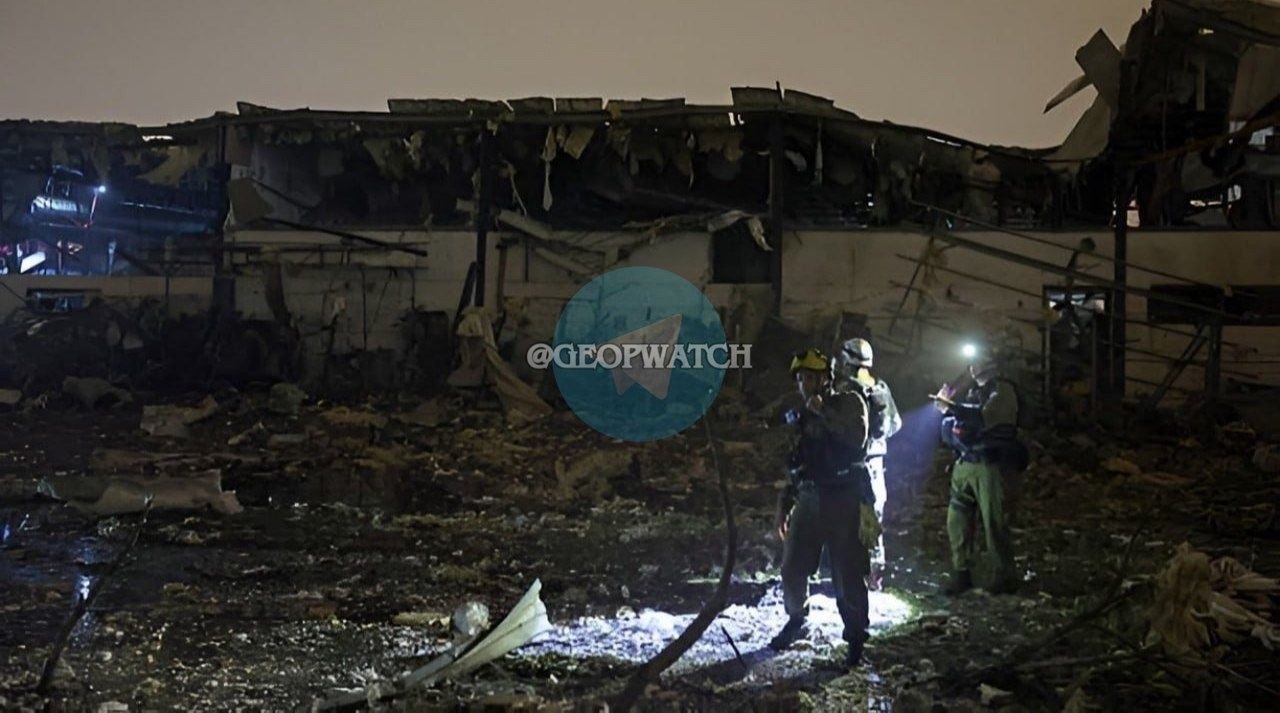
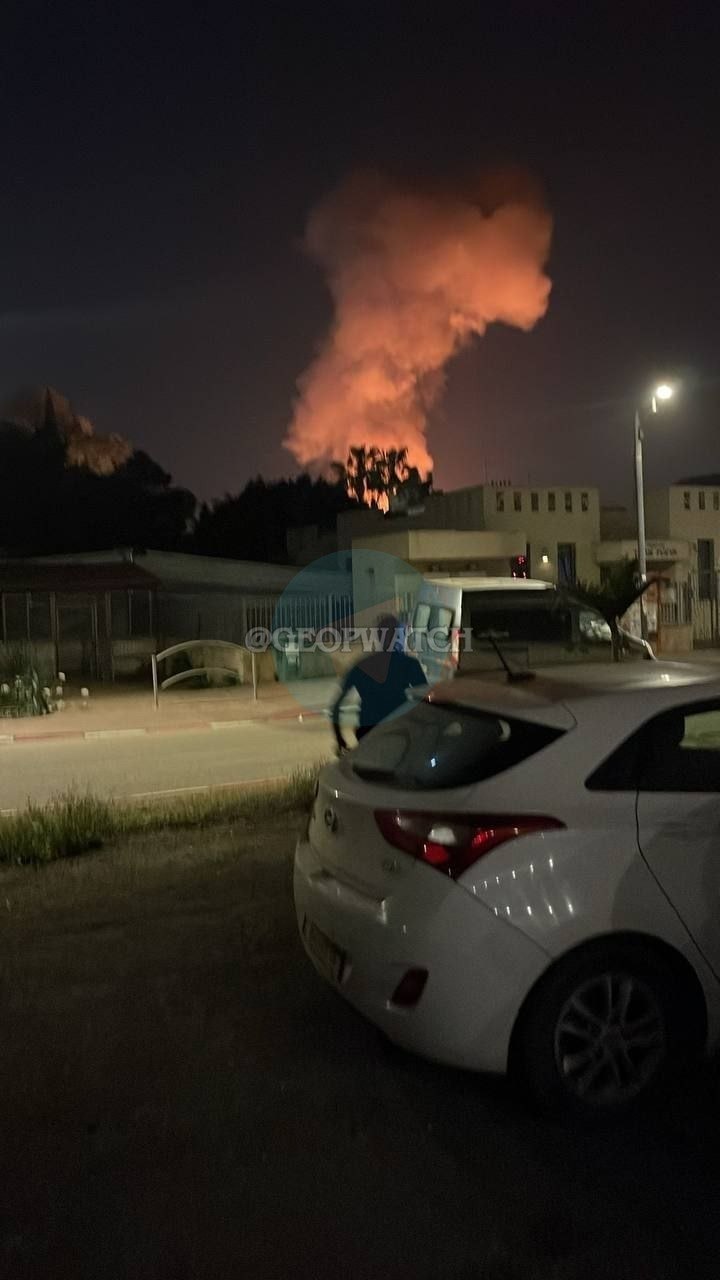
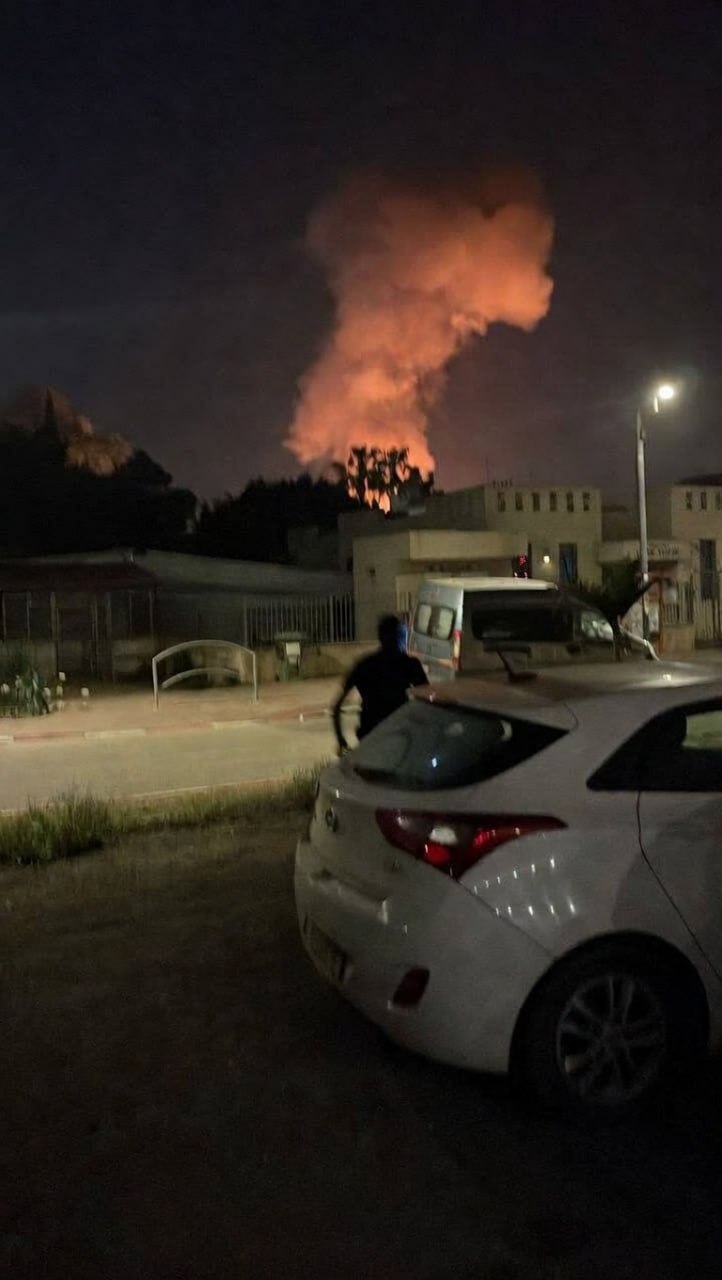
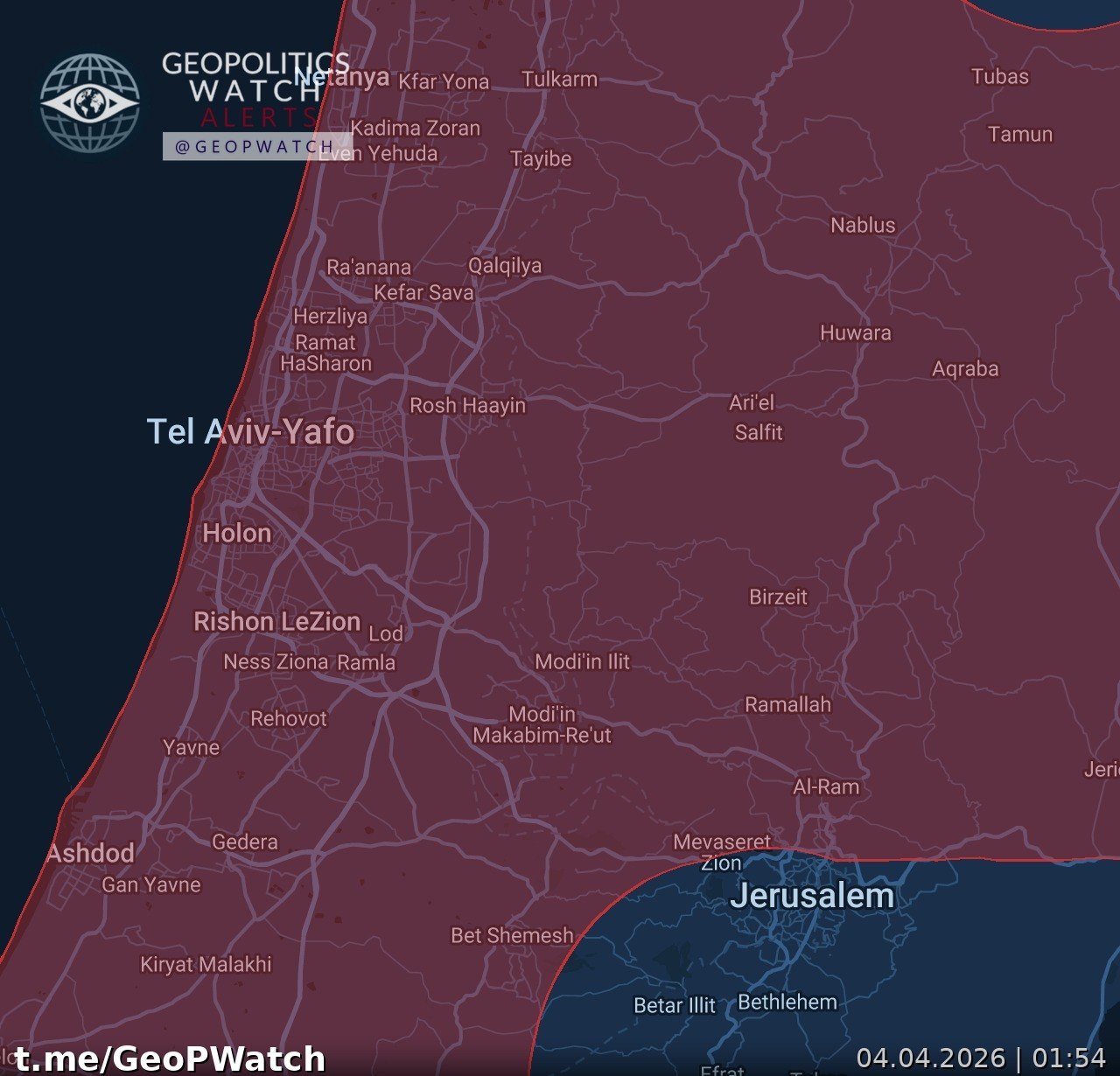
On April 3, 2026, Israel experienced a surge of kinetic attacks originating primarily from Iran, with additional rocket fire from Hezbollah and Syrian-linked groups. The most consequential incident occurred at approximately 23:29 local time when an Iranian missile struck the outskirts of Beersheba, igniting a fire that threatened civilian infrastructure. While no immediate casualties were reported, the incident underscores the escalating capability and intent of Iranian long‑range strike assets against Israeli territory.
Iranian Missile Strike on Beersheba
According to the Telegram channel monitor_the_situation, a missile launched from Iranian territory impacted the Beersheba area, causing a fire that required emergency response teams to contain. The weapon type was identified as a conventional missile, though the channel did not specify the exact model. No fatalities or injuries were confirmed at the time of reporting, but the incident marks a significant escalation in the use of direct missile attacks against southern Israel.
Source: monitor_the_situation – 23:29, 03‑Apr‑2026
Ballistic Missile with Cluster Warhead Hits Central Israel
Just minutes earlier, at 23:10, a ballistic missile equipped with a cluster bomb warhead struck central Israel. The strike, also reported by monitor_the_situation, caused no immediate casualties but raised concerns about unexploded sub‑munitions. The use of a cluster warhead indicates a tactical shift toward area‑denial weapons capable of inflicting widespread damage over a broader footprint.
Source: monitor_the_situation – 23:10, 03‑Apr‑2026
Damage to Drone Production Facilities
Two separate attacks targeted Israel’s drone manufacturing sector. At 23:26, the Aerosol Aerospace Solutions factory in Beit Tikva sustained significant damage from an Iranian missile, according to GeoPWatch. The facility produces unmanned aerial systems for the Israeli Defense Ministry, Israel Aerospace Industries, Rafael and Elbit, making it a high‑value strategic asset.
Earlier, at 10:13, Iranian ballistic missiles struck the AeroSol drone production plant in Petah Tikva, as reported by intelslava. Photographic evidence showed the impact site and damage to the production line. Both incidents demonstrate a focused Iranian effort to degrade Israel’s UAV capabilities.
Sources: GeoPWatch – 23:26, 03‑Apr‑2026; intelslava – 10:13, 03‑Apr‑2026
Cluster Munition Deployments in Urban Centers
Cluster munitions were employed in multiple urban locations. At 23:12, Tel Aviv and Petah Tikva each experienced impacts from Iranian‑origin cluster munitions, reported by rnintel and GeoPWatch respectively. While casualty figures remain low, the presence of unexploded sub‑munitions poses a lingering risk to civilian populations and emergency responders.
Sources: rnintel – Tel Aviv, 23:12; GeoPWatch – Petah Tikva, 23:12
Hezbollah and Syrian‑Linked Rocket Barrages
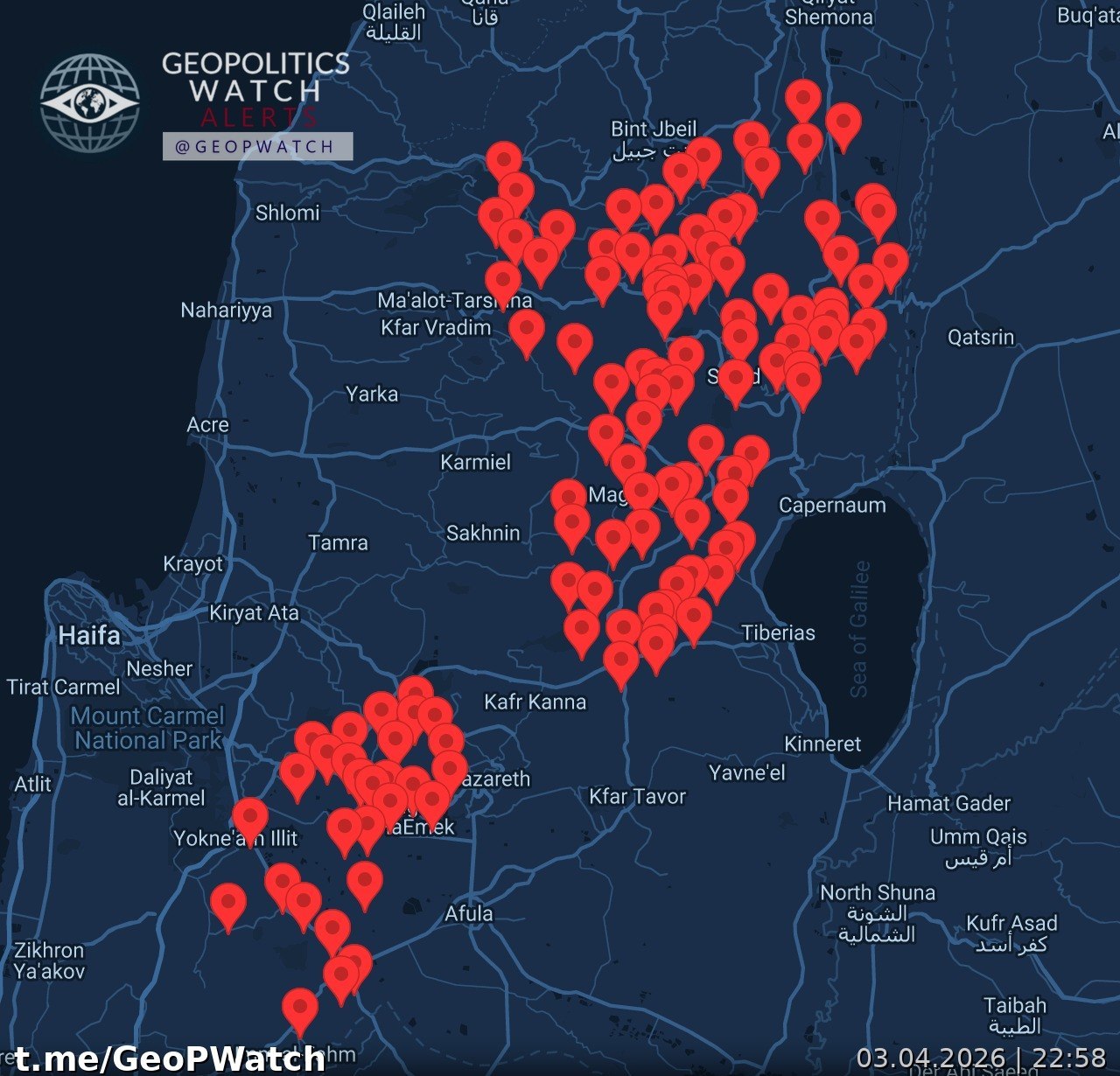
Hezbollah launched multiple rocket barrages from southern Lebanon toward northern Israeli towns, including Safed, Rosh Pina, and the broader Upper Galilee region. The attacks, documented by monitor_the_situation and GeoPWatch, resulted in no reported casualties but prompted rapid Israeli Air Force strikes that destroyed launch sites.
In addition, Syrian‑linked groups fired rockets toward the Israeli‑controlled Golan Heights and Lower Galilee. The Arab Tribal Army claimed responsibility for two rockets aimed at the Golan, while separate Syrian launches targeted the Lower Galilee, as reported by rnintel and GeoPWatch.
Sources: monitor_the_situation – 21:35, 03‑Apr‑2026; GeoPWatch – 19:59, 03‑Apr‑2026; rnintel – Golan Heights, 16:51
Widespread Civilian Alerts and Interceptions
Throughout the day, Israel’s Home Front Command issued numerous rocket and missile warnings across the Upper Galilee, Central Israel, and the Golan Heights. Alerts were disseminated via the RocketAlert platform, covering locations such as Ramat HaSharon, Herzliya, Bnei Brak, and Haifa. The Magen David Adom (MDA) also conducted scans in Bnei Brak for a suspected falling interceptor, highlighting the heightened state of alert among emergency services.
Sources: RocketAlert – 23:00, 03‑Apr‑2026; BellumActaNews – 00:26, 03‑Apr‑2026
Strategic Implications
The coordinated nature of the attacks—ranging from long‑range ballistic missiles to cluster munitions and rocket barrages—suggests a concerted Iranian effort to test Israel’s missile defense systems while simultaneously targeting critical defense industry infrastructure. The use of cluster warheads and the targeting of drone factories indicate an intent to degrade both immediate defensive capabilities and longer‑term technological production.
Israel’s rapid air response to Hezbollah launch sites and its extensive civil defense alerts demonstrate a robust, albeit strained, defensive posture. The multiplicity of attack vectors also complicates attribution and response, as multiple state and non‑state actors operate in overlapping theaters.
Continued monitoring of missile trajectories, interception success rates, and post‑impact assessments will be essential for evaluating the evolving threat landscape and for informing both tactical and strategic decision‑making.