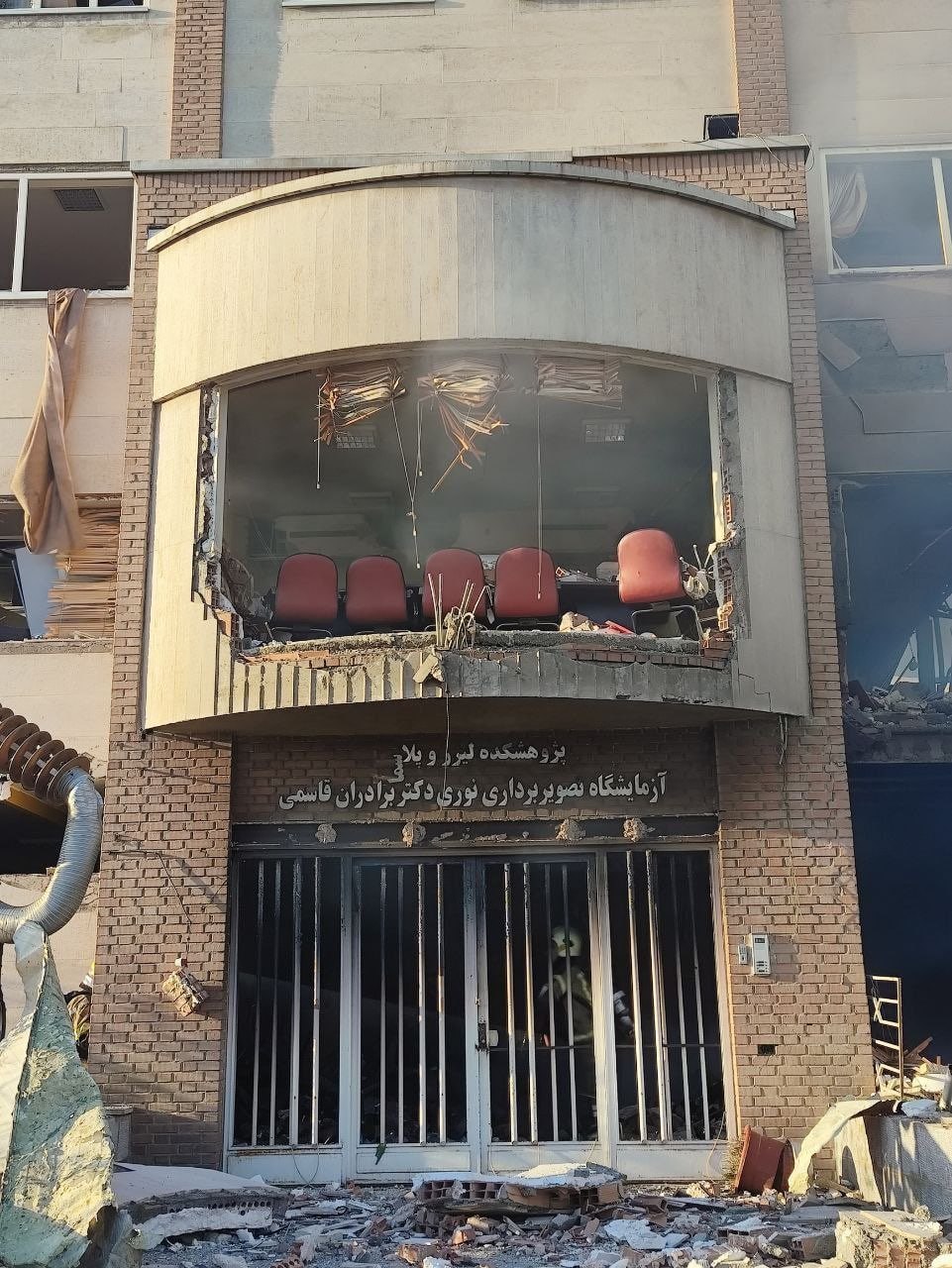
On 3 April 2026, Iran experienced the most concentrated wave of kinetic operations in the current conflict, with multiple high‑intensity airstrikes, aerial interceptions, and naval incidents reported across the country. The day began with a critical airstrike on a residential district in Tehran that killed three civilians, underscoring the expanding scope of the hostilities beyond purely military targets.
Critical Tehran Residential Airstrike
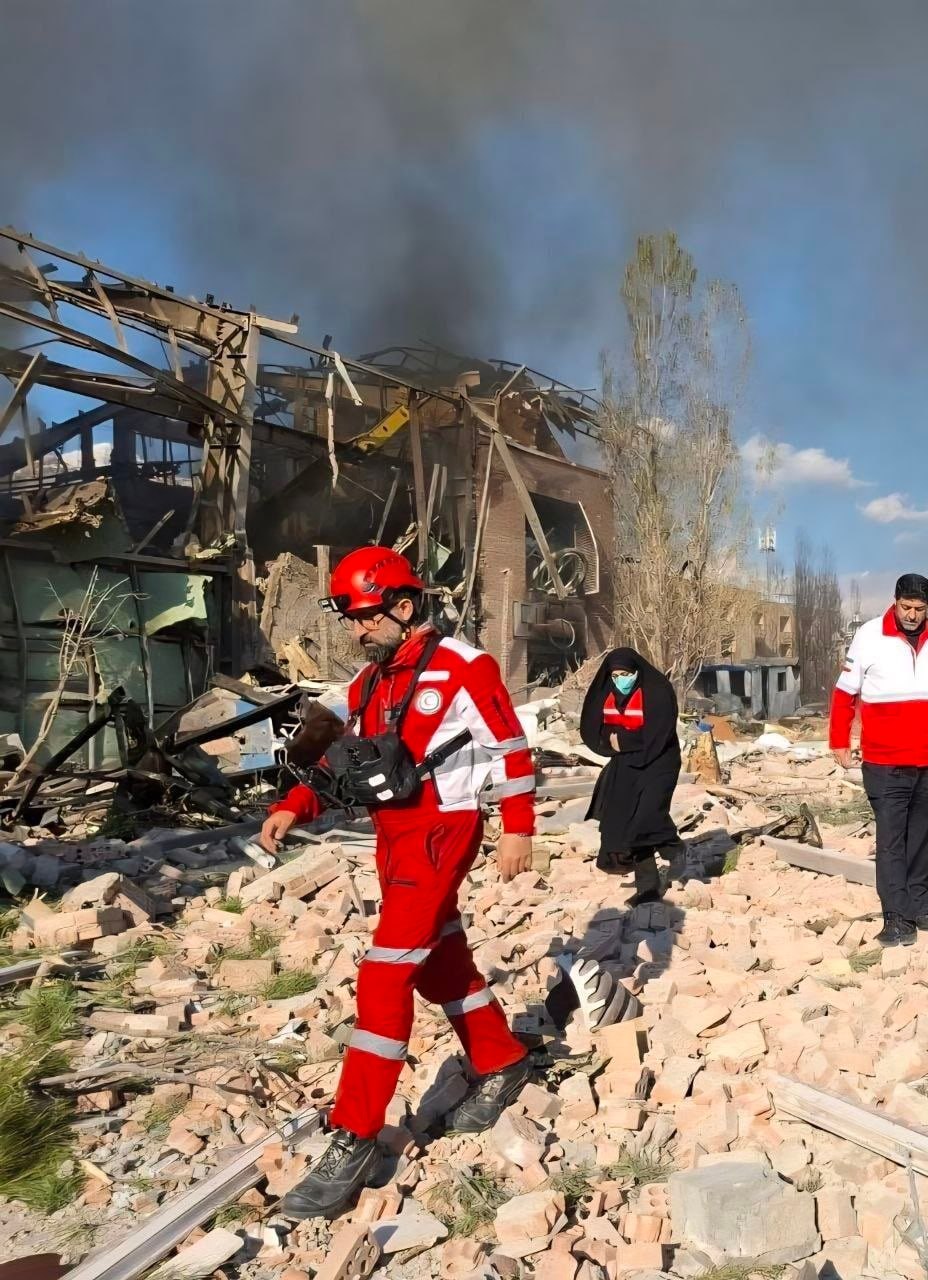
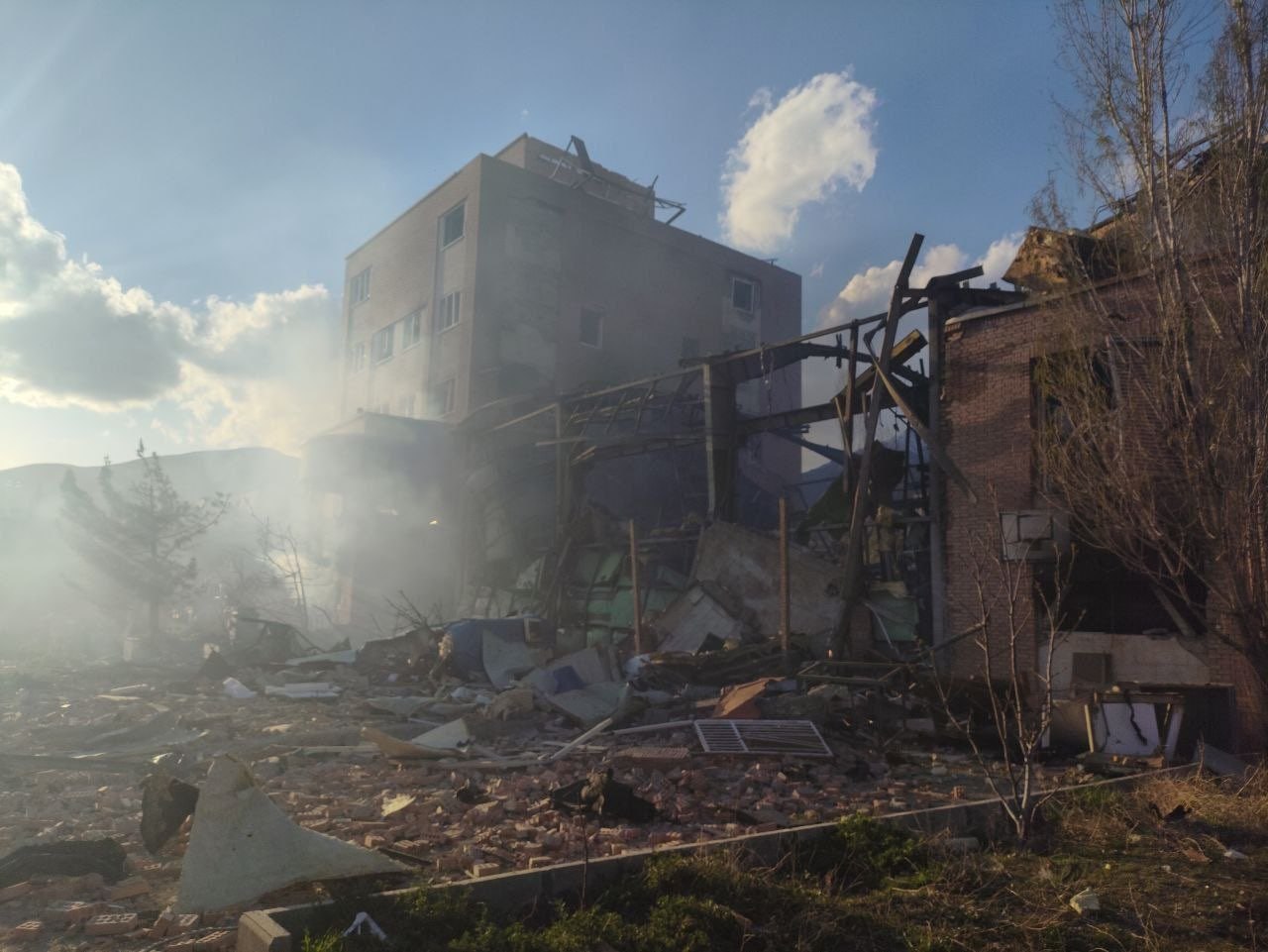
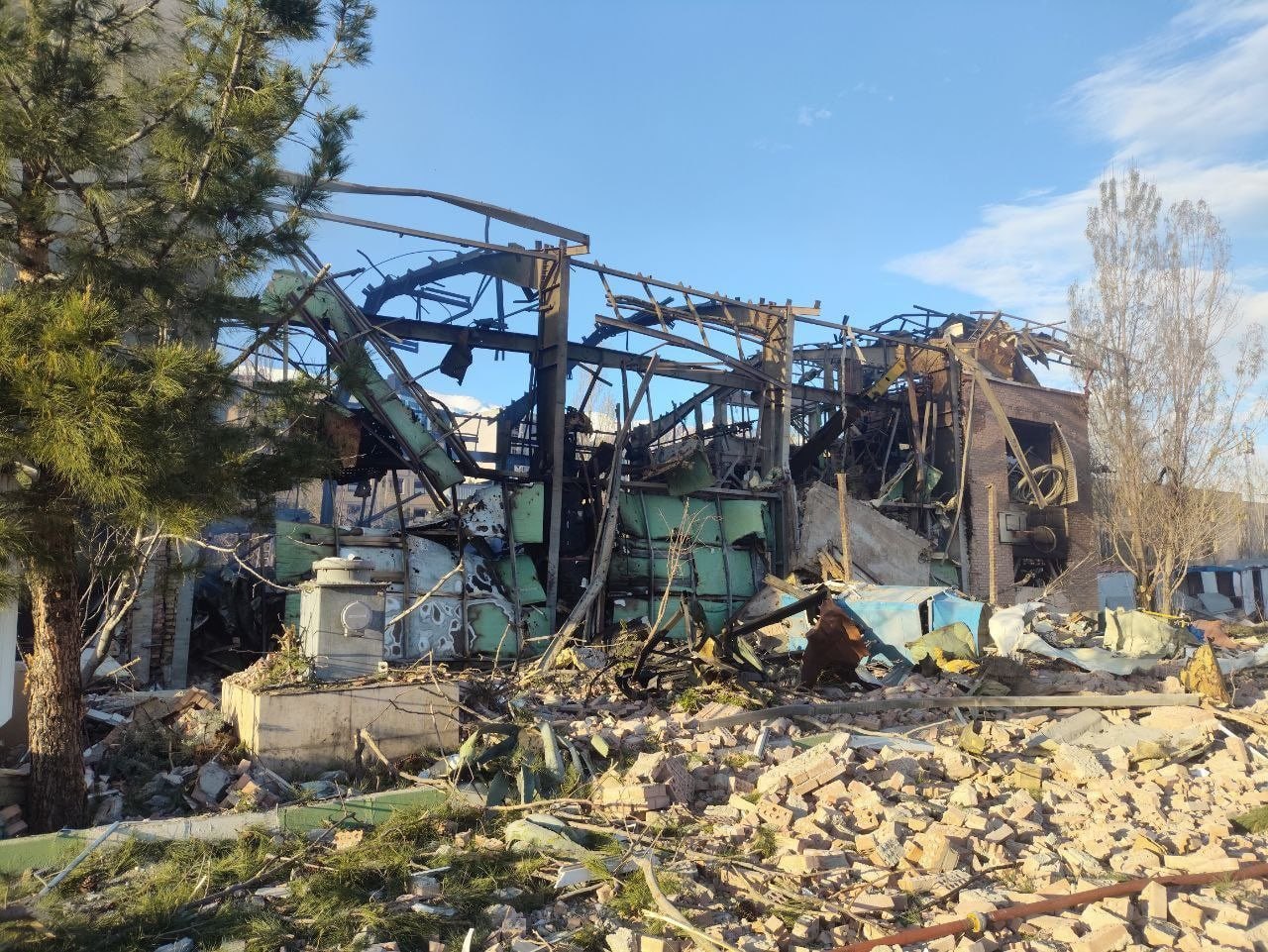
At 16:10 UTC, an airstrike struck a densely populated neighbourhood in Tehran, resulting in three civilian deaths. The attack was attributed to a joint United States‑Israel operation, as indicated by the source monitor_the_situation (source). Video evidence showed the impact on a multi‑storey building, with debris and smoke visible on the streets. The incident marks the first confirmed civilian casualty from a US‑Israeli strike on Tehran’s urban core during this escalation.
"Three Killed in Strike on Tehran Residential Area, Iran" – monitor_the_situation
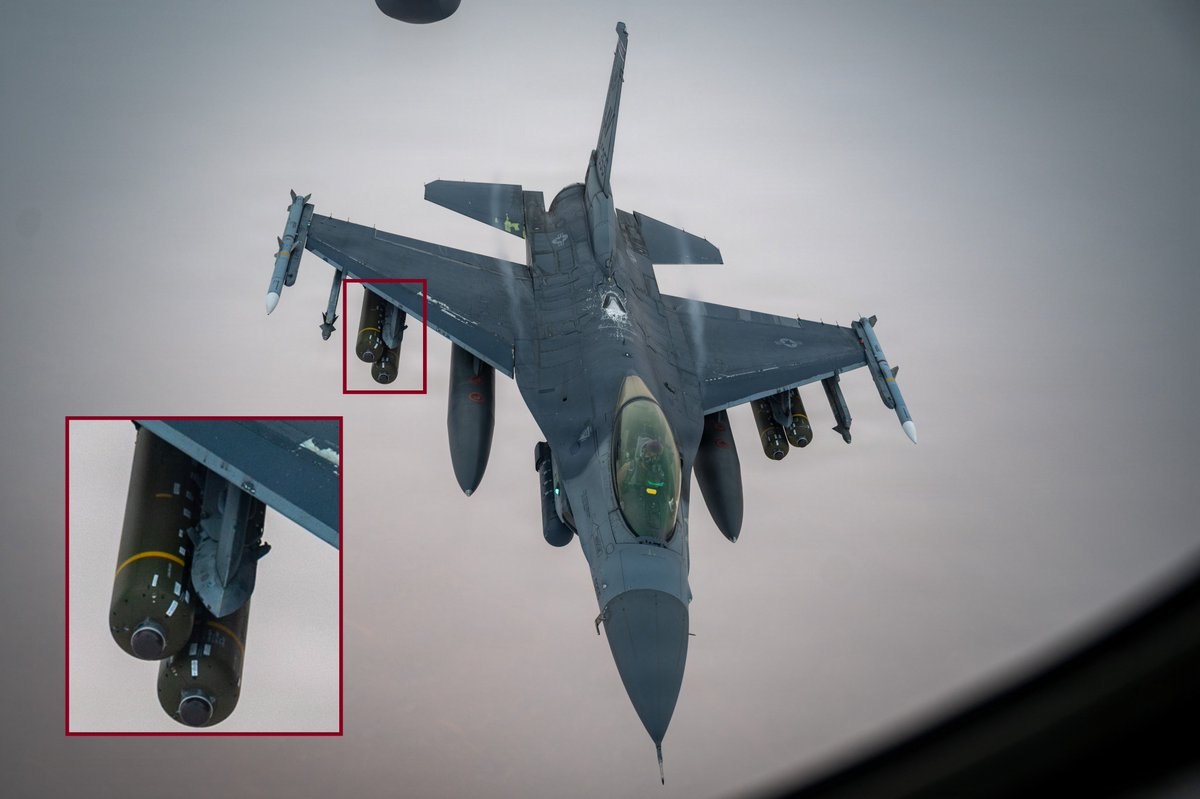
Weapons used: unspecified; the strike was delivered by aircraft, but no specific ordnance was identified in the open‑source material.
High‑Intensity Air Operations Across Tehran
Following the residential strike, a series of coordinated air attacks targeted missile facilities, ammunition depots and research installations in the capital:
- 23:44 UTC – US and Israeli air forces bombed missile sites in the Jamaran district (intelslava, source).
- 21:06 UTC – The Laser and Plasma Research Institute and a dormitory at Shahid Beheshti University were hit by US‑Israeli bombs (CIG_telegram, source).
- 20:40 UTC – Heavy Israeli bombings struck the Kolakchal and Jamshidieh areas in northern Tehran (BellumActaNews, source).
- 20:38 UTC – Additional US‑Israeli strikes hit missile facilities in the Jamshidieh neighbourhood (rnintel, source).
- 20:34 UTC – Large‑scale strikes near Karaj, west of Tehran, produced visible power flashes (monitor_the_situation, source).
These attacks collectively targeted at least twelve distinct sites, including research institutes, university dormitories, and missile storage complexes, indicating a systematic effort to degrade Iran’s strategic capabilities.
Iranian Air‑Defense Interceptions
Iran’s air‑defense network responded aggressively, claiming multiple shoot‑downs:
- 23:43 UTC – An Iranian army statement reported the downing of a US A‑10 aircraft over the Persian Gulf (intelslava, source).
- 21:19 UTC – The IRGC announced the interception of an Israeli Hermes‑series drone over Bushehr, two US MQ‑9A drones over Isfahan, two cruise missiles over Khomein and Zanjan, and several Lucas kamikaze drones in the Persian Gulf (CIG_telegram, source).
- 19:58 UTC – Iran claimed the downing of a US F‑15E fighter jet over central Iran, with images of wreckage released (monitor_the_situation, source).
- 17:08 UTC – A Wing Loong 2 drone was shot down over Shiraz using a 9‑Dey surface‑to‑air missile system (monitor_the_situation, source).
These claims, while not independently verified by third‑party observers, illustrate a heightened Iranian air‑defense posture and suggest a significant attrition rate for US and Israeli aerial assets.
Naval and Maritime Engagements
Maritime incidents intensified in the strategic Strait of Hormuz:
- 22:33 UTC – An unidentified ship was hit and set ablaze near the strait (intelslava, source).
- 19:40 UTC – Iran reported shooting down a US A‑10C attack jet south of Qeshm Island and damaging two UH‑60 Black Hawk helicopters during a combat search‑and‑rescue (CSAR) mission (CIG_telegram, source).
- 19:40 UTC – Additional reports indicated the downing of a US F‑15E over the strait, with one pilot injured and the other missing (CIG_telegram, source).
The concentration of naval confrontations underscores the strait’s role as a chokepoint and a flashpoint for US‑Iranian escalation.
Civilian Infrastructure and Humanitarian Sites
Beyond military targets, several civilian and humanitarian facilities suffered damage:
- 15:40 UTC – An Iranian Red Crescent warehouse in Bushehr was struck, compromising humanitarian supplies (monitor_the_situation, source).
- 13:38 UTC – US‑Israeli forces hit Shahid Beheshti University and Mehrabad Airport, both critical civilian infrastructure (monitor_the_situation, source).
- 13:00 UTC – Israeli and US drones attacked a humanitarian aid warehouse in Tehran (monitor_the_situation, source).
These strikes raise concerns about the broader humanitarian impact of the kinetic campaign.
Assessment of the Day’s Kinetic Activity
The volume and diversity of kinetic events on 3 April 2026 represent a marked escalation in the US‑Israel‑Iran confrontation. The coordinated air campaign against Tehran’s strategic assets, combined with Iranian air‑defense successes and naval clashes in the Persian Gulf, suggest a shift from isolated strikes to a sustained, multi‑theater operation. Civilian casualties, though limited in number relative to the scale of attacks, highlight the increasing risk of collateral damage as combatants operate in densely populated environments.
While both sides claim significant successes, independent verification remains limited. The reported downing of high‑value US aircraft (F‑15E, A‑10, possibly F‑35) and the destruction of multiple drones and missiles indicate a high‑intensity exchange of firepower that could further entrench the conflict and complicate diplomatic de‑escalation efforts.