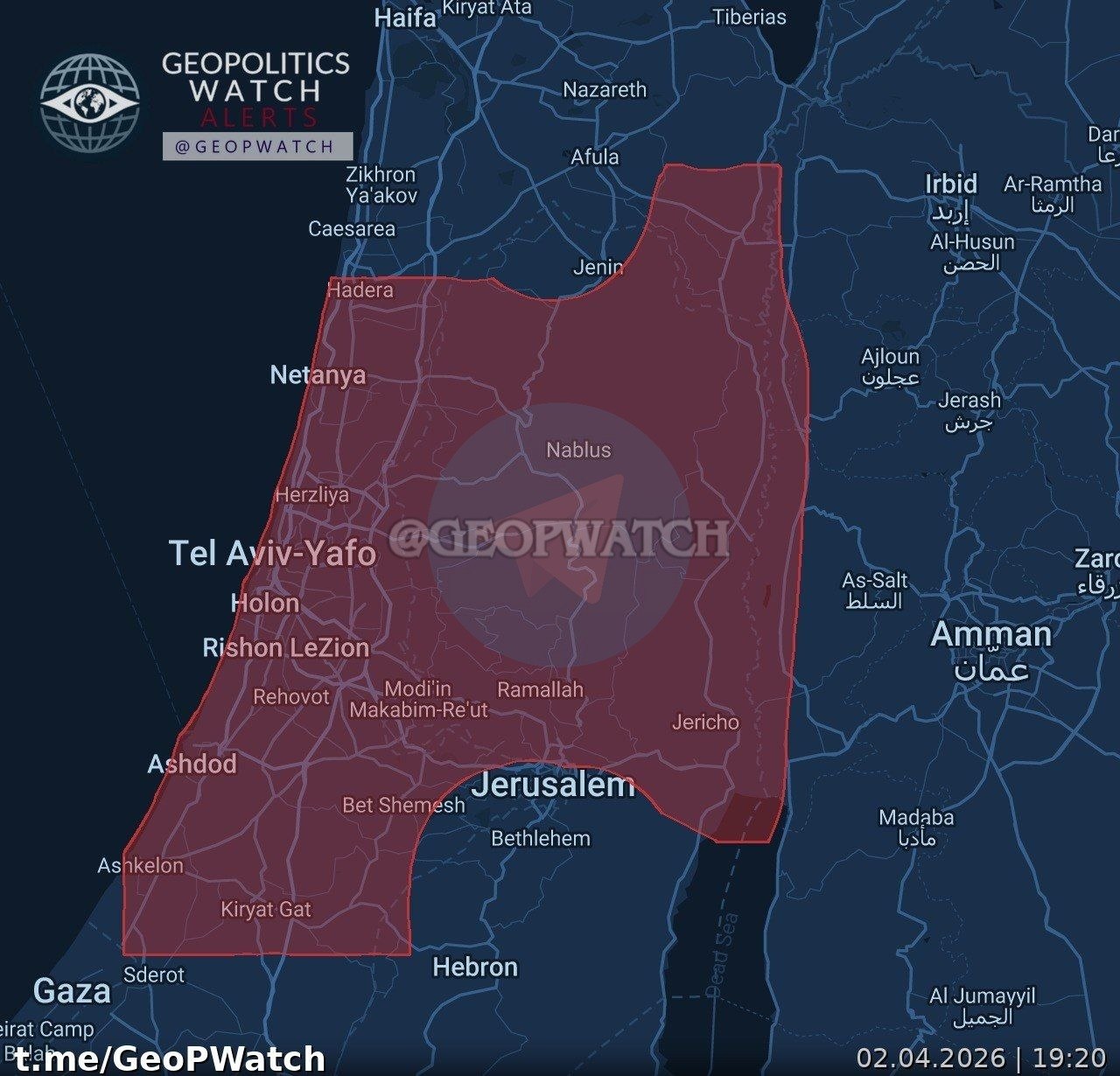
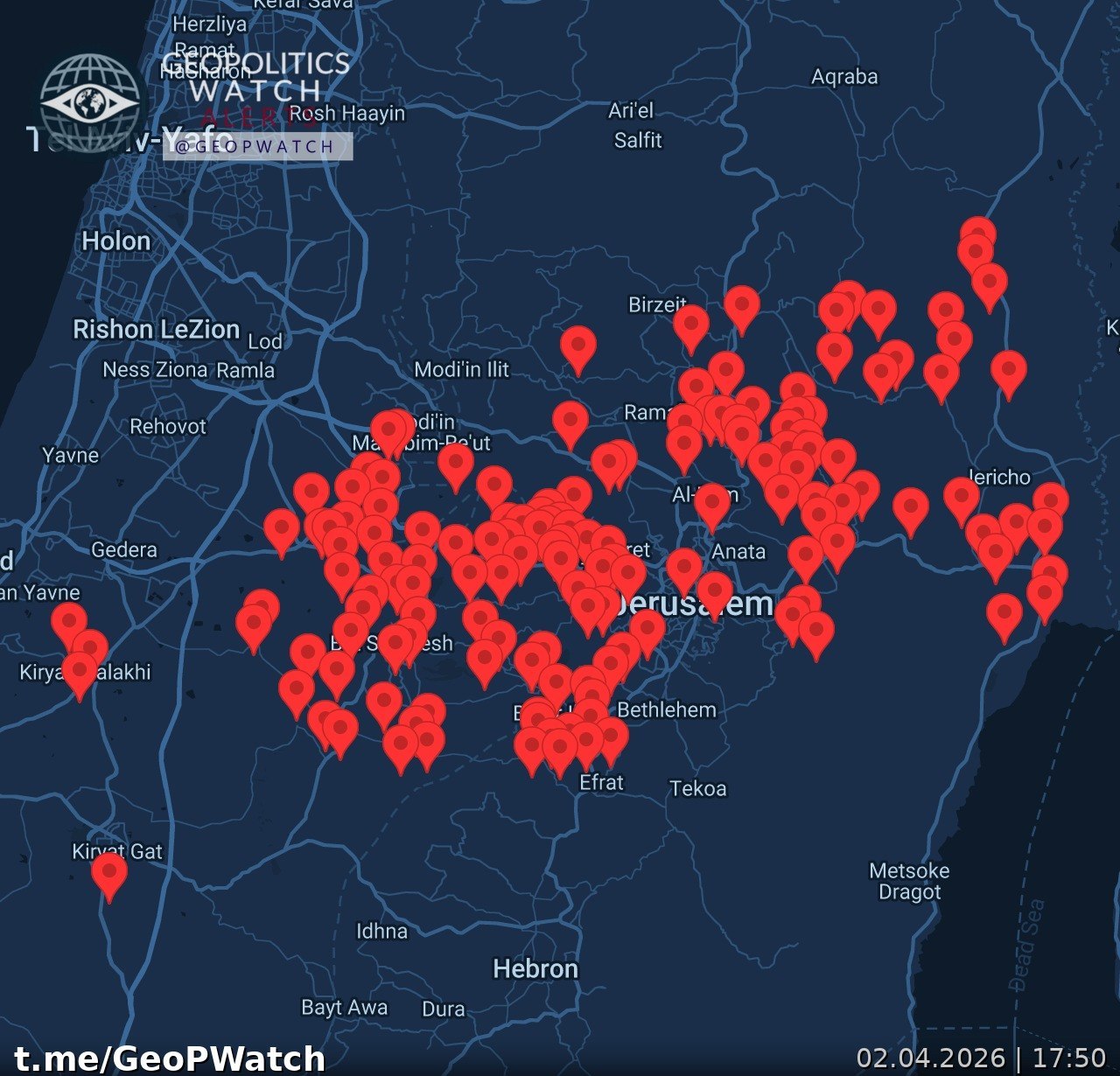
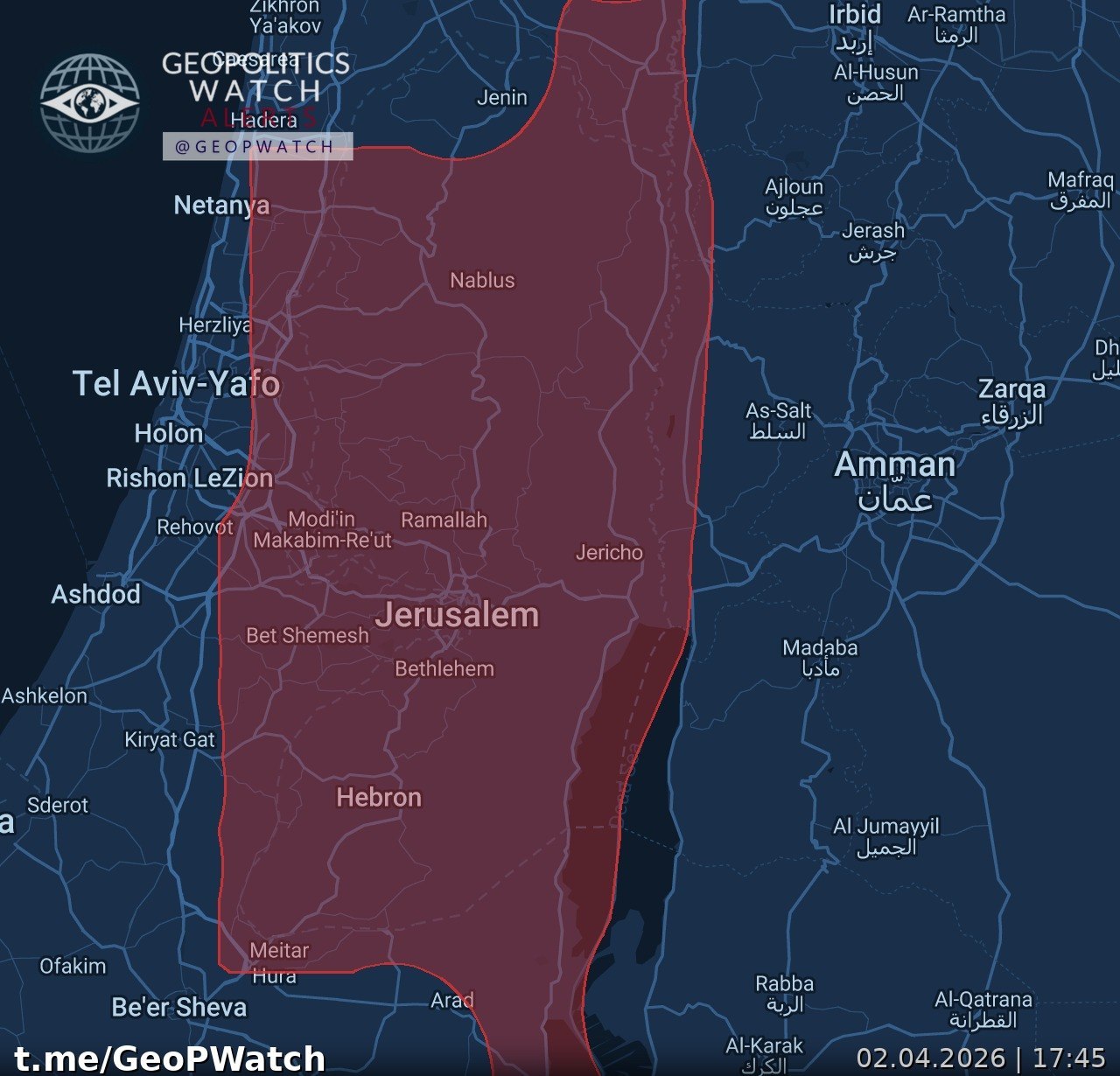
At 05:25 local time on 2 April 2026, a cluster munition of Iranian origin detonated in Bnei Brak, rupturing a municipal pipeline and flooding a city street. Video evidence circulated on the Telegram channel monitor_the_situation shows debris from the munition striking the pipe, followed by a sudden gush of water. No casualties were reported, but the incident underscores a widening kinetic threat envelope that combined conventional missile strikes, ballistic missile salvos, and rocket alerts across Israel throughout the day.
Iranian‑linked missile and ballistic missile strikes
Following the Bnei Brak explosion, a series of high‑intensity attacks unfolded. At 16:46:58, CCTV footage captured an Islamic Revolutionary Guard Corps (IRGC) missile impacting Petah Tikva, a major industrial hub east of Tel Aviv. The video, posted by GeoPWatch, confirms the missile’s Iranian provenance and its precise targeting of a factory, as later reported by rnintel. Earlier, at 20:01:39, the Houthis, in coordination with Iran and Hezbollah, launched several ballistic missiles toward Jaffa, a historic district of Tel Aviv. The attack was documented by intelslava and featured a coordinated salvo aimed at civilian infrastructure.
"Houthis: We launched several ballistic missiles towards occupied Jaffa in a combined attack with Iran and Hezbollah," – intelslava, 2 April 2026.
At 22:06:53, an Iranian missile struck a factory in Petah Tikva with reported precision, according to Haaretz and relayed by rnintel. The strike caused structural damage but, again, no immediate fatalities were confirmed. Simultaneously, the IRGC launched ballistic missiles toward central Israel at 00:28:56, as reported by GeoPWatch, and a separate IRGC missile barrage was observed heading toward the same region at 14:46:41.
Houthi and allied ballistic missile operations from Yemen
In the southern theater, the Houthi movement fired a salvo of ballistic missiles toward the Tel Aviv area at 23:08:23. The Telegram channel monitor_the_situation described the operation as coordinated with Iran and Hezbollah, highlighting a strategic alignment that leverages Houthi missile capabilities to pressure Israel’s central corridor. Video from the same channel shows the missile trajectories and impact zones, though casualty figures remain unverified.
Cross‑border rocket fire from Lebanon
Rocket activity from Lebanon intensified throughout the day. At 23:09:56, rockets were launched toward Israel’s northern border, as reported by idkunim_il. Earlier, at 03:20:42, rockets fired from Lebanon triggered air‑raid sirens across northern Israel, with no immediate reports of injuries (monitor_the_situation). These launches coincided with a broader pattern of Hezbollah‑claimed attacks on Israeli forces in the north, documented at 10:50:27 by the same source.
Domestic rocket alerts and civilian impact
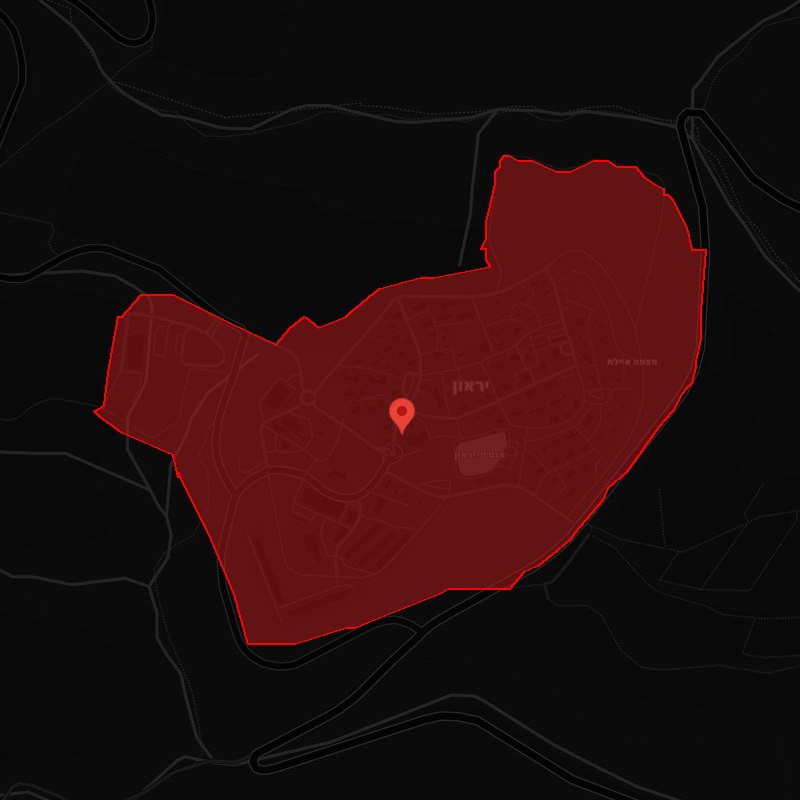
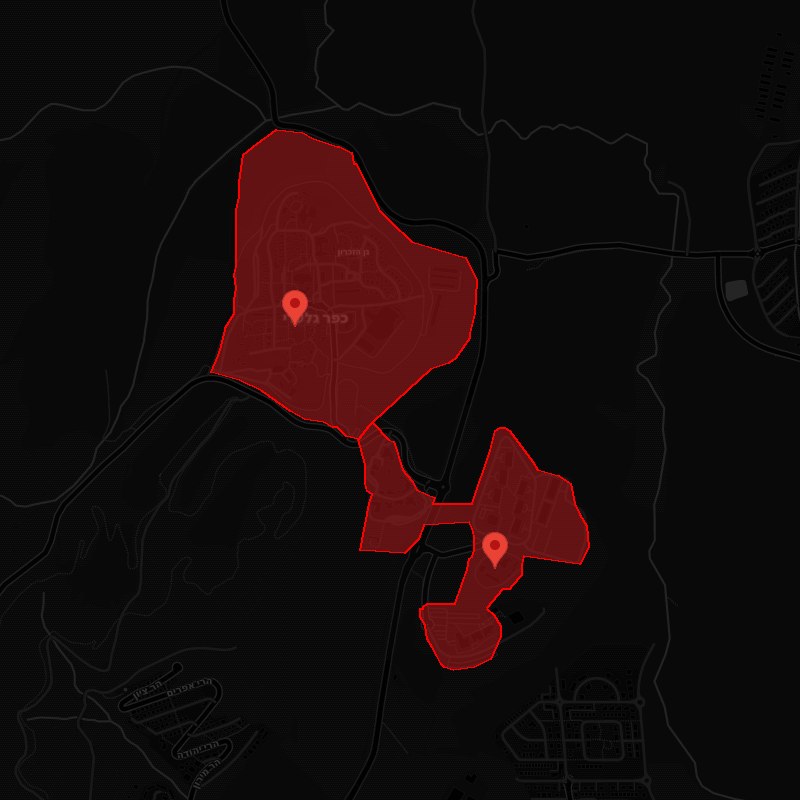
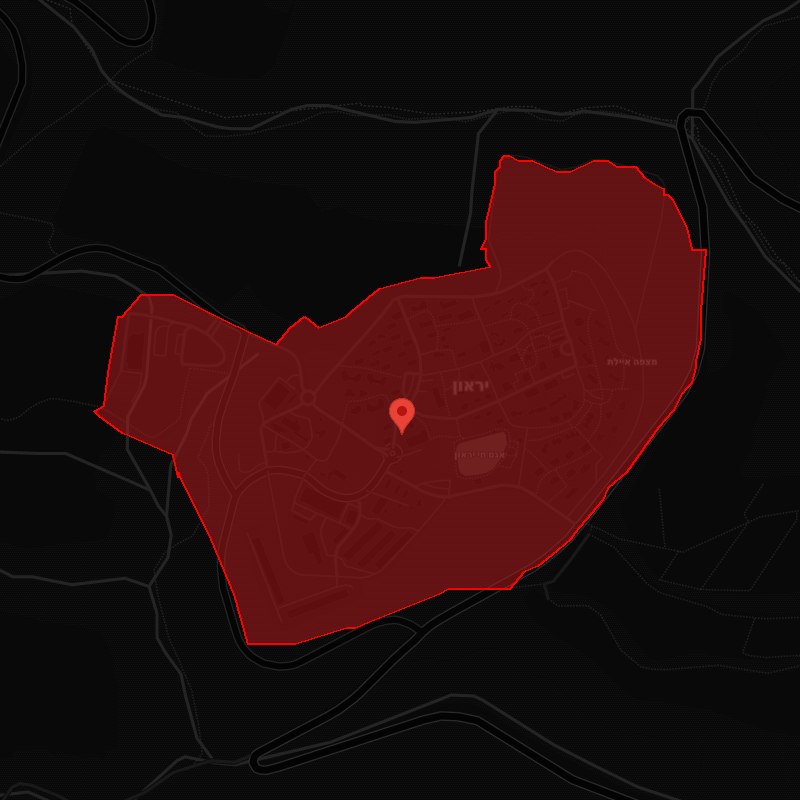
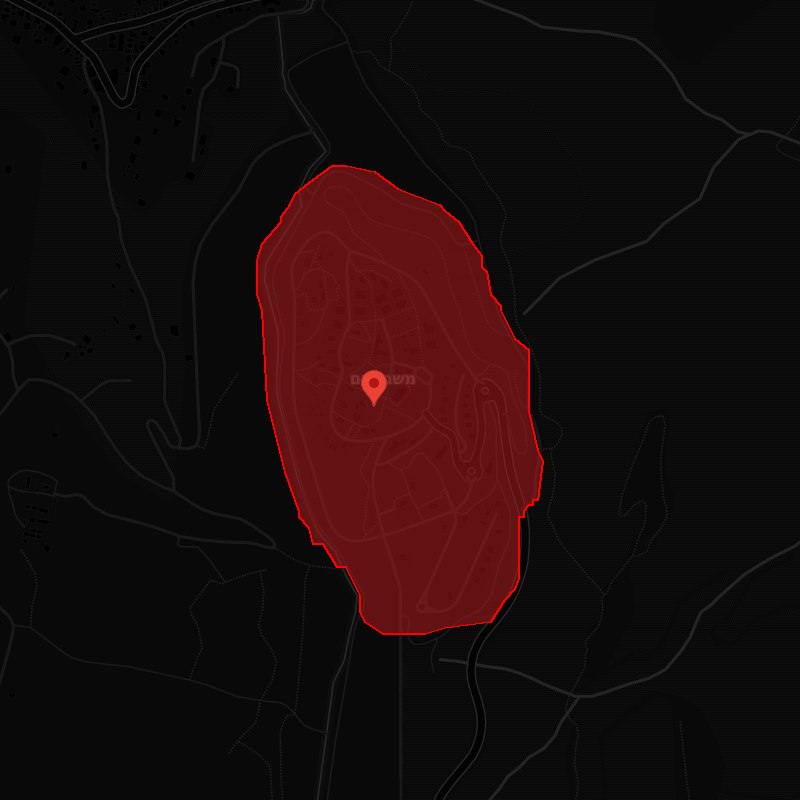
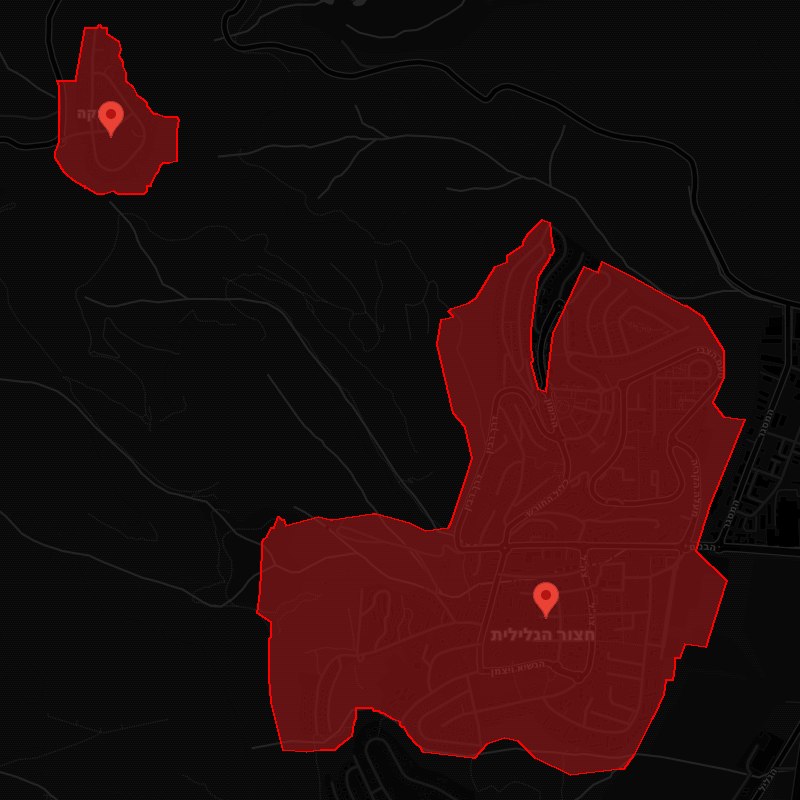
Israel’s civil defense network recorded a high volume of rocket alerts via the RocketAlert platform. Between 04:13:42 and 23:51:13, more than twenty separate alerts were issued across the northern, central, and southern districts, covering locations such as Yir’on, Metulla, Kfar Giladi, and the Upper Galilee. While many alerts did not culminate in confirmed impacts, the sheer frequency strained emergency services and heightened public anxiety.
Targeted Israeli Defense Forces (IDF) operation
At 17:29:03, the IDF announced the elimination of a ballistic missile unit commander and three additional missile commanders in the Karamanshe area. The statement, posted on idkunim_il, emphasized the strategic value of neutralizing senior missile operatives responsible for prior launches into Israeli territory.
Analysis of the kinetic landscape
The April 2 events reveal a multi‑vector kinetic campaign against Israel, characterized by:
- Geographic dispersion: Attacks spanned from the central urban corridor (Bnei Brak, Tel Aviv, Petah Tikva) to the northern border and the southern Golan region.
- Diverse weapon systems: Cluster munitions, IRGC‑origin missiles, Houthi ballistic missiles, and conventional rockets were employed, indicating a broad arsenal available to state and non‑state actors.
- Coordinated state‑proxy relationships: Iranian involvement is evident across multiple incidents, either directly (cluster munition, IRGC missiles) or through proxies (Houthis, Hezbollah). This coordination amplifies the operational reach of Iran’s regional strategy.
Despite the high volume of kinetic activity, reported casualty figures remain low, suggesting either effective civil defense measures or limited destructive capacity of the munitions used. However, the repeated targeting of critical infrastructure—pipelines, factories, and urban districts—poses a cumulative risk to civilian life and economic stability.
In sum, the day's kinetic events underscore an escalating pattern of synchronized attacks that leverage both conventional and unconventional delivery methods. The convergence of Iranian, Houthi, and Hezbollah capabilities presents a complex threat environment that challenges Israel’s defensive posture and necessitates continued vigilance across multiple fronts.