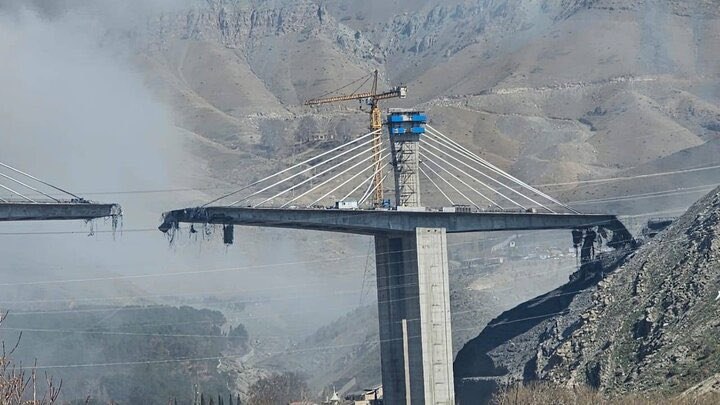
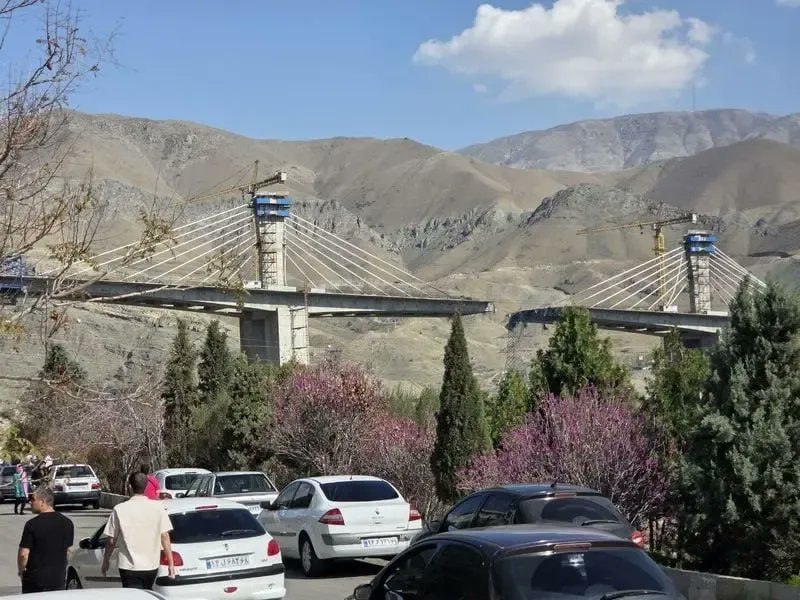
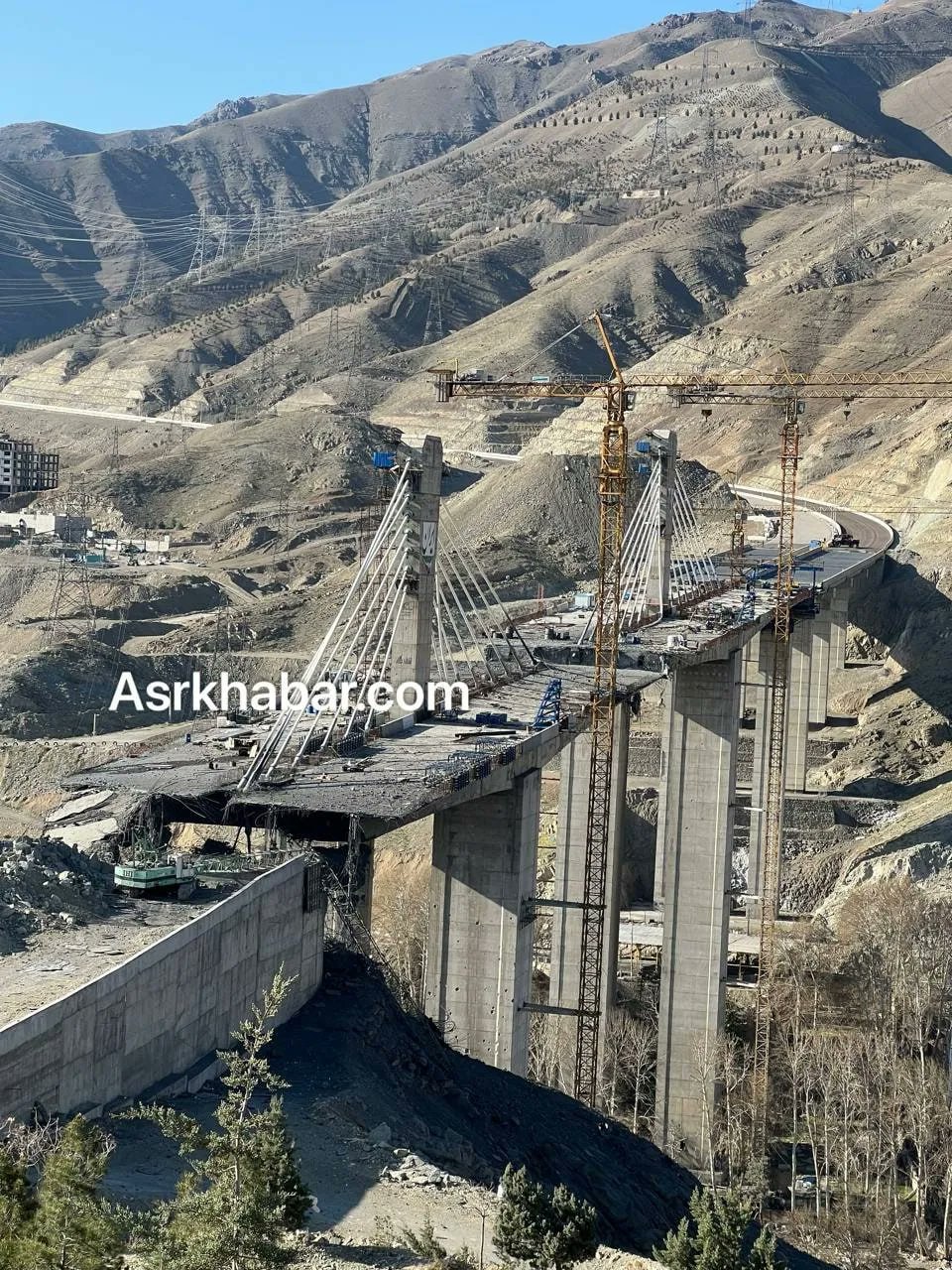
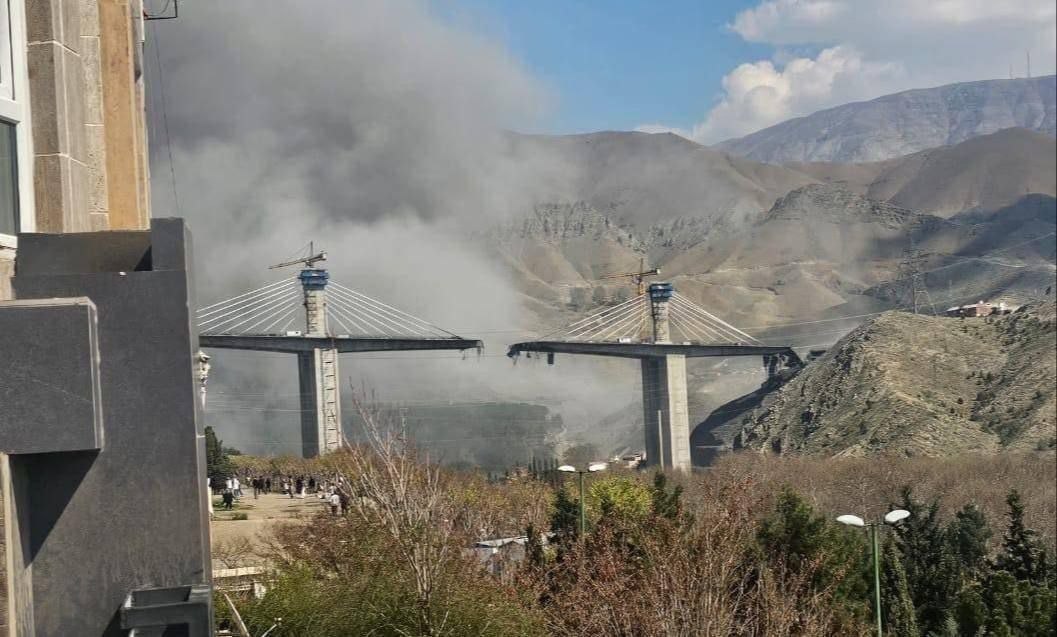
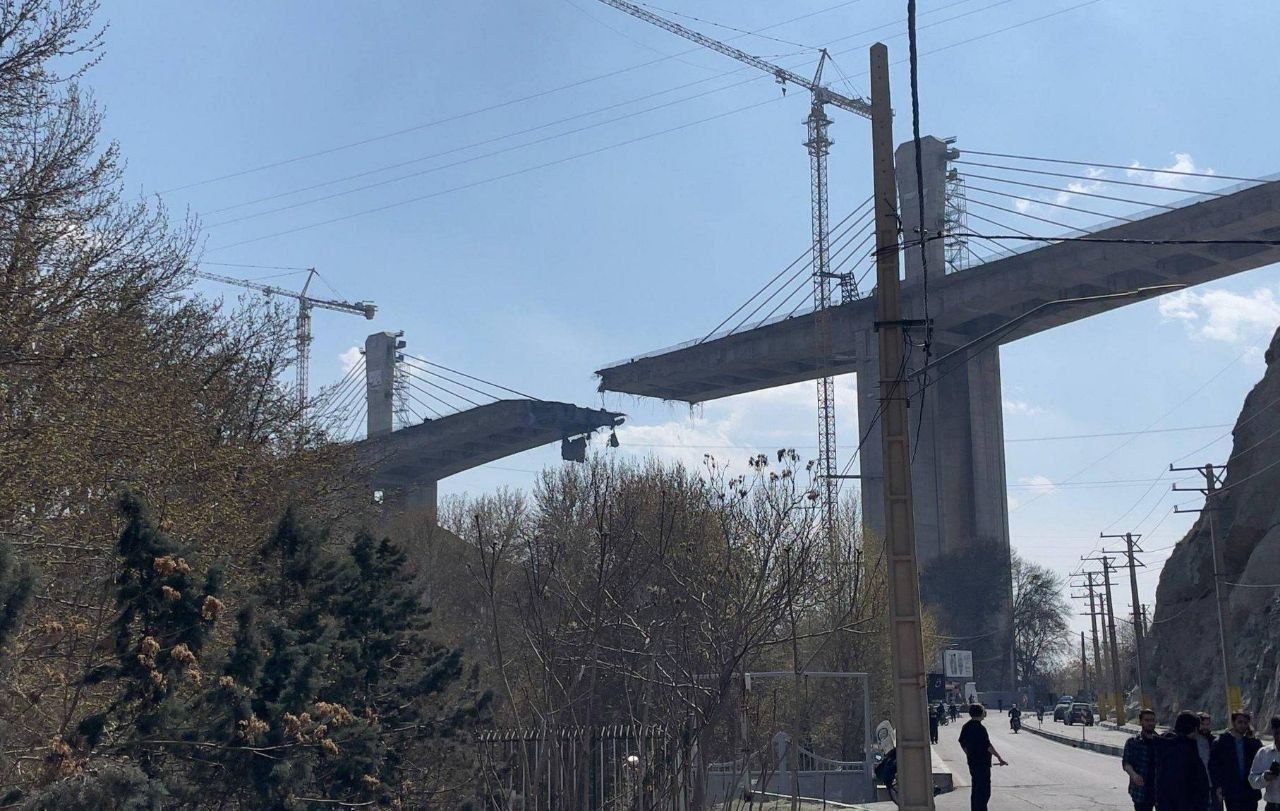
On 2 April 2026 Iran faced its most intensive day of kinetic operations in recent history, with a series of coordinated airstrikes, double‑tap attacks and naval threats that struck key transport corridors, missile facilities and civilian sites. The deadliest incident occurred on the B1 Bridge in Karaj, where a double‑tap strike killed at least eight people and injured 95, including rescue workers, as confirmed by multiple Telegram channels.
“Eight deaths and 95 injuries were reported in the double‑tap strike of the B1 Bridge… the second strike hit rescuers and workers on site.” – CIG_telegram
Bridge attacks and infrastructure collapse
The B1 Bridge, one of the tallest bridges in the Middle East and a critical link on the Shohada‑Alborz‑North Karaj Freeway, was hit twice within minutes. The first strike, attributed to the US Air Force, damaged the bridge deck; a second strike, linked to the Israeli Air Force, struck while emergency crews were on the scene, dramatically increasing the casualty count (Source: monitor_the_situation, CIG_telegram). Earlier in the day, the US Air Force also bombed the bridge’s northern approach, destroying a large portion of the road deck (BellumActaNews). In addition, a separate US strike targeted Iran’s largest bridge near Tehran, further crippling the nation’s transport network (monitor_the_situation).These coordinated attacks on bridges represent a strategic effort to disrupt Iran’s internal logistics and limit the movement of military assets.
Airstrikes on strategic sites
Beyond the bridges, a cascade of air operations hit missile installations, research facilities and urban centers. Israeli Air Force sorties conducted around 20 missions, dropping over 140 munitions on more than 50 ballistic missile sites across central and western Iran (monitor_the_situation). A precision strike in Kermanshah eliminated Makram Ateimi, commander of a central ballistic missile unit (monitor_the_situation). Simultaneously, US‑Israeli forces targeted the AVT‑5 atmospheric vacuum distillation unit at a major oil refinery in Isfahan, potentially curtailing refining capacity (monitor_the_situation).
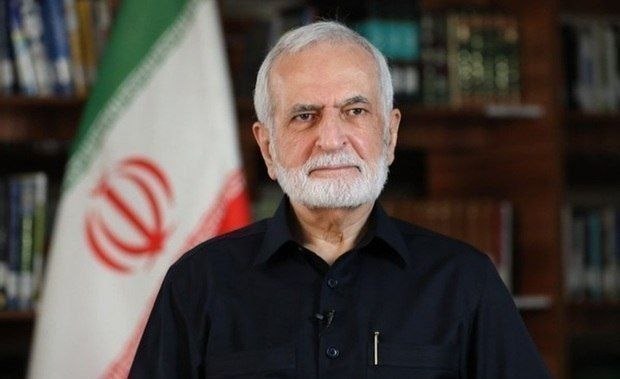
In Tehran, the Pasteur Institute—Iran’s leading medical‑research and vaccine development laboratory—was reportedly destroyed by a joint Israeli and US airstrike (CIG_telegram). The same day, an Israeli or US aircraft bombed a residential district in an attempted assassination of former foreign minister Kamal Kharazi, killing his wife and critically injuring Kharazi himself (CIG_telegram). Iranian officials later condemned the strike as a “moral collapse” (monitor_the_situation).
Further north, Israeli airstrikes hit Tabriz Shahid Madani International Airport, while US‑Israeli forces bombed the B‑1 road bridge in Karaj, causing a large portion of the deck to collapse (BellumActaNews, monitor_the_situation). In Mashhad, coordinated strikes produced three large explosions and a massive black smoke plume over the international airport, reportedly targeting oil depots (BellumActaNews).
Assassination attempts and targeted killings
Multiple reports indicate focused attempts on senior Iranian figures. An Israeli Defense Forces operation killed an Iranian Oil Headquarters commander and damaged an IRGC finance facility (JPost). Separate Israeli attempts targeted former foreign minister Kamal Kharazi, resulting in his severe injury and the death of his wife (GeoPWatch, AlJazeera). Iranian state media also reported the killing of IRGC commando commander Mohammad‑Ali Fath‑Ali Zadeh in a Tehran airstrike (monitor_the_situation). These actions suggest a concerted effort to degrade Iran’s diplomatic and military leadership.
Naval and aerial threats in the Persian Gulf
Iran announced plans to close the Strait of Hormuz to US and Israeli vessels on a long‑term basis, underscoring the strategic importance of the waterway (intelslava). Meanwhile, Iranian air defenses claimed multiple interceptions of foreign UAVs and aircraft. Notably, the IRGC shot down a Wing Loong II drone over Shiraz, allegedly operated by Saudi Arabia or the UAE (intelslava). Iran also downed two US MQ‑9 Reaper drones over Shiraz using 9‑Dey SHORAD systems and an AGM‑158 missile (GeoPWatch). Additional interceptions included a Chinese‑made Wing Loong II over Shiraz and two MQ‑9s over Fars Province (CIG_telegram, OSINTdefender).
Broader operational context
The intensity and breadth of the 2 April attacks reflect an escalation in the US‑Israel‑Iran confrontation, with both state and proxy actors employing high‑precision munitions, double‑tap tactics and strategic targeting of infrastructure. Iran’s response—threatening to close the Hormuz Strait and publicly downing foreign UAVs—signals a willingness to expand the conflict into maritime and aerial domains.
While casualty figures remain incomplete, the confirmed deaths exceed a dozen, with injuries surpassing one hundred, primarily among civilians and rescue personnel. The destruction of critical bridges, missile sites and research facilities will likely impair Iran’s logistical and defensive capabilities in the short term, while the targeting of senior officials may have longer‑term political ramifications.