On 1 April 2026, Iran launched a coordinated missile and rocket campaign that struck several high‑profile locations inside Israel, marking the most severe kinetic episode of the day. At 12:00:55 UTC, Iranian forces reported missile strikes against Ben Gurion Airport in Lod, while a separate ballistic missile impacted southern Israel at 12:46:03 UTC. The attacks triggered emergency responses, damaged critical infrastructure, and resulted in civilian casualties.
Ben Gurion Airport and Southern Israel Missile Hits
The Iranian army, acting through the Islamic Revolutionary Guard Corps (IRGC), claimed responsibility for the strikes. According to the source monitor_the_situation, the Ben Gurion attack involved conventional missiles that hit the airport perimeter, prompting an immediate evacuation of passengers and a temporary shutdown of runway operations. The southern Israel missile, described as a ballistic projectile, landed in a civilian area, causing property damage and injuring at least one person.
"Iranian missiles target Ben Gurion Airport in Israel" – monitor_the_situation, 2026‑04‑01T12:00:55
Casualties from the combined strikes were modest but significant: one death was confirmed in the Ben Gurion vicinity, and five injuries were reported in the southern Israel impact zone. The incidents underscore Iran’s expanding long‑range strike capability and its willingness to target civilian infrastructure.
Central Israel Missile Barrage
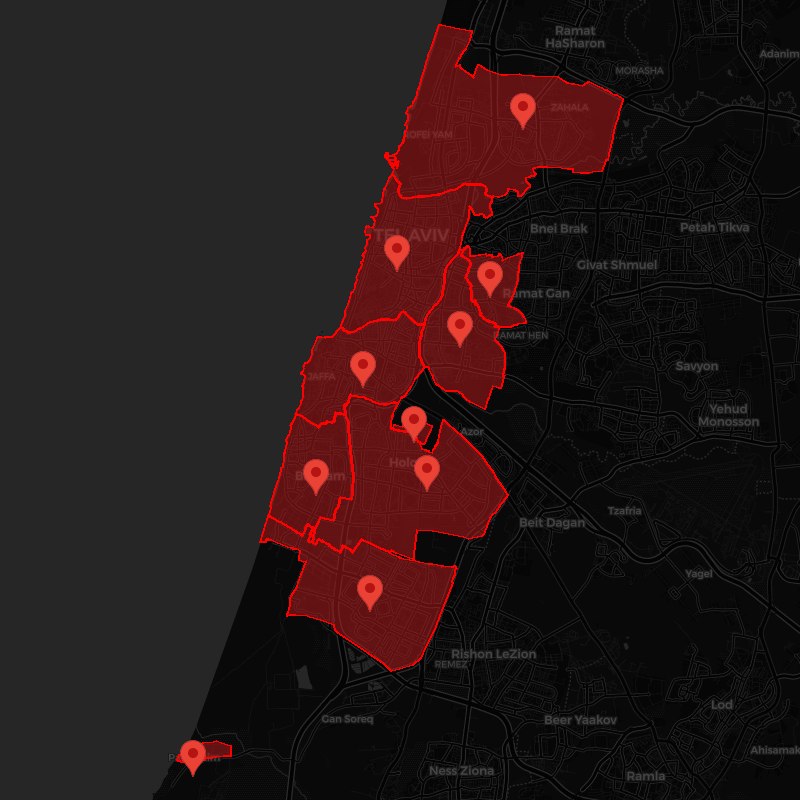
Later in the afternoon, at 19:31:13 UTC, Iran launched one of its largest missile barrages of the week toward central Israel. The salvo, reported by AlJazeera, involved multiple missiles that struck the Tel Aviv‑Jerusalem corridor, injuring at least 14 people and causing widespread structural damage. Video footage released by the outlet showed smoke plumes and shattered windows across several neighborhoods.
"Central Israel hit by one of Iran’s largest missile barrages in weeks" – AlJazeera, 2026‑04‑01T19:31:13
The barrage prompted the activation of Israel’s Iron Dome air‑defence system, which intercepted several projectiles, though some penetrated the defensive envelope. The event intensified the already volatile security environment and prompted a nationwide alert.
Cluster Munition Impacts and Rocket Alerts
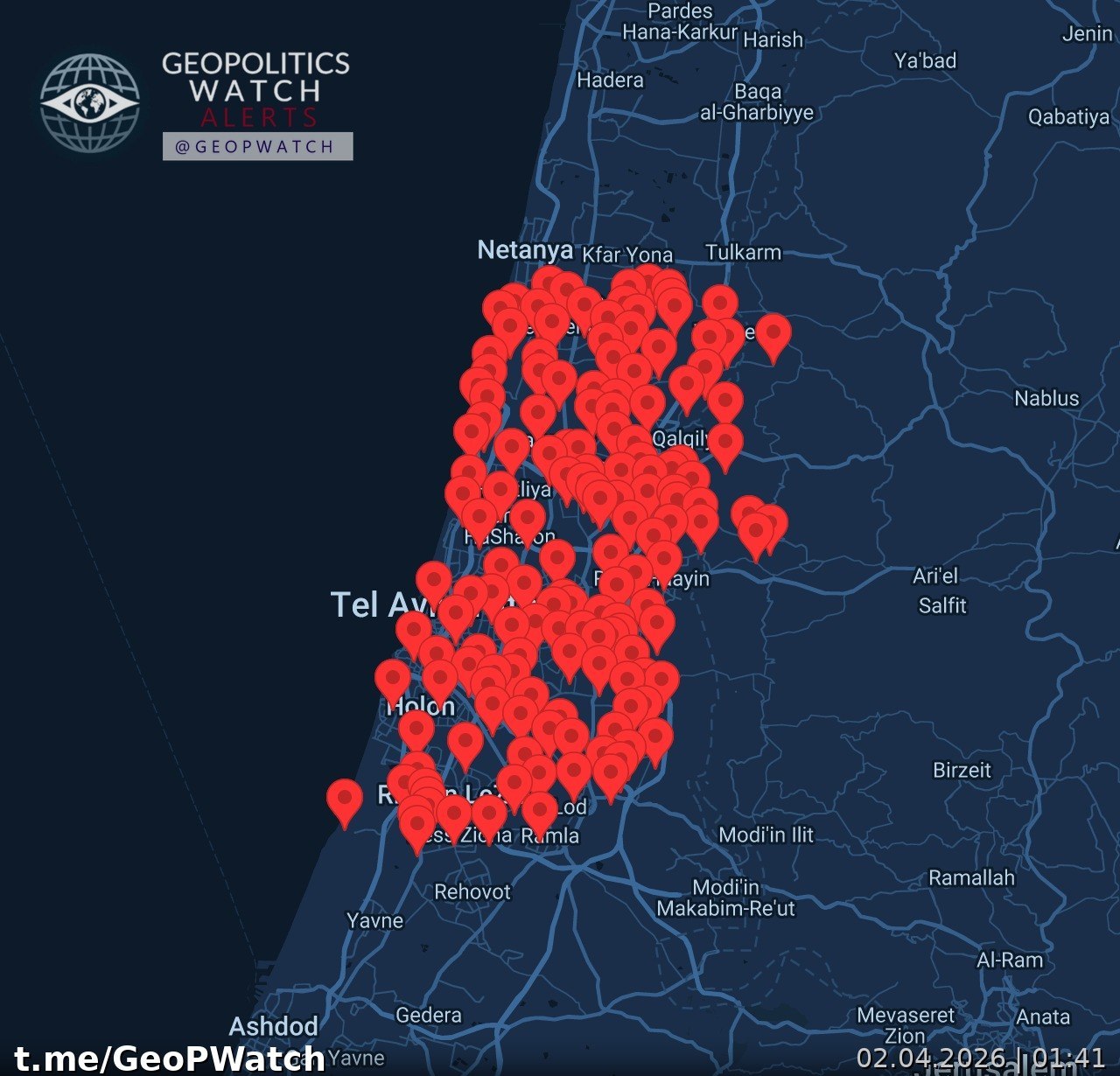
Throughout the day, a series of cluster munition impacts were recorded in densely populated urban centers. At 05:13:16 UTC, a missile carrying cluster bombs struck central Israel, with eyewitnesses in Tel Aviv reporting multiple explosions and debris. The BellumActaNews feed confirmed the use of cluster munitions, a weapon type prohibited under the Convention on Cluster Munitions, though Israel is not a signatory.
In Bnei Brak, a cluster munition impact at 05:08:13 UTC injured at least twenty civilians, according to rnintel. Similar incidents were reported in Tel Aviv and Petah Tikva, where cluster impacts caused fires and structural damage. The cumulative effect of these attacks generated a cascade of red alerts across the metropolitan area, as documented by the RocketAlert network, which logged more than thirty separate alerts between 05:00 and 23:00 UTC.
Hezbollah Rocket Fire from Southern Lebanon
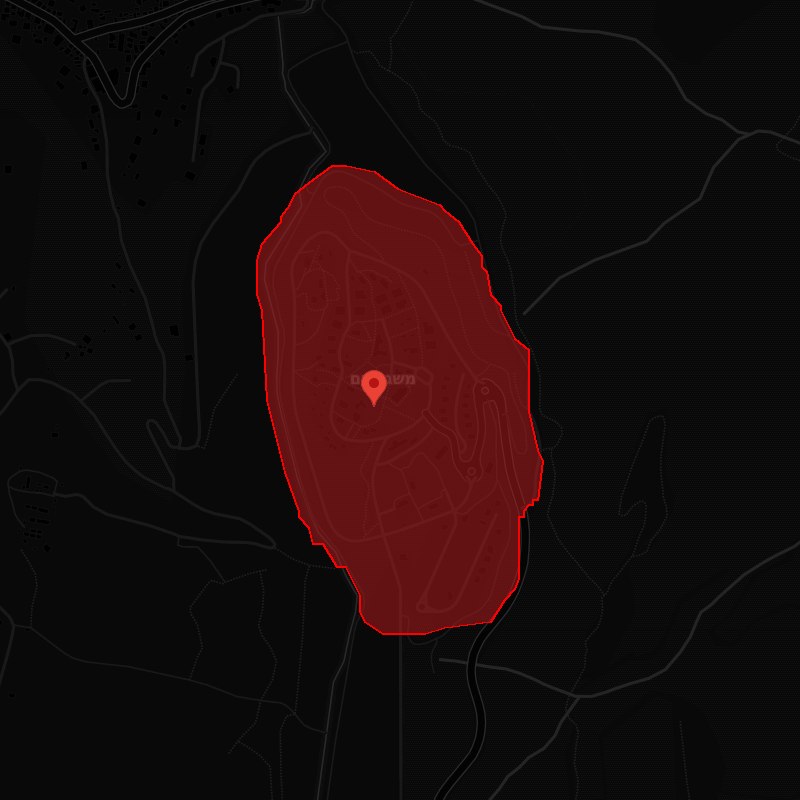
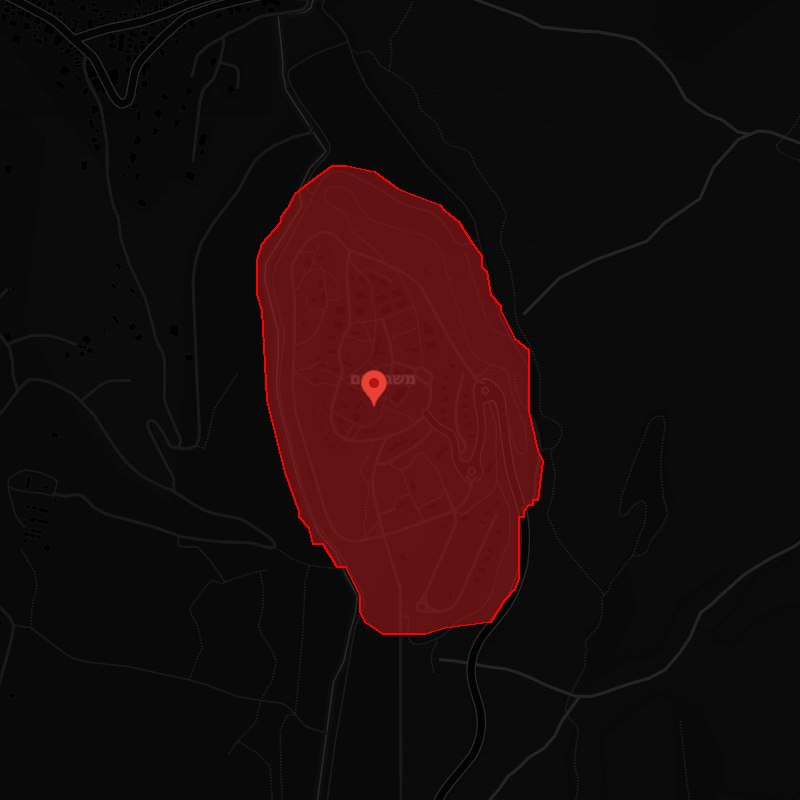
Hezbollah continued its cross‑border rocket fire against northern Israeli communities. At 12:00:19 UTC, rockets launched from Lebanon struck Kiryat Shmona, prompting the Iron Dome to engage. No casualties were reported, but the incident highlighted the persistent threat from Lebanese armed groups. Earlier, at 03:45:41 UTC, Hezbollah fired rockets at Kiryat Shmona, again activating Israel’s air‑defence network.
Hezbollah also claimed the destruction of two Israeli Merkava tanks in Qantara, southern Lebanon, using anti‑tank guided missiles (ATGMs) at 15:30 and 22:15 UTC, as reported by GeoPWatch. While these engagements occurred outside Israeli territory, they contributed to the overall kinetic pressure on Israel’s northern and southern fronts.
Israeli Ground Casualties in Southern Lebanon
In parallel, Israeli Defence Forces (IDF) reported 48 soldiers wounded over a 24‑hour period in clashes across southern Lebanon, as detailed by monitor_the_situation at 17:02:34 UTC. The injuries resulted from artillery exchanges and small‑arms fire, underscoring the multi‑theater nature of the conflict.
Air‑Defence Interceptions and Regional Spill‑over
Israel’s air‑defence network intercepted several inbound threats. A ballistic missile targeting the Golan Heights was intercepted west of the area at 05:49:21 UTC, according to monitor_the_situation. Additionally, a Houthi‑launched ballistic missile aimed at southern Israel was shot down over Jordan at 06:45:35 UTC, demonstrating the involvement of non‑state actors in the broader missile exchange.
These interceptions, while successful, generated debris that fell over civilian areas, prompting concerns about secondary damage and casualties.
Operational Impact and Strategic Implications
The April 1 kinetic surge reflects a marked escalation in Iran’s direct targeting of Israeli civilian infrastructure, complemented by proxy actions from Hezbollah and the Houthis. The use of ballistic missiles, cruise missiles, and cluster munitions indicates a diversification of Iran’s strike repertoire, challenging Israel’s layered defence architecture.
Israel’s response, characterized by rapid activation of the Iron Dome, deployment of Patriot batteries, and retaliatory airstrikes on Hezbollah positions in Beirut’s Jnah district (killing five and wounding 21), illustrates a high‑intensity, multi‑domain conflict environment.