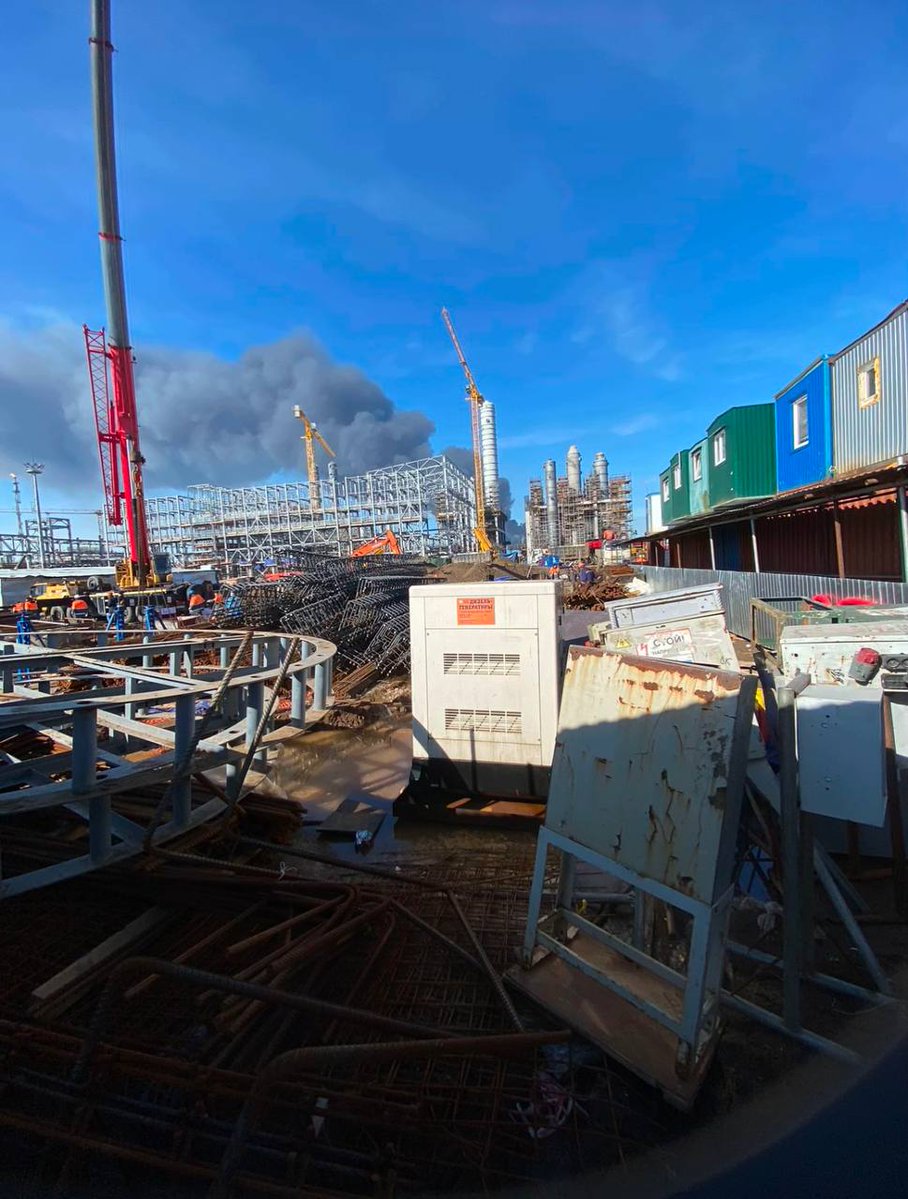
On 1 April 2026, Iran executed an unprecedented kinetic operation, launching 89 successive waves of ballistic missiles, cruise missiles and attack drones against a broad set of targets that included United States military installations, critical regional infrastructure, Kurdish areas and Israel. The scale and coordination of the attack represent the most significant escalation in the ongoing regional war to date.
"Iran launched 89 waves of ballistic missiles, cruise missiles and drones against US bases, regional infrastructure, Kurdish areas and Israel, marking a major escalation." – monitor_the_situation, 2026‑04‑01T18:27:13, source
The barrage employed a mixed arsenal of ballistic missiles, cruise missiles and unmanned aerial systems. While precise casualty figures were not released, the attacks were reported to have struck multiple undisclosed locations across the Middle East, underscoring Iran’s capacity to conduct large‑scale, multi‑theater operations.
IRGC’s Direct Missile and Drone Assault on Israel
Earlier that day, at 11:05 UTC, Iran’s Revolutionary Guard Corps (IRGC) launched a second wave, deploying over 100 missiles and attack drones aimed at Israeli territory. The operation followed recent US‑Israeli strikes on Iranian assets and heightened the risk of a broader confrontation.
"Iran's Revolutionary Guard Corps launched over 100 missiles and attack drones at Israel." – monitor_the_situation, 2026‑04‑01T11:05:05, source
The IRGC’s launch employed a combination of short‑range ballistic missiles and loitering drones, though no immediate damage or casualty reports were confirmed.
U.S. Strategic Air Deployments
In parallel with Iranian offensives, the United States escalated its own kinetic posture. At 22:30 UTC, a U.S. B‑52 bomber loaded with conventional bombs departed from RAF Lakenheath in the United Kingdom, en route to potential strike missions over Iran.
"A B‑52 American bomber loaded with bombs takes off from the British base Lakenheath on the way to Iran." – intelslava, 2026‑04‑01T22:30:34, source
Earlier, at 14:25 UTC, a separate USAF B‑52 took off from England carrying a payload of 500‑pound GPS‑guided JDAM bombs, further indicating preparation for precision strikes against Iranian targets.
"USA B‑52 bomber launched from England carrying JDAM bombs for a strike mission over Iran." – BellumActaNews, 2026‑04‑01T14:25:31, source
These deployments signal a direct U.S. response capability, aligning with the broader coalition effort to deter further Iranian aggression.
Israeli Air Force Counter‑Strikes
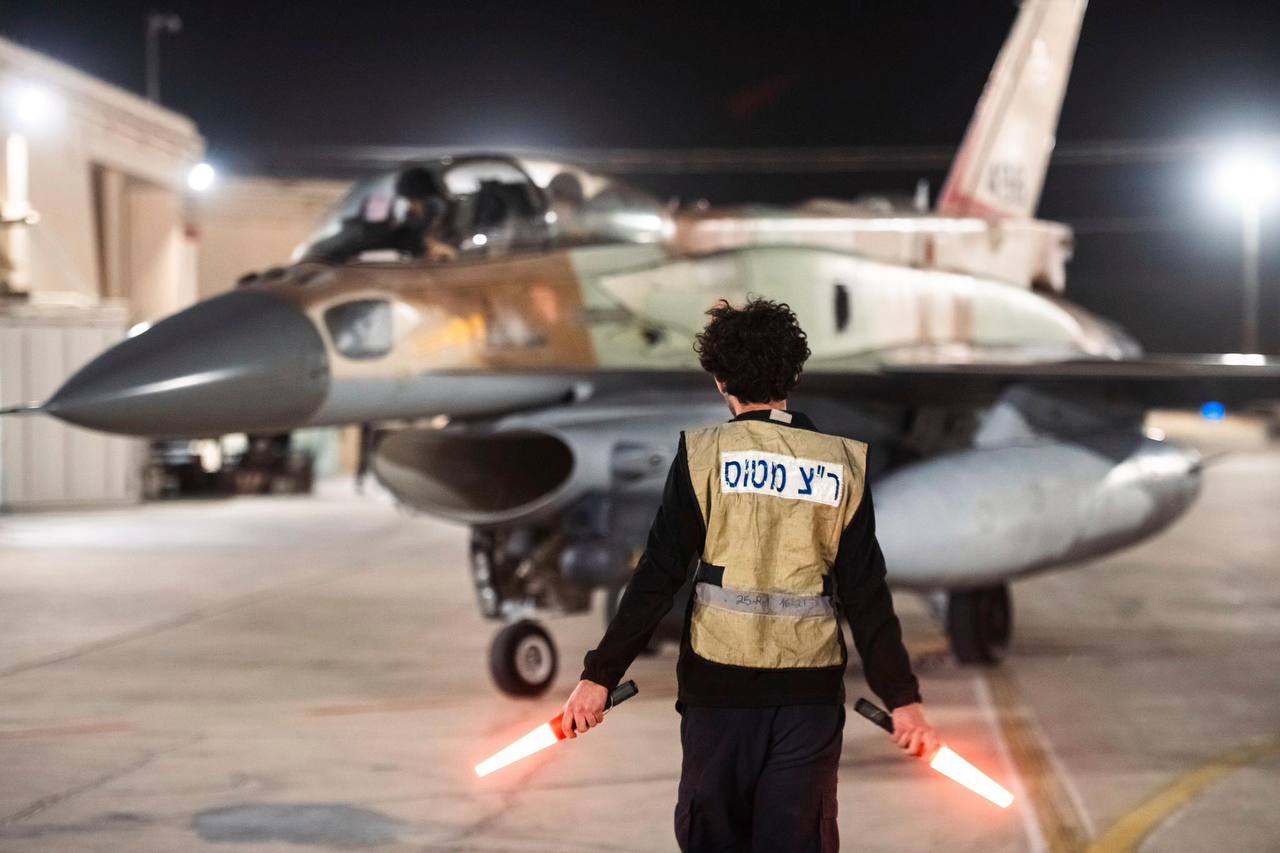
Israel responded with a series of air operations targeting Iranian military and nuclear facilities. An IDF spokesperson told Yedioth Ahronoth that the Israeli Air Force had completed strikes on all identified strategic sites, rendering them inoperable.
"The Israeli Air Force has completed its strikes on military and nuclear industries in Iran. All sites identified as strategic targets have been put out of service." – BellumActaNews, 2026‑04‑01T21:23:27, source
Additional Israeli strikes focused on a factory alleged to produce fentanyl for Iran’s chemical weapons program. The IDF claimed the operation also damaged a major pharmaceutical company, highlighting the dual-use nature of the targeted facilities.
"The Israeli Defense Forces struck a factory in Iran that produces fentanyl, which Iran says also damaged a major pharmaceutical company." – OSINTdefender, 2026‑04‑01T17:59:42, source
These actions illustrate Israel’s intent to degrade Iran’s offensive capabilities and its chemical weapons development pathway.
Regional Missile and UAV Alerts
Throughout the day, multiple missile alerts were reported across Israel, with at least ten ballistic missiles launched in a single barrage and additional Ghadr medium‑range liquid‑fuel missiles fired under meteorological conditions designed to hinder detection.
"Iran launched a medium-range Ghadr ballistic missile under conditions that hinder enemy detection." – intelslava, 2026‑04‑01T21:30:36, source
Domestic alert systems, such as RocketAlert, logged numerous UAV and missile warnings in densely populated areas including Tel Aviv, Petach Tikva and the Upper Galilee. While no confirmed interceptions were reported for these specific alerts, the high frequency underscores the heightened state of readiness on the Israeli side.
Drone Interceptions and Losses
Iran claimed the downing of two U.S. MQ‑9 Reaper drones, bringing the total U.S. losses to sixteen drones in the current campaign.
"Iran has shot down two more American MQ‑9 Reaper drones, total losses now 16." – intelslava, 2026‑04‑01T18:42:38, source
Conversely, Ukrainian air defenses reported a successful nationwide operation, intercepting 298 of 339 Russian drones launched overnight, demonstrating effective counter‑UAV capabilities in a separate theater.
"Ukraine Downs 298 Russian Drones in Nationwide Overnight Attack." – monitor_the_situation, 2026‑04‑01T06:46:53, source
Naval and Ground Movements
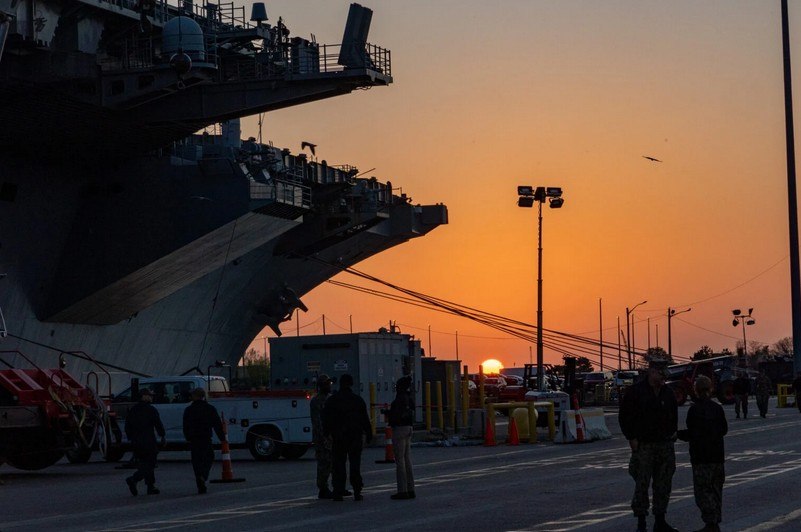
The U.S. Navy’s carrier USS George H.W. Bush departed Norfolk for a week‑long deployment to the Middle East, reinforcing the American presence in the region.
"USS George H.W. Bush carrier leaves Norfolk for the Middle East, a week‑long deployment." – GeoPWatch, 2026‑04‑01T12:45:42, source
In a separate development, the Nevada Air National Guard announced the deployment of airmen for the newly named Operation Epic Fury, though mission details remain undisclosed.
"Nevada Air National Guard Deploys Airmen for Operation Epic Fury." – monitor_the_situation, 2026‑04‑01T02:52:59, source
Chemical Weapons Concerns
Iran’s production of a fentanyl‑based reactor for its chemical weapons program was reported, adding a non‑kinetic but strategically significant dimension to the conflict.
"Iran is producing a fentanyl reactor for its own chemical weapons program." – BellumActaNews, 2026‑04‑01T04:44:48, source
Israeli statements linked the targeted Iranian factory to the supply of synthetic opioid fentanyl to the SPND, Iran’s defense research agency, reinforcing the perception of a chemical weapons threat.
"The Israeli Defense Forces say they struck an Iranian factory producing synthetic opioid fentanyl for the country's chemical weapons program." – BellumActaNews, 2026‑04‑01T04:40:13, source
Assessment
The coordinated Iranian missile and drone barrage, combined with IRGC missile launches and the involvement of allied non‑state actors such as the Houthis, marks a decisive escalation in kinetic operations across the Middle East. The United States and Israel have responded with strategic air deployments, precision strikes, and heightened defensive postures. The multiplicity of alerts, interceptions and counter‑strikes indicates a rapidly expanding kinetic environment that could broaden beyond the current theaters if de‑escalation measures are not pursued.