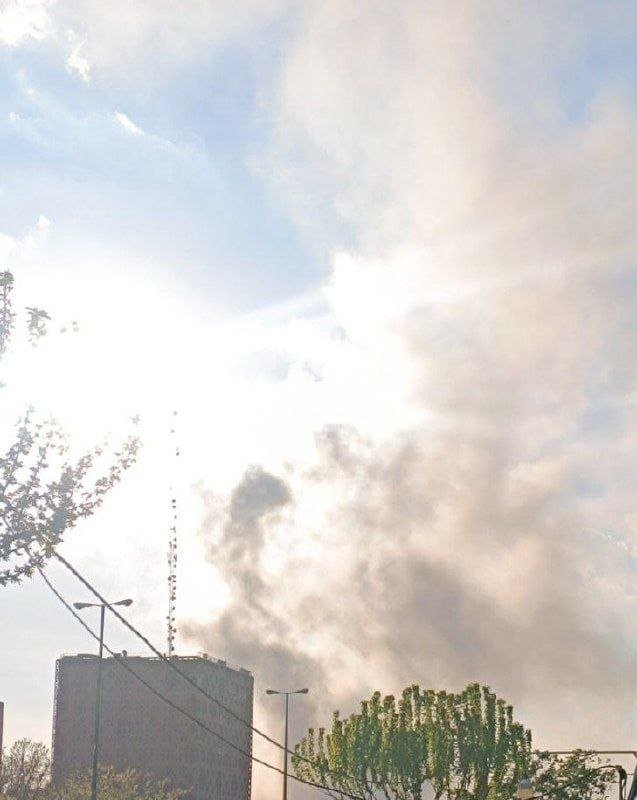
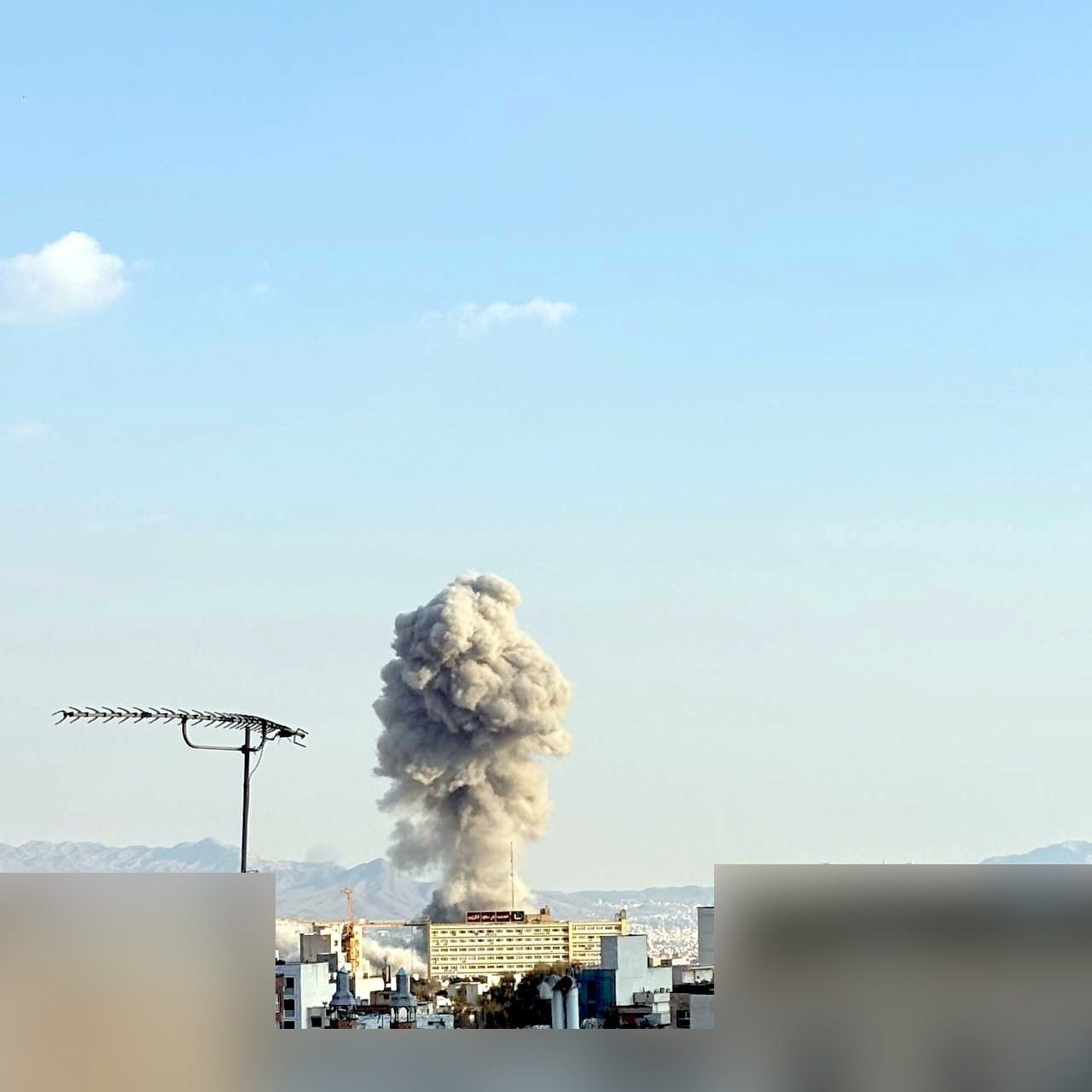
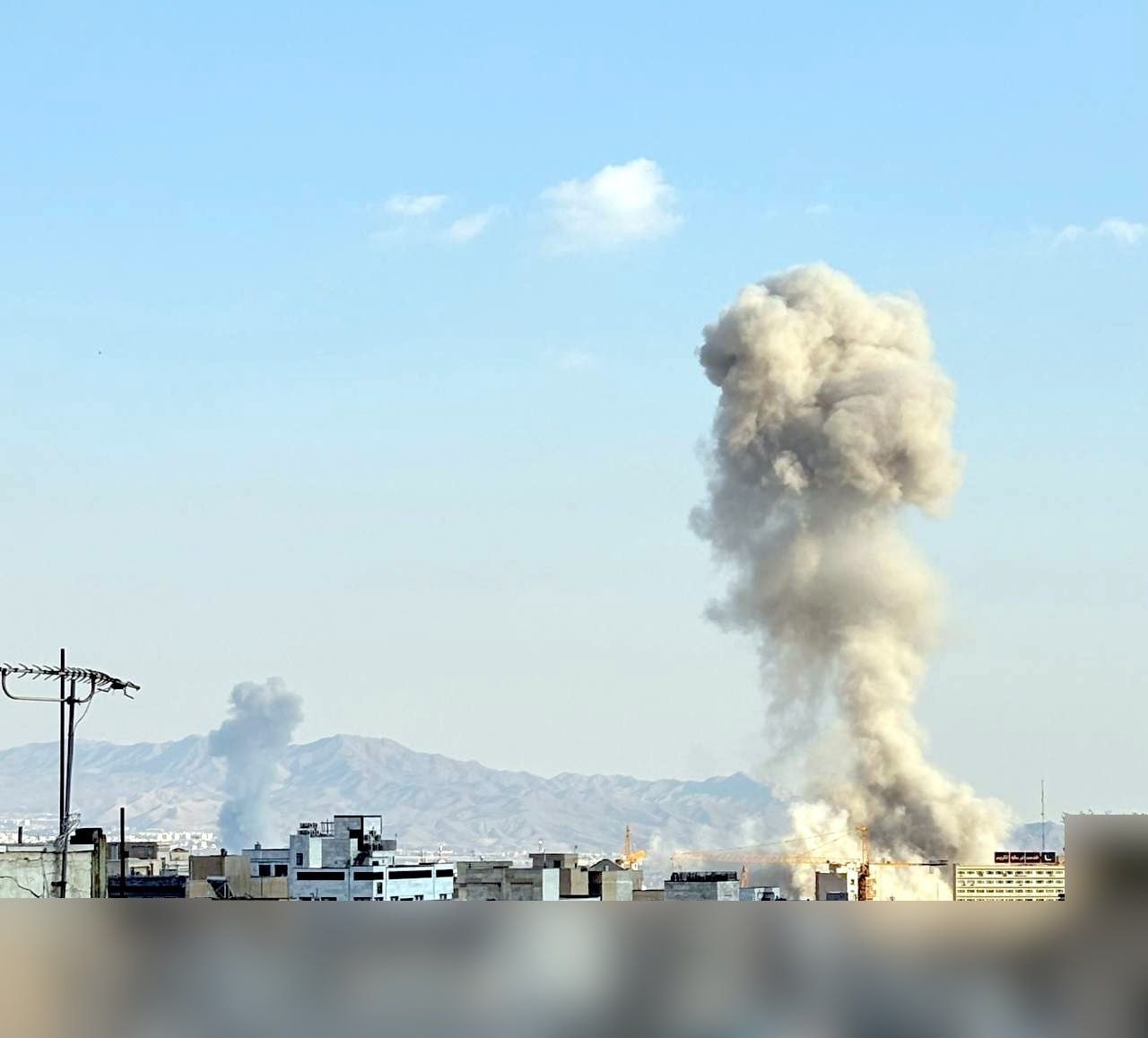
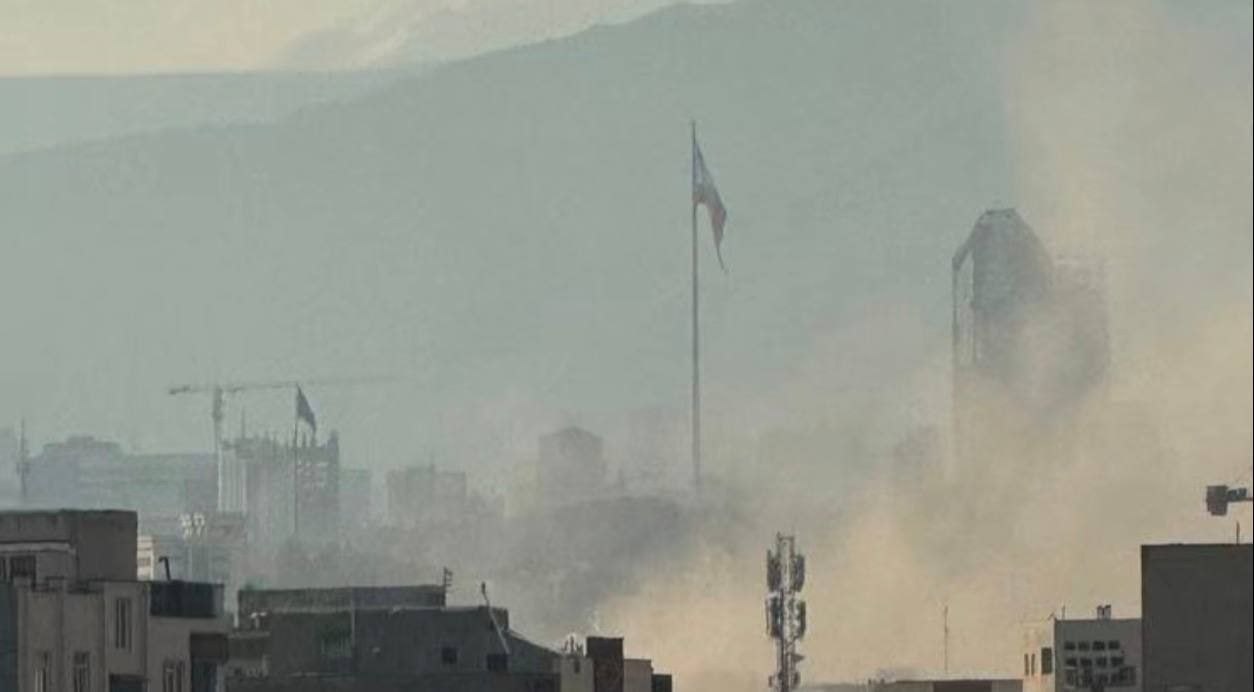
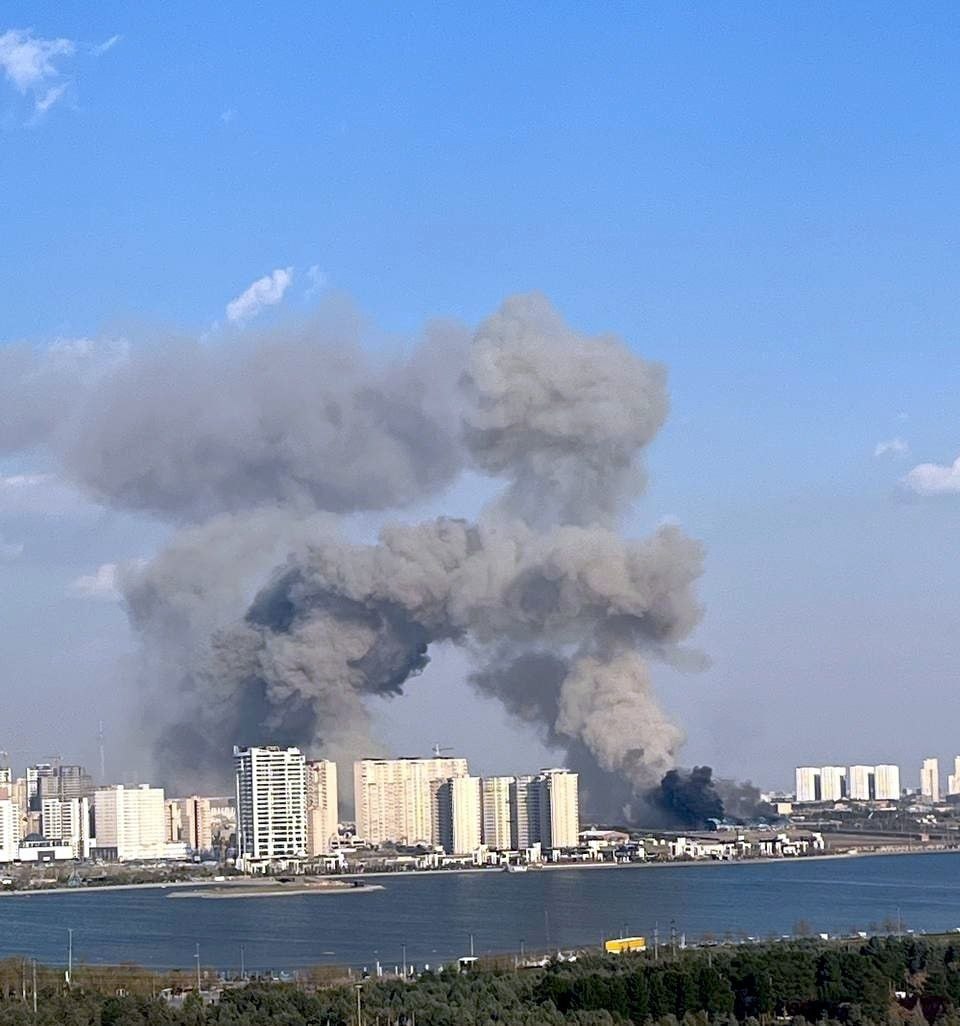
On 1 April 2026 at 20:30 local time, an Israeli airstrike struck central Tehran, marking the most significant kinetic event of the day. The strike, reported by monitor_the_situation (source https://t.me/monitor_the_situation/7576), was part of a broader US‑Israeli operation against Iranian military and leadership targets. While the report did not specify casualties, the attack followed a recent strike that wounded senior official Kamal Kharrazi in his Tehran residence.
"Israeli airstrike hits Tehran, Iran" – @AuroraIntel
Coordinated Tehran Campaign
Between 02:09 and 23:52 UTC, Tehran endured a relentless barrage of airstrikes, rockets, and explosions. The Israeli Air Force alone conducted over 400 strikes using 650 munitions against approximately 15 military production sites, including a key Defense Ministry complex (monitor_the_situation/7497). Earlier, at 15:21 UTC, the Israeli army announced an extensive missile wave across multiple Tehran locations (monitor_the_situation/7492).
Key incidents within the capital include:
- 04:10 UTC – Narmak district building hit by Israeli aircraft (BellumActaNews/169859).
- 06:17 UTC – Wave of airstrikes reported across Tehran (rnintel/57992).
- 06:20 UTC – Old US Embassy struck by Israeli aircraft (rnintel/57996).
- 07:20 UTC – Morning strikes captured on video (intelslava/85704).
- 13:45 UTC – Loud explosions heard throughout the city, reported by an AFP journalist (monitor_the_situation/7462).
Casualty reports from Tehran remain limited, but the cumulative effect on command‑and‑control infrastructure is evident. The IRGC Aerospace Forces headquarters in western Tehran was also struck (monitor_the_situation/7472), underscoring the focus on Iran’s missile and drone capabilities.
High‑Profile Targets Outside the Capital
Southern and central Iran experienced multiple high‑severity attacks:
- Larestan Pasture, Fars Province (22:03 UTC) – A US‑Israeli strike killed four civilians (monitor_the_situation/7593).
- Isfahan (21:01 UTC) – A plume of smoke and embers indicated a US‑Israeli strike over the city (Al Jazeera).
- Kashan airport and surrounding sites (17:54 UTC) – Airstrikes hit the airport and multiple towns in Isfahan Province (monitor_the_situation/7531).
- Baharestan, Isfahan Province (17:58 UTC) – Secondary explosions followed US‑Israeli strikes (monitor_the_situation/7534).
- Arak heavy‑water reactor (09:53 UTC) – Israeli airstrike caused significant damage to the reactor dome (OSINTdefender/18366).
In the south, Kerman and Sirjan were hit by US‑Israeli forces at 08:56 UTC (monitor_the_situation/7392), and a surveillance radar in Bushehr Province was destroyed overnight (05:35 UTC) (monitor_the_situation/7343).
Strategic Maritime Operation in the Strait of Hormuz
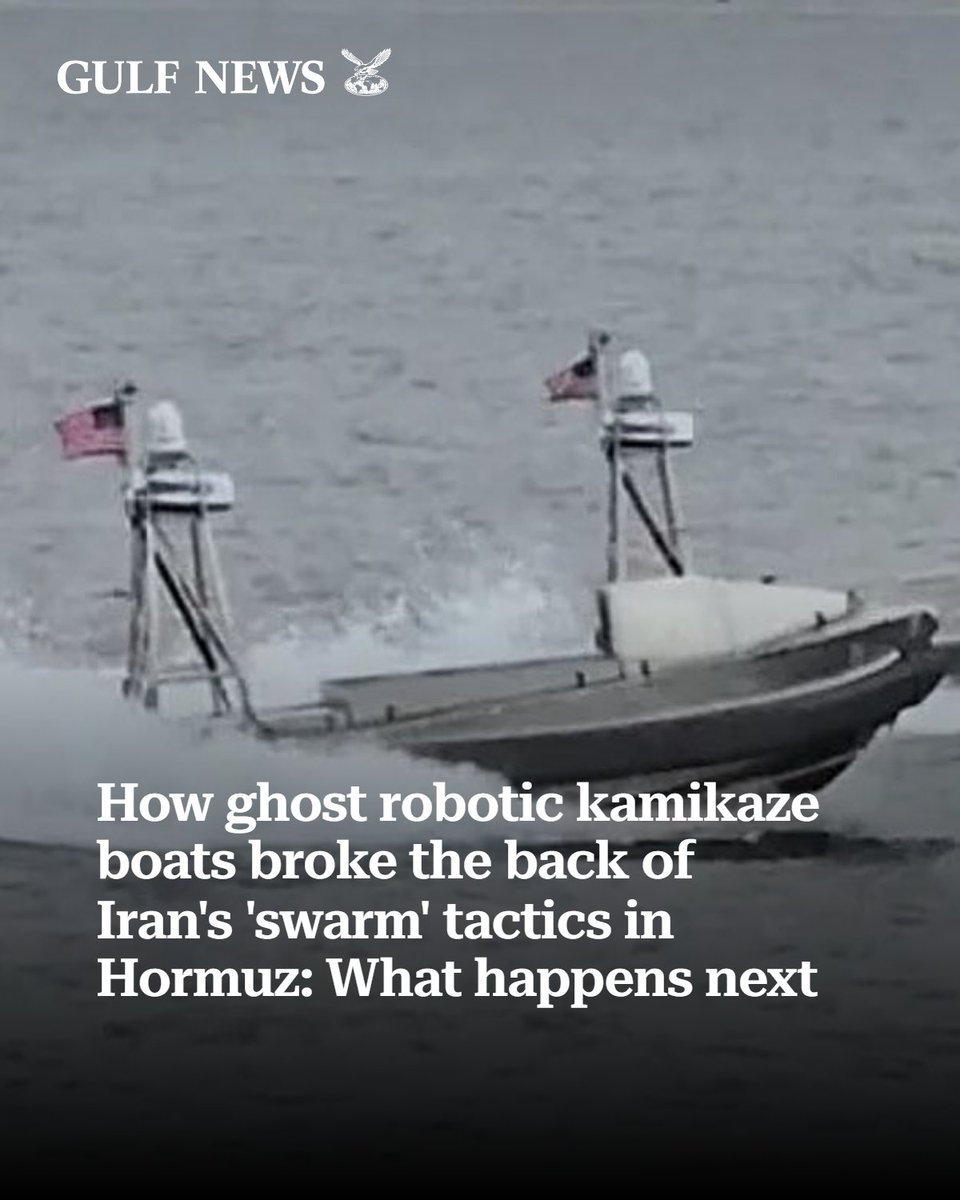
At 18:13 UTC, US forces launched airstrikes and deployed kamikaze ghost boats to break an Iranian blockade of the Strait of Hormuz. The operation employed GBU‑72 bunker‑busters, A‑10 aircraft, and Apache helicopters, successfully reopening the oil shipping lane (monitor_the_situation/7540).
Ballistic Missile Launches and Drone Interceptions
Iran responded with ballistic missile launches from central Iran at 15:02 UTC and from Shiraz/Yazd at 14:52 UTC, targeting Israel and demonstrating continued missile exchange capabilities (monitor_the_situation/7484; CIG_telegram/72906).
US drone losses escalated: two MQ‑9 Reaper UAVs were downed near Isfahan (14:50 UTC) (monitor_the_situation/7481), and a separate MQ‑9 was shot down over Qom by the IRGC (23:52 UTC) (GeoPWatch/30412). Iran also claimed a U.S. LUCAS drone downed over Qazvin (07:05 UTC) (rnintel/58000).
Targeted Assassinations and Explosions
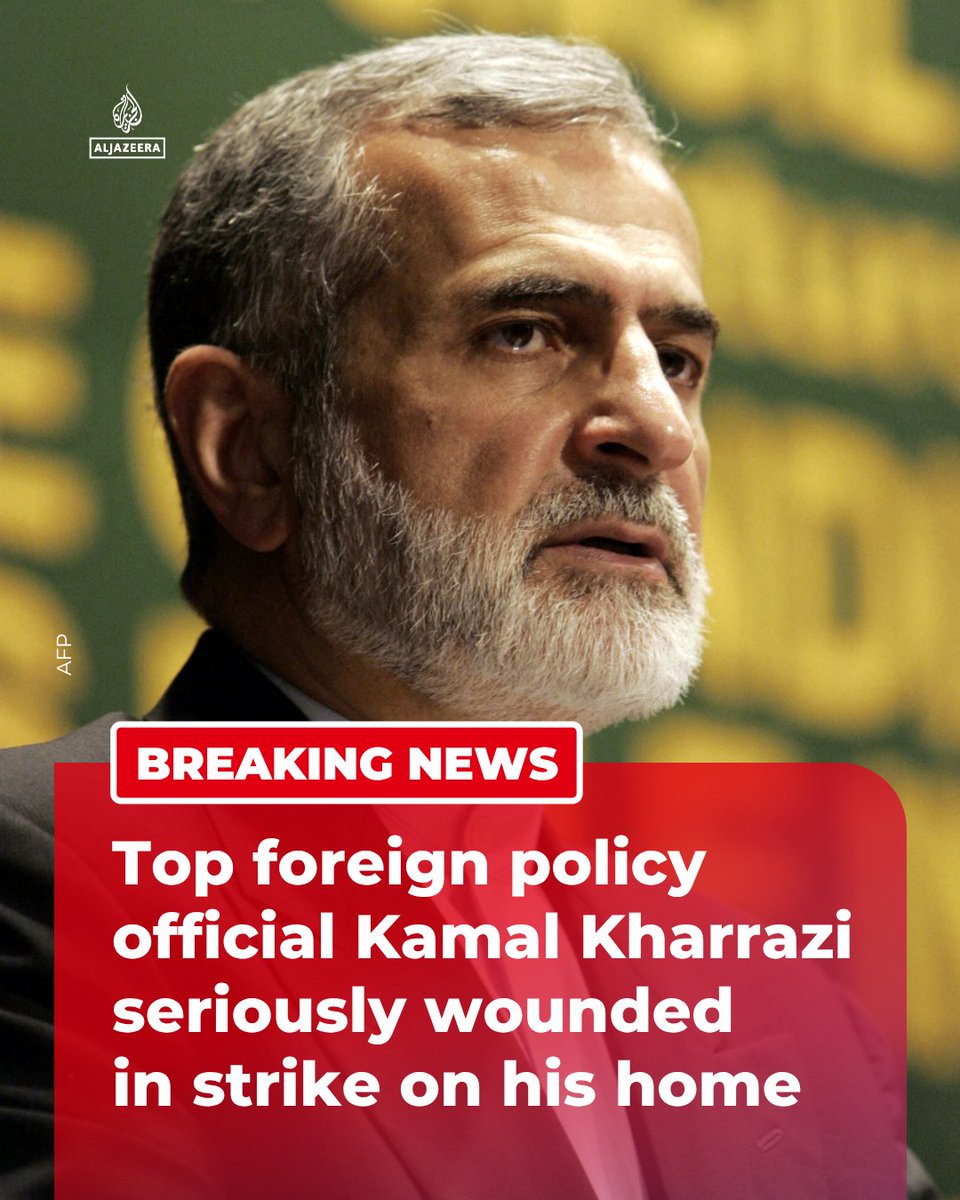
High‑value assassinations included the killing of Quds Force commander Mahdi Vafaei in Mahallat at 05:59 UTC (monitor_the_situation/7348) and the serious wounding of Kamal Kharrazi in his Tehran home at 19:33 UTC (monitor_the_situation/7561).
Explosive incidents were reported at multiple sites: a helicopter‑manufacturing facility in Tehran (15:44 UTC) (BellumActaNews/169872), residential complex in Malard (05:55 UTC) (monitor_the_situation/7346), and a large bomb near an Army Aviation plant (19:13 UTC) (GeoPWatch/30383).
Overall Assessment
The coordinated kinetic campaign on 1 April 2026 reflects a marked escalation in US‑Israeli offensive tempo against Iranian military infrastructure. The concentration of strikes on Tehran’s command nodes, combined with simultaneous attacks on nuclear, industrial, and transportation assets across the country, indicates an intent to degrade Iran’s war‑fighting capacity while maintaining pressure on its regional proxies. The maritime operation in the Strait of Hormuz demonstrates a willingness to project power beyond Iranian territory to secure strategic waterways.
Casualty figures remain fragmented, but confirmed deaths include four civilians in Larestan Pasture and the targeted killing of a Quds Force commander. The extensive use of precision munitions, bunker‑busting bombs, and unmanned systems underscores the high‑technology nature of the conflict.