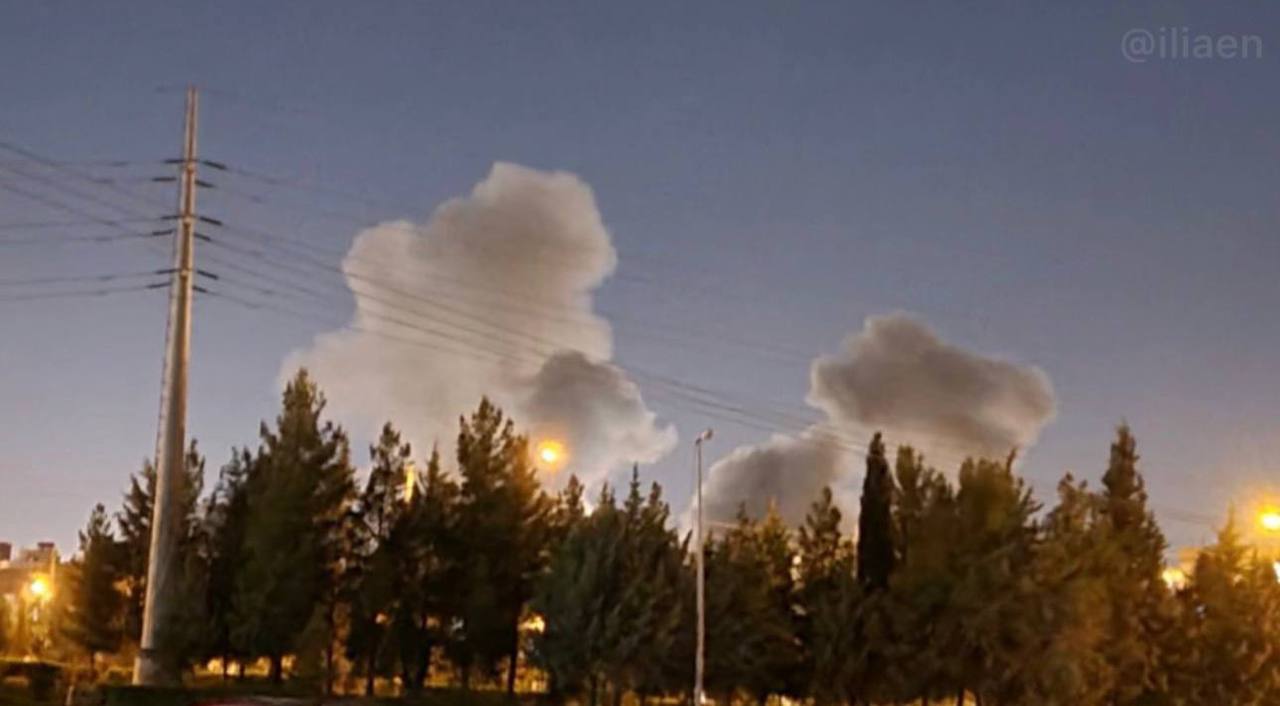
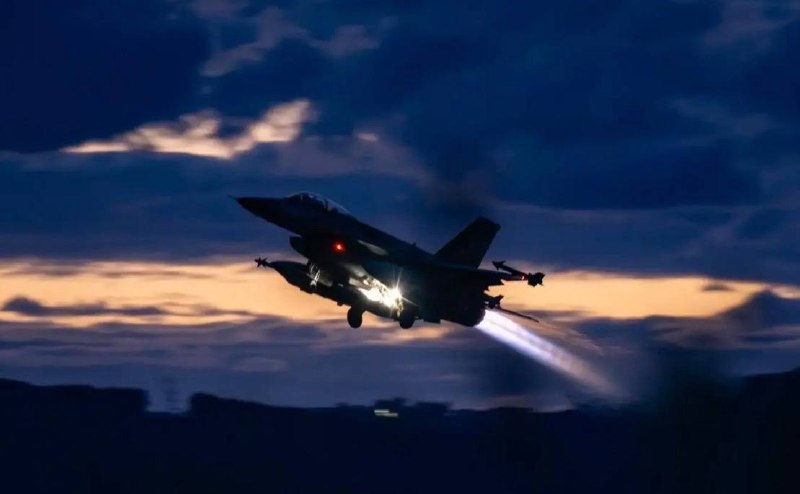
On 31 March 2026 at 19:10 UTC, United States and Israeli forces launched a joint airstrike on Iran's Natanz nuclear facility, marking the most significant kinetic event of the day and raising the conflict to a new strategic level. The strike was reported by the Telegram channel monitor_the_situation (source) and was described as a direct attack on critical nuclear infrastructure. No immediate casualty figures were released, but the targeting of a uranium enrichment site signals a clear intent to degrade Iran’s nuclear capabilities.
Broadening Air Campaign Across the Country
Within hours of the Natanz attack, a series of coordinated airstrikes unfolded across Iran. The United States military announced that it had struck more than 11,000 targets nationwide, including multiple sorties over Tehran (monitor_the_situation). Israeli Defense Forces (IDF) also confirmed separate strikes on Tehran earlier in the day (BellumActaNews), emphasizing a synchronized effort to pressure Iran’s command‑and‑control and missile production facilities.
Key Urban Targets and Reported Casualties
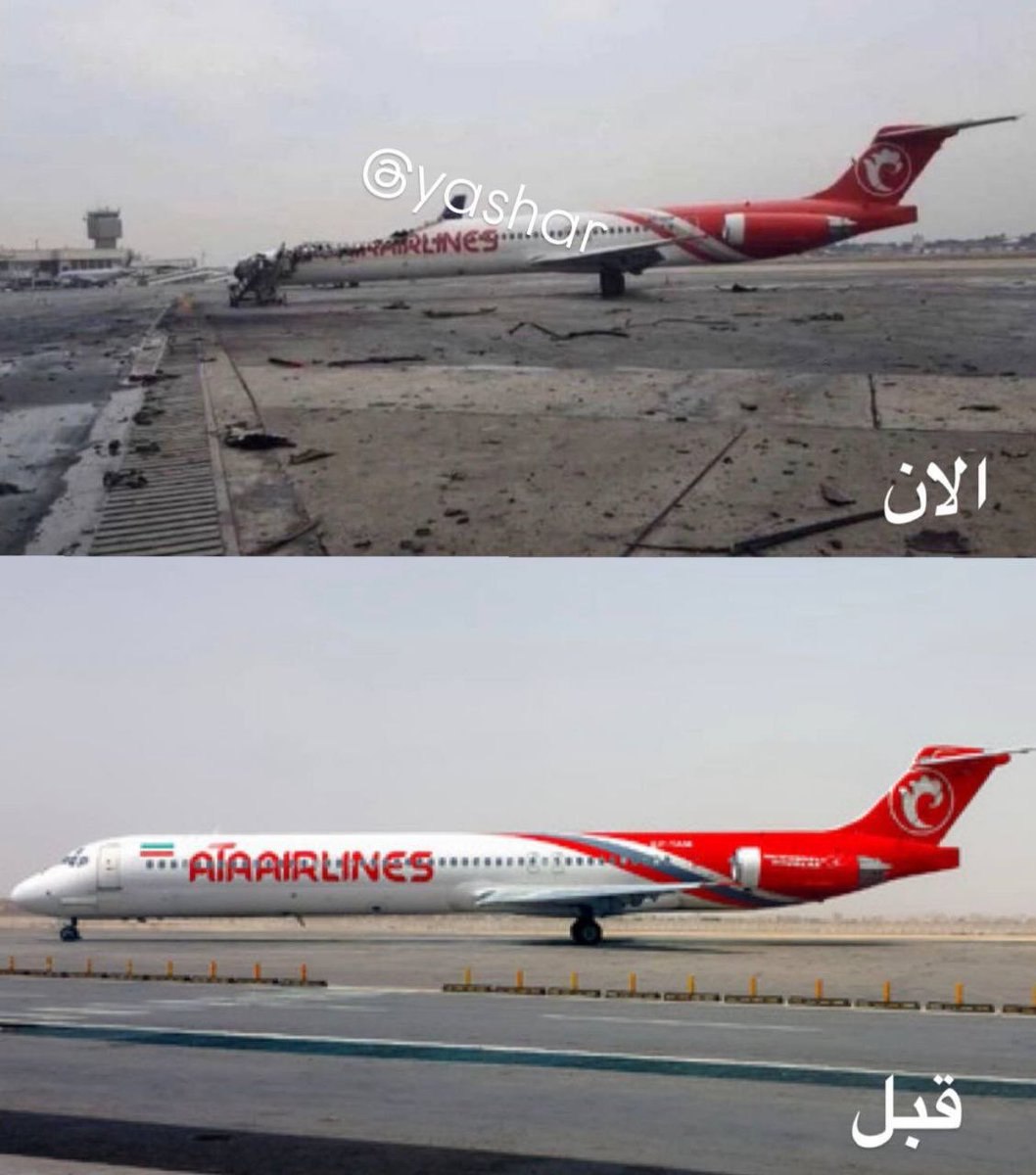
In Tehran, US‑Israeli forces destroyed Iranian aircraft at an undisclosed airfield (monitor_the_situation) and damaged a ZU‑23‑2 anti‑aircraft gun mounted on a high‑rise roof, killing one operator and injuring two others (intelslava). Power outages were reported after strikes on an electric substation (GeoPWatch), though service was later restored (GeoPWatch).
In Isfahan, a night‑time barrage involving bunker‑busting bombs caused massive secondary explosions and large fires (AlJazeera; monitor_the_situation). According to GeoPWatch, the combined United States Air Force (USAF) and Islamic Republic of Iran Air Force (IAF) strikes killed nine children and a teacher in a residential district (GeoPWatch). A separate US strike on an ammunition depot employed 2,000‑pound bunker‑busting bombs (intelslava), while another operation targeted storage bunkers rather than underground missile sites (rnintel).
Shiraz experienced multiple attacks: airstrikes on the city itself (monitor_the_situation), the eastern suburbs of Tehran (monitor_the_situation), and the Shahid Dastgheib International Airport (monitor_the_situation). The Sefidasht Steel Complex in Borujen was also hit (monitor_the_situation), and the Mobarakeh Steel Plant in Isfahan province sustained missile damage (monitor_the_situation).
Missile Launches and Retaliatory Actions
In response to the US‑Israeli air campaign, Iran launched a ballistic missile from Isfahan, as reported by monitor_the_situation (source). The missile launch was framed as a direct retaliation for recent strikes on Iranian missile facilities.
Civilian Infrastructure and Human Cost
Beyond military targets, the kinetic phase struck civilian infrastructure. A US‑made Precision Strike Missile (PrSM) with a cluster warhead hit a school gym in Lamerd, killing 21 people (intelslava). The same day, a US airstrike disabled a desalination unit on Qeshm Island, cutting water supply to dozens of villages (BellumActaNews). A joint US‑Israeli strike on a cancer‑drug production facility in Tehran added to the list of non‑military sites affected (monitor_the_situation).
High‑Profile Assassinations
Targeted killings were also reported. A top Iranian general and his family were killed in Tehran (monitor_the_situation), while an IRGC engineering officer at the Al‑Ghadir headquarters was reportedly assassinated by the Israeli Air Force (BellumActaNews). An IRGC commander in Alborz Province was likewise eliminated (BellumActaNews).
Operational Highlights and Weapon Systems
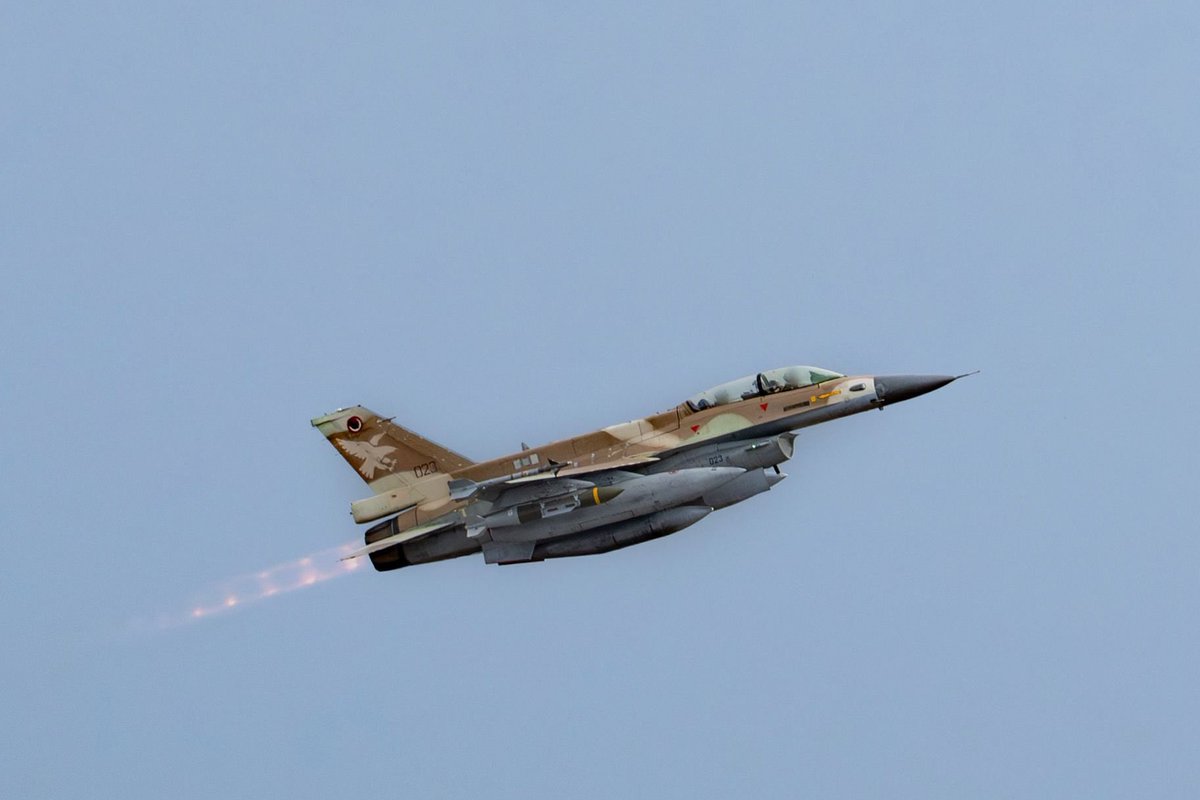
The day’s kinetic actions employed a range of weaponry: bunker‑busting bombs, 2,000‑pound precision bombs, PrSM ballistic missiles, conventional missiles, and air‑launched bombs. Both US and Israeli air forces operated jointly, with the Israeli Air Force confirming early‑morning strikes on Tehran infrastructure (monitor_the_situation) and the US Air Force conducting repeated sorties over central Iran (monitor_the_situation).
"The coordinated strikes on Natanz and multiple urban centers represent a decisive escalation aimed at crippling Iran's nuclear and missile programs while imposing costly civilian losses," said a senior analyst at monitor_the_situation.
Overall, the March 31 kinetic phase demonstrates a marked intensification of US‑Israeli military pressure on Iran, with a clear focus on nuclear, missile, and industrial targets, accompanied by a rising civilian toll.