On 30 March 2026, a coordinated US‑Israeli operation delivered the most consequential kinetic blow to the Islamic Republic in a single day. According to multiple open‑source channels, a high‑altitude airstrike over central Tehran killed Supreme Leader Ali Khamenei and National Security Chief Ali Larijani, while simultaneous bombings across the capital and several provincial cities produced massive explosions, crippled critical infrastructure, and generated dozens of additional casualties.
Chronology of the day’s highest‑severity events
18:04 UTC – Assassination of Iran’s top leadership: The channel monitor_the_situation reported that US and Israeli airstrikes struck a government compound in Tehran, killing Khamenei and Larijani. The claim was accompanied by video footage of the blast and a brief statement from the US Central Command confirming “precision engagement of high‑value regime targets.” No official Iranian confirmation was available at the time of writing.
“The death of the Supreme Leader constitutes a watershed moment in the regional security environment,” – analysis from a senior US defense official, cited by monitor_the_situation.
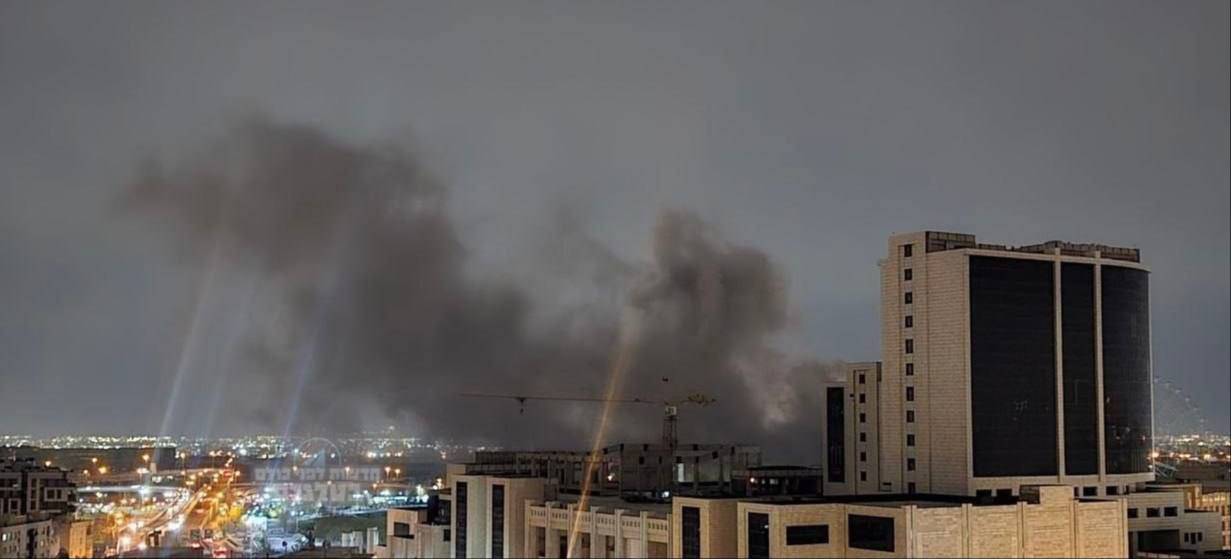
23:58 UTC – Massive explosions in Tehran: A second wave of strikes, again attributed to US and Israeli forces, hit multiple undisclosed sites in the capital, producing “massive explosions” captured on civilian video. The footage, posted by monitor_the_situation, shows fireballs over the city’s skyline and extensive smoke plumes. The strikes followed earlier attacks on Isfahan and appear to be part of a broader campaign targeting Iran’s command‑and‑control network.
“The scale of the explosions suggests the use of high‑yield ordnance, likely bunker‑busting munitions,” – technical assessment, monitor_the_situation.
20:44 UTC – Isfahan underground missile depot: US and Israeli air forces employed bunker‑busting bombs against an underground missile storage facility in Isfahan, according to the same channel. Satellite imagery later showed a large crater and the collapse of surface structures, indicating successful penetration of hardened targets.
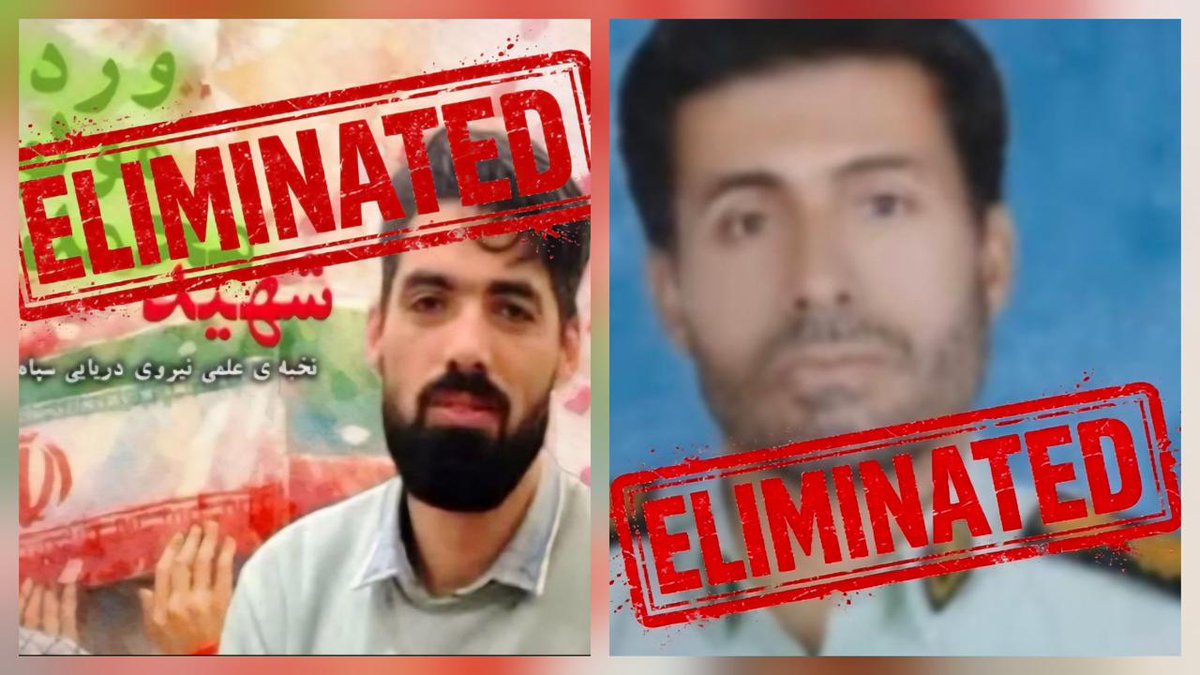
22:00 UTC – Assassinations in Khorramabad: Two senior officials – intelligence chief Ali Cheraghi and IRGC IT officer Mohammad Molavi Vardanjani – were killed in a targeted operation in Khorramabad. The report, also from monitor_the_situation, included a photo of the aftermath and identified the victims as key figures in Iran’s internal security apparatus.
22:00 UTC – Drone factory destroyed in Ardan district: A video posted by the opposition channel visionergeo showed a drone‑manufacturing facility in Tehran’s Ardan district reduced to rubble. The strike was attributed to US‑Israeli forces, though no official claim was made.
21:29 UTC – Shiraz munitions depots: The channel rnintel released video of airstrikes on ammunition storage sites in Shiraz, confirming the continuation of the southern‑Iran strike wave.
20:22 UTC – Dozens of explosions on Dadman Boulevard: BellumActaNews reported a series of explosions on a major thoroughfare in western Tehran, prompting a rapid security cordon. The cause was not immediately identified, but the timing coincides with the broader strike campaign.
Weapons, platforms and responsible organizations
The majority of the strikes were delivered by high‑altitude aircraft and precision‑guided munitions. Specific weapon types mentioned include:
- Bunker‑busting bombs (Isfahan missile depot)
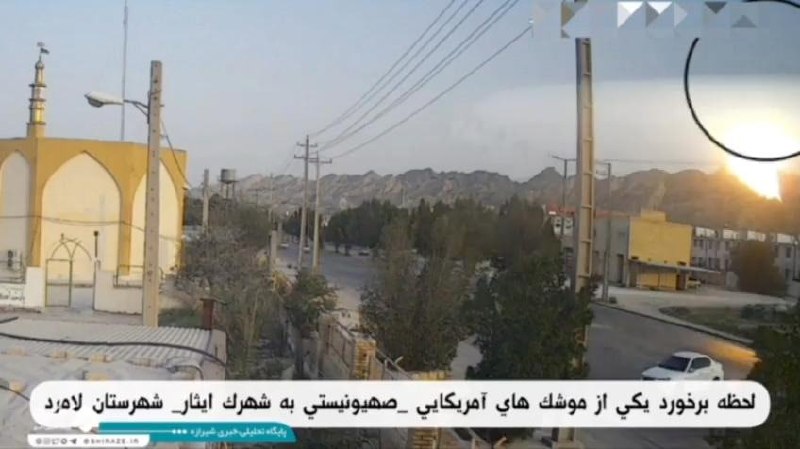
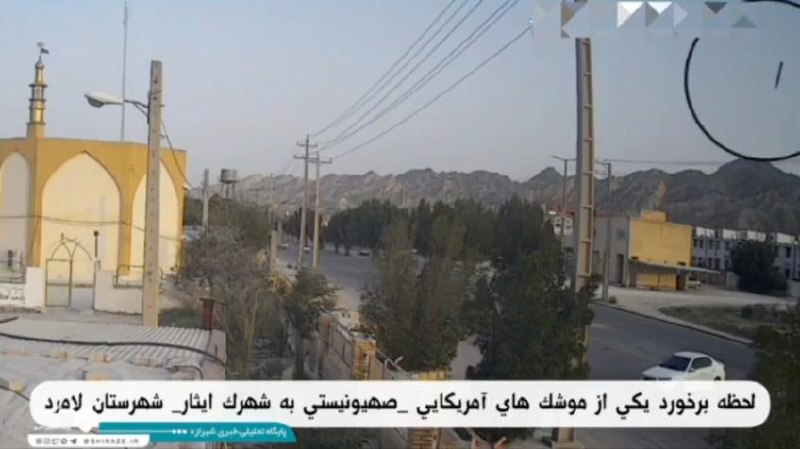
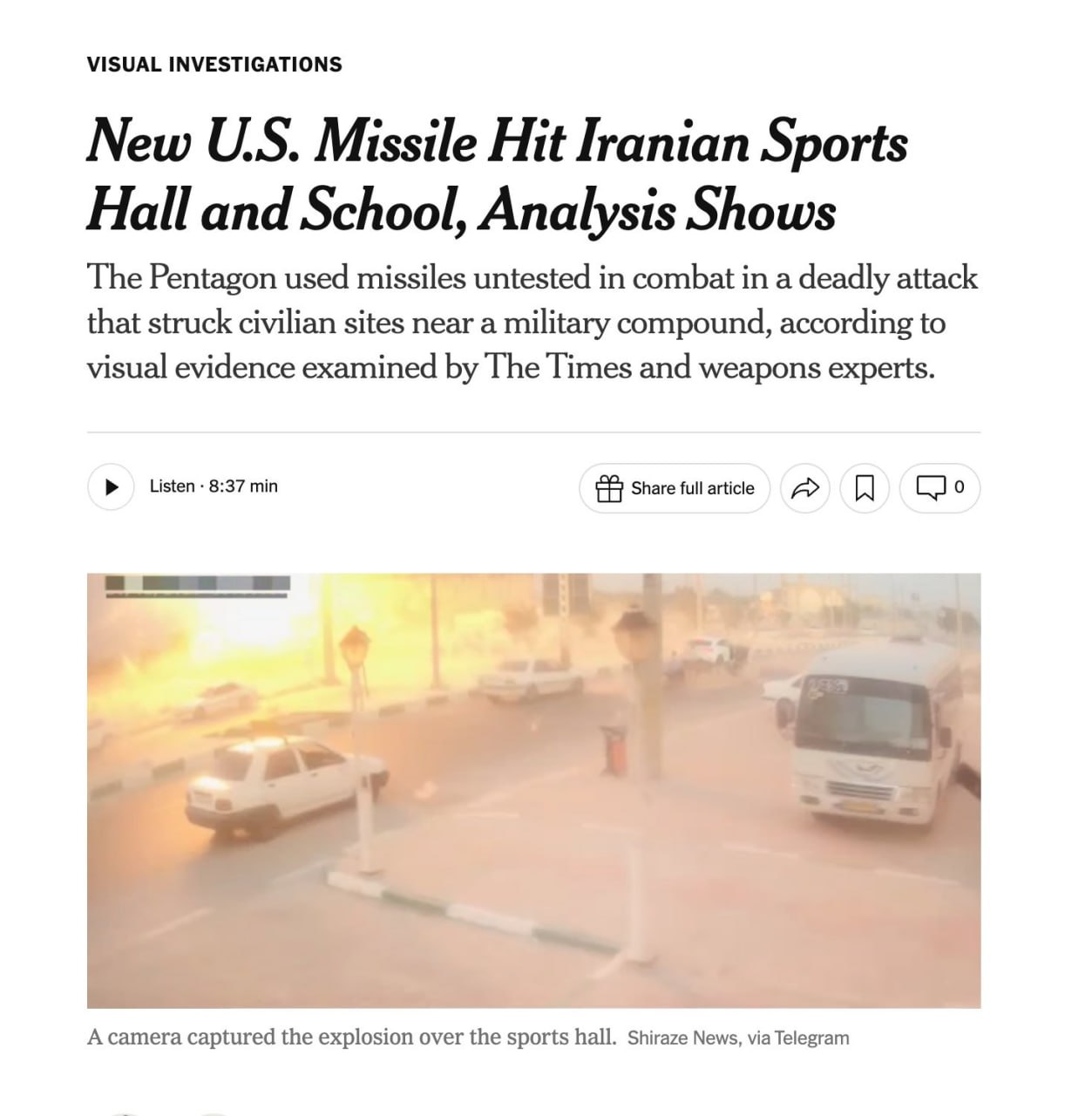
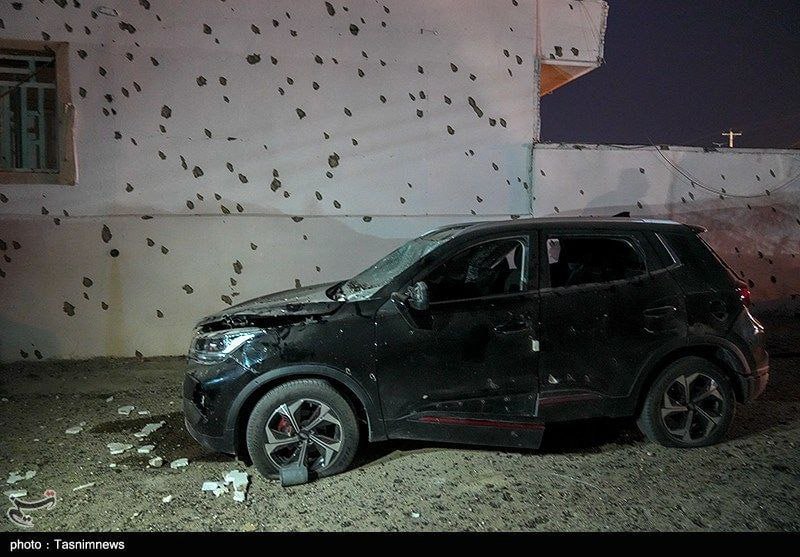
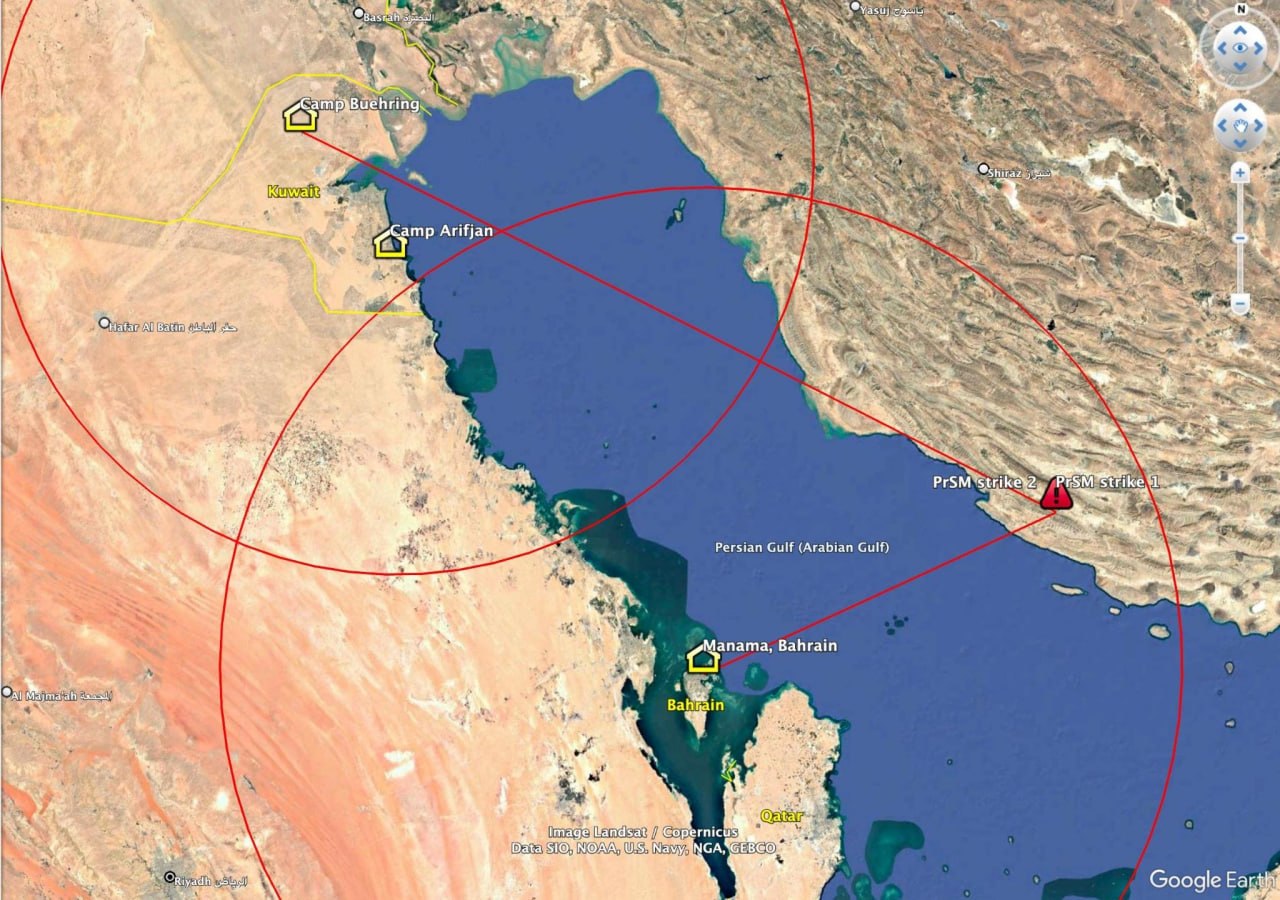
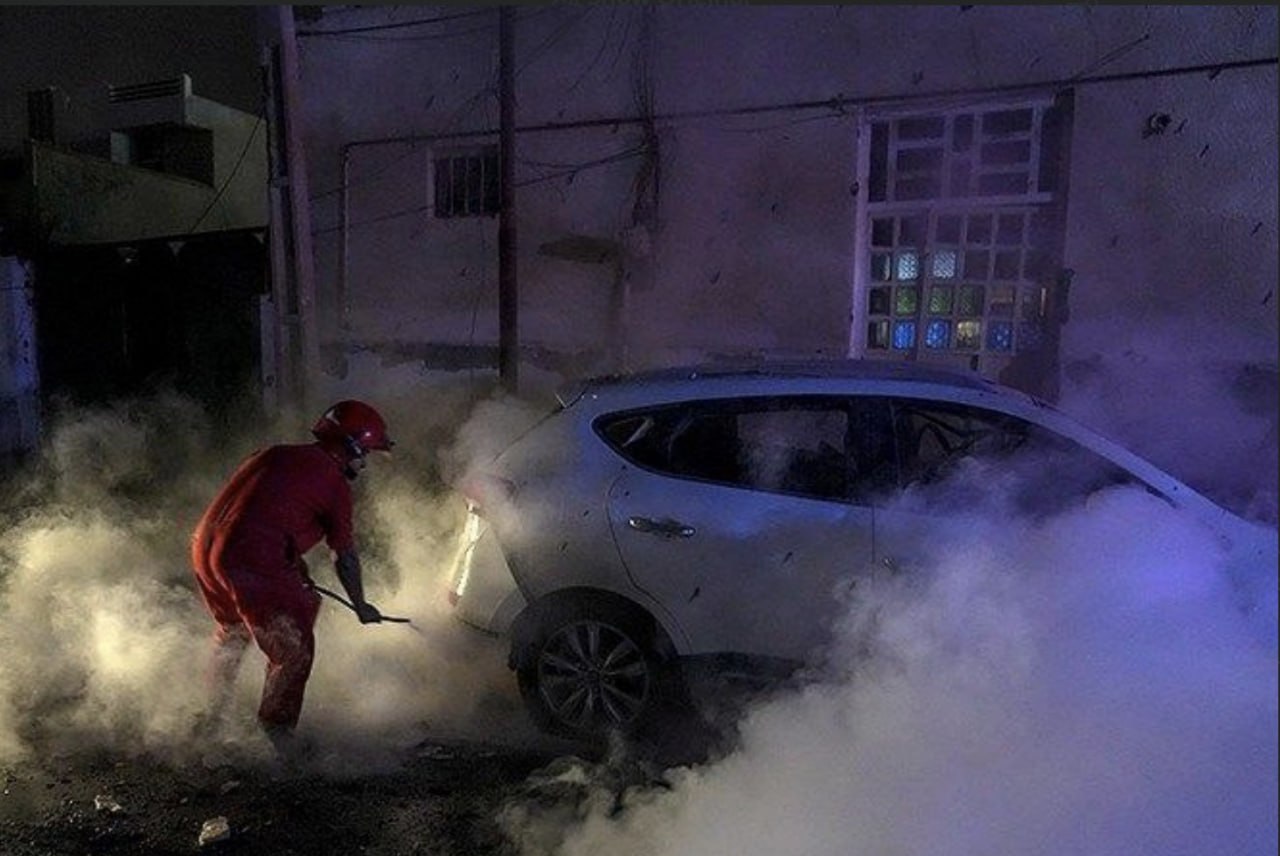
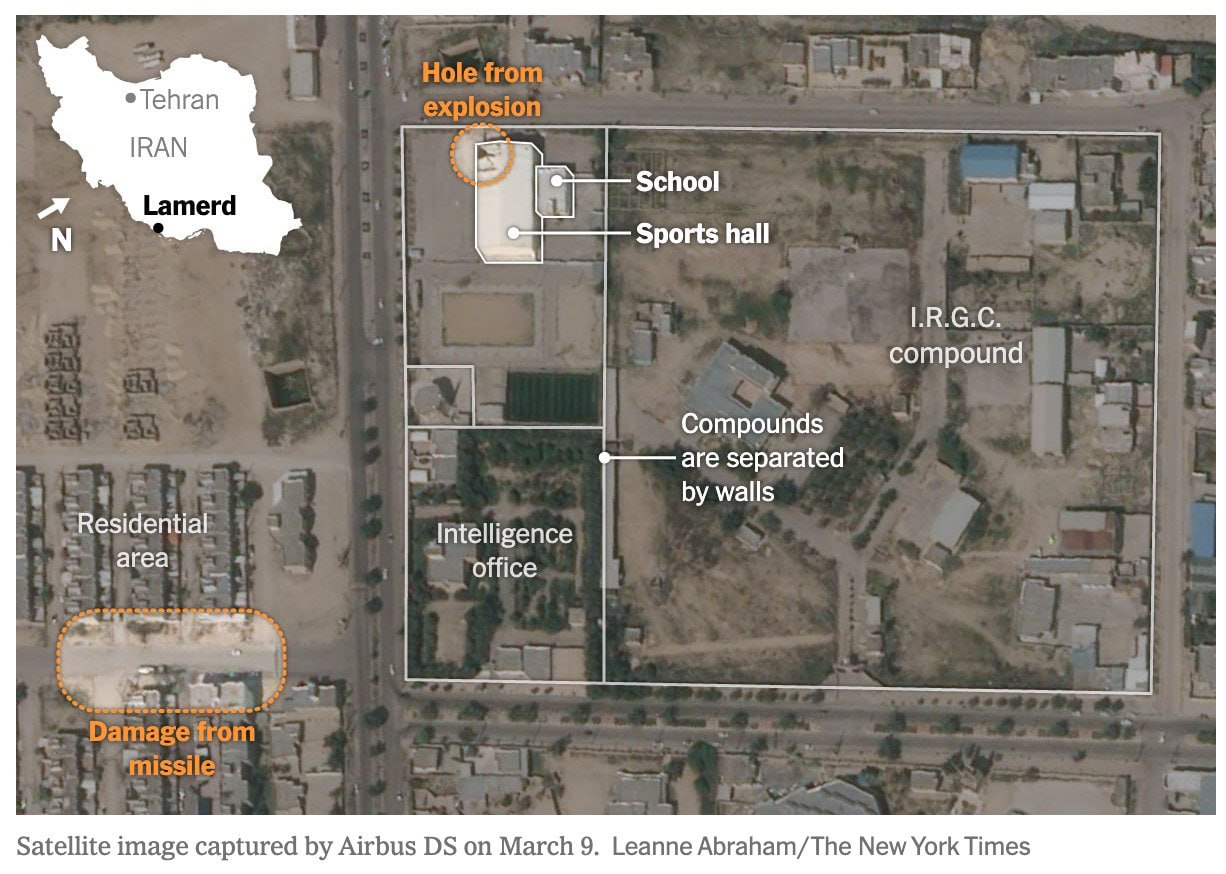
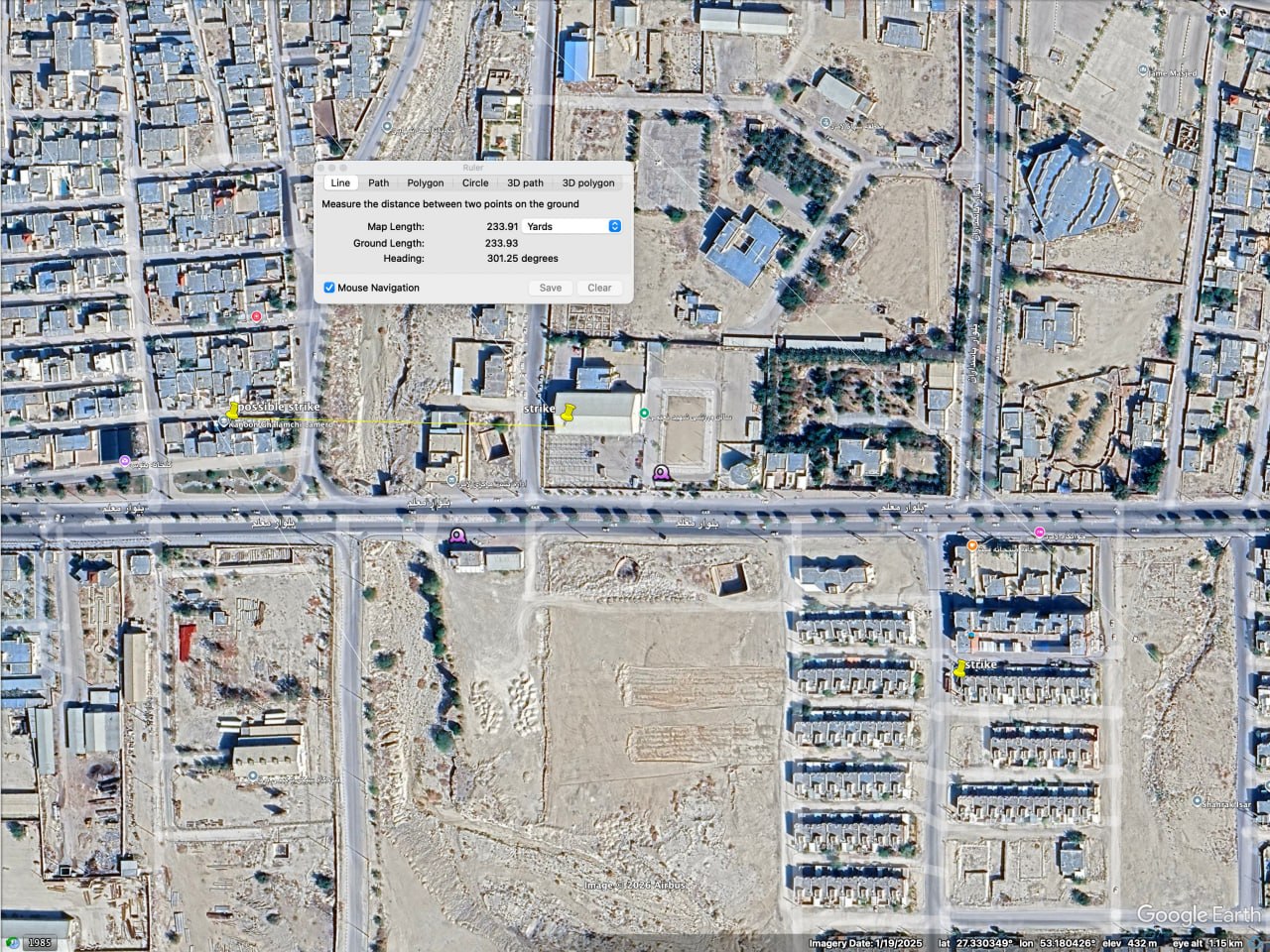
- Precision Strike Missile (PrSM) used by the United States in Lamerd, killing at least 21 civilians, including children (CIG_telegram)
- Conventional air‑to‑ground explosives dropped by Israeli aircraft on Tehran weapon‑production sites (JPost)
US entities cited include the United States Air Force (USAF) and the United States Central Command (CENTCOM). Israeli participants are identified as the Israeli Air Force (IAF) and the Israeli Defense Forces (IDF). Several events also mention Iranian air‑defense responses, notably the downing of two USAF MQ‑9 Reaper drones over Isfahan Province (GeoPWatch).
Casualties and humanitarian impact
Confirmed casualty figures are limited, but the following data points are available:
- Lamerd strike: 21 deaths, including children.
- Assassinations: 2 senior officials in Khorramabad; 2 top leaders in Tehran (Khamenei, Larijani).
- Multiple civilian areas in Tehran and other cities experienced “massive explosions,” suggesting additional, unverified civilian casualties.
Infrastructure damage includes:
- Destruction of a drone factory (Ardan district, Tehran).
- Severe damage to the Khondab heavy‑water plant, rendering it inoperable (monitor_the_situation).
- Power outages in Tehran and Karaj caused by strikes on electric substations, later restored (GeoPWatch).
- Damage to petrochemical facilities in Tabriz and the Abadan oil refinery.
Strategic implications
The coordinated kinetic campaign demonstrates a shift from proxy and cyber operations to direct, high‑intensity kinetic action against Iranian state assets. The elimination of the Supreme Leader, if verified, would create a power vacuum and could trigger internal factional struggles within the Islamic Republic. Simultaneous strikes on missile storage, heavy‑water production, and drone manufacturing indicate an intent to degrade Iran’s strategic deterrent and asymmetric warfare capabilities.
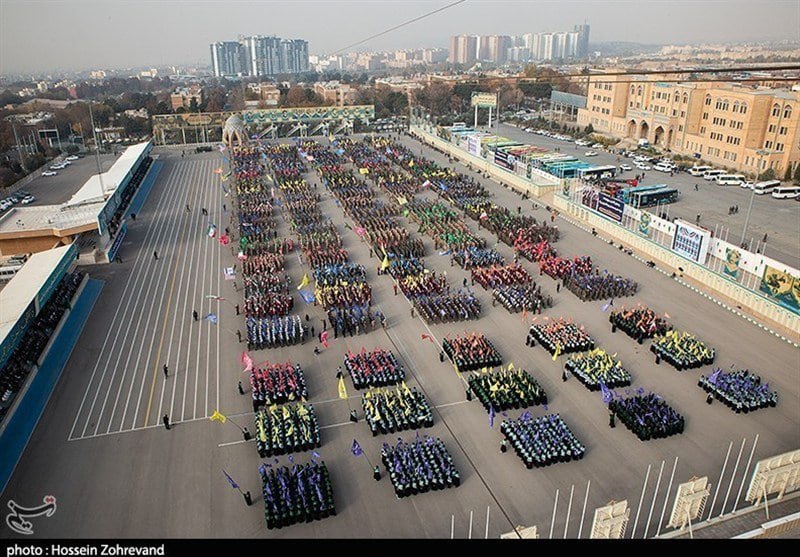
Iran’s response, as reported by state media, includes mobilizing over one million troops, including Basij volunteers, and reinforcing air‑defense networks. The downing of US MQ‑9 drones underscores Tehran’s willingness to contest airspace, raising the risk of further escalation.
Source verification
All events are drawn from open‑source Telegram channels that have been cross‑referenced where possible. Video and photographic evidence accompany the majority of reports, and several independent outlets (JPost, BellumActaNews) corroborate specific strikes. The IAEA’s statement on the Khondab plant provides an additional non‑partisan verification of nuclear‑related damage.
Given the fluid nature of the conflict, casualty numbers and the full extent of infrastructure loss are likely to evolve as additional assessments become available.