On 30 March 2026, an Iranian ballistic missile targeting central Israel evaded two Israeli interceptor missiles, underscoring the heightened kinetic exchange between Tehran and Jerusalem. The event, captured on video by the open‑source channel monitor_the_situation at 22:50:09, marked the most significant kinetic incident of the day and was followed by a cascade of rocket impacts, missile debris, and alerts across the country.
Ballistic Missile Evasion and Interception Attempts
At 22:50:09, a ballistic missile launched from Iran entered Israeli airspace over the central region. Israeli air‑defence batteries launched two interceptors, but the missile performed evasive manoeuvres and avoided both, continuing toward its intended trajectory. The video posted on monitor_the_situation shows the missile’s flight path and the failed interceptors. No casualties were reported from this specific missile, but the incident illustrates the increasing sophistication of Iranian projectiles and the strain on Israel’s multi‑layered missile‑defence architecture.
"Iranian Ballistic Missile Evades Israeli Interceptors Over Israel" – monitor_the_situation, 30 Mar 2026, 22:50 UTC.
Earlier, at 18:15:59, another Iranian missile aimed at central Israel was successfully intercepted, according to rnintel. The contrast between a successful interception and the later evasion highlights the variable performance of Israel’s Arrow and David’s Sling systems under sustained attack.
Rocket Impacts and Alerts in Central and Northern Israel
Between 18:28:48 and 12:38:42, a series of rockets and missiles were recorded impacting open areas, residential zones, and industrial sites. Notable incidents include:
- 18:28:48 – A missile landed in an open area of central Israel after evading interception attempts; some reports claim the warhead fell into the Mediterranean Sea (rnintel).
- 18:42:13 – An impact was logged in an open area, with no casualties (rnintel).
- 12:38:42 – Missile debris damaged homes in central and northern Israel, triggering sirens across the region (AlJazeera).
- 12:37:03 – Similar debris caused damage and prompted emergency response (monitor_the_situation).
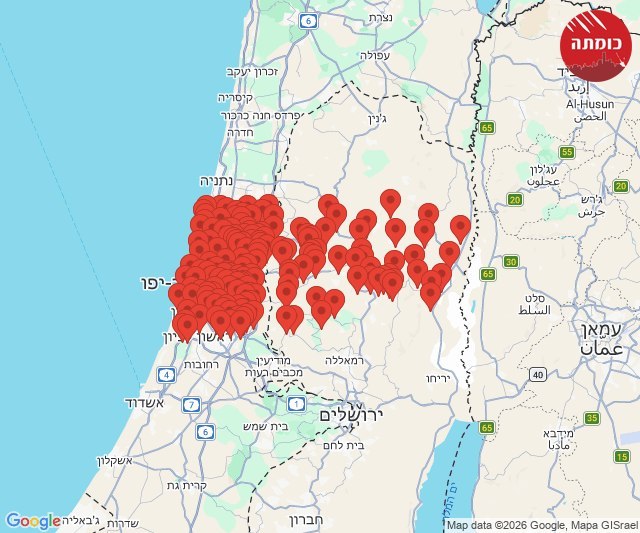
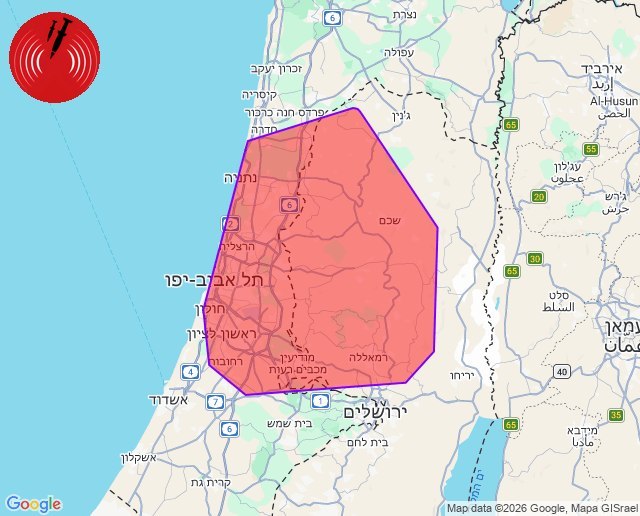
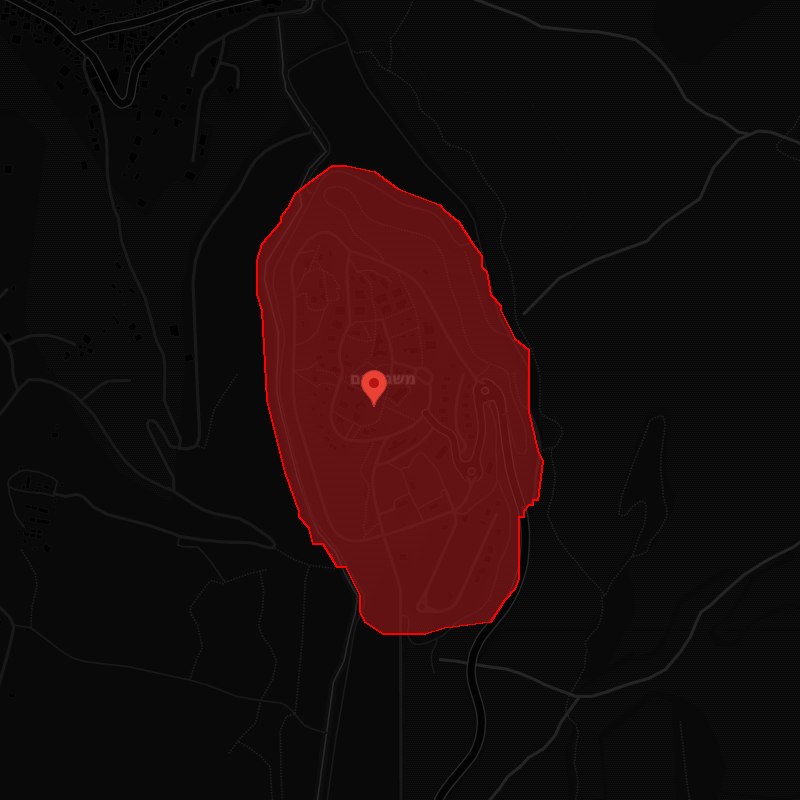
These events generated widespread public alerts, with the Israeli Home Front Command issuing sirens in multiple districts, including the Negev, Dead Sea region, and the Sharon area. The alerts were disseminated through the RocketAlert platform, which listed over 30 localities under threat at 11:21:00.
Hezbollah and Iranian Strikes on Haifa and Naval Facilities
Haifa, Israel’s major port city, experienced the most concentrated kinetic activity. Key incidents:
- 10:44:13 – Iranian missiles and Hezbollah rockets struck Haifa Bay, causing injuries and property damage (OSINTdefender).
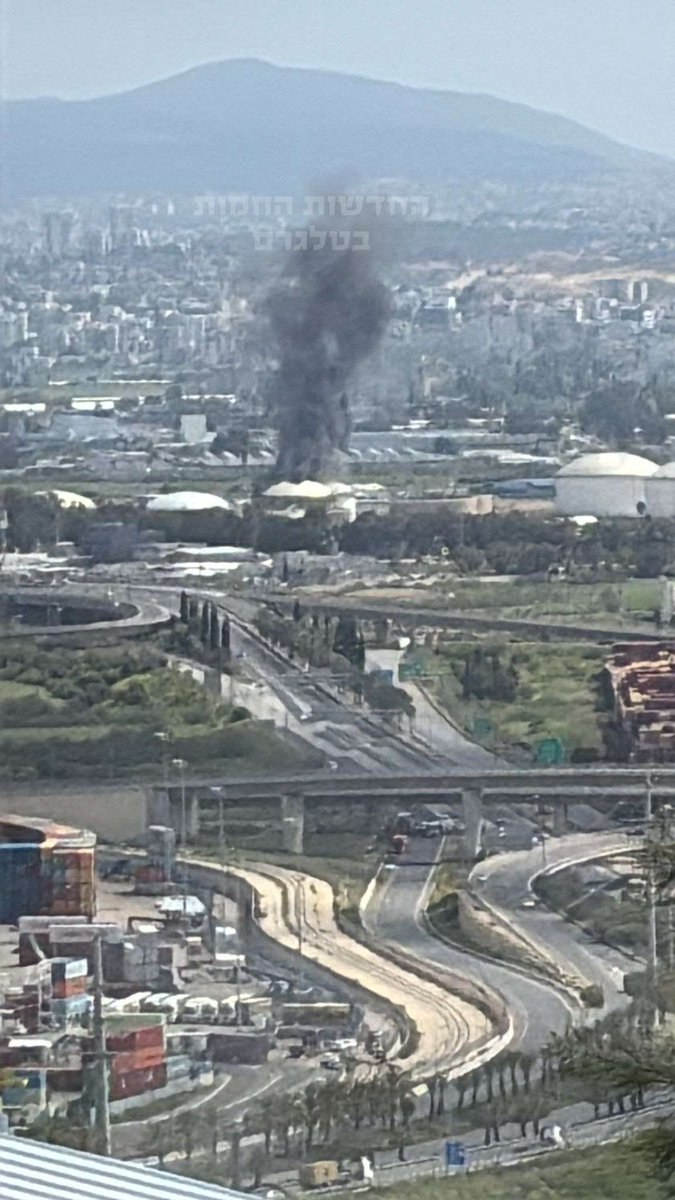
- 10:43:38 – A Hezbollah missile hit an oil tank at the Haifa refinery, captured on video by GeoPWatch.
- 10:10:26 – Hezbollah announced a strike on the Haifa Naval Base, following earlier Iranian cluster‑missile attacks on the nearby refinery (monitor_the_situation).
- 01:02:11 – Hezbollah launched rockets from Lebanon toward Haifa, prompting Israeli defensive measures (monitor_the_situation).
- 08:49:57 – A tank fire near Haifa was observed, likely linked to the ongoing missile barrage (monitor_the_situation).
Despite the intensity of the attacks, casualty reports remain limited. The refinery fire was contained, and no fatalities were confirmed in the immediate aftermath.
Southern Israel and Negev Region Threats
Iranian rocket launches toward the Negev and southern Israel were reported multiple times throughout the day:
- 05:41:04 – Rockets launched from Iran toward the Negev (idkunim_il).
- 04:04:49 – Another rocket launch detected toward southern Israel (idkunim_il).
- 03:43:41 – A ballistic missile aimed at southern Israel was mapped by open‑source analysts (monitor_the_situation).
These launches triggered early‑warning alerts but did not result in confirmed impacts, suggesting either successful interceptions or flight paths over unpopulated areas.
Explosions and Ground‑Level Incidents
Two notable explosions were recorded:
- 01:48:08 – An Iran‑attributed explosion damaged a building and a bicycle shop on Menakhem Begin Highway in Tel Aviv (monitor_the_situation).
- 08:49:57 – A burning tank near Haifa, potentially linked to missile strikes, was photographed (monitor_the_situation).
Both incidents caused limited material damage and no reported injuries, but they illustrate the expanding scope of kinetic actions beyond aerial projectiles.
Air‑Defence Performance Over Tel Aviv
At 21:00:30, Israeli air‑defence systems intercepted Iranian missiles over Tel Aviv, as reported by monitor_the_situation. Video footage shows multiple interceptors engaging the threats, with no casualties or structural damage recorded. This successful defence contrasts with the earlier evasion event and demonstrates the variable outcomes of Israel’s layered shield.
Overall Assessment
The kinetic activity on 30 March 2026 reflects a coordinated escalation by Iran and its proxy Hezbollah, targeting both civilian infrastructure and strategic military sites across Israel. While Israel’s missile‑defence network intercepted several threats, the evasion of a ballistic missile and the repeated impacts in central and northern districts indicate a growing challenge for early‑warning and interception systems. The concentration of attacks on Haifa’s oil refinery and naval base underscores a strategic intent to disrupt Israel’s energy and maritime capabilities.
Casualty figures remain low, with most reports indicating no fatalities and limited injuries. However, the repeated strikes on civilian areas, the damage to residential structures, and the psychological impact of widespread alerts contribute to an elevated risk environment for the Israeli population.