The International Atomic Energy Agency (IAEA) verified on 27 March that Iran's heavy‑water production plant at Khondab, Markazi Province, has suffered severe damage and is no longer operational, confirming the installation contains no declared nuclear material. The agency’s assessment, based on independent satellite imagery, was quoted by the IAEA:
"Based on independent analysis of satellite imagery and knowledge of the installation, the IAEA has confirmed the heavy water production plant at Khondab, Iran, which Tehran reported had been attacked on 27 March, has sustained severe damage and is no longer operational. The installation contains no declared nuclear material,"(source: rnintel). This confirmation marks the most significant kinetic event recorded on 29 March 2026, underscoring the intensifying military pressure on Iran’s nuclear infrastructure.
Humanitarian Impact in Lebanon
Lebanon’s health authorities reported at least 1,200 civilian deaths resulting from Israeli air and artillery strikes since the onset of the war, highlighting the severe humanitarian toll of the conflict (source: rnintel). No specific weapons were listed, but the scale of casualties indicates extensive use of conventional munitions in densely populated areas.
Iranian Strike on Prince Sultan Air Base, Saudi Arabia
At 06:33 UTC, Iranian forces launched a coordinated attack on Saudi Arabia’s Prince Sultan Air Base, damaging a United States Air Force E‑3 Sentry AWACS aircraft and several aerial refueling platforms. Ten personnel were injured, two seriously, according to Air & Space Forces Magazine (source: intelslava). The strike demonstrates Iran’s capability to target high‑value US assets in the Gulf region.
Israeli Airstrikes on Tehran
In the early morning hours, the Israeli Defense Forces (IDF) conducted airstrikes on command and weapons‑production sites in Tehran, targeting mobile command centres that had recently been relocated (source: JPost). While casualty figures were not disclosed, the operation reflects Israel’s strategy of degrading Iran’s command‑and‑control infrastructure.
US‑Israeli Joint Air Campaign Over Iran
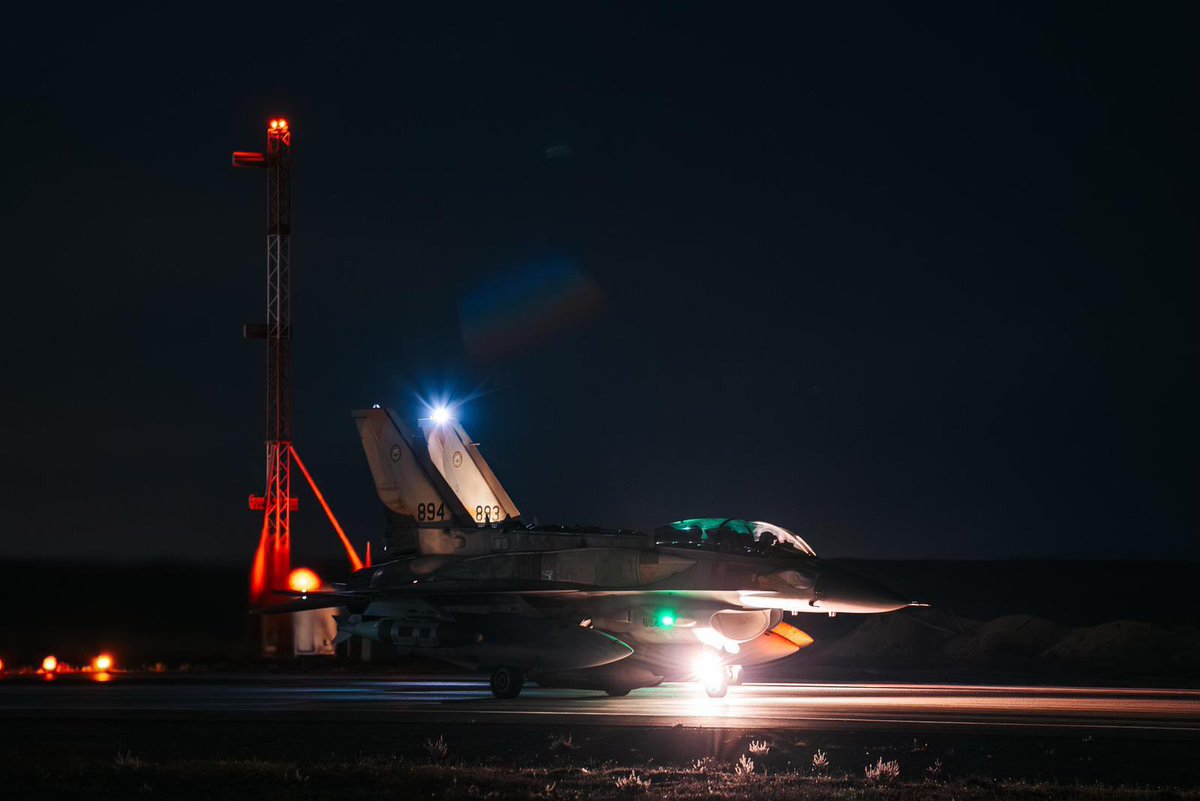
Throughout 29 March, the United States and Israel executed a high‑tempo air campaign against Iranian targets. Notable actions included:
- More than 140 strikes on central and western Iranian infrastructure (source: monitor_the_situation).
- An airstrike on a ballistic‑missile production site near Tehran, destroying a key component facility (source: monitor_the_situation).
- Airstrikes on the Kaleh plant, linked to the Revolutionary Guard, resulting in the death of IRGC commander Hasan Hasanzadeh (sources: idkunim_il, BellumActaNews).
- Bombardments of Isfahan University of Technology, marking a second strike within a week (source: monitor_the_situation).
These operations collectively targeted missile‑production facilities, command centres, and critical industrial sites, causing extensive material damage and civilian infrastructure loss, with Iran reporting over 93,000 civilian facilities—including 600 schools—damaged since the war began (source: monitor_the_situation).
Regional Rocket and Missile Alerts
Multiple rocket‑alert systems across Israel activated throughout the day, citing inbound missiles and rockets from Iran, Hezbollah and the Houthis. Notable alerts included:
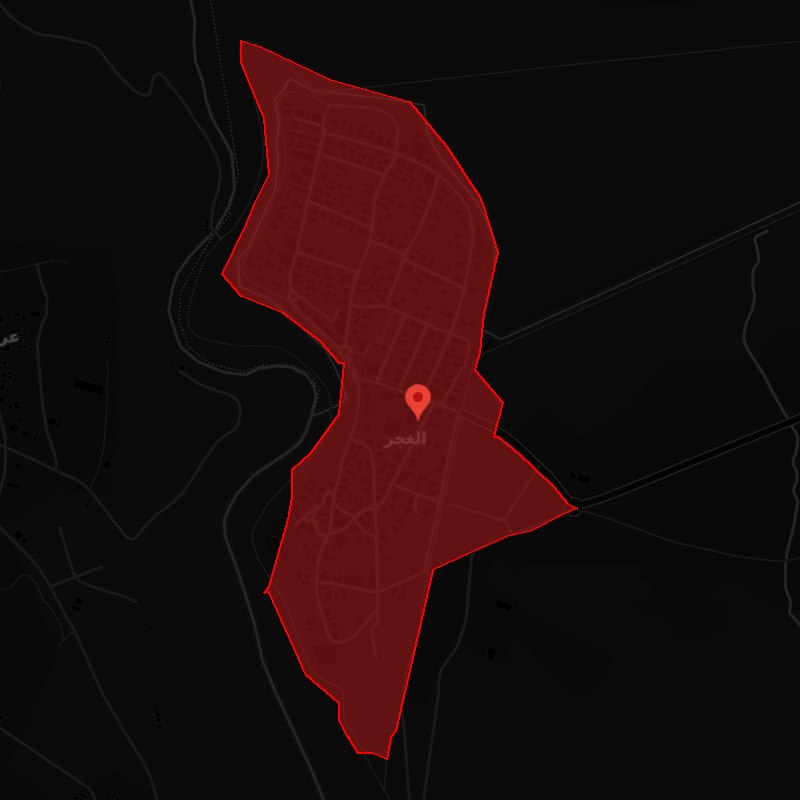
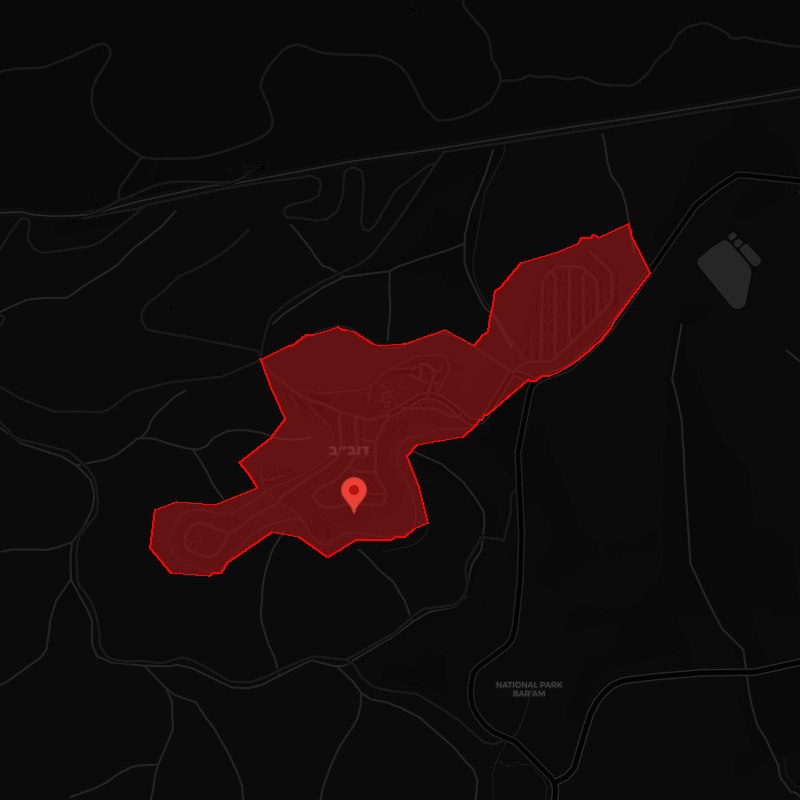
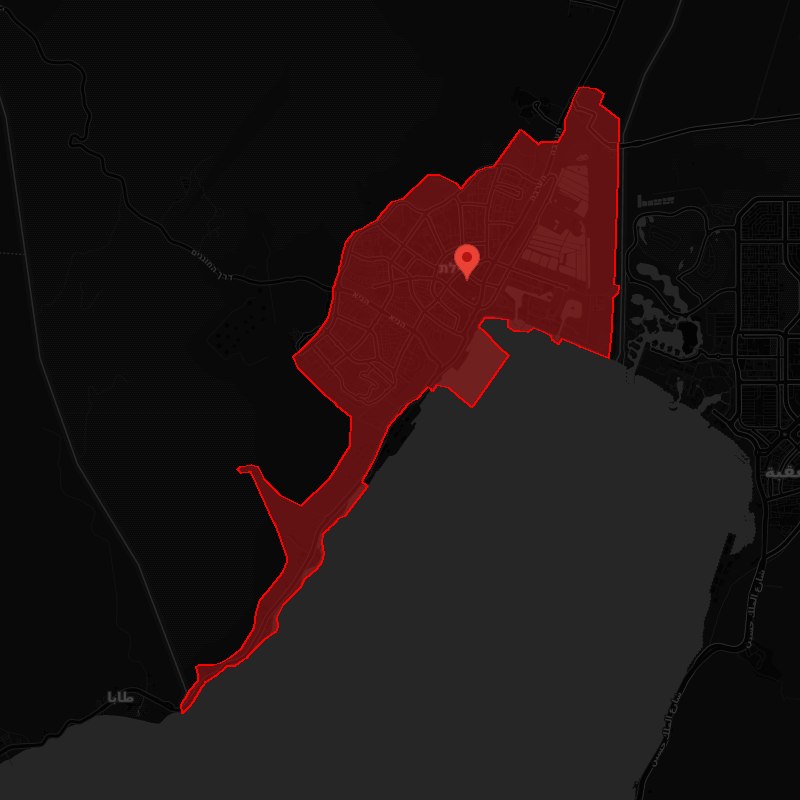
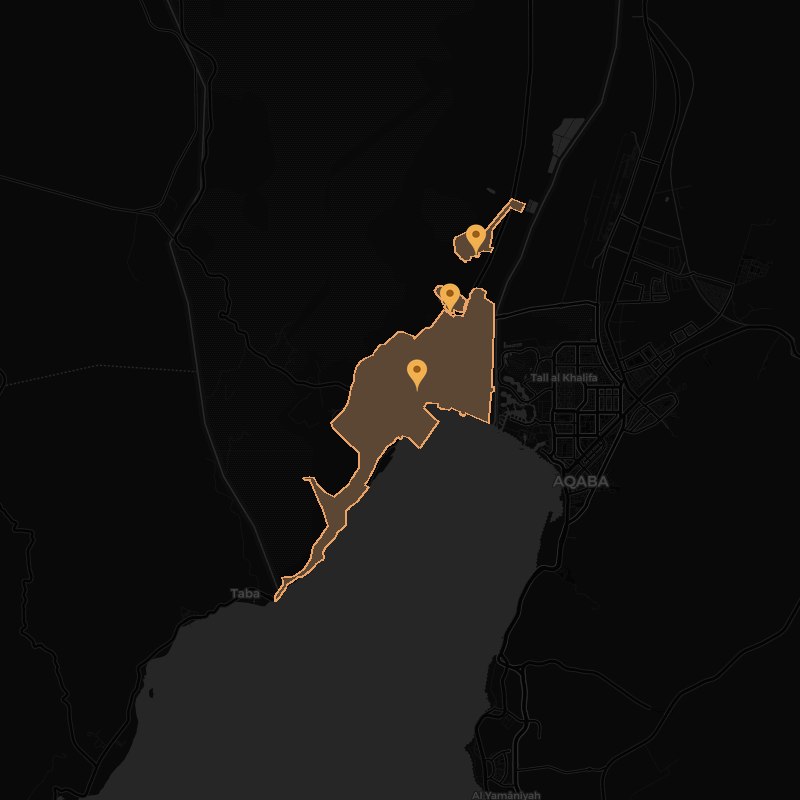
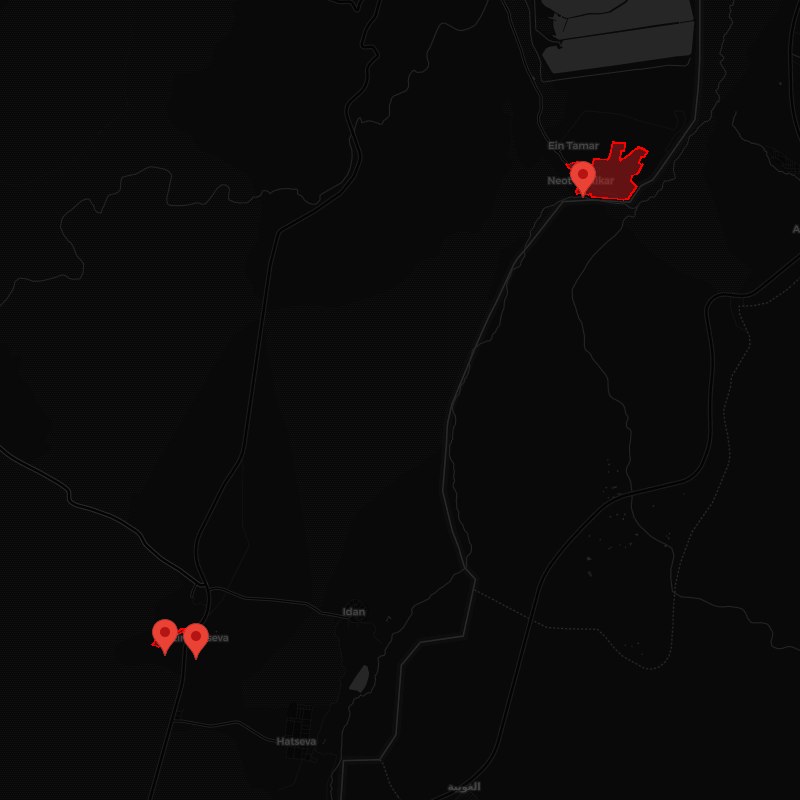
- Rocket alerts over Ghajar, Eilat, the Dead Sea region, and the Negev (various RocketAlert feeds).
- Ballistic missile launches toward Israel, prompting air‑defence readiness (source: monitor_the_situation).
While no interceptions were publicly confirmed for many of these alerts, the frequency underscores a heightened missile threat environment.
Explosions and Missile Strikes in Gulf Capitals
Explosions were reported in Riyadh (Saudi Arabia), Dubai (UAE), Manama (Bahrain) and Khobar (Saudi Arabia) during the evening hours. In Manama, Iranian missiles struck the capital, causing material damage (source: GeoPWatch). Simultaneous explosions at U.S. facilities across the Persian Gulf were described as a coordinated attack (source: GeoPWatch).
U.S. Military Posture and Planned Ground Operations
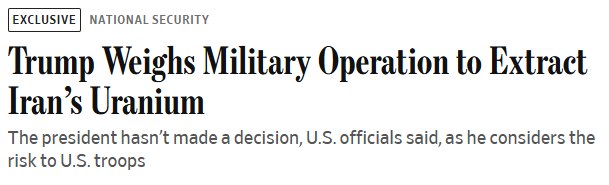
Multiple intelligence reports indicated that the U.S. Pentagon is preparing limited ground operations in Iran, potentially lasting up to two months. The Washington Post and other outlets cited Pentagon plans to deploy troops for weeks‑long operations, including possible seizure of strategic locations such as Kharg Island (sources: monitor_the_situation, OSINTdefender, monitor_the_situation).
U.S. troop levels in the Middle East have risen to over 50,000, with an additional 10,000 deployed in response to the escalating Iranian threat (source: monitor_the_situation). The U.S. also dispatched B‑1 bombers from RAF Fairford to strike Iran’s underground missile facilities, employing GBU‑31 bunker‑busting munitions (source: monitor_the_situation).
Additional Kinetic Incidents
Other notable kinetic events on 29 March included:
- Russian drone strikes on a maternity hospital in Kyiv, Ukraine, causing civilian casualties (source: monitor_the_situation).
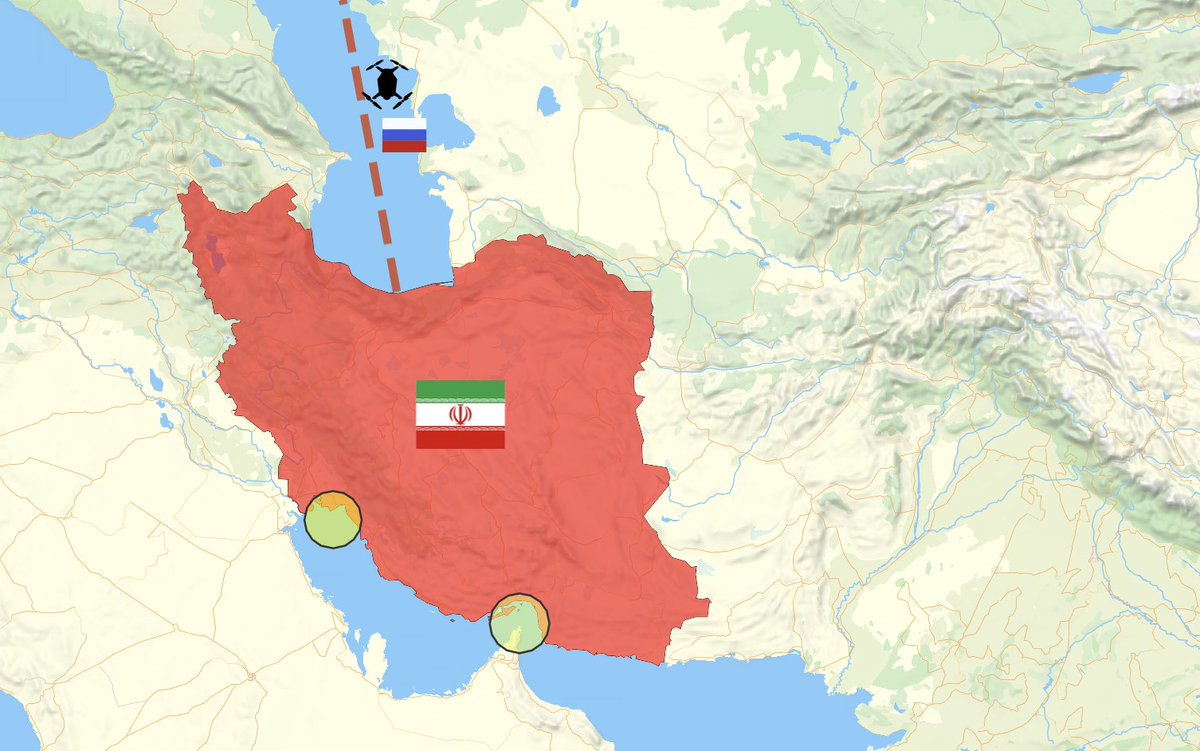
- Iranian drone attacks on Kuwait International Airport and Abu Dhabi, prompting interceptions by UAE and Kuwaiti air defenses (sources: intelslava, monitor_the_situation).
- Hezbollah FPV drone strike on an Israeli Namer armored vehicle (source: intelslava).
- US A‑10 strafing runs against Iran‑backed Popular Mobilisation Forces near Baghdad (source: monitor_the_situation).
These incidents illustrate the multi‑theater nature of kinetic engagements, spanning the Middle East, Eastern Europe and the Caucasus.
Assessment
The confirmed destruction of the Khondab heavy‑water plant represents a decisive blow to Iran’s nuclear enrichment capacity, while the parallel surge in air, missile and drone attacks across the region signals a rapid escalation of kinetic warfare. The convergence of state‑level strikes, proxy missile launches, and heightened air‑defence alerts raises the probability of miscalculation, especially as the United States prepares for limited ground operations. Continued monitoring of IAEA verification, casualty reporting, and missile‑intercept data will be essential for assessing the trajectory of the conflict.