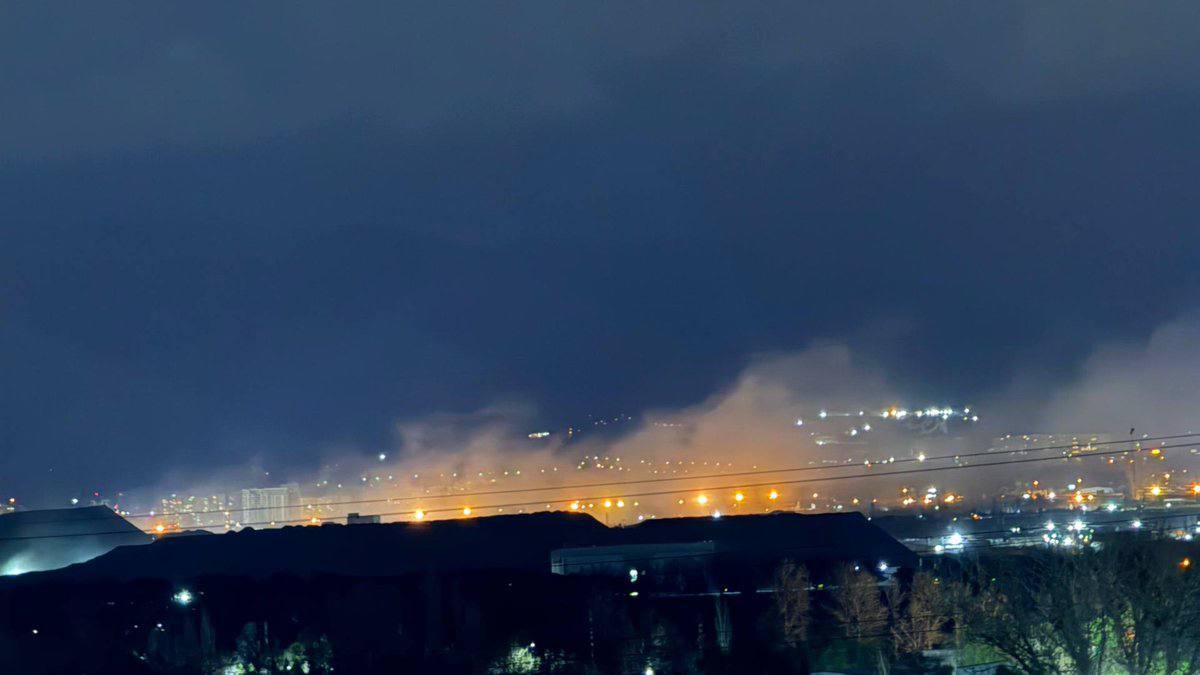
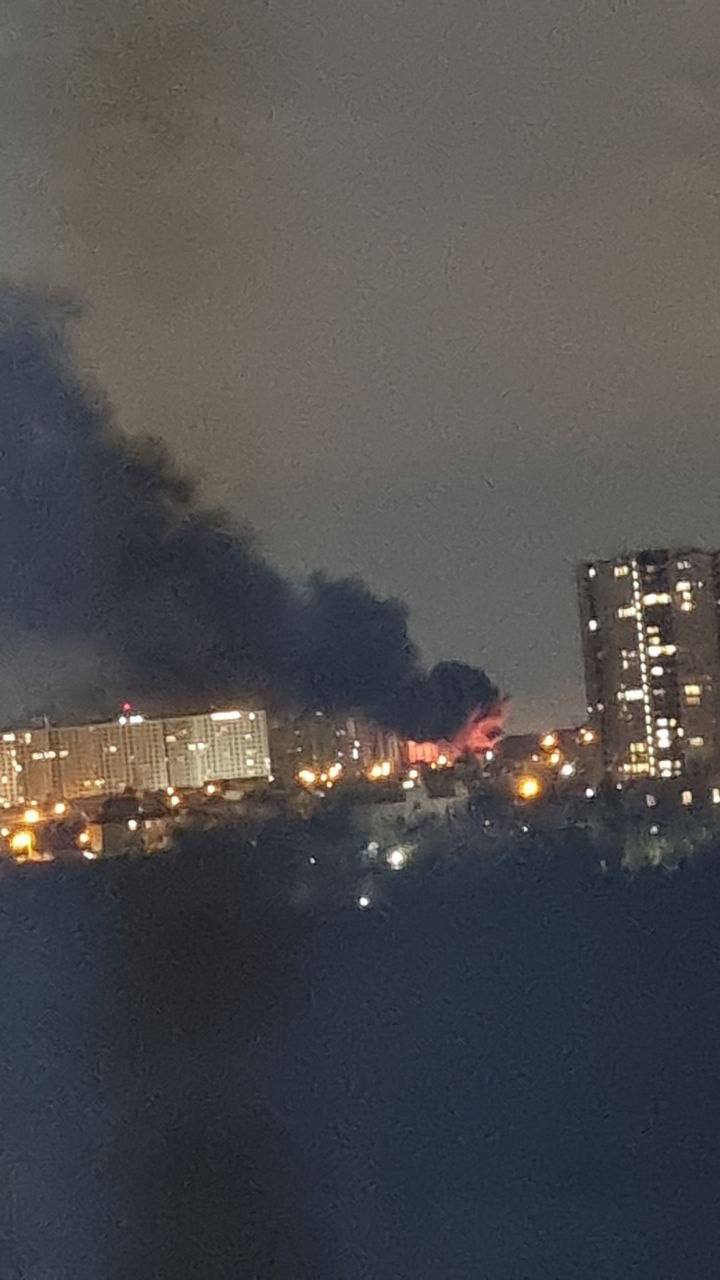
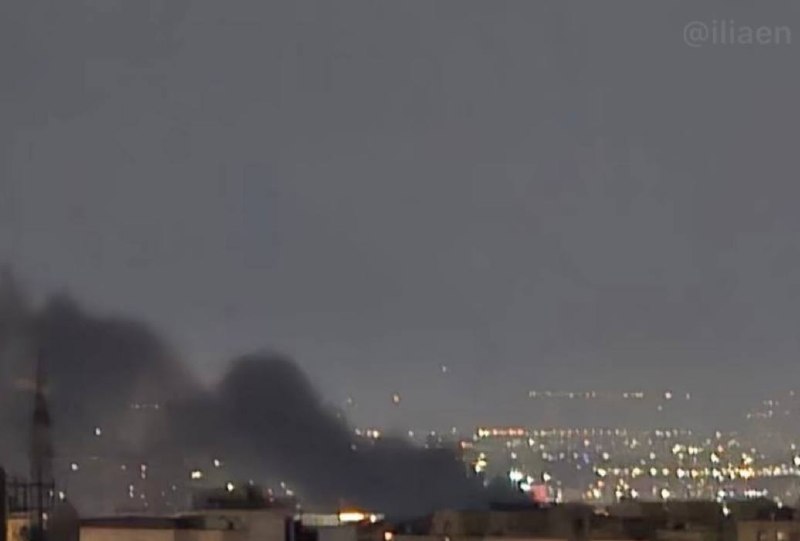
On 28 March 2026 a series of coordinated kinetic operations conducted by United States and Israeli forces targeted multiple strategic locations across the Islamic Republic of Iran. The most significant strike occurred at 17:05 local time when air assets bombed the central city of Isfahan, a hub of industrial and military infrastructure. The operation, confirmed by the monitoring channel monitor_the_situation, involved undisclosed weapon systems and resulted in extensive damage to undisclosed facilities. No casualty figures were released, but the scale of the attack suggests a substantial impact on Iran’s war‑fighting capacity.
Critical strikes on Iran’s nuclear programme
Earlier that morning, at 07:30 UTC, Israeli fighter jets launched a massive sortie of more than 50 aircraft against Iran’s nuclear complex in the Markazi Province. The primary target was the Arak Heavy Water Plant, a key component of Iran’s uranium enrichment capability. The Israeli Defence Forces (IDF) publicly claimed the operation neutralised critical centrifuge production lines. The same day, a separate coordinated attack on the Atomic Energy Organization of Iran’s uranium‑concentrate production plant was reported by the intelslava channel, confirming United States involvement alongside Israel. Both attacks were described as “critical” and underscore a concerted effort to degrade Iran’s nuclear weapons potential.
Source: https://t.me/monitor_the_situation/6119
Source: https://t.me/intelslava/85569
Urban bombardments in Tehran and surrounding regions
At 02:27 UTC, intense airstrikes over Tehran and Isfahan generated visible plumes of black smoke, as reported by AlJazeera. The strikes were attributed to combined US‑Israeli forces and targeted undisclosed government and military installations. Subsequent reports from BellumActaNews at 00:42 UTC detailed a new wave of Israeli airstrikes on Tehran’s governmental and military sites, accompanied by photographic evidence of the damage.
Source: https://www.aljazeera.com/video/newsfeed/2026/3/28/intense-bombing-in-tehran-isfahan?traffic_source=rss
Source: https://t.me/BellumActaNews/169444
Later in the day, US B‑2 stealth bombers conducted a high‑altitude strike over central Iran, as documented by monitor_the_situation. Four B‑2 aircraft released precision munitions on undisclosed targets before returning to base, adding a strategic layer to the kinetic campaign.
Source: https://t.me/monitor_the_situation/6379
Regional spread of air operations
Beyond the capital, a cascade of high‑profile attacks unfolded across the country:
- Tabriz – US and Israeli forces struck the north‑western city, a logistical hub, at 23:06 UTC.
- Bandar Abbas Naval Base – Seven to eight coordinated strikes hit the southern port facility, a critical node for Iran’s naval operations, at 20:55 UTC.
- Dezful Missile Base – US Central Command released footage of USAF warplanes bombing the Khuzestan‑province missile installation at 21:34 UTC.
- Khorramabad – Joint US‑Israeli airstrikes targeted the western city at 14:37 UTC.
- Yazd – Multiple sorties, including a dedicated bombing of the “missile city” and a later strike on the Kouhestan missile site, were recorded between 07:58 UTC and 14:31 UTC.
- Shiraz – Repeated strikes throughout the day, culminating in a reported interception of an Iranian ballistic missile over southern Israel at 23:04 UTC.
These operations collectively demonstrate a pattern of simultaneous, multi‑theater engagements designed to overwhelm Iranian air‑defence systems and degrade a wide spectrum of military capabilities.
Missile interceptions and aerial engagements
Iran’s missile launch from near Shiraz was intercepted by Israeli air‑defence assets over southern Israel at 23:04 UTC, preventing any impact on Israeli territory. In a separate incident, Iranian forces shot down a US MQ‑9 Reaper drone over Shiraz using a Majid short‑range air‑defence system, as reported by CIG_telegram and GeoPWatch. These engagements illustrate the heightened risk of escalation between state and non‑state actors in the region.
Source: https://t.me/monitor_the_situation/6348
Source: https://t.me/CIG_telegram/72582
Targeted assassinations and infrastructure attacks
In Tehran, the IRGC reported the death of Brigadier General Abbas Karami, a senior commander of the Khatam al‑Anbiya Central Headquarters, following an attack that local media attributed to US‑Israeli forces. The same day, a missile strike on Hasan Khan Castle in Shahr‑e Qods cut electricity to the surrounding area, highlighting the use of precision strikes against civilian infrastructure.
Source: https://t.me/BellumActaNews/169523
Source: https://t.me/BellumActaNews/169559
Weapon systems and tactics observed
The campaign employed a diverse array of weaponry:
- Stealth B‑2 bombers delivering precision‑guided munitions.
- Fighter jet formations (over 50 aircraft) for saturation bombing of nuclear facilities.
- Ballistic missiles launched from western Iran and intercepted both by Israeli and Iranian air‑defences.
- Anti‑tank BLU‑91/B mines deployed over Shiraz to neutralise missile launchers, as reported by the Jerusalem Post.
- Assassination‑type strikes on specific buildings in Alborz Province, employing undisclosed kinetic weapons.
These tactics indicate a blend of strategic targeting (nuclear sites, missile bases) and tactical pressure (urban centres, critical infrastructure) designed to erode Iran’s operational depth.
Implications for regional security
The breadth and intensity of the 28 March kinetic actions represent an unprecedented level of direct US‑Israeli military engagement on Iranian soil. While official casualty figures remain unreported, the systematic targeting of nuclear, missile, naval and urban assets suggests a concerted effort to curtail Iran’s capacity to project power regionally. The simultaneous interceptions of missiles and drones underscore the heightened risk of inadvertent escalation, especially given the involvement of multiple state actors and the proximity of engagements to civilian populations.
Monitoring agencies continue to verify the extent of damage and any subsequent Iranian retaliatory measures. The ongoing flow of open‑source intelligence, including video and photographic evidence, will be essential for assessing the longer‑term impact on Iran’s military readiness and the broader geopolitical balance in the Middle East.