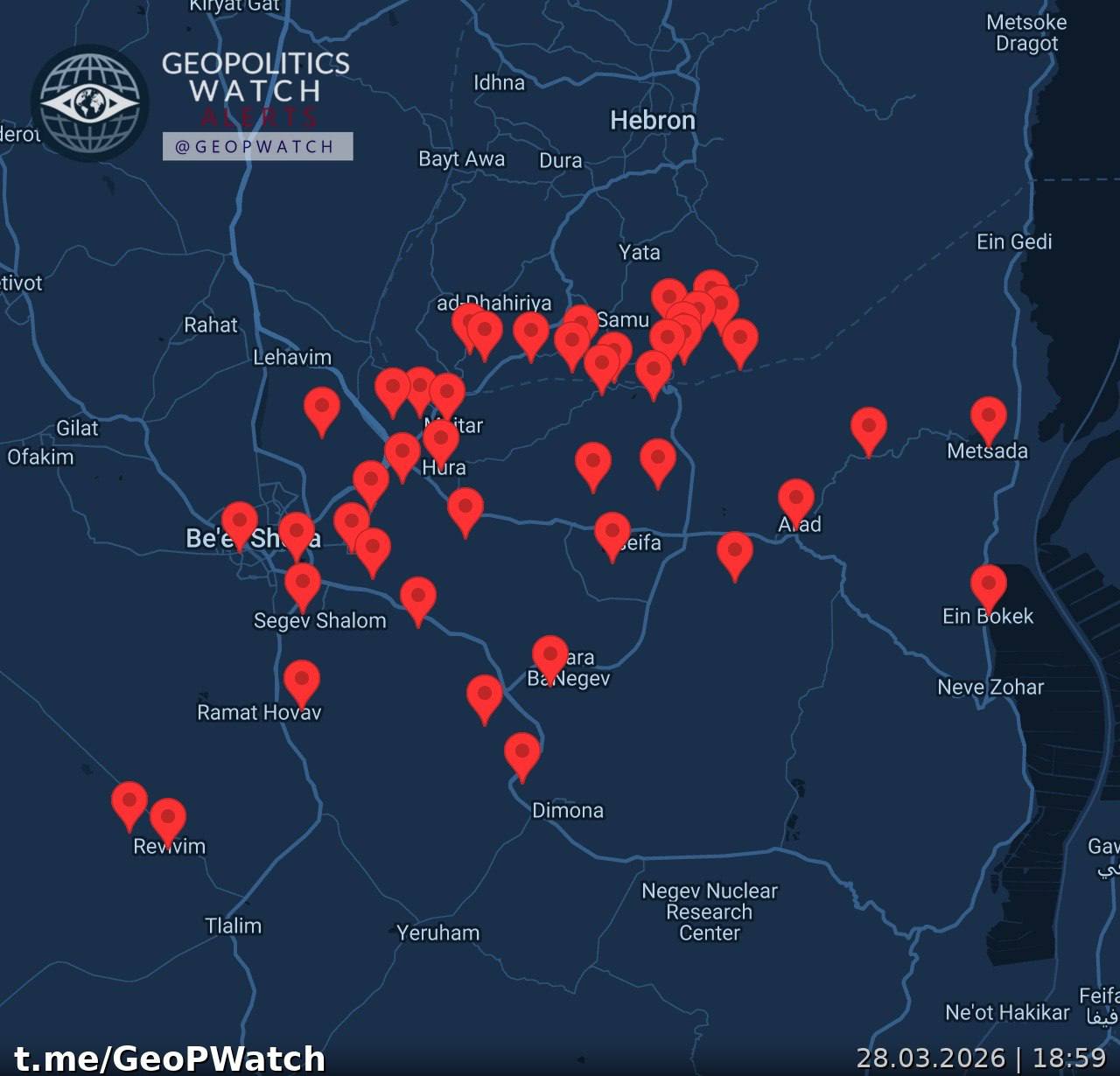
On 28 March 2026 a missile strike in Tel Aviv killed a civilian, injured 19 others in nearby Ashteul, and wounded two Israeli officers in Lebanon. The incident was reported by the Israeli channel idkunim_il and is classified as a critical event due to the combined casualty toll and the involvement of multiple state and non‑state actors.
"A civilian was killed by a missile strike in Tel Aviv yesterday and 19 were lightly injured by a missile strike in Ashteul. Two officers were seriously injured by an anti‑tank missile in Lebanon. Iran admits severe economic damage after the IDF destroyed steel plants. The Houthis launched a missile at Israel for the first time and threaten further fire. An Al‑Manar journalist was killed in Lebanon." – idkunim_il, 16:41 UTC
The Tel Aviv strike used an unidentified missile type; the source channel did not specify the launch platform. Casualties total five confirmed deaths and injuries: one civilian fatality, 19 civilians lightly injured, two officers seriously wounded, and one Al‑Manar journalist killed in Lebanon.
Hezbollah and Lebanese‑Based Rocket Barrages
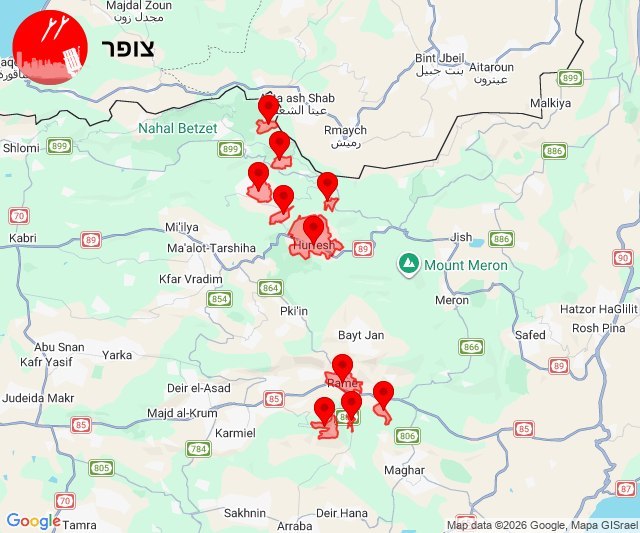
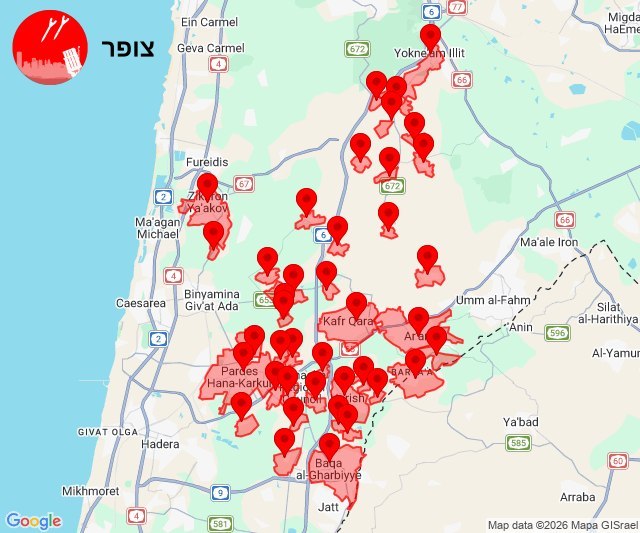
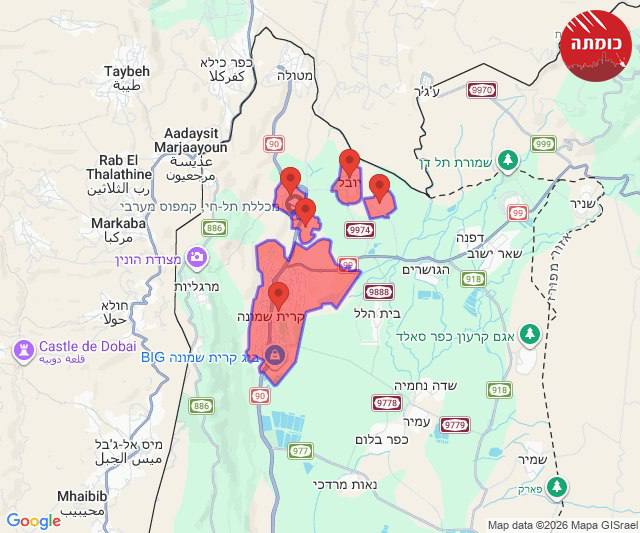
Throughout the day, Hezbollah launched multiple rocket salvos from Lebanon toward northern Israeli communities. At 22:30 UTC, rockets were fired toward the Israel‑Lebanon border region, prompting alerts in Kiryat Shmona, Nahariya, and the Sharon area. The monitor_the_situation channel recorded a rocket launch toward Karmiel at 23:25 UTC; the Iron Dome system intercepted the projectiles with no reported impacts. Similar launches targeted Hadera (22:29 UTC) and Askelon (22:57 UTC), generating red alerts across southern Israel. No casualties were reported from these engagements, but the volume of rockets underscores a sustained escalation along the northern frontier.
Iranian Missile and Ballistic Campaign
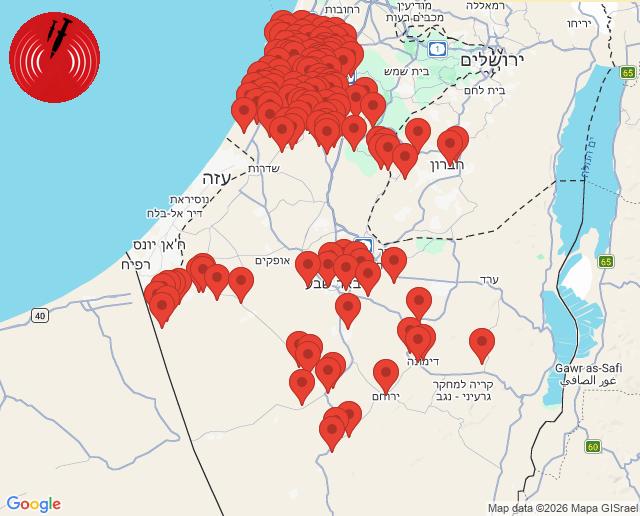
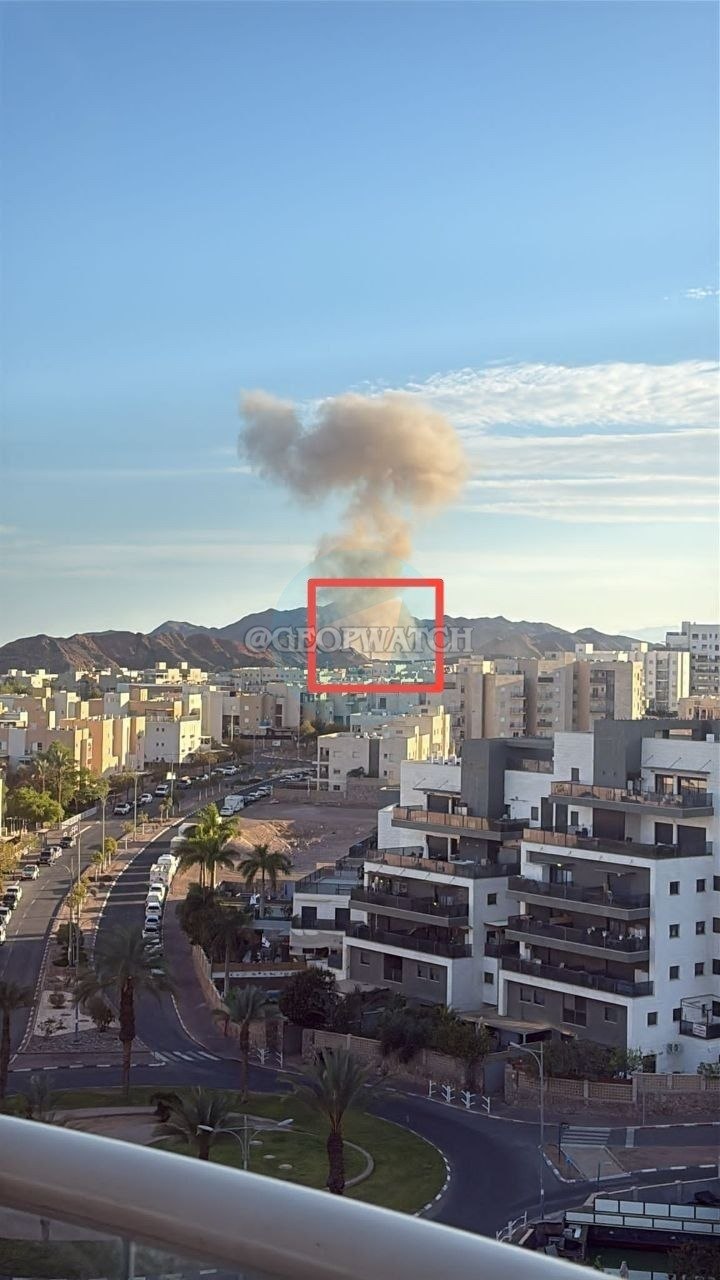
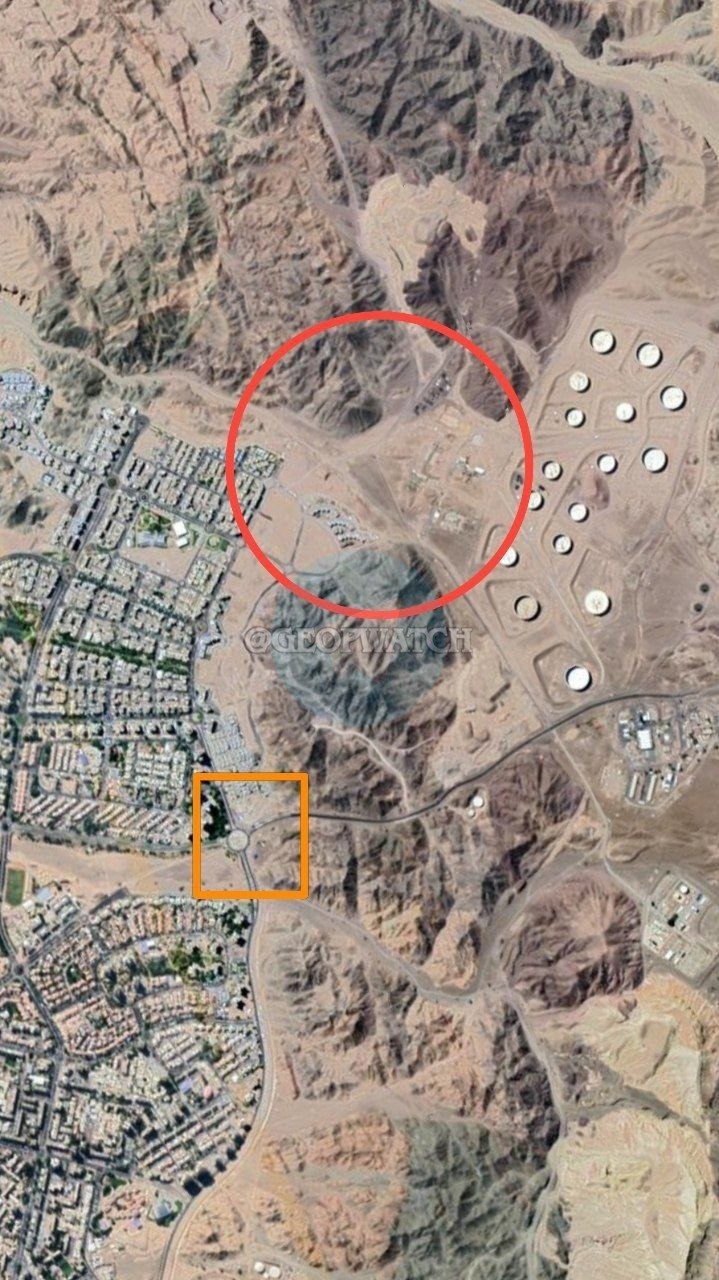
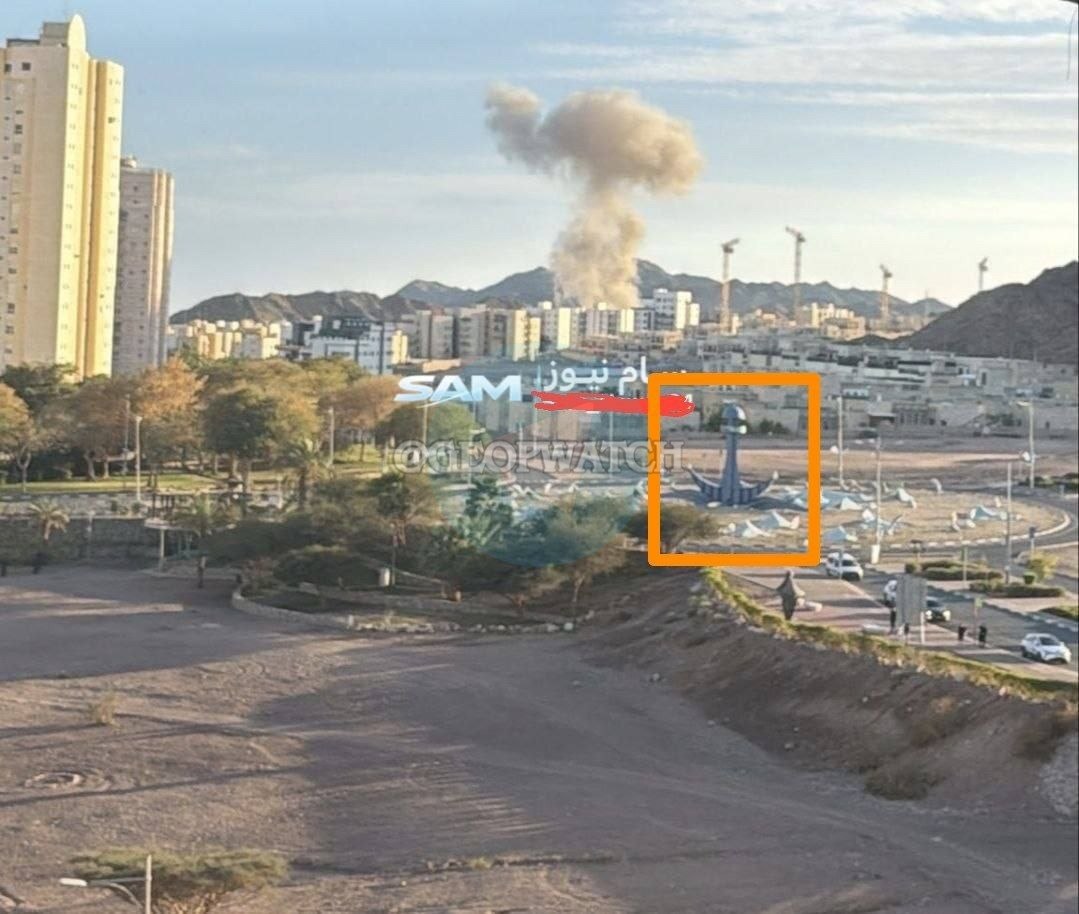
Iran’s Islamic Revolutionary Guard Corps (IRGC) conducted a series of missile and ballistic missile launches against Israeli territory. At 14:53 UTC, a ballistic missile was fired toward the port city of Eilat; the outcome remained unclear in the initial report from monitor_the_situation. Later, at 15:54 UTC, GeoPWatch documented a ballistic missile launch toward the Negev Desert, and at 20:25 UTC the IRGC targeted the EAPC oil storage tank farm in Eilat, again with an uncertain result. Additional missile impacts were recorded in Eshtaol (12:12 UTC) and the Ashalim Power Plant in the Negev (12:17 UTC), where the latter was intercepted before impact, according to GeoPWatch.
Iranian projectiles also struck central locations: a missile hit an unidentified village, wounding 11 people (monitor_the_situation, 50:58 UTC); a missile impact in Eshtaol near Beit Shemesh damaged homes near a synagogue without causing casualties (monitor_the_situation, 11:48 UTC). A ballistic missile struck Beit Shemesh directly at 11:38 UTC (rnintel). These events collectively represent a coordinated Iranian missile campaign targeting civilian and strategic sites across Israel.
Yemeni Houthi and Ansarullah Operations
The Yemen‑based Houthi movement launched its first missile at Israel on 28 March, as noted in the critical event summary. Subsequent Houthi activity included a ballistic missile strike on Beersheba and surrounding towns in southern Israel at 03:57 UTC (BellumActaNews), prompting sirens and confirming the group’s entry into the broader regional conflict. Ansarullah claimed responsibility for a second operation against vital military infrastructure in southern Israel at 20:17 UTC (rnintel), though no damage was publicly confirmed.
Israeli Air Defense and Interception Activity
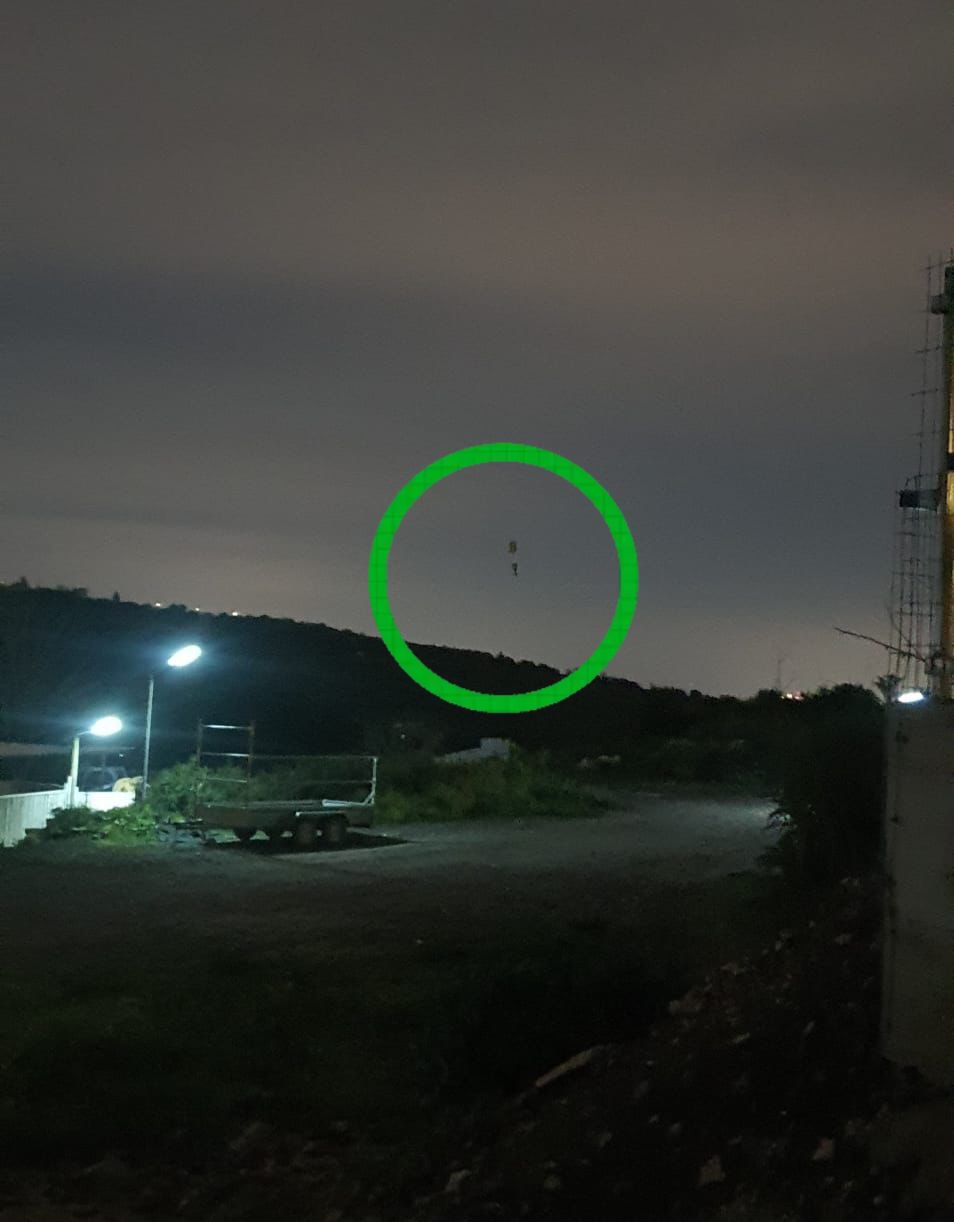
Israel’s multi‑layered air‑defense network responded to the high volume of inbound threats. The Iron Dome system intercepted rockets over Karmiel, Southern Israel, and Netanya, while the Arrow and Patriot batteries engaged ballistic missiles over the Negev and central districts. Notable interceptions include a long‑range rocket over Givat Nili (22:36 UTC, monitor_the_situation) and a drone over Eilat (17:30 UTC, GeoPWatch) likely launched by Ansarallah. A separate drone interception over Eilat at 18:04 UTC was reported by BellumActaNews. No interceptions resulted in civilian casualties, but debris and shrapnel were observed in Givat Nili and other locations.
Casualties, Damage and Human Impact
Beyond the initial Tel Aviv fatality, the day produced additional injuries: 19 civilians lightly injured in Ashteul, 11 wounded in an unidentified village, five injured in Beit Shemesh, and multiple reports of shrapnel fallout in Givat Nili. Property damage was confirmed in Eshtaol (homes near a synagogue) and Beit Shemesh (homes and a synagogue). Iranian missile strikes on oil infrastructure in Eilat and the Ashalim Power Plant raised concerns about potential secondary effects on energy supplies, though no operational disruptions were reported at the time of writing.
Operational Context and Source Attribution
The events of 28 March illustrate a simultaneous multi‑theater kinetic exchange involving state actors (Iran, Israel) and non‑state militias (Hezbollah, Houthis, Ansarullah). Source channels providing real‑time verification include idkunim_il, monitor_the_situation, rnintel, GeoPWatch, and BellumActaNews. Each channel contributed distinct data points on launch times, weapon types, and impact assessments, enabling a comprehensive reconstruction of the day's kinetic activity.