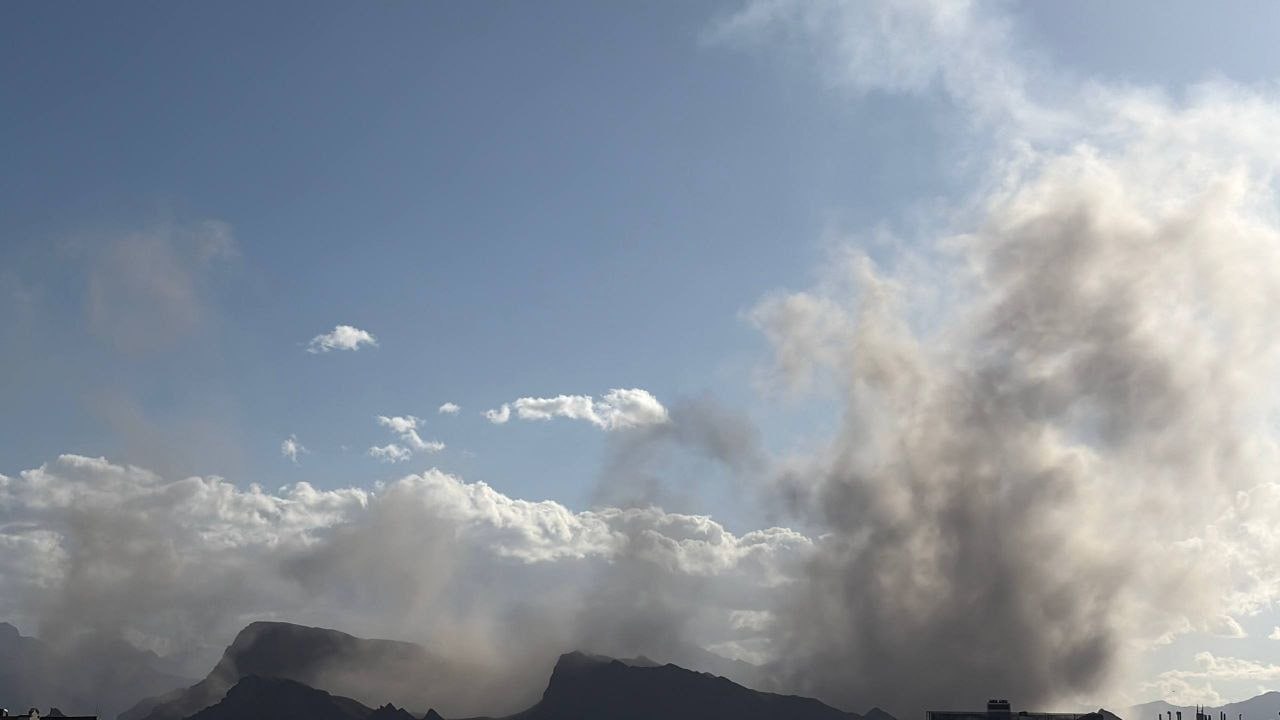
At 23:03 GMT on 27 March, Israeli and United States warplanes launched a coordinated airstrike on the historic city of Isfahan, marking the most severe kinetic event recorded in Iran on the day. Video released by the Telegram channel monitor_the_situation shows multiple explosions and a plume of smoke over the urban centre, confirming the strike’s impact on civilian‑dense areas. The operation, described by the channel as “Israeli and US Airstrikes Hit Isfahan in Central Iran,” underscores a new phase of direct attacks on Iran’s interior, beyond the previously targeted border and coastal zones.
Satellite‑TV Jamming Station Near Tehran Neutralised
Shortly after midnight, a U.S.–Israeli strike hit a satellite‑TV jamming facility on the outskirts of Tehran. The attack, reported by BellumActaNews, restored reception of previously blocked international channels such as Iran International. The source described the target as a “satellite TV jamming station” and attached a photograph of the damaged antenna array. No casualty figures were released, but the strike demonstrates a strategic focus on Iran’s information‑control infrastructure.
Missile Impact in South Tehran
At 23:28 GMT, a missile strike hit a residential block in south Tehran, prompting a large‑scale rescue operation. AlJazeera broadcast footage of emergency crews extracting survivors and recovering bodies from the rubble. The channel’s report did not specify the weapon type, but identified the incident as a “missile strike.” Casualty numbers remain unconfirmed.
Explosions Northwest of Tehran
Two separate explosions were reported northwest of the capital at 21:52 GMT. According to monitor_the_situation, the blasts coincided with ongoing U.S.–Israeli air operations against Iranian targets. The channel linked a short video showing a flash and smoke plume, attributing the incidents to “Iranian forces launch attacks toward Israel.” No direct attribution to a specific weapon system was provided.
Projectile Near Bushehr Nuclear Power Plant
At 21:50 GMT, a projectile struck close to the Bushehr Nuclear Power Plant for the third time, as reported by monitor_the_situation. The channel posted a video clip of the impact site, emphasizing the repeated proximity of hostile fire to Iran’s key nuclear facility. No damage to the plant’s reactors was confirmed, and no casualties were reported.
U.S. Seizure of Kharg Island
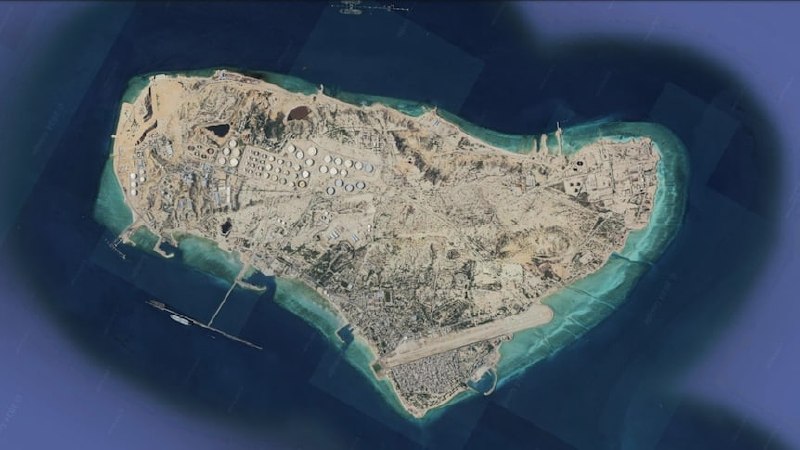
Naval forces from the United States took control of Kharg Island, a strategic oil‑export hub in the Persian Gulf, at 20:49 GMT. The operation, detailed by OSINTdefender, is framed as a “strategic move” rather than an outright assault on the Iranian regime. Photographs posted by the channel show U.S. vessels alongside the island’s infrastructure, highlighting the potential for heightened maritime tension.
Power Stations Destroyed in Mobarakeh County
Two power stations in Mobarakeh County, Isfahan Province, were destroyed at 20:24 GMT by a joint U.S.–Israeli airstrike, according to monitor_the_situation. The channel cited statements from the provincial governor via Iran’s IRNA news agency, confirming the loss of critical electricity generation capacity. No immediate civilian casualties were reported, but the strikes are expected to disrupt regional power supply.
Targeted Building Near Tabriz’s Mirdamad Mosque
At 20:24 GMT, an airstrike demolished a building adjacent to the Mirdamad Mosque in Tabriz. The structure, identified by OSINT analysts as a gathering point for security forces, was confirmed destroyed by video evidence shared on monitor_the_situation. The incident illustrates the breadth of the campaign, extending to north‑western Iran.
Arak Heavy‑Water Plant and Isfahan Nuclear Sites
Israeli warplanes struck the Arak heavy‑water plant and additional nuclear facilities in Isfahan at 20:11 GMT. The channel monitor_the_situation posted video of smoke rising from the Arak complex, describing it as a “key site for plutonium production.” The same operation was corroborated by later reports from GeoPWatch and BellumActaNews, which highlighted the strategic intent to impede Iran’s nuclear weapons programme.
Failed Ballistic Missile Launch Near Hamadan
At 20:06 GMT, a ballistic missile launched from the Hamadan area failed shortly after take‑off and crashed, as shown in footage on monitor_the_situation. No casualties or material damage were reported, but the incident underscores the heightened operational tempo of Iran’s own missile forces amid the broader conflict.
U.S.–Israeli Airstrike Over Tehran
Multiple airstrikes over Tehran were reported throughout the evening, including a documented strike at 19:50 GMT by rnintel. The channel shared a video of explosions over the city, confirming continued pressure on the capital’s infrastructure.
Yazd Yellowcake and Missile Production Facilities
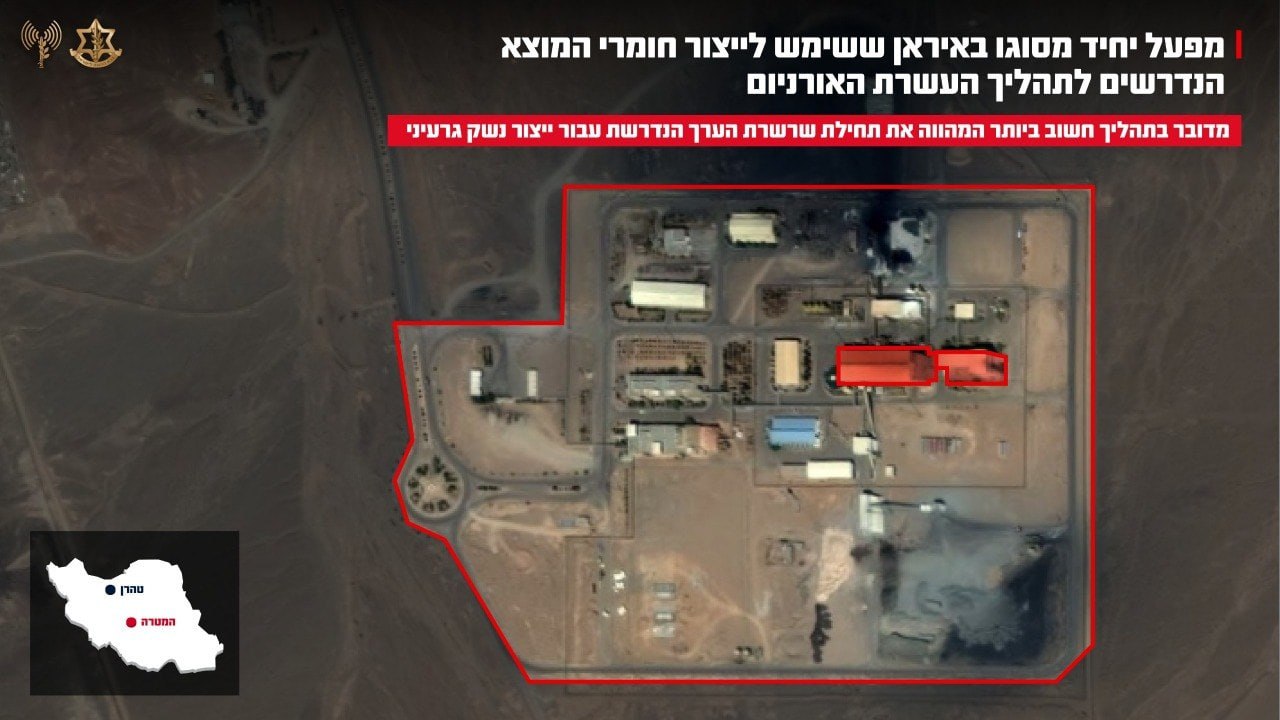
The Israeli Defense Forces announced strikes on the Ardakan yellow‑cake production plant and a missile‑and‑sea‑mine production site in Yazd at 18:48 GMT and 10:06 GMT respectively. Both events were reported by GeoPWatch and the Jerusalem Post, noting that no radioactive leakage was detected at the yellow‑cake facility.
Kermanshah Province Casualties
Airstrikes in Kermanshah Province at 18:04 GMT resulted in at least 13 fatalities, according to monitor_the_situation. Video evidence shows damaged residential structures and emergency responders on the scene.
Steel Industry Targets in Ahvaz and Isfahan
At 13:56 GMT, Israeli airstrikes hit major steel plants in Ahvaz and near Isfahan, including the Khuzestan Steel complex and Mobarakeh Steelworks. The attacks, detailed by monitor_the_situation, threaten over half of Iran’s steel production capacity.
Ground Operations Against IRGC Commanders
Mid‑day intelligence from monitor_the_situation indicated a large‑scale ground operation inside Iran aimed at hunting Revolutionary Guard Corps (IRGC) commanders. The operation follows a series of high‑profile strikes that have eliminated senior IRGC officers.
Additional Rocket and Missile Activity
Throughout the day, multiple rocket and missile launches were recorded: two missiles from Yazd toward Israel (14:02 GMT, CIG_telegram), ballistic missiles from a Yazd mountain base (07:04 GMT, idkunim_il), and a missile strike on a residential neighbourhood in Urmia (01:36 GMT, monitor_the_situation). Each incident was accompanied by video or photographic evidence, confirming the widespread kinetic activity across Iran.
"The coordinated strikes on Isfahan, Tehran and nuclear facilities represent a decisive escalation, aimed at degrading Iran’s strategic capabilities," analysts at monitor_the_situation wrote.
Collectively, the events of 27 March illustrate a multi‑theater kinetic campaign by the United States and Israel, targeting Iran’s energy, nuclear, and industrial infrastructure while also confronting internal security forces. The breadth of the attacks, combined with naval seizures and ground pursuits, signals a deepening of the conflict and raises the risk of further regional destabilisation.