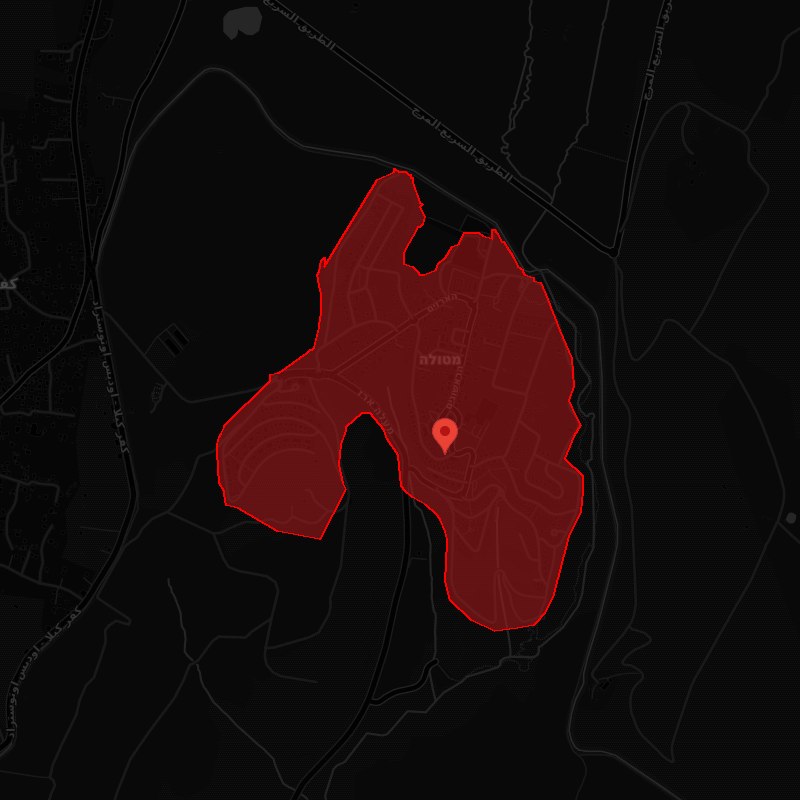
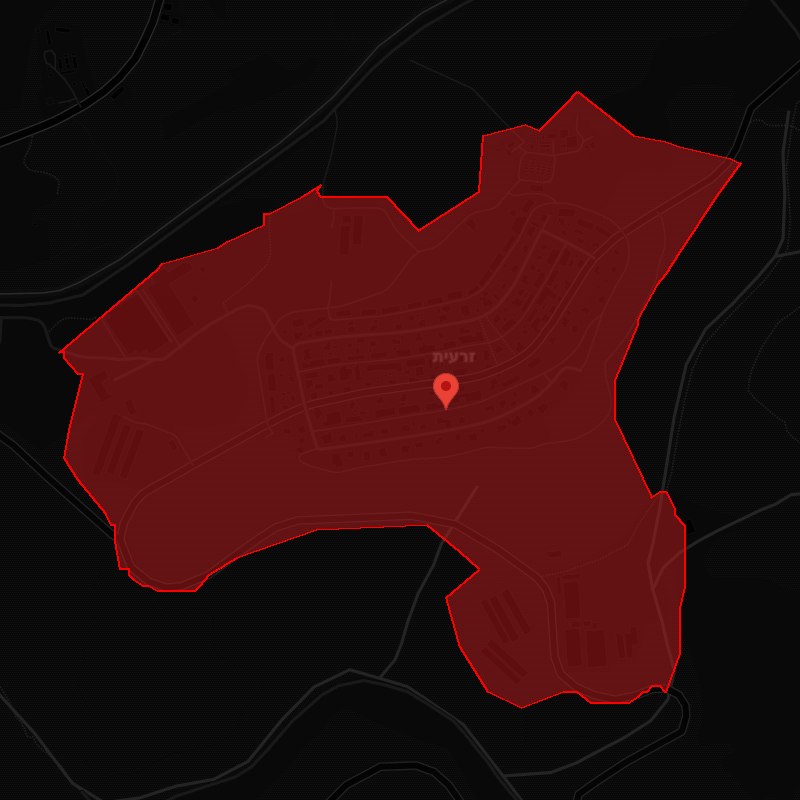
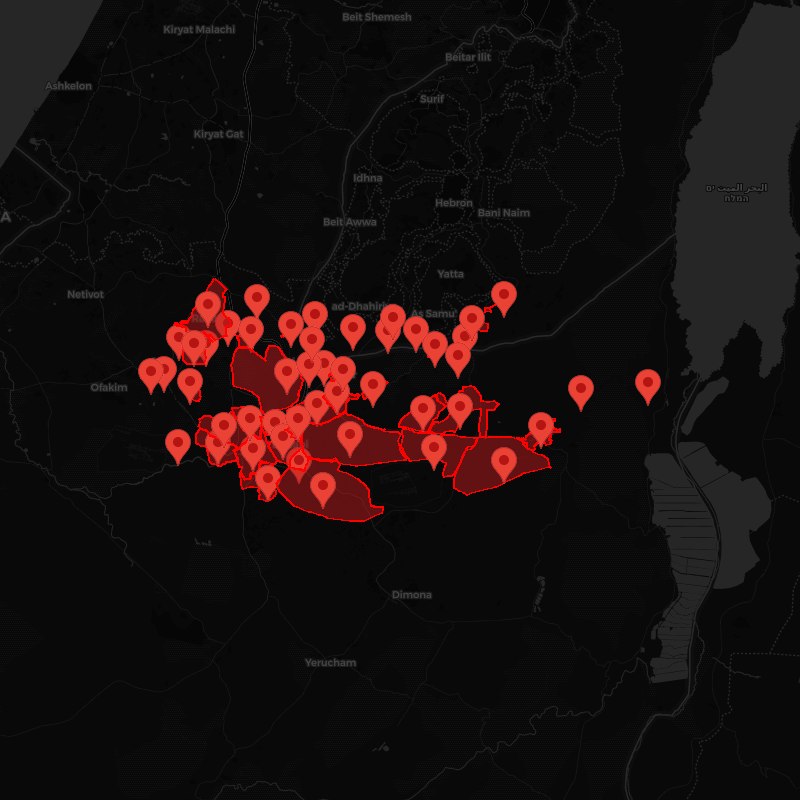
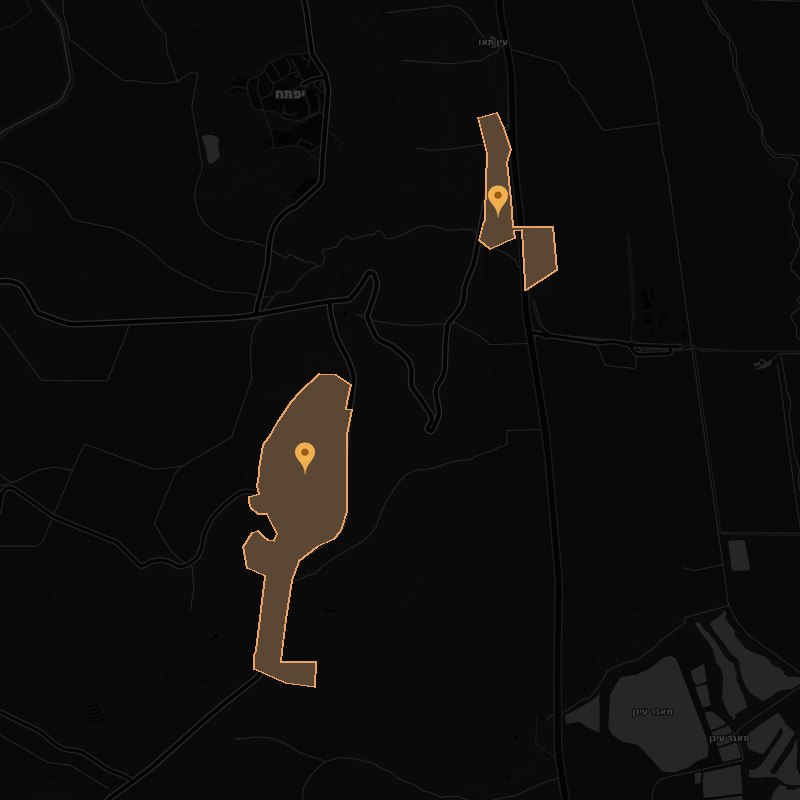
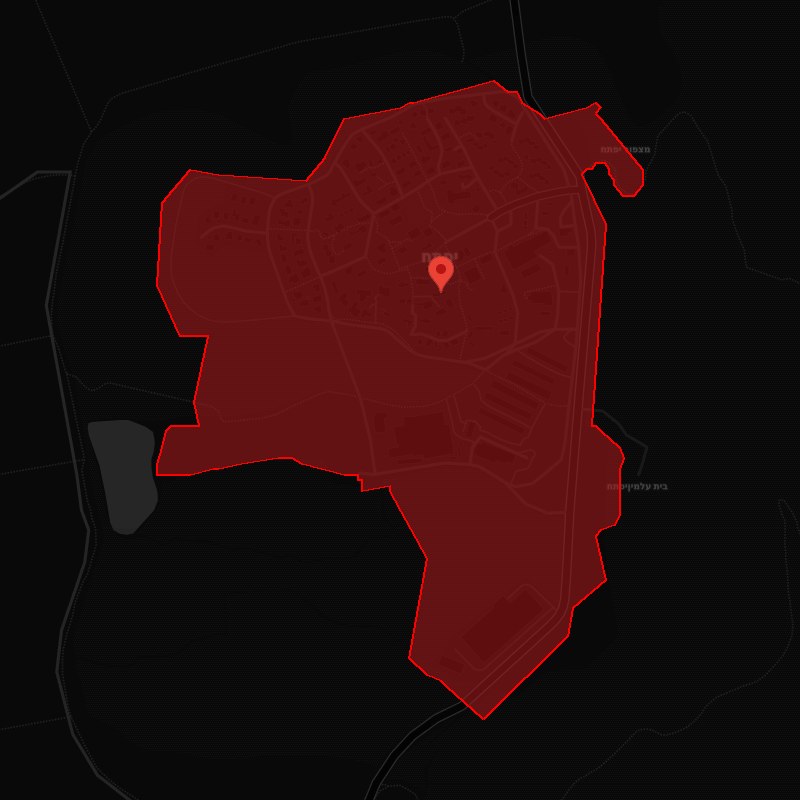
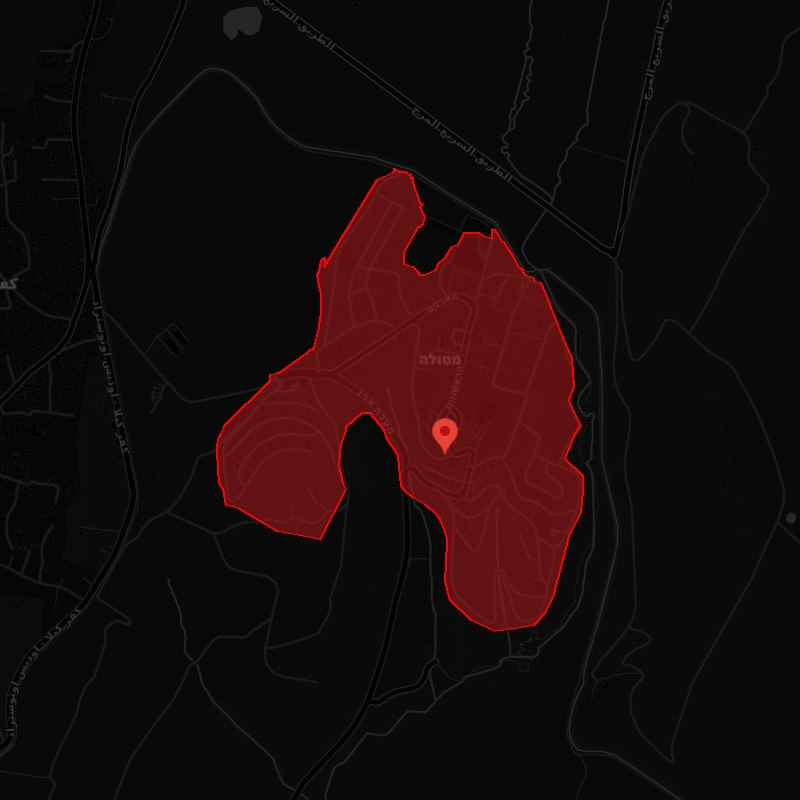
On March 27, 2026, Hezbollah executed a large‑scale ambush against an advancing Israel Defense Forces (IDF) infantry unit near the Litani River in the Taybeh area of southern Lebanon. The attack, which employed rockets, artillery, and first‑person‑view (FPV) drones, resulted in a substantial number of Israeli casualties and prompted immediate medical evacuation operations. The incident marks the most significant kinetic event of the day and illustrates the heightened lethality of Hezbollah’s combined‑arms tactics.
⚡️🇱🇧🇱🇧❌🇮🇱 - Hezbollah announces luring and then ambushing an IDF Infantry unit advancing through the 'Litani' river from southern Lebanon's 'Taybeh' at 00:30. The group targeted the IDF force using rockets, artillery and FPV drones leading to a large number of casualties. (GeoPWatch, https://t.me/GeoPWatch/30003)
Hezbollah’s Tactical Shift and Immediate Impact
The ambush leveraged a layered approach: long‑range rockets and artillery softened the target, while FPV drones provided real‑time targeting data for precision strikes. Although exact casualty figures have not been released, the term “large number of casualties” and ongoing evacuation efforts indicate a severe blow to the IDF unit. The use of FPV drones reflects Hezbollah’s increasing integration of commercial‑off‑the‑shelf technology into battlefield operations, a trend observed in previous engagements across the Lebanon‑Israel border.
Concurrent Israeli Operations in Lebanon
Following the ambush, Israeli forces continued offensive actions in Lebanon. An airstrike in Beirut at 11:02 UTC killed two civilians, while a separate strike in the Dahiyeh suburb of Beirut targeted Hezbollah infrastructure, marking the second such strike of the day (JPost, https://t.me/monitor_the_situation/6030). Additionally, an Israeli attack in the Bekaa Valley resulted in the death of a pregnant woman (monitor_the_situation, https://t.me/monitor_the_situation/5979). These operations demonstrate Israel’s strategy of applying pressure on multiple fronts within Lebanese territory.
Escalation Beyond the Lebanon‑Israel Frontier
Parallel to the Lebanon theater, the conflict expanded into Iraq and Saudi Arabia. A drone and missile attack on a U.S. base in Iraq wounded ten service members, two of them seriously (monitor_the_situation, https://t.me/monitor_the_situation/6071). In Saudi Arabia, Iranian missiles struck Prince Sultan Air Base, damaging several U.S. refueling aircraft and wounding ten U.S. service members (rnintel, https://t.me/rnintel/57593). These incidents underscore Iran’s willingness to target U.S. assets directly, raising the risk of broader confrontation.
U.S. Naval Response: Massive Tomahawk Campaign
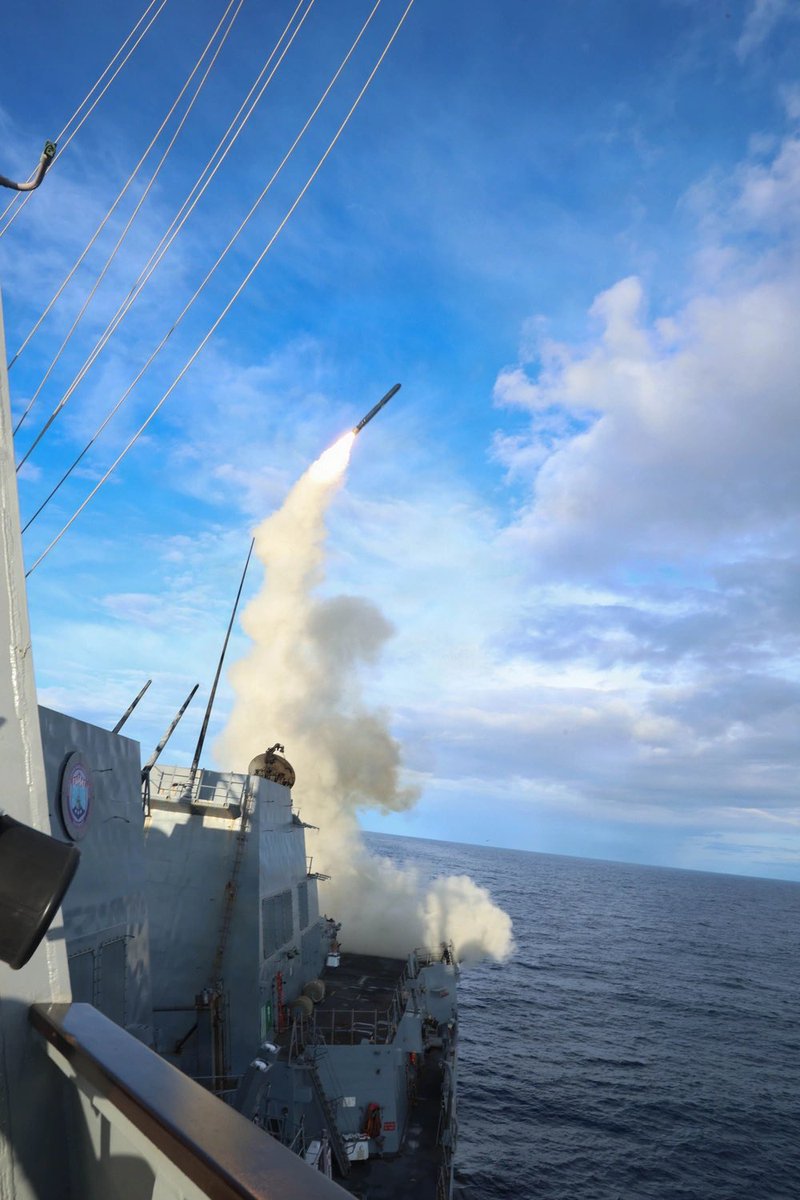
The United States escalated its kinetic response by launching over 850 BGM‑109 Tomahawk cruise missiles against Iranian targets, surpassing the total used in the 2003 Iraq invasion (monitor_the_situation, https://t.me/monitor_the_situation/5937). The missiles were deployed from naval platforms and aimed at a range of Iranian military infrastructure, including command‑and‑control nodes and missile production facilities. This unprecedented missile volume reflects a strategic shift toward sustained, high‑intensity air‑sea bombardment.
Iranian Counter‑Measures and Regional Missile Activity
Iran responded with a series of ballistic missile and drone launches targeting Gulf states and Israel. Notable events include a ballistic missile launch by the Islamic Revolutionary Guard Corps (IRGC) aimed at Israel (GeoPWatch, https://t.me/GeoPWatch/29991) and multiple drone‑missile attacks on Saudi Arabian, UAE, Kuwaiti, and Jordanian sites between March 24‑27 (monitor_the_situation, https://t.me/monitor_the_situation/6066). Jordan intercepted three Iranian missiles near Amman, while Saudi Arabia shot down twelve Iranian drones and intercepted two ballistic missiles over Riyadh (monitor_the_situation, https://t.me/monitor_the_situation/5920).
Humanitarian Consequences
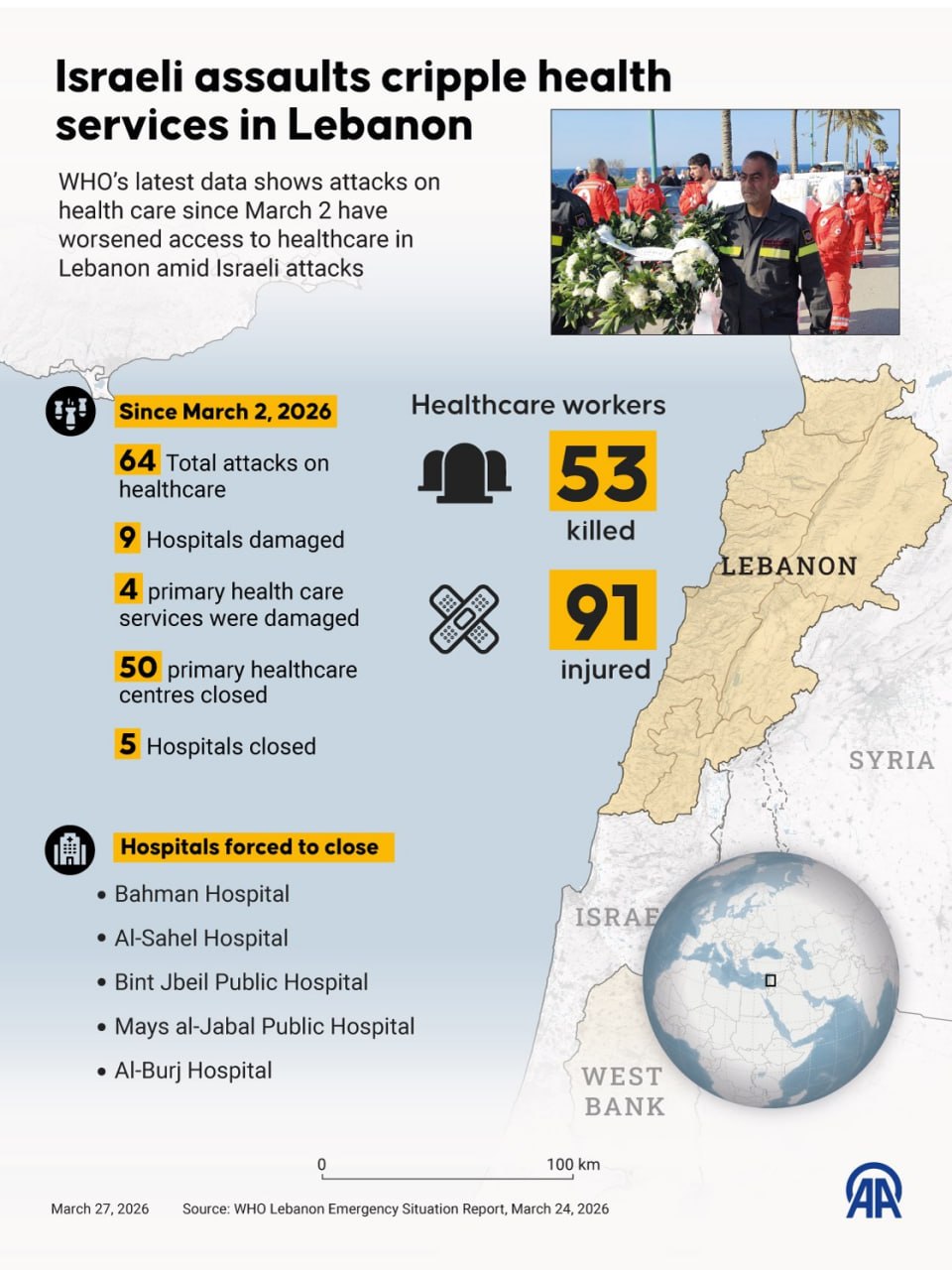
The kinetic surge has produced a growing humanitarian toll. In Iran, a mother testified before the UN Human Rights Council about a school attack in Minab that killed her two children (AlJazeera, https://www.aljazeera.com/news/2026/3/27/my-heart-burns-with-pain-iranian-mother-tells-un-of-minab-school-attack). In Lebanon, civilian casualties continue to rise, with the UN warning of a humanitarian catastrophe as displaced families live in constant fear (AlJazeera, https://www.aljazeera.com/news/2026/3/27/lebanon-faces-humanitarian-catastrophe-under-israeli-assault-un). The conflict’s expansion into civilian areas heightens the risk of broader regional destabilization.
Strategic Outlook
Analysts note that the convergence of high‑intensity kinetic actions—Hezbollah’s coordinated ambush, U.S. Tomahawk strikes, and Iranian missile and drone campaigns—signals a transition from limited border skirmishes to a more expansive, multi‑theater war. The use of advanced weaponry such as FPV drones, precision artillery, and large‑scale cruise missile barrages suggests both state and non‑state actors are adapting to modern combat dynamics. Continued escalation could draw additional regional powers into direct conflict, especially if attacks on U.S. and allied assets persist.