On March 26, 2026, a series of high‑severity rocket alerts were issued across numerous Israeli localities, as documented by the real‑time monitoring service RocketAlert. While no casualties or damage have been confirmed, the breadth of the alerts underscores a heightened state of alertness among civilian populations and the effectiveness of rapid notification systems.
Sharon Region Alert (05:16:12 UTC)
At 05:16:12 UTC, RocketAlert issued a warning for a rocket or missile event affecting a wide swath of the Sharon district. The alert listed the following communities: Herut, Tzofit, Kafr Bara, Elishema, Neveh Yamin, Eyal, Ramat HaKovesh, Batzra, Yarkona, Tzur Natan, Matan, Nirit, Sdeh Warburg, Rishpon, Alfei Menashe, Hagor, Sdei Hemed, Ra'anana, Ramot HaShavim, Ganei Am, Bnei Zion, Arsuf, Adanim, Salit, Southern Sharon Regional Center, Horashim, Yafhiv, Hod HaSharon, Shefayim, Mishmeret, Beit Berl, Gan Haim, and Ga. No specific weapon type or responsible organization was identified, and the source indicated “none” for both categories. The alert was disseminated through RocketAlert’s Telegram channel (https://t.me/RocketAlert/25448).
"Rocket/Missile alert 2026-03-26 07:16:08: Sharon: ..."
Bika'a and Surrounding Areas Alert (04:54:38 UTC)
Shortly thereafter, at 04:54:38 UTC, another alert covered the Bika'a region and adjacent settlements. Communities mentioned included Gitit, Netiv HaGdud, Na'ama, Yitav, Gilgal, Petza'el, Yafit, Tomer, Ma'aleh Ephraim, Mevuot Yericho, and Niran. Additional localities such as עלי זהב - לשם, חוות נוף אב"י, נוף איילון, and several agricultural cooperatives were also listed. As with the previous notice, the alert recorded no weapons or organizational attribution. The source URL for this notification is https://t.me/RocketAlert/25437.
"Rocket/Missile alert 2026-03-26 06:54:31: Bika'a: ..."
Northern Golan Alert (04:30:16 UTC)
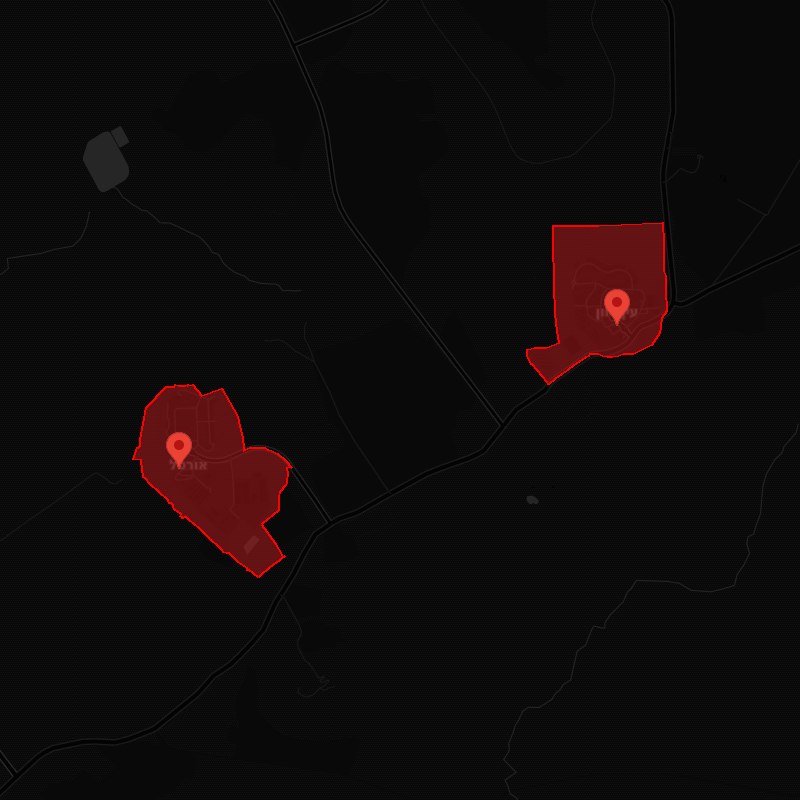
At 04:30:16 UTC, RocketAlert flagged a rocket alert in the Northern Golan Heights, specifically targeting the settlements of Ortal and Ein Zivan. The alert included a single photographic item for visual reference. No weapon details or responsible parties were provided. The notification can be accessed via https://t.me/RocketAlert/25432, with the original RocketAlert.live page linked for verification.
Upper Galilee Alert (04:12:54 UTC)
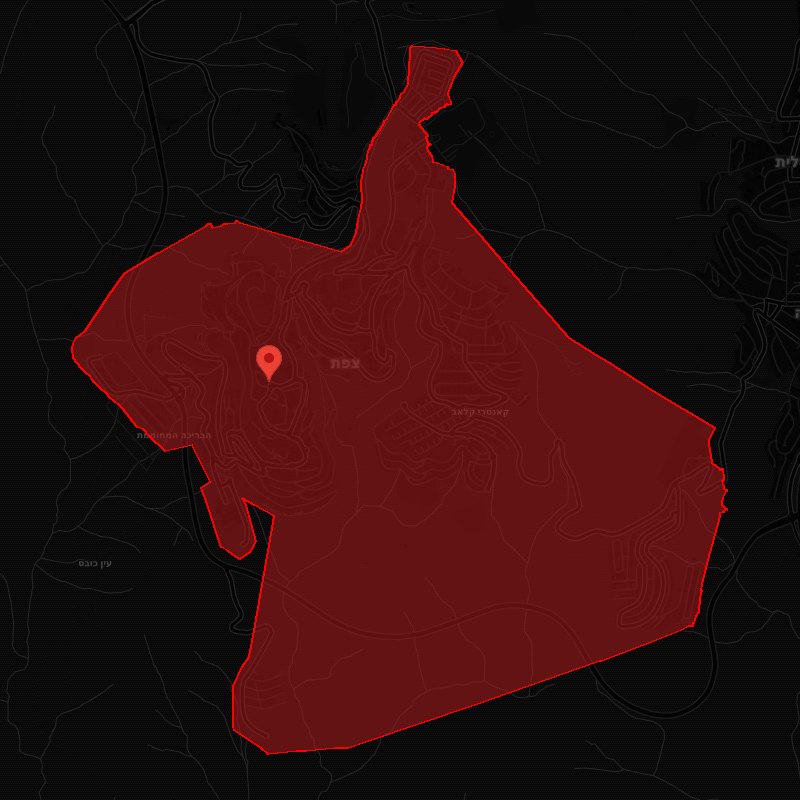
Four minutes later, at 04:12:54 UTC, an alert was issued for the Upper Galilee, focusing on the city of Safed. Similar to earlier alerts, the entry listed no weapons, organizations, or casualties, and included one accompanying photograph. The source URL is https://t.me/RocketAlert/25428.
Confrontation Line Alerts (03:31:59 UTC & 01:15:26 UTC)
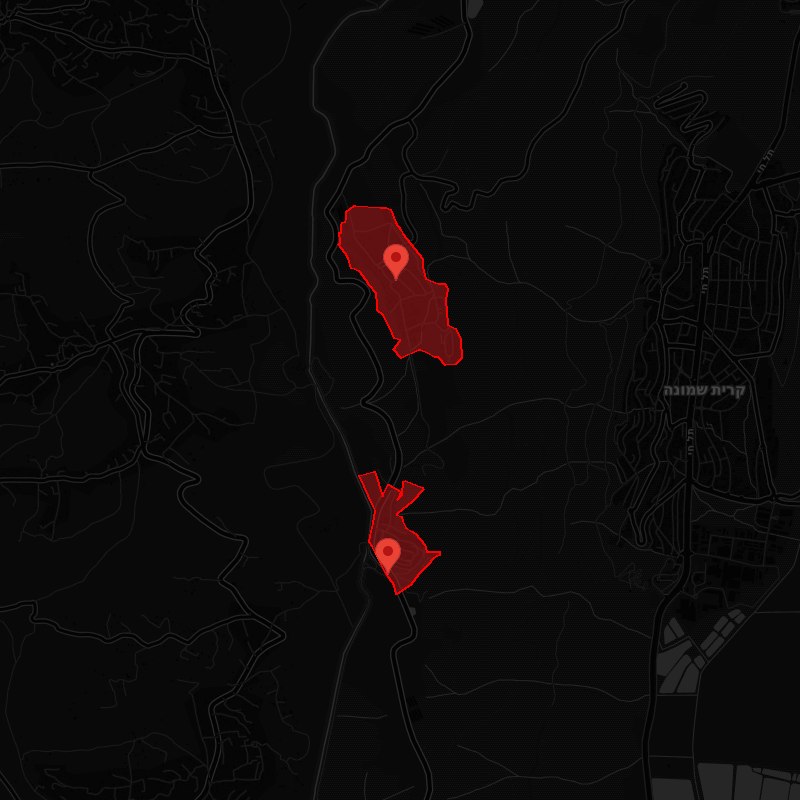
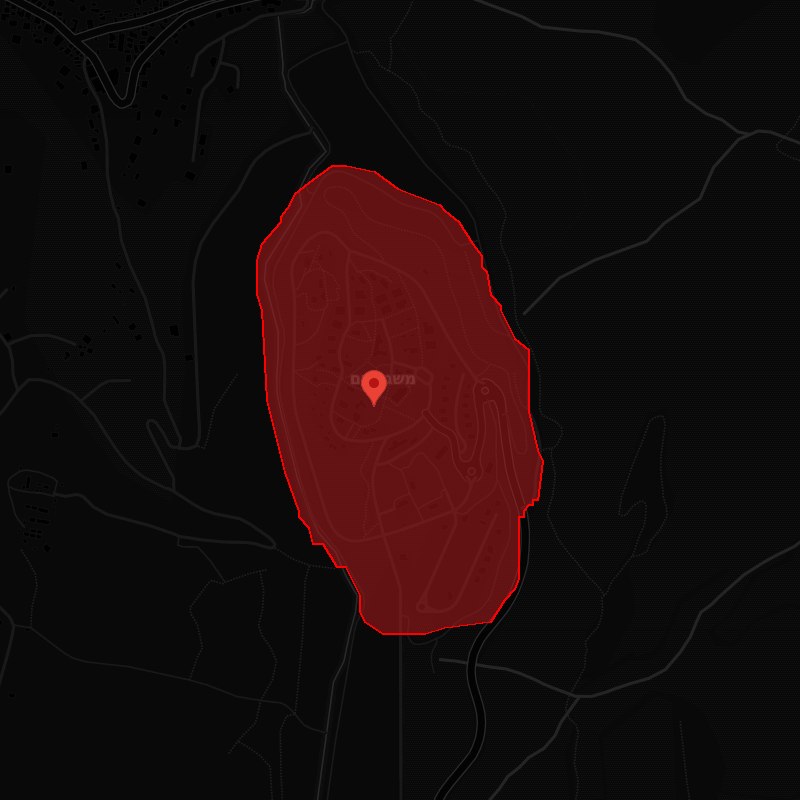
Two separate alerts were released for locations along the Israel‑Lebanon “Confrontation Line.” The first, at 03:31:59 UTC, covered Margaliot and Manara, while the second, at 01:15:26 UTC, addressed Misgav Am. Both alerts were classified as high severity, contained no casualty or weapon data, and each included a single photo. Source links are https://t.me/RocketAlert/25427 and https://t.me/RocketAlert/25426 respectively.
Analytical Overview
The concentration of alerts across disparate regions within a short time frame suggests a coordinated or simultaneous launch of projectiles, though the lack of confirmed weapon types prevents definitive attribution. All alerts originated from RocketAlert, a civilian‑operated platform that aggregates data from official Israeli defense sources and field reports. The platform’s rapid dissemination via Telegram enables residents to receive near‑real‑time warnings, potentially mitigating civilian harm.
While the alerts did not specify the launch origin, the geographic spread—from the Sharon plain in central Israel to the Northern Golan and Upper Galilee—covers both interior and border zones. Historically, rocket fire into Israel has been associated with militant groups operating from the Gaza Strip, Lebanon, and, less frequently, the Syrian theater. However, without explicit claims of responsibility, analysts must refrain from assigning blame.
Casualty reporting remains absent across all entries. The absence of confirmed injuries or fatalities may reflect either the effectiveness of Israel’s Iron Dome air‑defense system, the low‑yield nature of the projectiles, or successful civilian sheltering prompted by the alerts. The consistent inclusion of “none” under weapons and organizations further emphasizes the limited intelligence available at the time of reporting.
From an operational perspective, the alerts demonstrate the robustness of Israel’s civil defense infrastructure. The integration of automated alert generation, rapid social‑media distribution, and public compliance with shelter protocols contributes to a resilient response framework. Nonetheless, the sheer volume of alerts within a single day raises concerns about alert fatigue, which could diminish public responsiveness over time.
International observers have noted the pattern of frequent alerts as a potential escalation indicator. While no direct engagements were reported, the persistent threat environment may influence diplomatic calculations, humanitarian access, and regional security postures.
In summary, the March 26, 2026, rocket alerts represent a notable episode of widespread, high‑severity warnings across Israel, underscoring both the volatility of the security environment and the efficacy of civilian alert mechanisms. Continued monitoring of subsequent days will be essential to determine whether these events constitute an isolated spike or the onset of a sustained campaign.