At 04:51 UTC on 26 March 2026, Russian officials announced the evacuation of additional personnel from the joint Russian‑Iranian facility at the Bushehr nuclear power plant after what Moscow described as a "second strike" carried out by the United States and Israel. The claim, posted by the Telegram channel monitor_the_situation and linked to the original source (https://t.me/monitor_the_situation/5563), marks the most serious escalation involving the nuclear site since the conflict began earlier this year.
Russia accuses US and Israel of conducting a second strike near Iran's Bushehr nuclear power plant, prompting Russian staff evacuations.
The alleged attack follows a first strike reported on 25 March that damaged peripheral infrastructure at the plant. No casualty figures have been released, and the weapons used have not been disclosed, but the repeated targeting of a civilian nuclear facility raises the risk of a radiological incident and has prompted diplomatic protests from Moscow.
Escalation of US‑Israel Air Operations
Within the same 24‑hour window, multiple high‑intensity air operations were reported across Iran. At 03:57 UTC, the same Telegram channel warned that "US and Israeli military strikes on Iran are increasing in number and intensity," citing recent attacks on Shiraz and Isfahan (https://t.me/monitor_the_situation/5549). Later, at 03:31 UTC, Al Jazeera relayed a Russian foreign‑ministry statement condemning the second Bushehr strike (https://www.aljazeera.com/video/newsfeed/2026/3/26/russia-slams-second-us-israeli-strike-at-irans-bushehr-nuclear-reactor). At 03:25 UTC, Iranian state media, referenced by BellumActaNews, claimed that US Naval Aviation bombed an eight‑story building in Bandar Abbas, describing the target as a "targeted assassination" (https://t.me/BellumActaNews/169313). At 02:55 UTC, Israeli forces launched extensive airstrikes on Isfahan, though casualty numbers were not immediately available (https://t.me/monitor_the_situation/5537). The United States also conducted repeated bombings of Isfahan, reported by BellumActaNews at 00:25 UTC (https://t.me/BellumActaNews/169309). These coordinated strikes indicate a sustained campaign aimed at degrading Iran’s strategic and command‑and‑control assets.
Direct Aerial Confrontations in the Persian Gulf
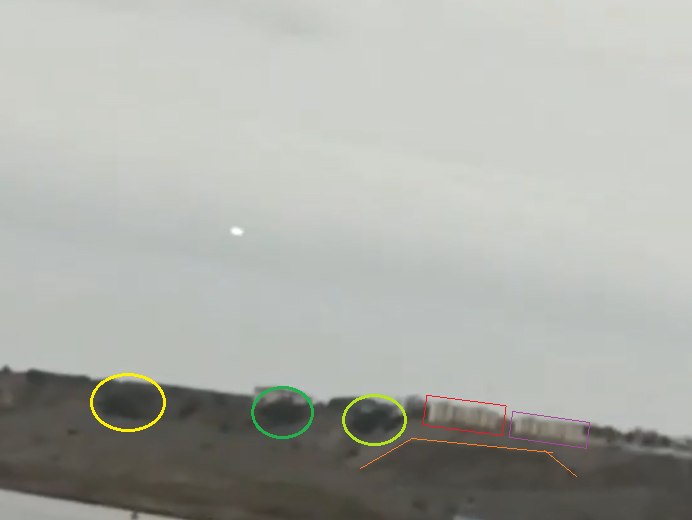
Simultaneous to the strikes on Iranian territory, the Persian Gulf saw direct engagements between US aircraft and Iranian air‑defence systems. At 04:33 UTC, a US Navy F/A‑18 Super Hornet was hit by an Iranian MANPADS missile near the Imam Ali Independent IRGC Naval Base in Chabahar, Sistan‑and‑Baluchestan Province (https://t.me/monitor_the_situation/5561). A separate report at 09:09 UTC from rnintel documented a US F/A‑18F Super Hornet struck on its tail by a MANPAD over southeastern Iran (https://t.me/rnintel/57437). Both incidents demonstrate that Iranian surface‑to‑air capabilities are capable of engaging high‑performance US jets, raising the probability of further aerial losses.
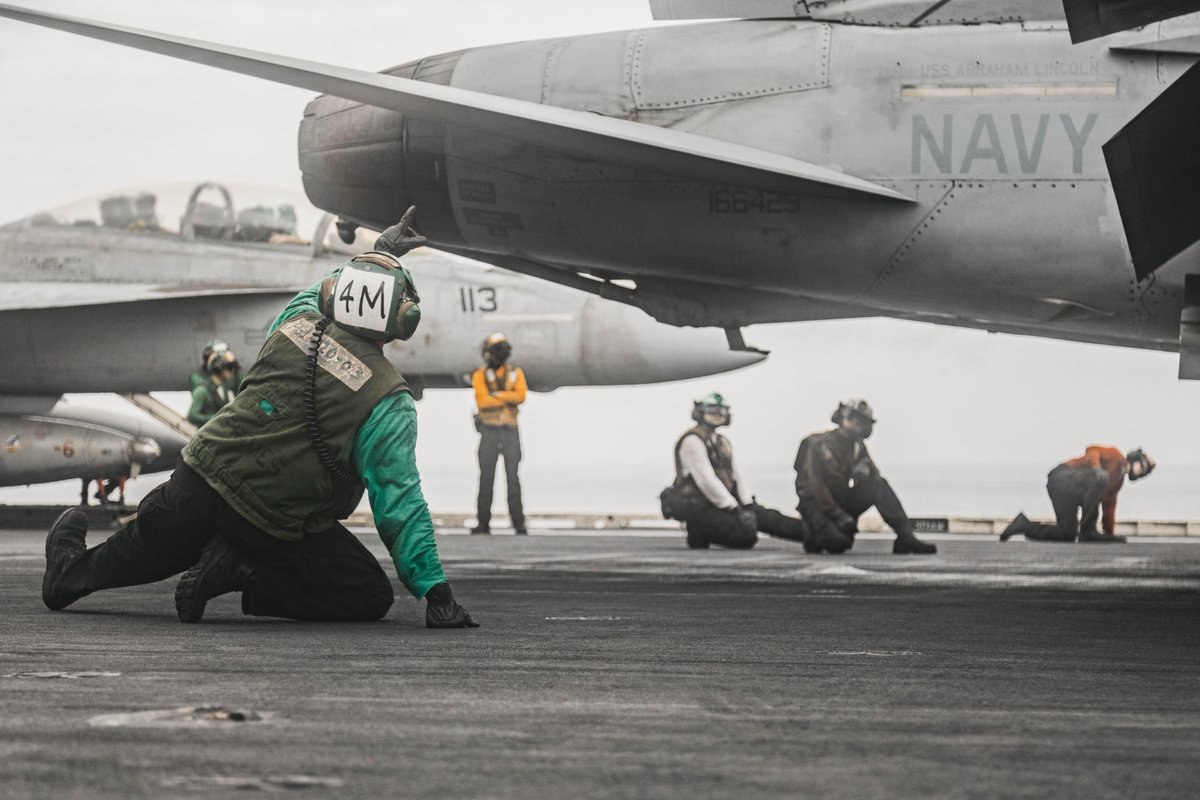
In addition, the US aircraft carrier USS Abraham Lincoln conducted airstrikes on Iranian military targets from regional waters at 01:00 UTC (https://t.me/monitor_the_situation/5524). The carrier’s involvement underscores the United States’ willingness to project power from the sea, while Iran responded with a series of missile and drone attacks on Gulf cities.
Iranian Counter‑measures and Regional Reactions
Iran’s retaliatory actions extended beyond its own airspace. At 04:24 UTC, the IRGC launched a coordinated drone and missile attack on Dubai, United Arab Emirates, as reported by GeoPWatch (https://t.me/GeoPWatch/29888). Explosions were subsequently reported across Dubai, prompting UAE missile‑threat alerts (https://t.me/monitor_the_situation/5558). The United Arab Emirates’ air‑defence systems intercepted Iranian missile and drone threats over Abu Dhabi at 04:14 UTC (https://t.me/monitor_the_situation/5555). Saudi Arabia also reported multiple drone interceptions: 35 drones over Riyadh between 03:35 UTC and 01:13 UTC, and 25 drones over the Eastern Province at 01:20 UTC (https://t.me/monitor_the_situation/5543, https://t.me/rnintel/57426). Kuwait shot down two drones over its capital at 02:35 UTC (https://t.me/monitor_the_situation/5533). These defensive actions illustrate a rapid escalation of Iranian unmanned‑aircraft deployments across the Gulf.
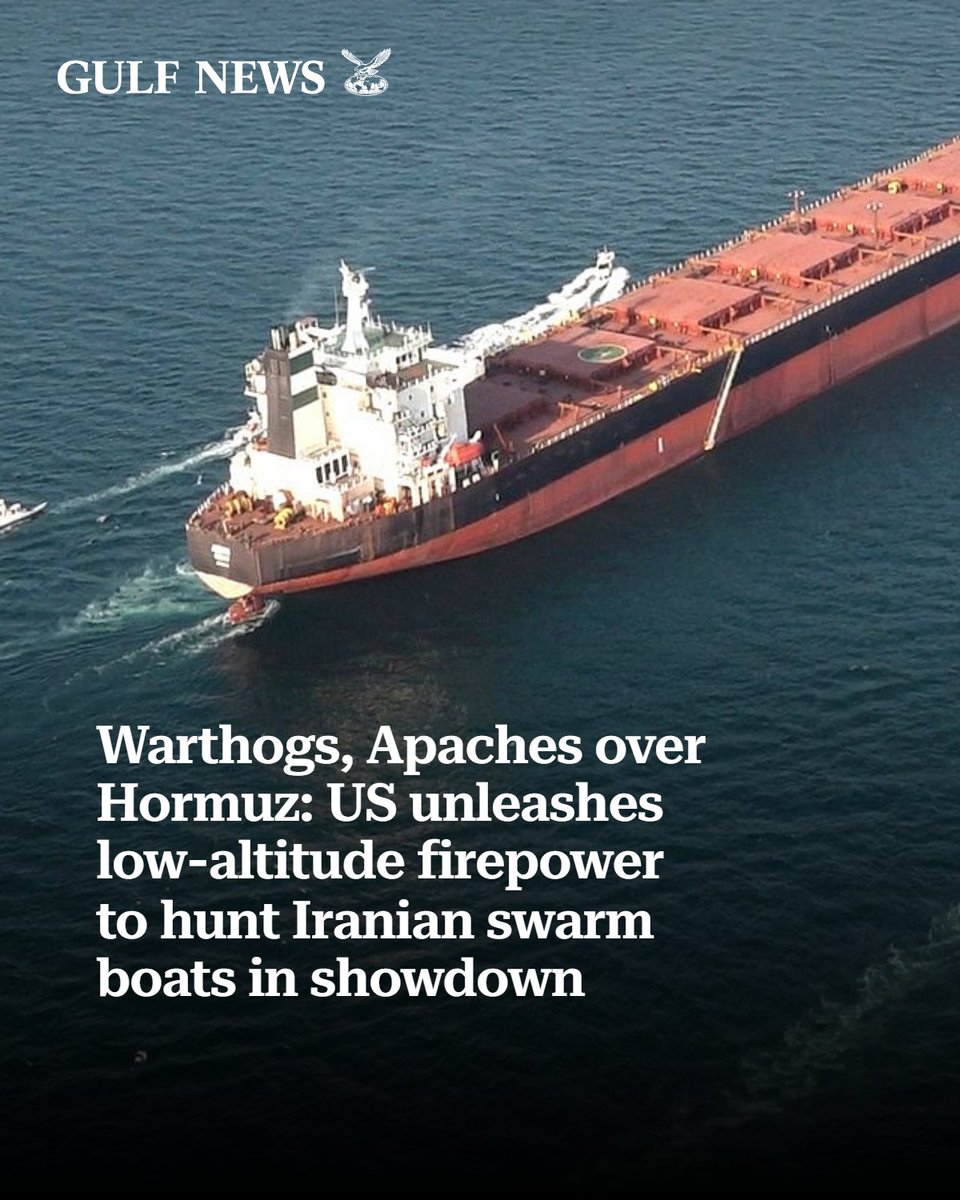
On the maritime front, Iran deployed fast‑attack and drone boats to harass oil tankers transiting the Strait of Hormuz at 04:10 UTC (https://t.me/monitor_the_situation/5552). The move threatens global energy supplies and signals Tehran’s intent to leverage chokepoints as leverage in the broader conflict.
Broader Strategic Implications
The convergence of kinetic events—airstrikes, missile launches, naval harassment, and ground force deployments—suggests a multi‑domain escalation that could draw additional regional actors into direct confrontation. Russia’s evacuation of staff from Bushehr indicates concern over the safety of foreign personnel at dual‑use facilities. Meanwhile, US and Israeli forces continue to target Iranian infrastructure, while Iran expands its anti‑access/area‑denial (A2/AD) posture in the Gulf and Gulf‑Coast airspace.
Intelligence assessments note that Iran has reinforced Kharg Island, a critical oil export hub, with additional troops and antipersonnel mines (https://t.me/monitor_the_situation/5521). Parallel reports from intelslava indicate that Iran is moving extra army units to Kharg Island in anticipation of a possible US‑Israel ground operation (https://t.me/intelslava/85486). The Wall Street Journal, cited by intelslava, has reported that a US‑Israel ground operation could commence soon, potentially targeting Kharg Island (https://t.me/intelslava/85484). These preparations underscore the risk of a conventional invasion scenario.
Overall, the pattern of events on 26 March 2026 reflects a rapid intensification of kinetic hostilities centered on Iran’s nuclear infrastructure, its maritime chokepoints, and its urban centers. The involvement of multiple state and non‑state actors—United States, Israel, Russia, Iran, the IRGC, and regional Gulf states—creates a complex operational environment where miscalculations could trigger broader regional conflict.