On 26 March 2026 Iran imposed a full blockade of the Strait of Hormuz, halting all ship traffic for the first time in years. The blockade was reported by monitor_the_situation and confirmed by the Financial Times, which noted that zero vessels transited the waterway during the reporting period. The Strait handles roughly 20% of global oil shipments; its closure represents a critical escalation in Iran’s control of a strategic maritime corridor.
Strait of Hormuz Blockade
The blockade was enacted without the use of weapons, but the strategic effect is comparable to a kinetic operation. Iranian forces deployed fast‑attack boats and unmanned surface vessels to interdict commercial traffic, as documented by monitor_the_situation (source URL: https://t.me/monitor_the_situation/5656). The action disrupted oil flows, raised global energy prices, and prompted immediate diplomatic warnings from the United States, the United Kingdom and the European Union.
Coordinated Airstrike Campaign Across Iran
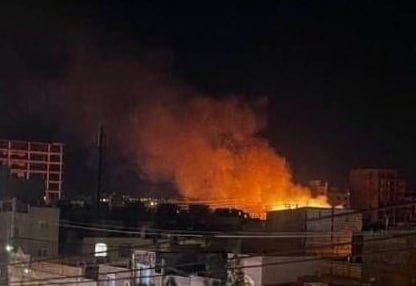
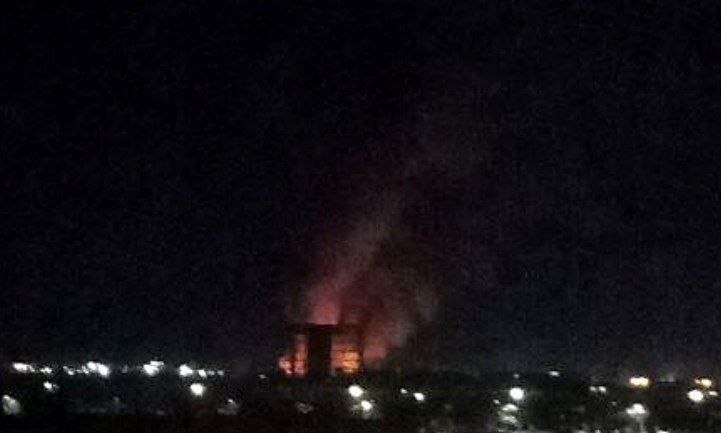
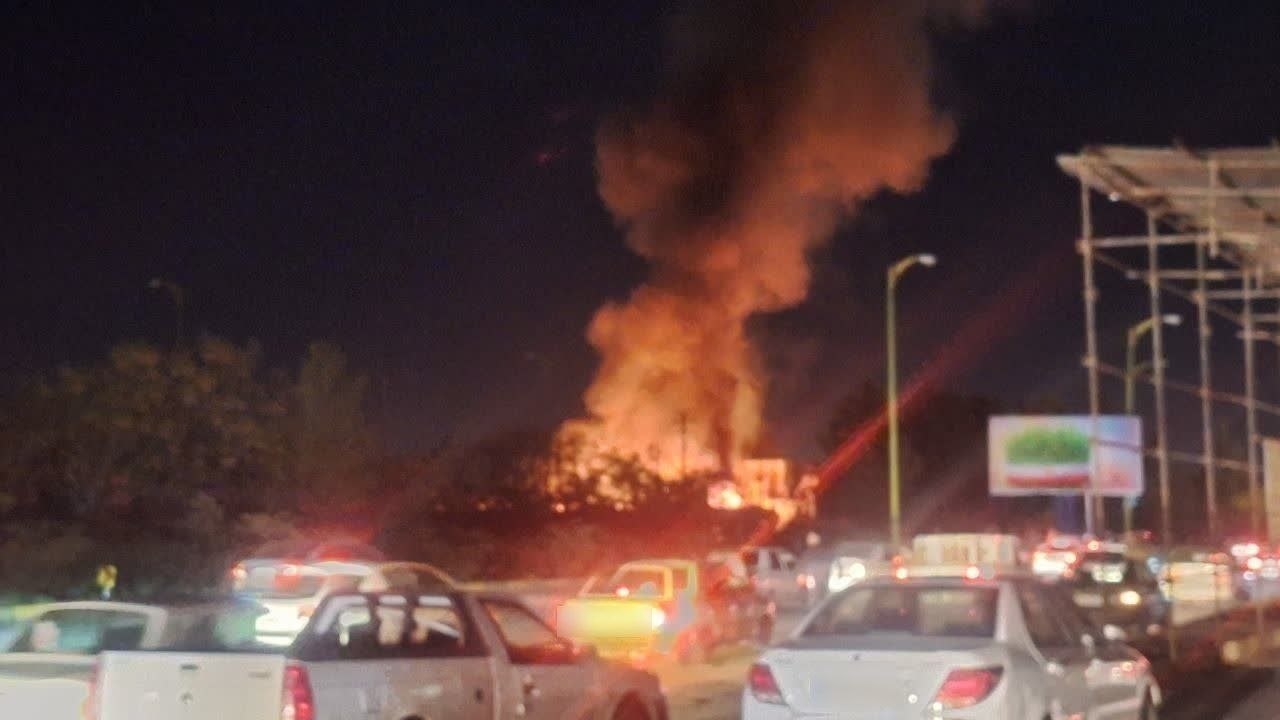
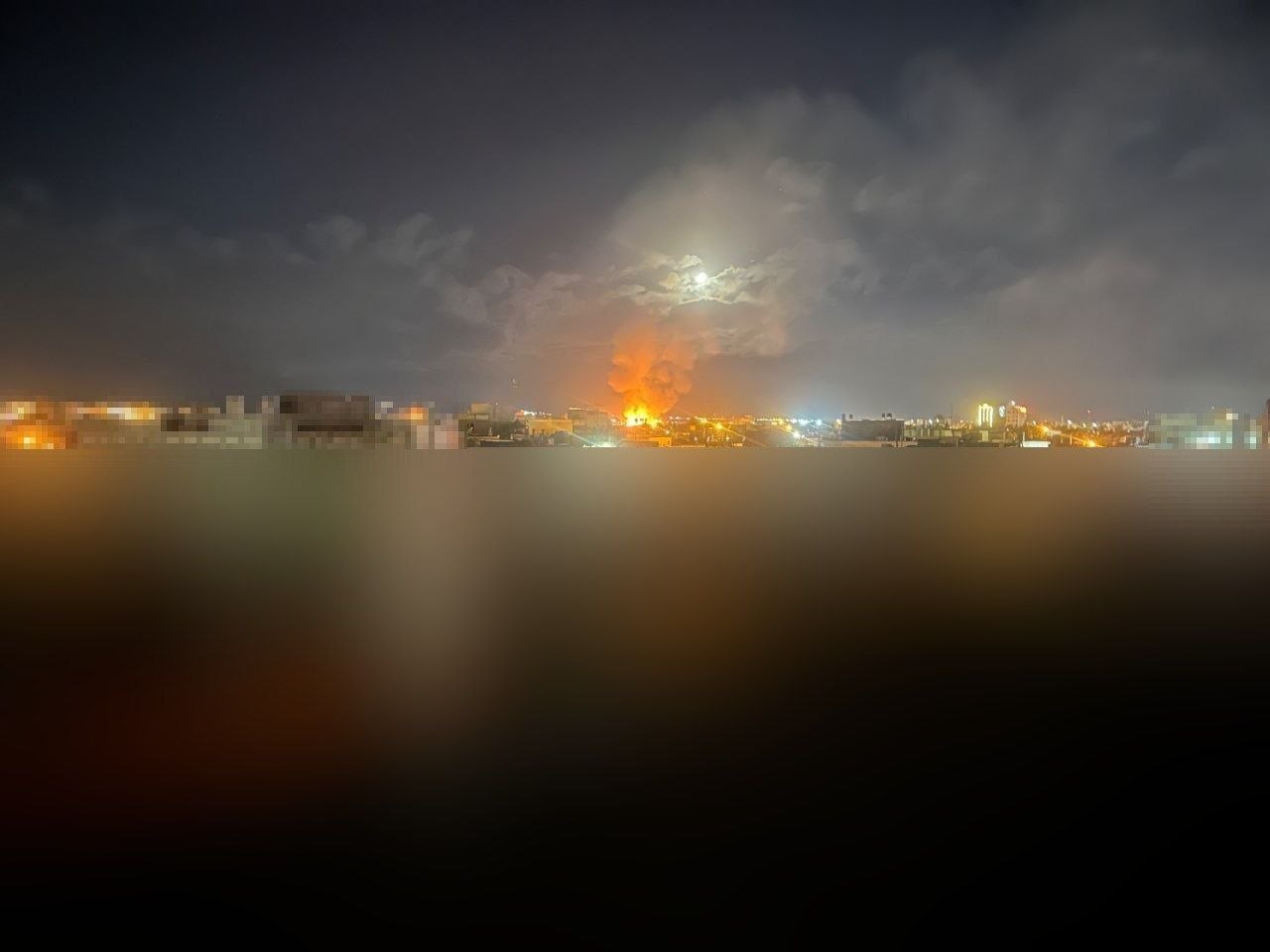
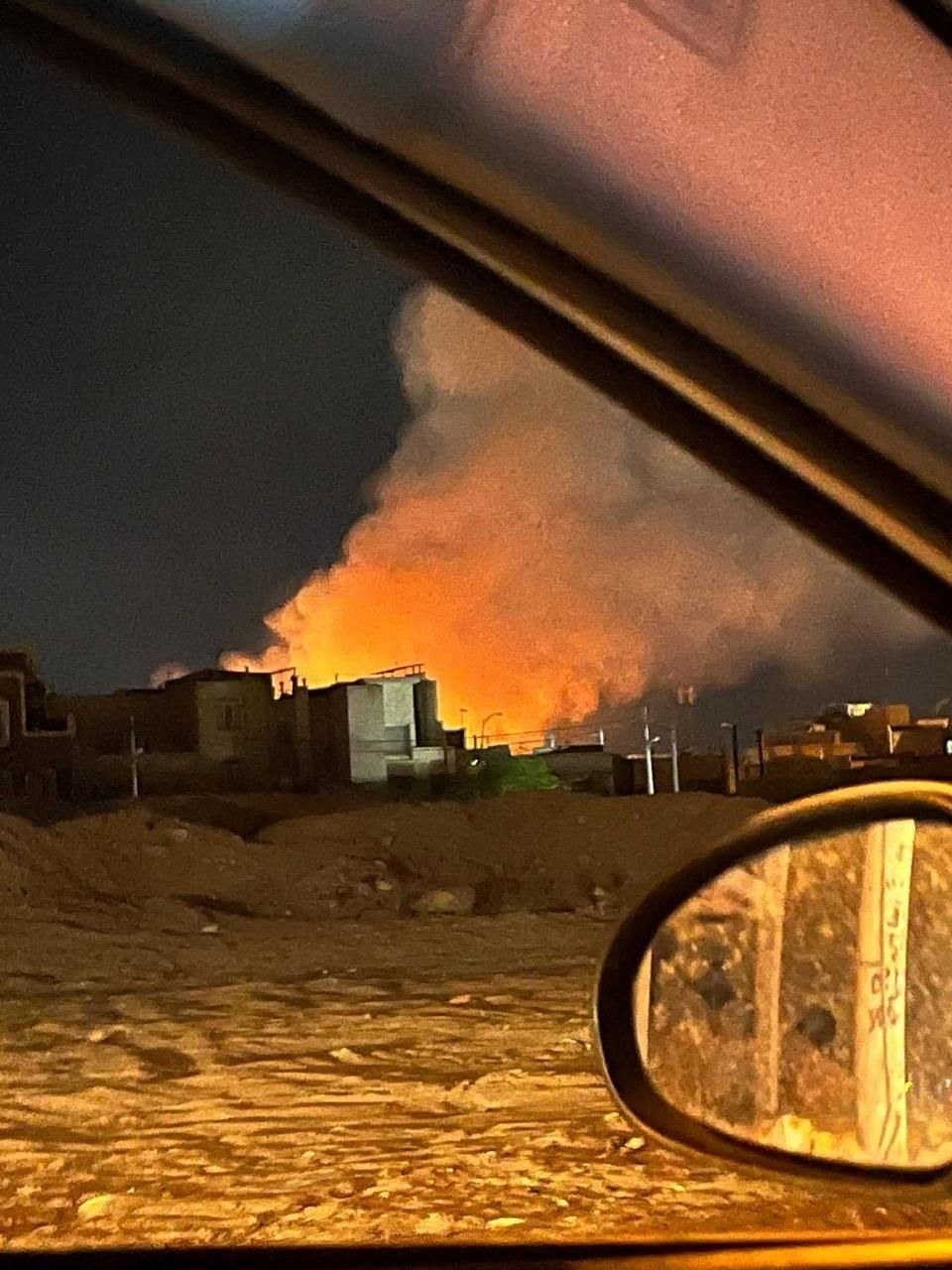
Simultaneous high‑intensity air operations were conducted by multiple actors. The Israeli Air Force (IAF) launched dozens of low‑altitude fighter‑jet sorties over Tehran and surrounding districts from 19:40 to after 20:15, striking central, eastern and southern districts (source: BellumActaNews, https://t.me/BellumActaNews/169348). The United States Air Force (USAF) carried out multiple bombings of Kashan in Isfahan Province, employing conventional bombs (source: BellumActaNews, https://t.me/BellumActaNews/169360). Coalition forces—identified as a joint U.S.–Israeli effort—targeted the IRGC Joint Staff Headquarters in Tehran with warplanes (source: BellumActaNews, https://t.me/BellumActaNews/169344).
Additional strikes hit Mehrshahr in Karaj (IAF, source: BellumActaNews, https://t.me/BellumActaNews/169364), Urmia in West Azerbaijan Province (source: BellumActaNews, https://t.me/BellumActaNews/169356), and western and southeastern districts of Tehran (source: BellumActaNews, https://t.me/BellumActaNews/169354 and https://t.me/BellumActaNews/169355). The IAF also targeted missile storage and launch sites in Kermanshah and Dezful, delivering approximately 70 munitions across 20 sorties (source: monitor_the_situation, https://t.me/monitor_the_situation/5750).
Casualty figures were not disclosed in most reports, but a separate incident in Tehran’s telecommunications building resulted in one fatality (source: monitor_the_situation, https://t.me/monitor_the_situation/5805). Two civilian boys were killed in Shiraz during a US‑Israeli attack (source: monitor_the_situation, https://t.me/monitor_the_situation/5541).
Targeted Assassinations of IRGC Naval Leadership
Israel announced the killing of IRGC Navy Commander Admiral Alireza Tangsiri in a series of strikes near Bandar Abbas and the Strait of Hormuz. The Israeli Defense Minister Yoav Gallant (quoted by Al Jazeera) described the operation as “military assistance for U.S. efforts to reopen the Strait of Hormuz.”
"The IRGC Navy Commander, Admiral Alireza Tangsiri, has been killed. This operation supports U.S. efforts to restore safe passage through the Strait," – Israeli Defense Minister Yoav Gallant (Al Jazeera, https://www.aljazeera.com/video/newsfeed/2026/3/26/iranian-naval-chief-killed-in-attack-israel-says)Multiple sources—Al Jazeera, JPost, rnintel, and monitor_the_situation—reported the same target, confirming a coordinated Israeli strike that eliminated a senior IRGC naval figure without reported collateral casualties.
Naval and Aerial Engagements
U.S. naval aviation encountered direct resistance. A U.S. Navy carrier‑based F/A‑18 Super Hornet struck Iranian positions on the southern coast and was subsequently hit by an Iranian MANPADS heat‑seeking missile (source: monitor_the_situation, https://t.me/monitor_the_situation/5589). A separate incident near Chabahar saw an Iranian MANPADS missile strike a U.S. F/A‑18, confirming the presence of portable air‑defense systems in the region (source: monitor_the_situation, https://t.me/monitor_the_situation/5561). An attempted shoot‑down of another U.S. F/A‑18 near Chabahar Port was reported later the same day (source: monitor_the_situation, https://t.me/monitor_the_situation/5520).
Iran also deployed fast‑attack and drone boats to harass oil tankers transiting the Strait, intensifying the maritime threat environment (source: monitor_the_situation, https://t.me/monitor_the_situation/5552).
Ground Movements and Defensive Posturing
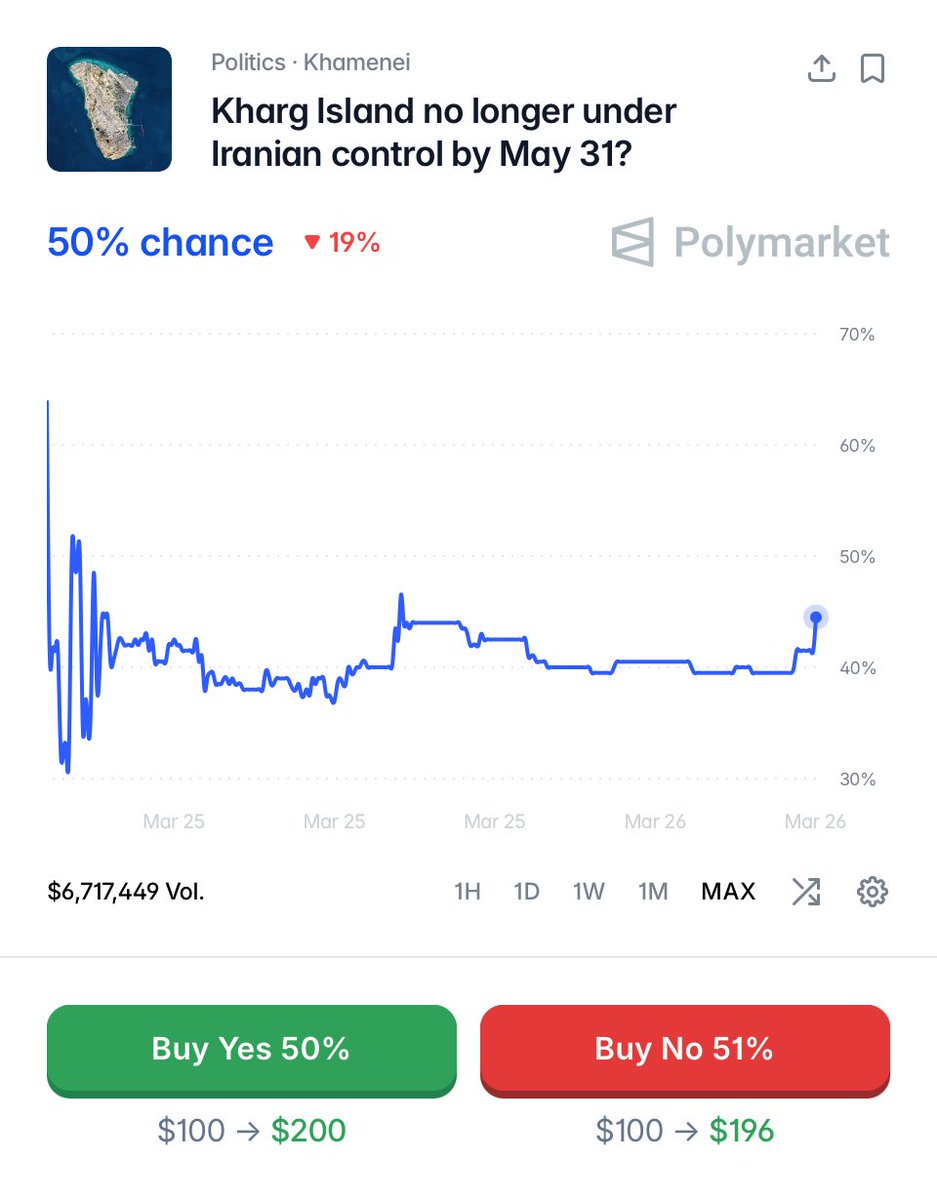
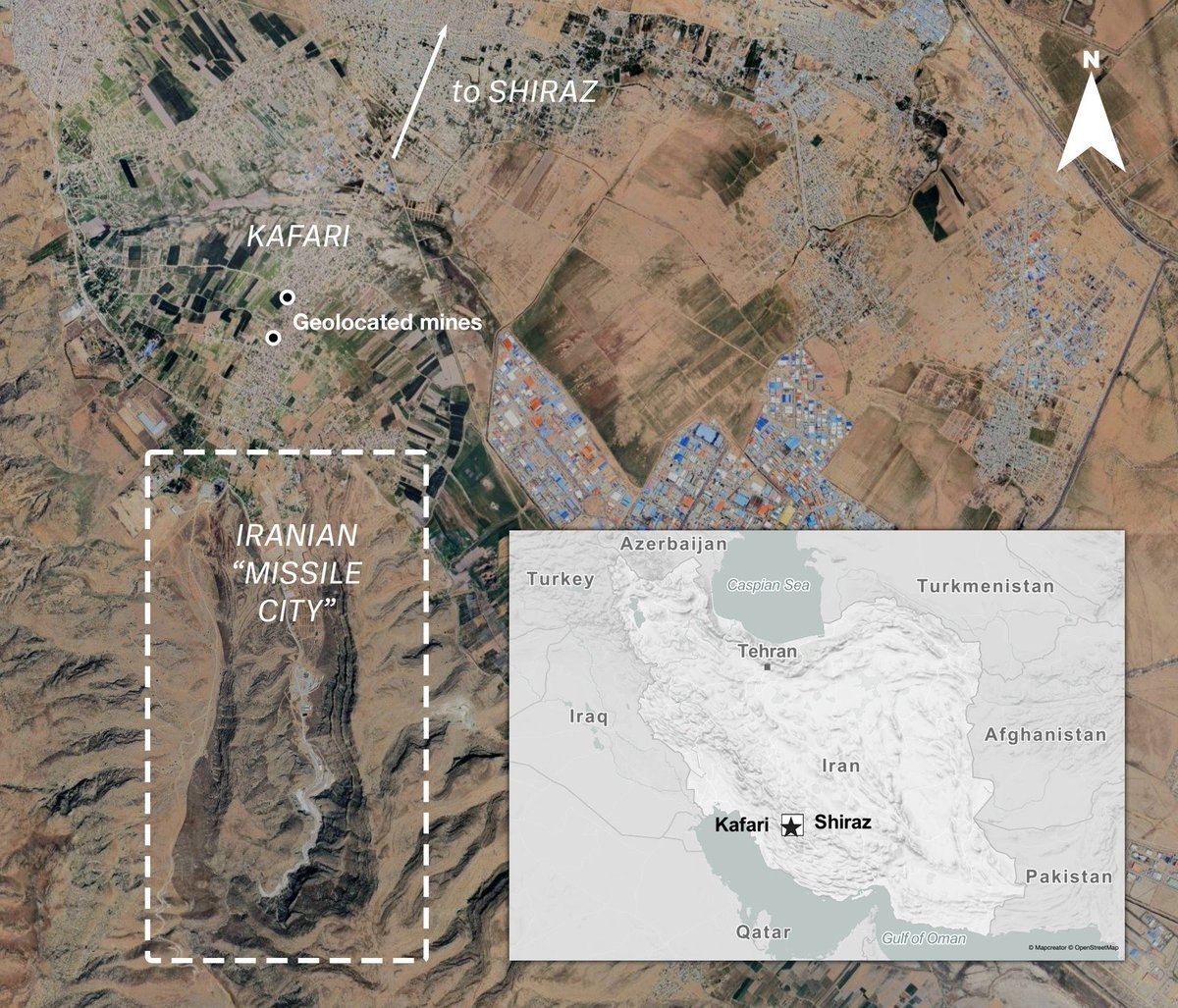
Iran reinforced Kharg Island, a key oil export hub, with additional troops, antipersonnel mines, and air‑defense assets (source: monitor_the_situation, https://t.me/monitor_the_situation/5521). The United States responded by positioning Army and Marine Corps landing assets near the island, indicating preparation for a potential amphibious operation (source: monitor_the_situation, https://t.me/monitor_the_situation/5821). Concurrently, U.S. forces began laying landmines around Iran’s missile production cities, a measure intended to impede ballistic missile launch vehicles but which inadvertently placed mines near civilian towns (source: monitor_the_situation, https://t.me/monitor_the_situation/5767).
In the Persian Gulf, a Thai‑flagged cargo vessel, Mayuree Naree, was struck by an Iranian projectile and ran aground near Qeshm Island, underscoring the spillover risk to commercial shipping (source: rnintel, https://t.me/rnintel/57500).
Regional Implications
The convergence of a maritime blockade, widespread airstrikes, targeted assassinations, and ground force deployments marks the most intense kinetic phase of the Iran‑centered conflict to date. The blockade of the Strait of Hormuz alone threatens global energy markets, while the multi‑theater air campaign demonstrates coordinated use of air power by Israel, the United States and coalition partners. Iranian defensive actions, including MANPADS engagements and naval harassment, reflect an escalating tit‑for‑tat environment that raises the risk of inadvertent escalation.
Monitoring agencies continue to verify casualty numbers and infrastructure damage. The documented events provide a factual baseline for assessing the conflict’s trajectory and potential impact on regional stability.