The International Atomic Energy Agency (IAEA) issued an urgent warning on 26 March that ongoing missile strikes targeting Iran's nuclear facilities could trigger a major radiological accident. The agency’s Director General Rafael Grossi stressed that continued damage to operating plants, such as the Bushehr Nuclear Power Plant, would pose "significant safety risks" and could lead to uncontrolled releases of radioactive material.
"The risk of a major radiological accident is now significant," Grossi said in a statement released by the IAEA channel monitor_the_situation (https://t.me/monitor_the_situation/5814).
US and Israeli Kinetic Campaigns Against Iranian Infrastructure
Parallel to the IAEA alert, the United States has intensified its air and naval operations under the banner Operation Epic Fury. CENTCOM announced that U.S. forces have struck over 10,000 Iranian targets across the Middle East, employing carrier‑based aircraft from the USS Abraham Lincoln in international waters near Iran (monitor_the_situation, https://t.me/monitor_the_situation/5676). The Pentagon also disclosed the deployment of uncrewed drone speedboats in the Persian Gulf to patrol against Iranian vessels (monitor_the_situation, https://t.me/monitor_the_situation/5800).
In a separate strategic move, President Donald Trump publicly considered a ground invasion of Iran and a seizure of Kharg Island, a key oil export hub in the Bushehr Province. The proposal was reiterated in multiple briefings, including a televised update where Trump claimed that the Iranian navy had been "sunk in the largest naval elimination since World War II" (monitor_the_situation, https://t.me/monitor_the_situation/5697). The Pentagon later confirmed plans to consider a ground operation on Kharg Island and the seizure of ships near the Strait of Hormuz (monitor_the_situation, https://t.me/monitor_the_situation/5816).
Ground Combat Casualties on Multiple Fronts
Israel’s Defense Forces (IDF) reported the deaths of two 21‑year‑old sergeants in clashes with Hezbollah forces in southern Lebanon (CIG_telegram, https://t.me/CIG_telegram/72418). The IDF also confirmed the death of Staff Sergeant Ori Greenberg of the Golani Brigade during a fire exchange with Hezbollah at 02:00 local time (GeoPWatch, https://t.me/GeoPWatch/29905). In a related incident, a senior Hezbollah anti‑aircraft commander, Hassan Muhammad Bashir, was killed in an Israeli Air Force strike on Hajar village, Lebanon (monitor_the_situation, https://t.me/monitor_the_situation/5738).
On the West Bank, an Israeli civilian opened fire during a clash in Harmele, killing an East Jerusalem resident and wounding three others (idkunim_il, https://t.me/idkunim_il/57473). The incident followed the establishment of an illegal outpost on private Palestinian land, prompting a rapid IDF response.
Widespread Rocket, Missile and Drone Alerts
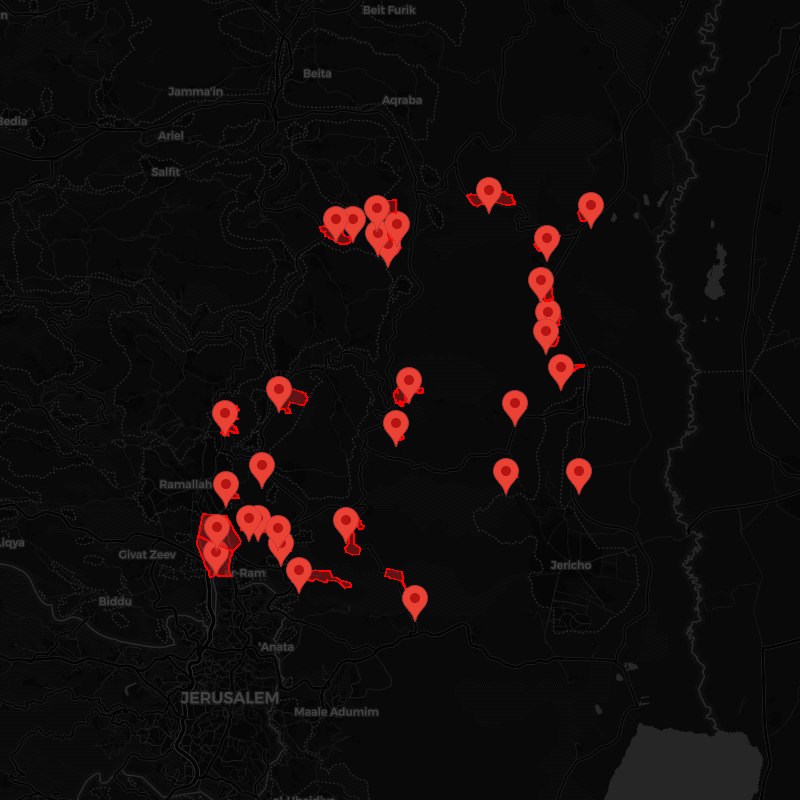
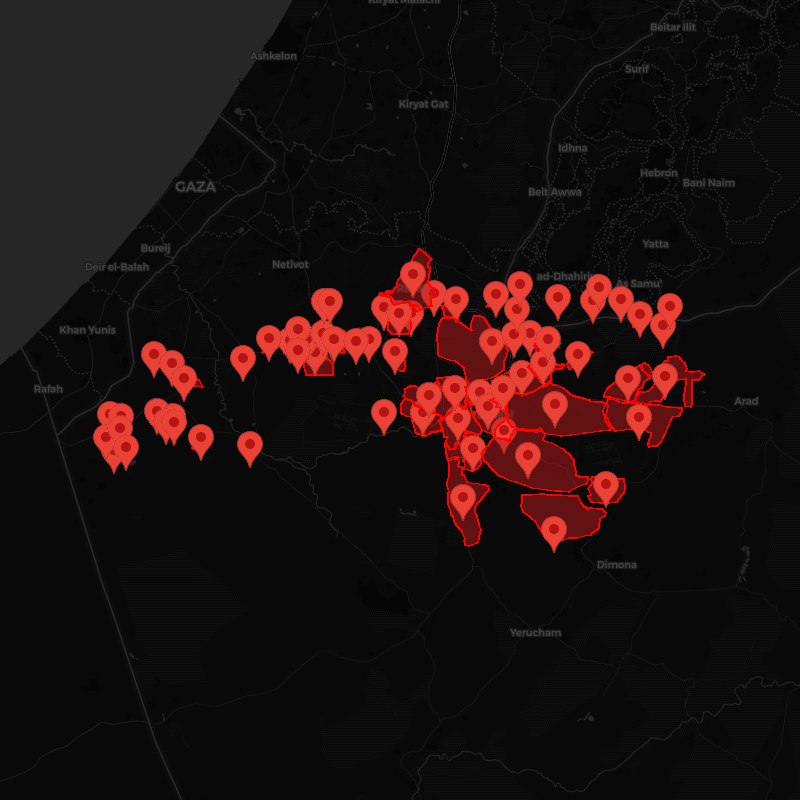
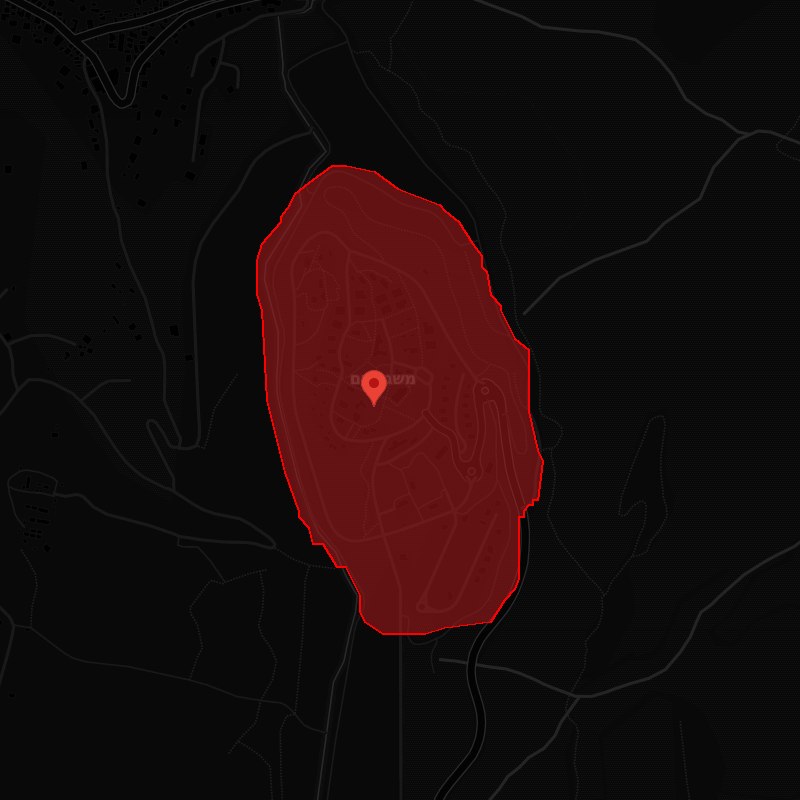
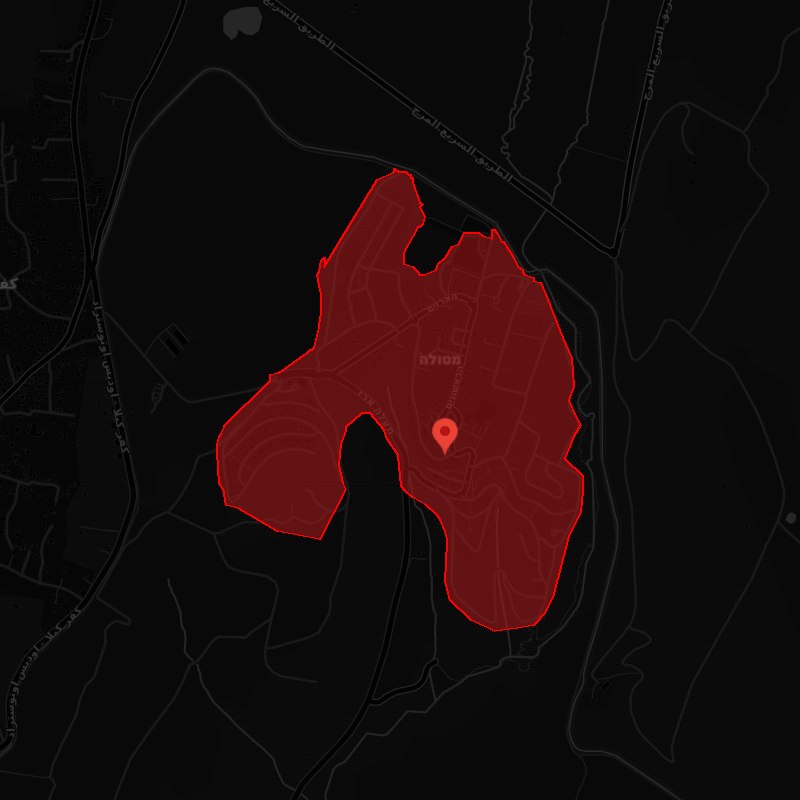
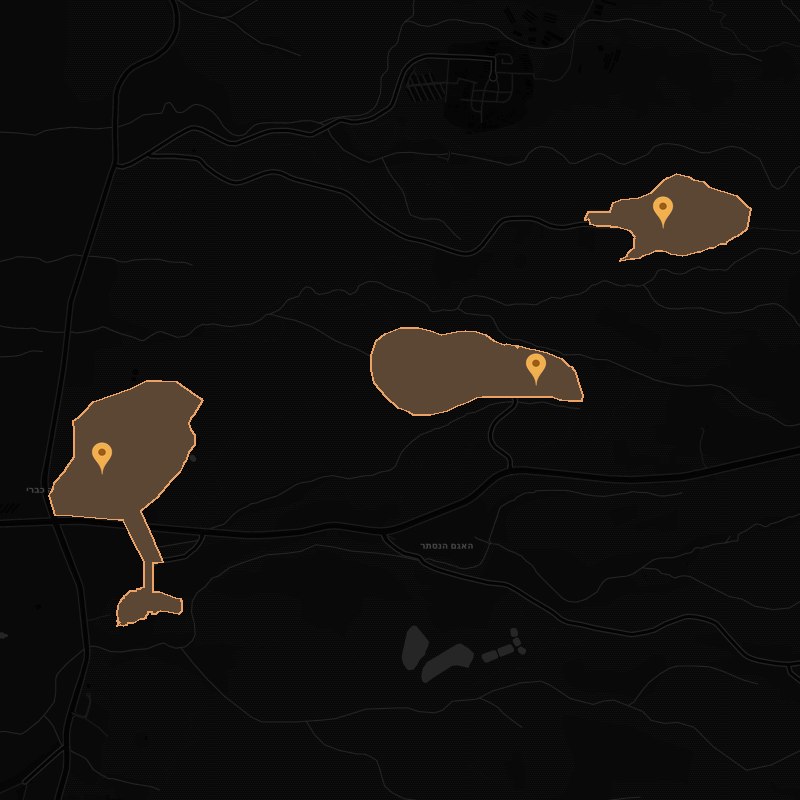
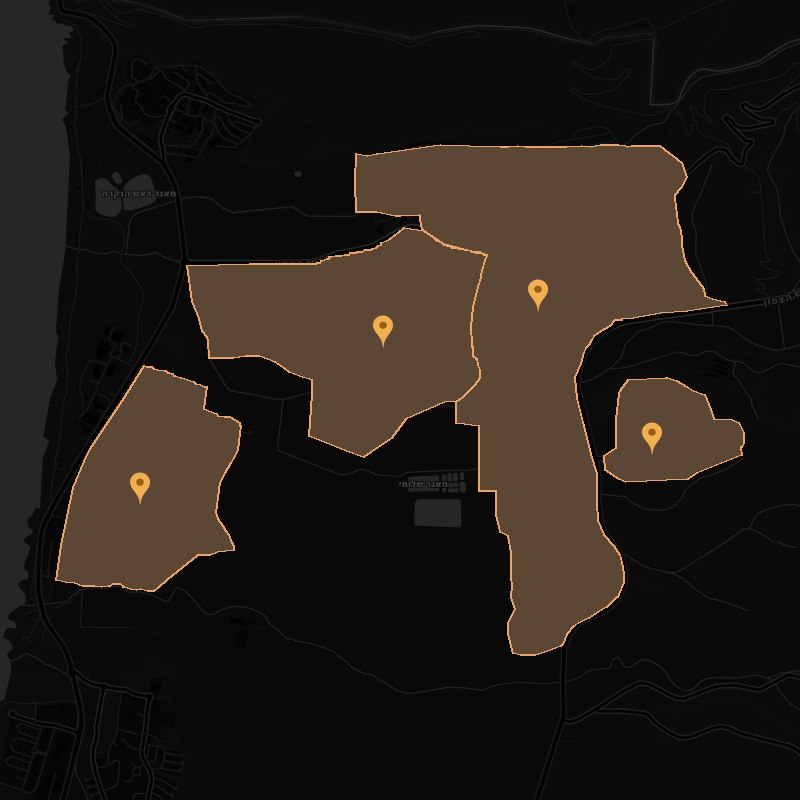
RocketAlert reported dozens of missile and rocket alerts across Israel on 26 March, covering locations from Jerusalem’s Qafr ‘Aqab to the northern settlement of Misgav Am. Notably, a high‑volume alert at 23:46 local time listed over twenty‑four target zones in the West Bank and Samaria. While most projectiles landed in open areas, the sheer volume underscores the heightened state of alert across the Israeli‑occupied territories.
Iranian ballistic missiles were intercepted over Abu Dhabi, but falling debris killed two civilians and injured three (intelslava, https://t.me/intelslava/85493). In Kuwait City, authorities reported defending against simultaneous missile and drone attacks (monitor_the_situation, https://t.me/monitor_the_situation/5818). Saudi Arabia’s air defenses shot down 35 Iranian drones over Riyadh and 25 over its eastern province within hours (monitor_the_situation, https://t.me/monitor_the_situation/5543; https://t.me/monitor_the_situation/5526).
Humanitarian Toll and Civilian Displacement
Beyond combat, civilian suffering escalated. A boat capsized off Djibouti’s coast, killing at least nine people and leaving dozens missing; 266 survivors were rescued by UN forces (AlJazeera, https://www.aljazeera.com/news/2026/3/26/at-least-nine-people-dead-dozens-missing-as-boat-sinks-off-djibouti-coast). In Lebanon, Israel’s large‑scale evacuations displaced over one million people, with 250,000 fleeing in two weeks and 125,000 crossing into Syria (AlJazeera, https://www.aljazeera.com/gallery/2026/3/26/more-than-one-million-displaced-by-israels-evacuations-in-lebanon).
In the West Bank, the Harmele shooting added to a growing list of civilian casualties, while Israeli settlement expansion continues to provoke friction. Meanwhile, Iranian missile strikes on Abu Dhabi’s Soukhain Street killed two and injured three (GeoPWatch, https://t.me/GeoPWatch/29890).
Strategic Implications
The convergence of nuclear‑related warnings, massive kinetic strikes, and a cascade of rocket and drone alerts signals a rapid escalation that could spill over into a broader regional conflagration. The IAEA’s call for a local ceasefire at the Zaporizhzhia Nuclear Power Plant in Ukraine, coupled with Iran’s hard‑liner rhetoric on developing a nuclear bomb, illustrates the global dimension of nuclear risk (JPost, https://t.me/JPost/891375).
U.S. military posture—deploying the 82nd Airborne Division, tier‑1 special forces, and naval warfare specialists—reflects a strategic shift toward direct engagement with Iranian assets (monitor_the_situation, https://t.me/monitor_the_situation/5682). Simultaneously, Israel’s intensified ground operations in southern Lebanon and its shift to targeting Iran’s military‑industrial infrastructure indicate a widening of the conflict’s geographic scope (monitor_the_situation, https://t.me/monitor_the_situation/5785).
Given the multiplicity of actors, the risk of miscalculation remains high. The IAEA’s warning underscores the need for immediate diplomatic channels to prevent a radiological disaster, while regional powers must manage the cascade of kinetic events to avoid a full‑scale war.