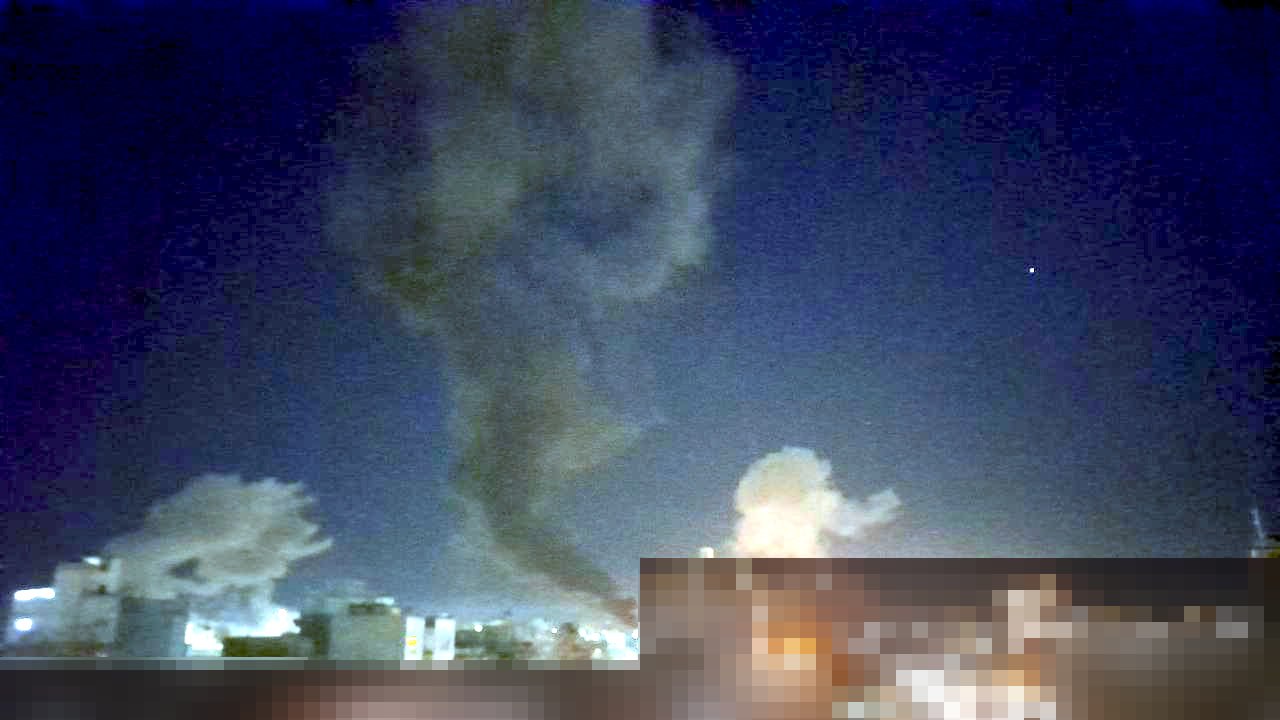
At 19:47 local time on 25 March 2026, a United States Air Force (USAF) bomber struck a mosque in Mashhad, Iran, causing the structure to collapse on a gathering of Basij militia members. Local reports indicate that up to 200 Basij personnel were killed or severely injured, making the incident the deadliest kinetic event of the day and the most severe single‑target strike since the conflict intensified earlier in the year.
"According to locals up to 200 Basij militiamen got either killed or severely injured after a USAF plane bombed the temple, causing it to collapse over them" – BellumActaNews
The attack, reported by BellumActaNews (source https://t.me/BellumActaNews/169300), was carried out with conventional bombs. No defensive Iranian fire was reported, suggesting the strike was executed with air superiority and precise targeting.
Coordinated Air Campaign Across Multiple Fronts
Within hours of the Mashhad strike, Israeli Air Force (IAF) jets conducted a wave of airstrikes on infrastructure in Tehran, as announced by the monitor_the_situation channel (source https://t.me/monitor_the_situation/5335). The IAF targeted undisclosed facilities, continuing a pattern of strikes on Iranian weapons sites that began earlier in Isfahan.
Earlier in the day, a joint US‑Israeli operation hit south Tehran, killing at least 12 civilians and wounding 28 (Al Jazeera, source). The same operation was described as a “US‑Israeli strike” despite the absence of explicit attribution to either force in the original report.
In the northern region, Israeli fighter jets bombed military targets at Mashhad Airport for approximately one hour, according to monitor_the_situation (source https://t.me/monitor_the_situation/5482). The prolonged engagement suggests a focus on airfield runways and support infrastructure, though casualty figures were not released.
US Strategic Bombers and Naval Aviation
At 18:48 UTC, the USAF reportedly launched five airstrikes on Mashhad, three of which struck Mashhad International Airport (BellumActaNews, https://t.me/BellumActaNews/169293). The same day, a B‑1B Lancer bomber, equipped with AN/AAQ‑33 ATP pods and BLU‑109 JDAM munitions, attacked munition storage sites near Bandar Abbas International Airport and the IRIAF 9th Tactical Airbase (CIG_telegram, https://t.me/CIG_telegram/72348; GeoPWatch, https://t.me/GeoPWatch/29853). Video footage released by CENTCOM shows large secondary explosions, indicating the destruction of high‑explosive stockpiles.
US Naval Aviation also targeted the control tower at Bandar Lengeh seaport, destroying the facility (BellumActaNews, https://t.me/BellumActaNews/169278), and conducted two explosions in Bandar Abbas attributed to fighter sorties (BellumActaNews, https://t.me/BellumActaNews/169276).
Air Defense Interceptions and Losses
Iranian air defenses claimed multiple successes against US aircraft. At 18:17 UTC, Iranian forces shot down a US F‑18 fighter jet over Chabahar, with video evidence posted by Fars and Tasnim news agencies (CIG_telegram, https://t.me/CIG_telegram/72346). Later, footage released by rnintel showed an Iranian surface‑to‑air missile striking a US F/A‑18F Super Hornet over southeastern Iran (rnintel, https://t.me/rnintel/57388), while GeoPWatch reported a US Navy F/A‑18E Super Hornet being hit in Iranian airspace (GeoPWatch, https://t.me/GeoPWatch/29851). The fate of the aircraft in each case was not independently verified, but the claims illustrate a heightened risk of escalation.
Naval Operations and Maritime Threats
The United States announced the destruction of over 140 Iranian naval vessels, including approximately 50 mine‑laying ships, in the Persian Gulf over a three‑week period (monitor_the_situation, https://t.me/monitor_the_situation/5446). This claim, presented as the largest naval attrition since World War II, underscores the intensity of maritime engagements.
Iran responded by deploying Maham‑3 and Maham‑7 naval mines in the Strait of Hormuz, raising the risk to commercial shipping (monitor_the_situation, https://t.me/monitor_the_situation/5266). Simultaneously, Israeli forces struck a naval outpost on the Caspian Sea to disrupt a Russian‑Iranian supply line (CIG_telegram, https://t.me/CIG_telegram/72272).
Targeted Assassinations and High‑Profile Casualties
Iranian media reported the death of senior IRGC naval commander Mosayeb Bakhtiari in targeted strikes on Bandar Abbas (BellumActaNews, https://t.me/BellumActaNews/169254). Another report from idkunim_il claimed that General Masib Bah'tiari, commander of Iran’s First Navy, was killed in combined US‑Israeli strikes on the same port (source https://t.me/idkunim_il/57409). In Kerman, USAF bombings eliminated IRGC General Amir Amirmohammadi, head of the Tharallah Corps (BellumActaNews, https://t.me/BellumActaNews/169235).
Civilian Impact and Chemical Concerns
Multiple explosions in Tehran injured civilians and damaged civilian infrastructure. A missile strike in Alborz Province wounded at least 18 people (monitor_the_situation, https://t.me/monitor_the_situation/5306), while an unexplained blast in east Tehran damaged a school and nearby homes (monitor_the_situation, https://t.me/monitor_the_situation/5205). Al‑Jazeera reported “black rain” and toxic fallout following oil‑related strikes on Tehran, raising concerns about chemical weapon effects (Al Jazeera, source).
Ground Deployments and Strategic Posturing
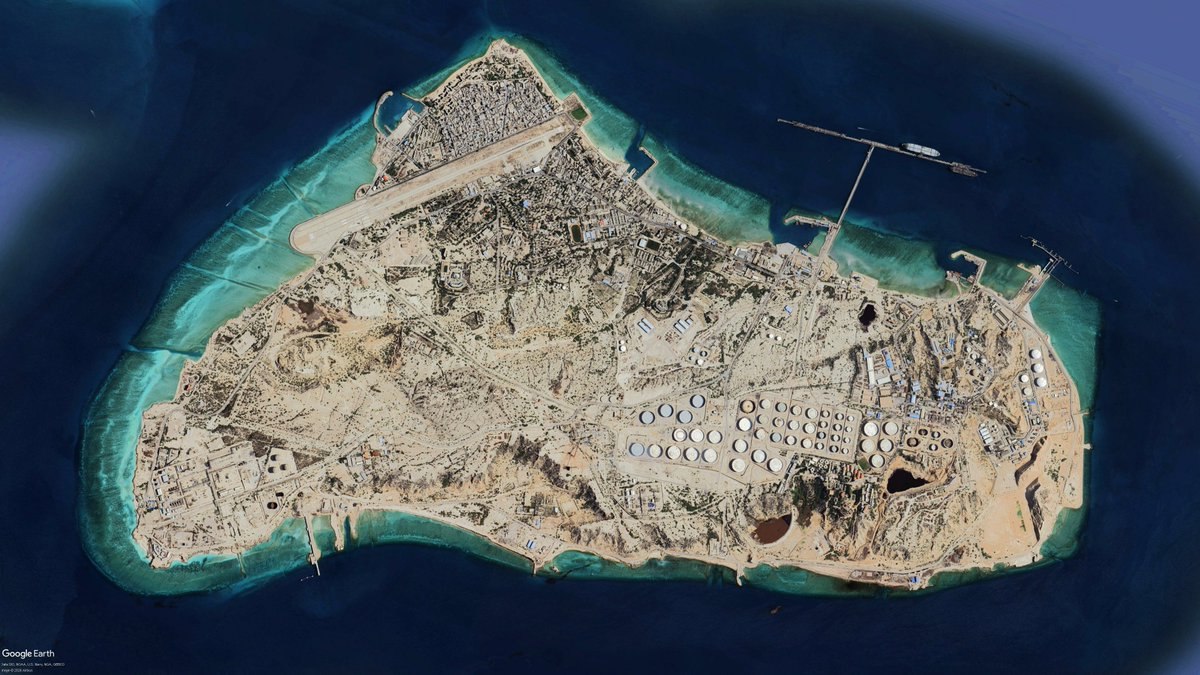
The United States began deploying ground troops to Kharg Island, a strategic oil hub in the Persian Gulf, via helicopter landings (monitor_the_situation, https://t.me/monitor_the_situation/5430). Concurrently, Iranian forces fortified the island with MANPADS and underground trenches, and received Chinese‑made FPV kamikaze drones for island defense (monitor_the_situation, https://t.me/monitor_the_situation/5342). The Trump administration was reported to be weighing a full‑scale seizure of Kharg Island using the 31st Marine Expeditionary Unit (BellumActaNews, https://t.me/BellumActaNews/169241).
Summary of the Day’s Kinetic Activity
The cascade of kinetic events on 25 March 2026 reflects a multi‑theater escalation involving air, sea, and ground dimensions. The US‑led airstrike on the Mashhad mosque stands out for its high casualty count and symbolic targeting of a religious site. Israeli operations focused on missile‑production facilities and supply routes, while US forces employed strategic bombers, naval aviation, and ground deployments to pressure Iranian maritime assets. Iranian air defenses demonstrated increased capability by downing multiple US aircraft, though verification remains limited.
Collectively, these actions have amplified the risk of broader regional conflict, strained civilian safety, and introduced potential chemical hazards from oil‑related fallout. Continued monitoring of air‑defense interceptions, naval mine deployments, and ground troop movements will be essential for assessing escalation trajectories.