On 25 March 2026 the Israeli Air Force reportedly released more than 15,000 bombs across Iran, marking the most extensive aerial operation of the current US‑Israel‑Iran confrontation. The strike, announced by the Telegram channel monitor_the_situation, targeted a range of sites described as strategic military and industrial facilities.
"Israeli Air Force Drops Over 15,000 Bombs on Iran"The operation follows a series of coordinated kinetic events across the Middle East, including US airstrikes in Iraq, Hezbollah’s anti‑tank assaults in Lebanon, and Iranian missile launches toward Israel.
Cross‑border violence on the Israel‑Lebanon frontier
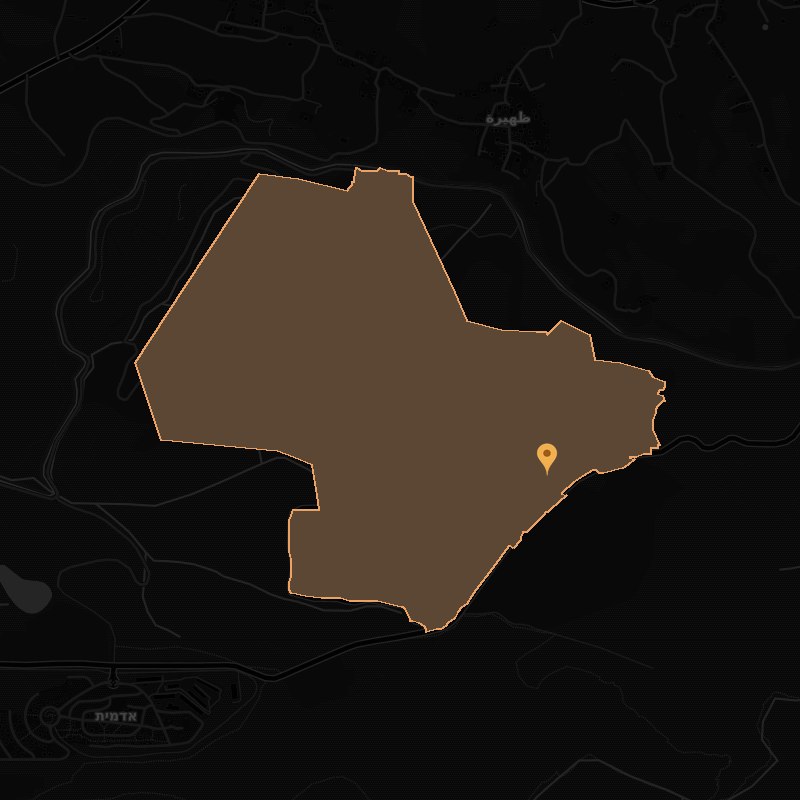
At 22:01 UTC, Israeli artillery fire in southern Lebanon killed three civilians and wounded eleven, according to a video posted by monitor_the_situation. The same day, Hezbollah launched a rocket barrage from southern Lebanon toward Israeli territory, prompting the activation of Israeli air defenses (monitor_the_situation). Later, Hezbollah claimed the destruction of twenty‑one Merkava tanks, three Caterpillar D9 bulldozers and two Humvees in Israel over the preceding 24 hours (GeoPWatch). In a separate engagement, Hezbollah used an anti‑tank guided missile to hit an Israeli Merkava tank in Debl, Lebanon (GeoPWatch), and reported multiple ATGM strikes on Merkava tanks and a D9 bulldozer in the Taybeh sector (GeoPWatch). These actions underscore a rapid escalation of conventional and anti‑armor warfare along the border.
U.S. air operations in Iraq and the Persian Gulf
The United States intensified its kinetic campaign against Iranian‑linked targets. At 17:10 UTC, a U.S. air strike on a military site in Anbar Governorate, Iraq, killed seven Iraqi soldiers and wounded thirteen, as reported by Al Jazeera (AlJazeera). The same location, Habbaniyah Base, was hit by a USAF airstrike that killed seven Iraqi Army personnel and injured more than ten members of the Popular Mobilization Forces (PMF) (GeoPWatch; BellumActaNews). A separate U.S. A‑10 sortie struck a PMF clinic and engineering unit at the base, prompting Iraqi authorities to label the attack a “blatant and serious violation” of international law (rnintel).
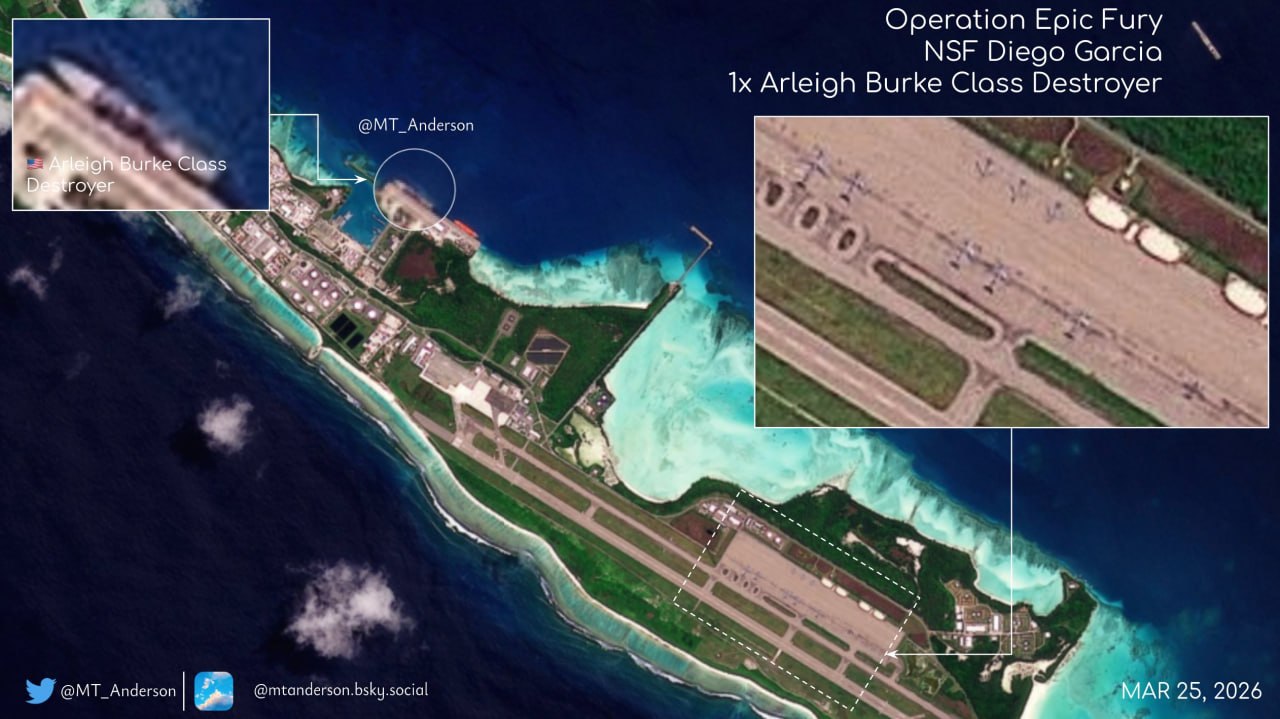
In the Persian Gulf, U.S. A‑10 Thunderbolt II aircraft destroyed Iranian kamikaze surface drones, marking the first confirmed use of the platform against such threats (monitor_the_situation). Concurrently, a U.S. B‑2A stealth bomber prepared for a strike on Iran as part of Operation Epic Fury (BellumActaNews), while a B‑52 strategic bomber launched from RAF Fairford to deliver bombs against Iranian targets (monitor_the_situation). The U.S. Navy’s carrier USS Abraham Lincoln operated in the Northern Arabian Sea to support these strikes (monitor_the_situation).
Iranian missile and drone activity
Iran responded with a series of missile launches. At 20:33 UTC, Iranian missiles struck Israel, producing visible explosions and smoke (AlJazeera). The Islamic Revolutionary Guard Corps (IRGC) launched a ballistic missile toward Israel earlier in the day (GeoPWatch) and later claimed a successful launch of a ballistic missile at the United Arab Emirates (GeoPWatch). Iranian drones also targeted civilian infrastructure: a Shahed drone struck fuel tanks at Kuwait International Airport, igniting a fire (monitor_the_situation), and a similar attack hit fuel tanks at Bahrain International Airport (rnintel). In addition, Iran’s naval assets were engaged by U.S. A‑10s in the Persian Gulf, confirming a broader pattern of aerial‑to‑maritime kinetic exchanges.
Hezbollah’s expanded anti‑armor campaign
Hezbollah’s operations in southern Lebanon intensified beyond rocket fire. The group reported destroying four Merkava tanks with guided missiles in Taybeh and an additional tank in Debl using ATGMs (GeoPWatch; GeoPWatch). In Tyre, Hezbollah launched 120 rockets, allegedly using civilian neighborhoods as shields, according to the Israeli Defense Forces (JPost). The militia also deployed swarms of kamikaze drones against Israeli infantry and vehicle columns in Debl and Qouzah, claiming direct hits and casualties (GeoPWatch; GeoPWatch).
Regional air‑defence and interception actions
Saudi Arabia intercepted four drones targeting its Eastern Province, reporting no casualties (monitor_the_situation). Iran claimed to have shot down a U.S. F‑18 fighter jet over its territory (AlJazeera). Meanwhile, the United Arab Emirates’ defence ministry reported responding to Iranian drones and missiles over Abu Dhabi (monitor_the_situation). These interceptions illustrate the heightened air‑defence posture across the Gulf region.
Humanitarian impact and diplomatic warnings
Amid the kinetic surge, civilian casualties continued to mount. In Gaza, nearly 700 Palestinians have been killed since the cease‑fire began, according to local monitoring (monitor_the_situation). An Israeli airstrike on a tent displacement camp in Deir el‑Balah killed at least four Palestinians (AlJazeera). In Iran, a strike on a school prompted the UN Human Rights Council to schedule a debate on civilian casualties (monitor_the_situation). Canada’s minister warned that the cumulative effect of regional conflicts could constitute the worst global energy supply disruption in history (monitor_the_situation).