On 25 March 2026 the Israeli Air Force reportedly released more than 15,000 bombs across Iran, representing the most extensive single‑day kinetic operation recorded in the current conflict cycle. The campaign was announced by the Telegram channel monitor_the_situation and accompanied by video footage of multiple strike zones, confirming a coordinated aerial offensive that targeted both military and dual‑use infrastructure.
Scale and Targets of the Israeli Bombardment
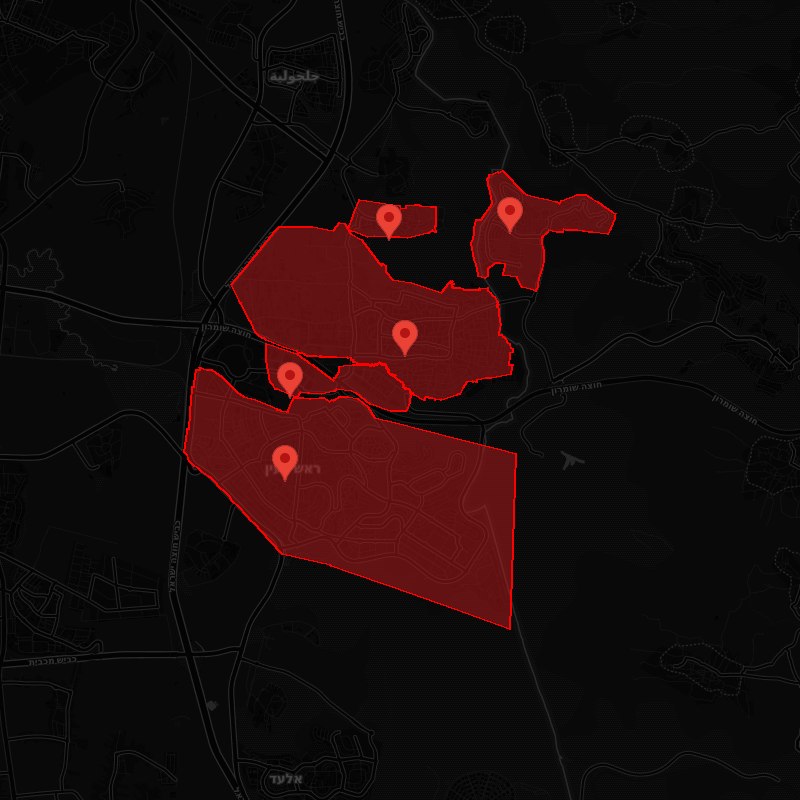
The strike, described as a “major escalation” by the source, involved a mixture of conventional ordnance and precision‑guided munitions. While exact casualty figures have not yet been released, the volume of bombs suggests a high probability of significant material damage and civilian impact.
"Israeli Air Force Drops Over 15,000 Bombs on Iran" – monitor_the_situation, 25 Mar 2022 11:11 UTC
Parallel US Air Operations in Iraq
Simultaneously, the United States conducted a series of airstrikes in Iraq’s Anbar Governorate. At 17:10 UTC a US air strike on a military site in Anbar killed seven Iraqi soldiers and wounded 13, as reported by AlJazeera (source). Later that day, at 15:10 UTC, a US A‑10 sortie struck Habbaniyah Base, killing seven Iraqi Army personnel and wounding thirteen more; the strike hit a military clinic and an engineering unit, prompting an Iraqi condemnation of a “blatant violation of international law” (rnintel, source).
Israeli‑Hezbollah Front in Southern Lebanon
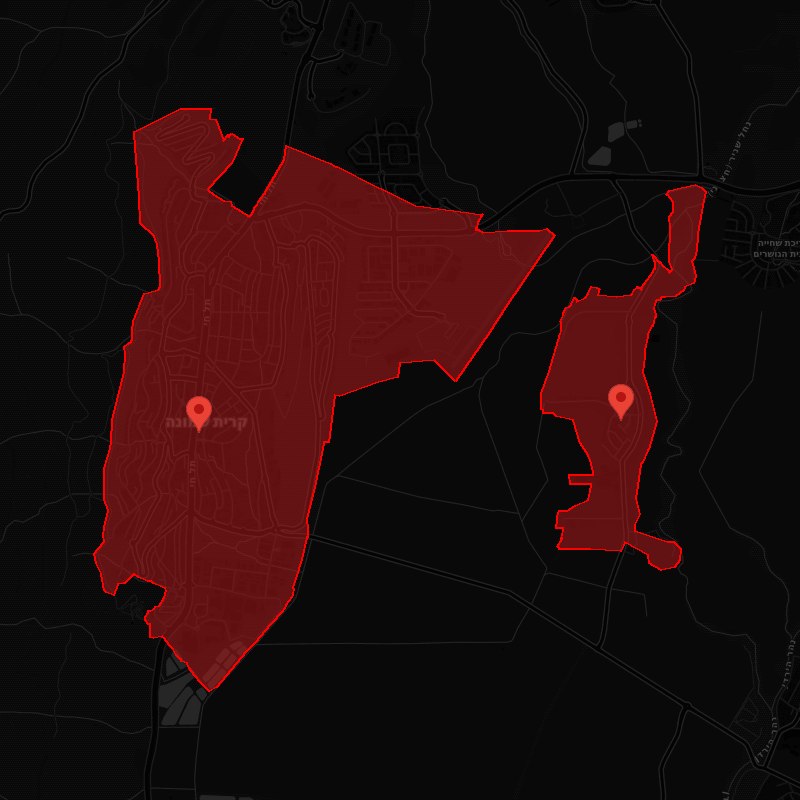
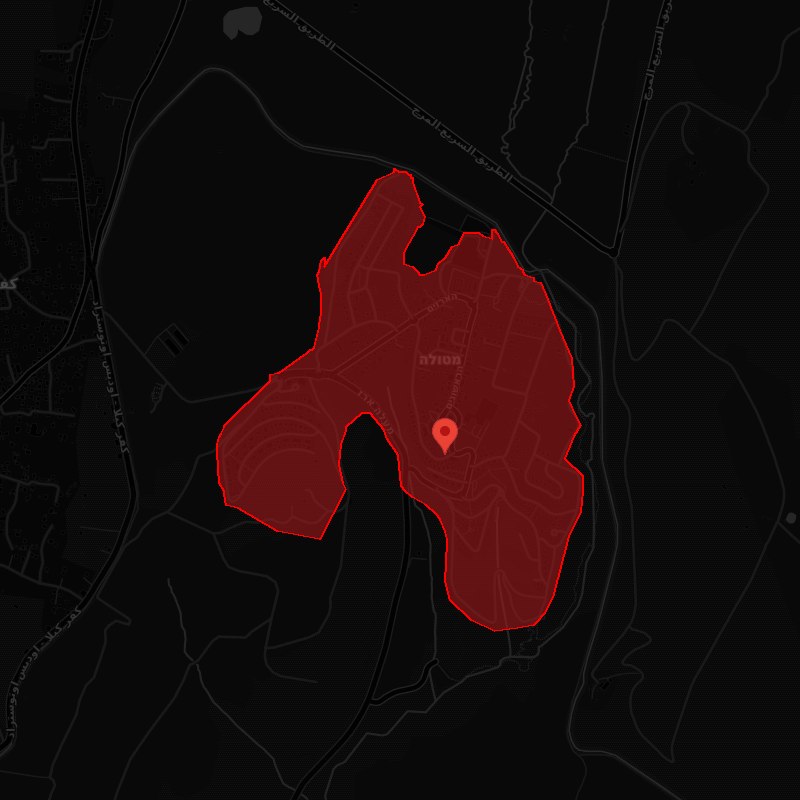
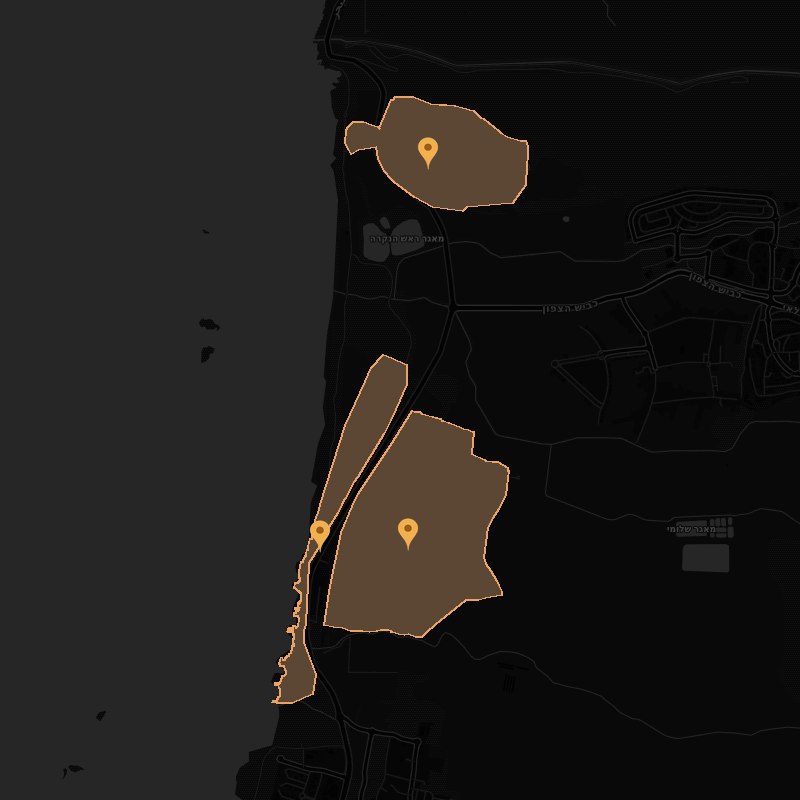
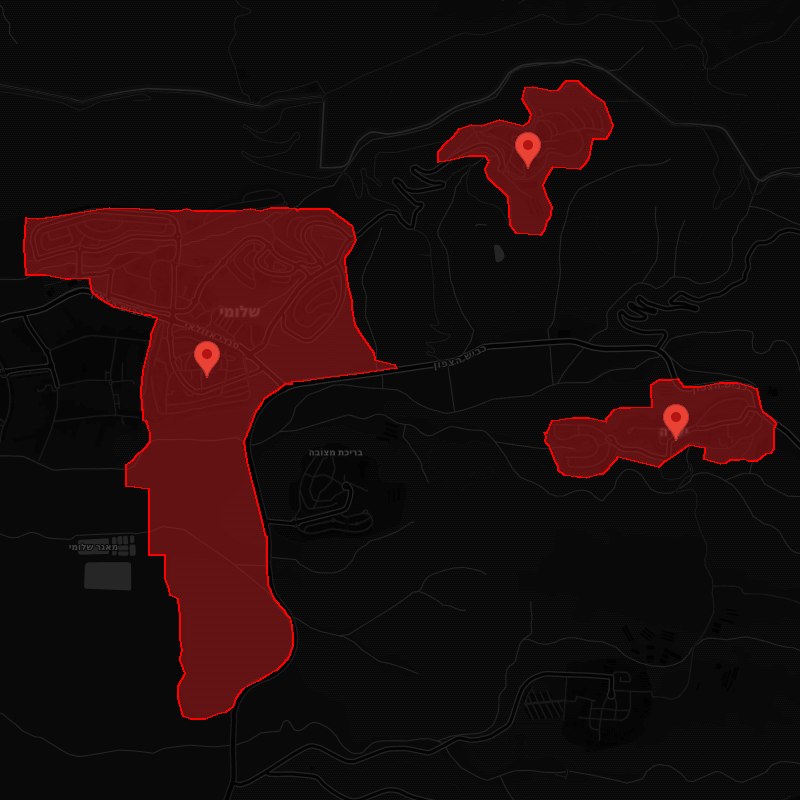
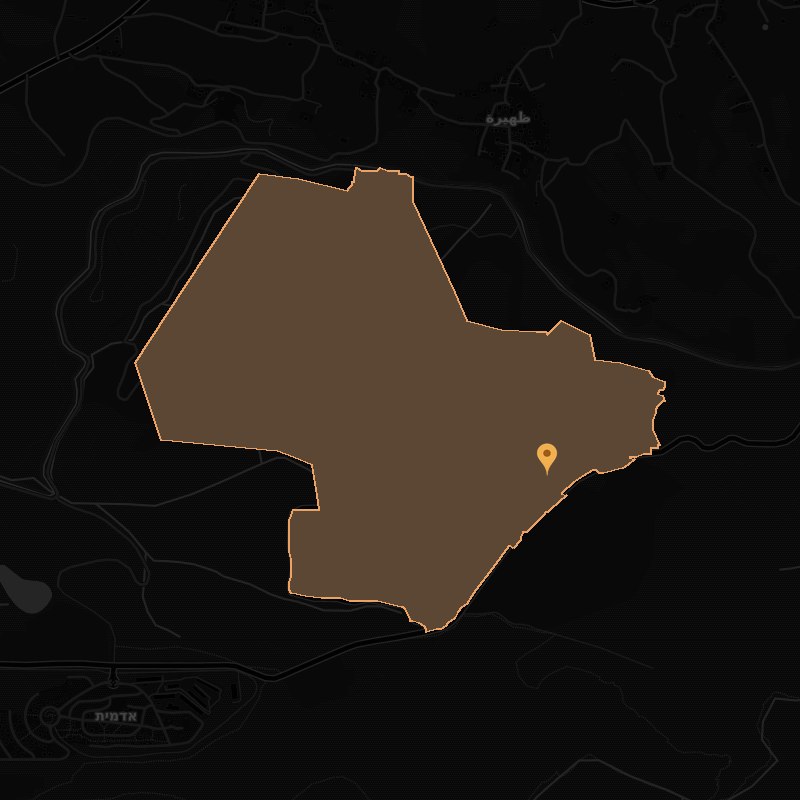
In the north‑south axis, Israeli forces continued cross‑border operations. At 22:01 UTC Israeli attacks in southern Lebanon killed three civilians and wounded eleven (monitor_the_situation, source). The following day, Hezbollah claimed the destruction of 21 Merkava tanks, three Caterpillar D9 bulldozers and two Humvees over a 24‑hour period (GeoPWatch, source). Additional engagements included a surface‑to‑air missile launch that forced an Israeli jet to abort its mission (05:50 UTC, monitor_the_situation) and multiple anti‑tank guided missile (ATGM) hits on Israeli armor in the Debl and Taybeh sectors (GeoPWatch, source).
Iranian Missile and Drone Activity
Iranian forces responded with missile launches toward Israel and the United Arab Emirates. At 20:33 UTC Iranian missiles struck Israel, producing visible explosions and smoke (AlJazeera, source). The Islamic Revolutionary Guard Corps (IRGC) also launched a ballistic missile toward Israel at 14:08 UTC (GeoPWatch, source) and a swarm of kamikaze drones targeted an IDF infantry force near Debl at 15:30 UTC (GeoPWatch, source). Iranian drones struck fuel tanks at Kuwait International Airport, igniting fires but causing no casualties (monitor_the_situation, source).
US Naval and Strategic Movements
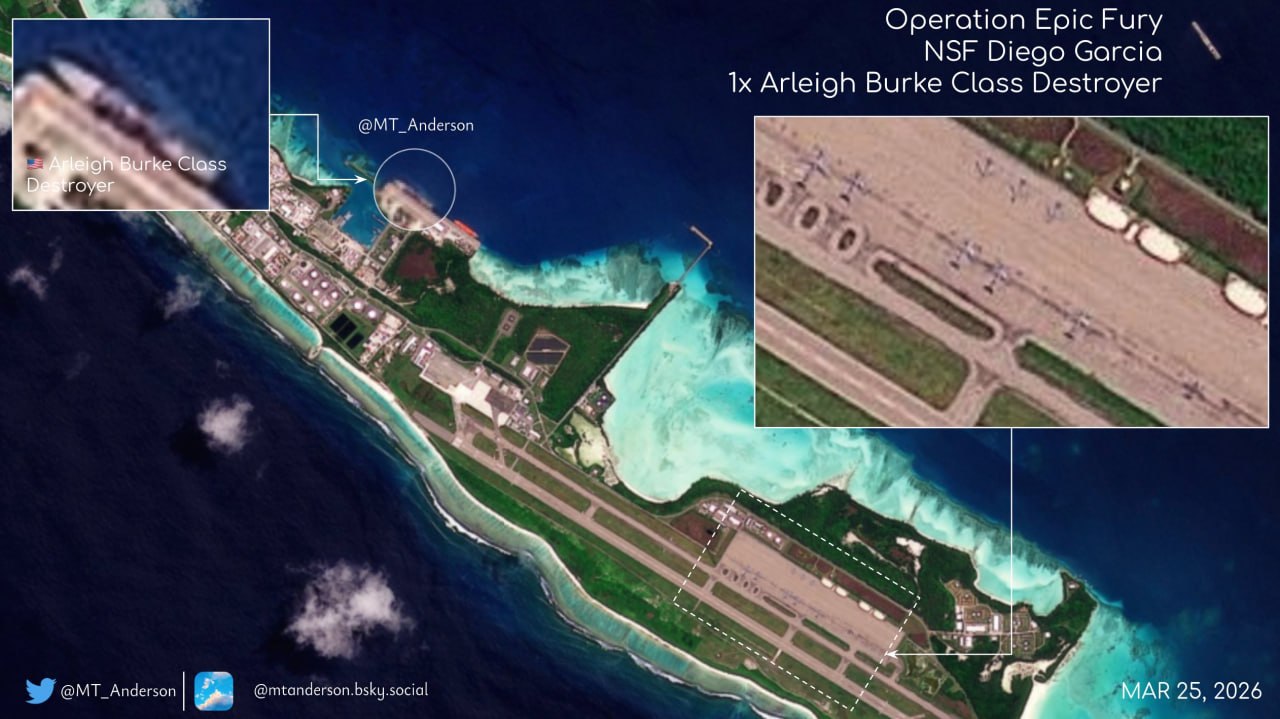
US naval assets were repositioned to support the expanding air campaign. The carrier USS Abraham Lincoln operated in the Northern Arabian Sea for underway replenishment (monitor_the_situation, source), while the USS George H.W. Bush strike group departed Norfolk for the Middle East (monitor_the_situation, source). Additionally, US Central Command released footage of a B‑2A “Spirit” bomber preparing for a strike on Iran as part of Operation Epic Fury (BellumActaNews, source).
Humanitarian Toll and International Reactions
Casualty reports from Gaza indicate that nearly 700 Palestinians have been killed since the ceasefire began (monitor_the_situation, source). In Lebanon, the Israeli airstrike on a residential apartment in Bchamoun killed Hezbollah commander Hani Kamil Aqil (BellumActaNews, source). The UN Human Rights Council scheduled a debate on a deadly strike that hit an Iranian school, underscoring concerns over civilian casualties (monitor_the_situation, source).
Analysis of the Kinetic Landscape
The coordinated Israeli bombardment of Iran marks a decisive shift from proxy‑focused engagements to direct kinetic action against state targets. Coupled with US air operations in Iraq and the Persian Gulf, the region is witnessing a multi‑theater escalation that blurs traditional front lines. Hezbollah’s sustained anti‑armor campaign demonstrates its capacity to inflict material losses on Israeli ground forces, while Iranian missile and drone launches indicate a willingness to project power beyond its borders.
Overall, the events of 25 March illustrate a rapid intensification of kinetic warfare across the Middle East, with state and non‑state actors employing a broad spectrum of weapons—from conventional bombs and ATGMs to ballistic missiles and swarms of kamikaze drones. The convergence of these actions raises the risk of further civilian harm and complicates diplomatic pathways toward de‑escalation.