On 25 March 2026 Israeli air defenses intercepted a coordinated wave of Iranian missiles over Tel Aviv at 23:42, marking the most significant kinetic event of the day. The interception prevented any immediate casualties or structural damage in the metropolitan area, but it underscored the heightened threat level following a series of missile and rocket attacks across the country.
Tel Aviv Interception
At 23:42:46, Israeli air defense systems engaged and destroyed incoming Iranian missiles above Tel Aviv. The operation was reported by the Telegram channel monitor_the_situation and accompanied by video evidence of the interceptors in action. No casualties were reported, and the city’s critical infrastructure remained intact.
Source: https://t.me/monitor_the_situation/5516
Iranian Missile Strikes on Strategic Sites
Earlier in the day, Iran launched several missiles targeting key facilities in southern and central Israel. Notable impacts included:
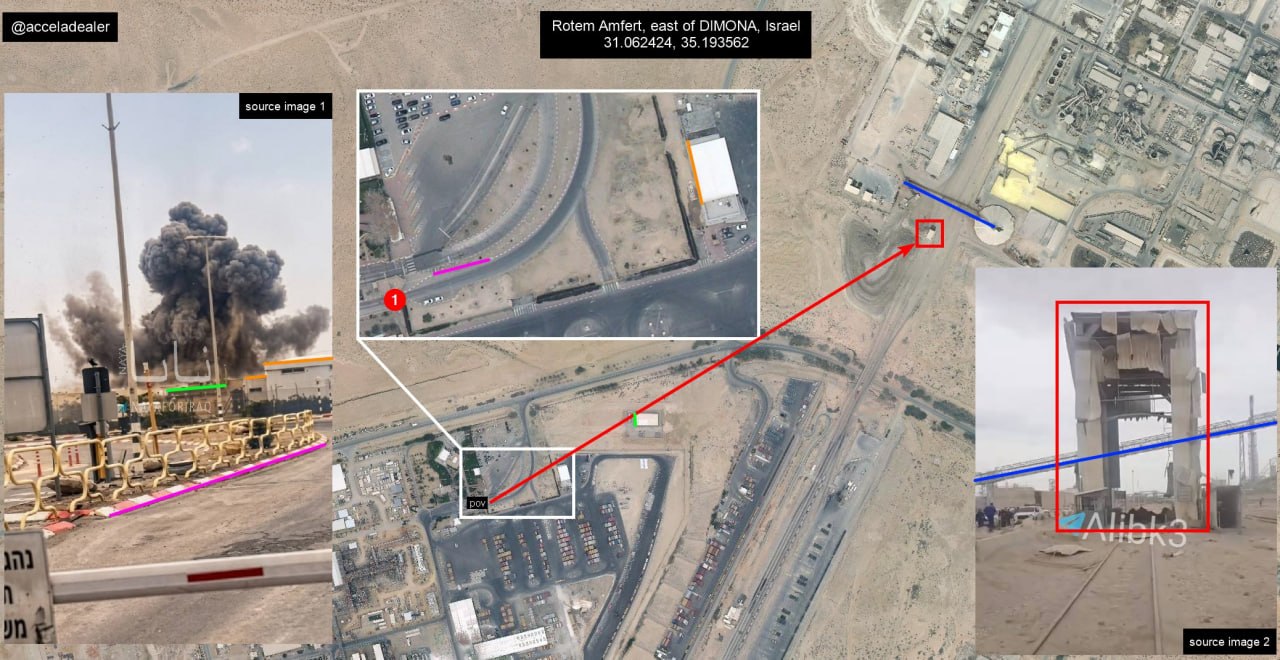
- Rotem Amfert fertilizer plant entrance, near Dimona – struck at 15:54:28; no casualties reported.
Source: https://t.me/CIG_telegram/72326
- Rotem Industrial Zone, Dimona – missile impact at 15:02:58; the zone hosts phosphate extraction and ammonia production facilities.
Source: https://t.me/CIG_telegram/72324
- Hadera power plant (Orot Rabin) – multiple missile impacts confirmed at 13:10:17, 08:58:18, and 08:57:16; the plant sustained damage but remained operational.
Source: https://t.me/monitor_the_situation/5357
- Tel Aviv Airbase – MIRV cluster missiles struck at 05:34:02, causing direct hits on the runway and support structures.
Source: https://t.me/CIG_telegram/72283
These attacks demonstrate Iran’s capability to strike both civilian and military targets across a wide geographic area, employing a mix of ballistic missiles, MIRV cluster munitions, and conventional missiles.
Hezbollah Rocket and Drone Activity
Hezbollah intensified its cross‑border fire from Lebanon throughout the day. Key incidents included:
- Long‑range rocket barrage toward central Israel at 23:17:36, reported by rnintel.
Source: https://t.me/rnintel/57417
- Cluster missile strike on Kiryat Shmona at 16:15:57, causing local damage and prompting police response.
Source: https://t.me/monitor_the_situation/5411
- Infiltration of Hezbollah Al‑Radwan fighters into the forward defense line at Misgav Am at 13:50:56, marking a rare ground penetration.
Source: https://t.me/monitor_the_situation/5363
- Drone attacks on Kiryat Shmona and the Israeli‑occupied Golan Heights at 08:01:06, expanding the threat beyond rockets.
Source: https://t.me/monitor_the_situation/5290
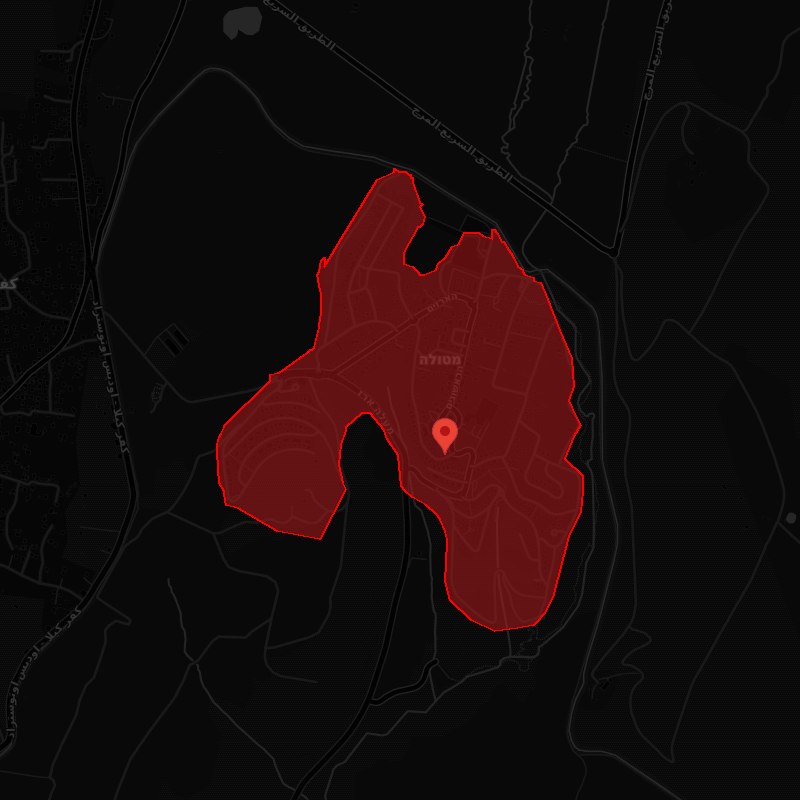
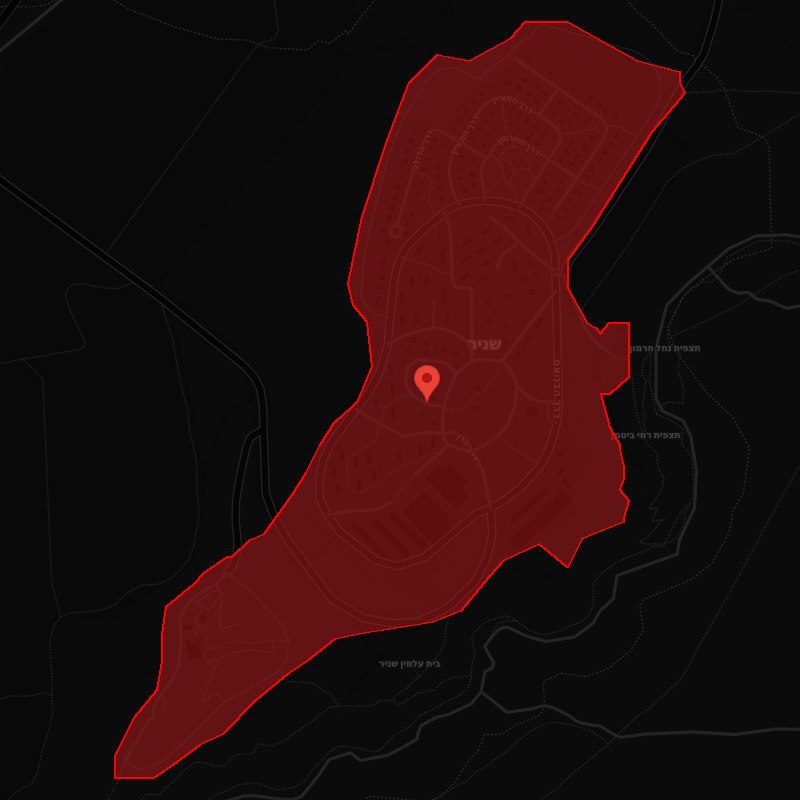
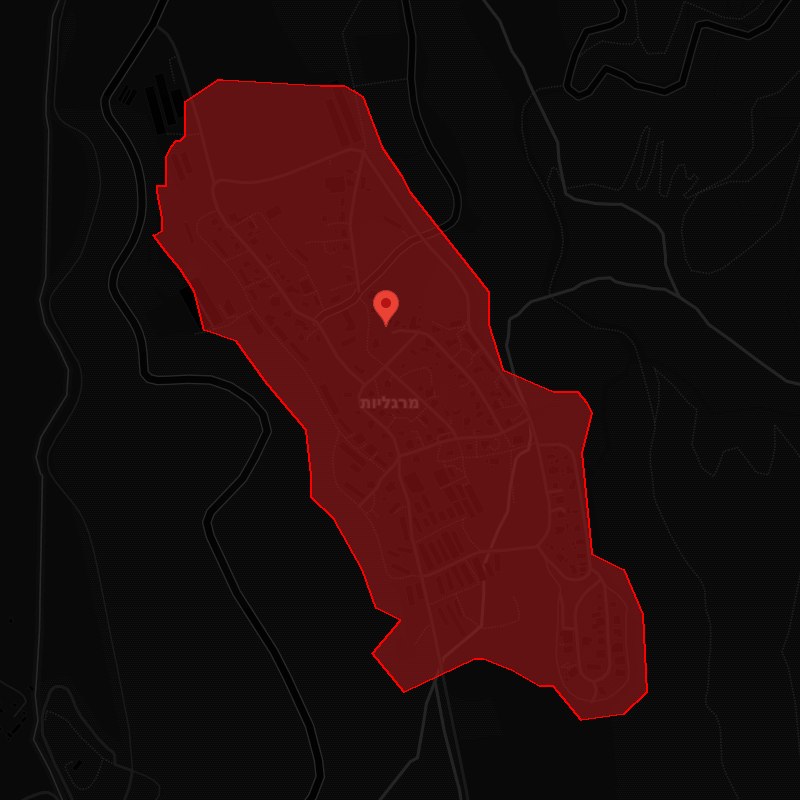
Hezbollah also launched rockets at Safed, Metulla, and multiple northern settlements, activating Israel’s Iron Dome system without reported casualties.
Nationwide Rocket Alerts and Civilian Impact
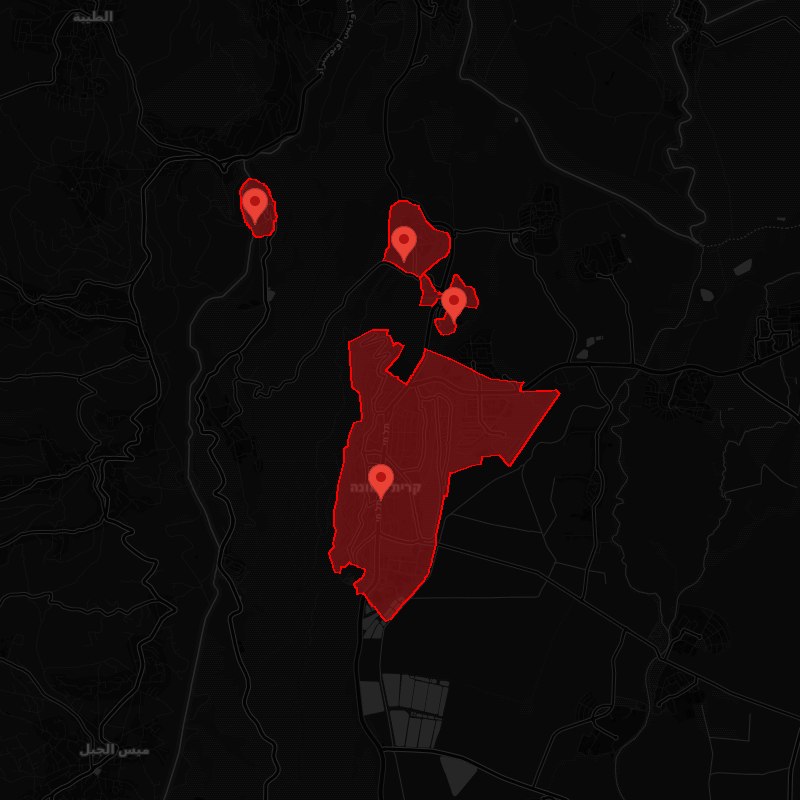
RocketAlert.live recorded dozens of alerts across the country, from the Upper Galilee to the Sharon region. While many alerts did not result in confirmed impacts, the sheer volume of warnings contributed to public anxiety and disrupted daily life.
At 07:55:14, Israel’s Health Ministry reported more than 200 injuries sustained in the previous 24 hours, attributing the toll to combined Hezbollah rocket fire and Iranian missile strikes. Injuries ranged from shrapnel wounds to blast‑related trauma, with hospitals in Tel Aviv, Haifa, and the northern district operating at elevated capacity.
Source: https://t.me/monitor_the_situation/5279
Weapon Systems and Tactical Trends
The day’s kinetic events featured a diverse arsenal:
- Ballistic missiles – employed by Iran against Tel Aviv, Jerusalem, and central Israel.
- Cluster and MIRV munitions – used in the Tel Aviv Airbase strike and the Dimona area, indicating a focus on area‑denial and infrastructure disruption.
- Rockets – predominantly launched by Hezbollah from Lebanon, targeting northern towns and strategic points.
- Drones – deployed by Hezbollah for reconnaissance and limited strike capability.
Israel’s multi‑layered air defense, including the Iron Dome, David’s Sling, and Arrow systems, successfully intercepted several high‑altitude threats, but the volume of attacks strained response capacity and highlighted gaps in early‑warning coverage for low‑trajectory rockets.
Strategic Implications
The coordinated missile barrage from Iran, combined with Hezbollah’s intensified rocket fire, reflects a broader escalation in the regional conflict. Iran’s targeting of energy and industrial sites aims to undermine Israel’s economic resilience, while Hezbollah’s ground infiltration attempts signal a willingness to test Israeli border defenses.
Continued vigilance, reinforcement of border surveillance, and diplomatic engagement remain essential to prevent further escalation.