At 23:42:46 local time on 25 March 2026, Israeli air defenses successfully intercepted a wave of Iranian missiles flying over Tel Aviv. The engagement, reported by the monitor_the_situation channel, resulted in no casualties or reported damage, but it underscored the heightened risk of direct Iranian strikes on major Israeli population centers.
"Israeli Air Defenses Engage Iranian Missiles over Tel Aviv" – monitor_the_situation, 2026-03-25T23:42:46
Air Defense Interception Over Tel Aviv
The intercepted missiles were identified as ballistic projectiles launched from Iranian territory. Israeli missile‑defense systems, likely the Arrow and Patriot batteries, engaged the targets within seconds of detection. Video evidence posted on the channel shows the launch of interceptor missiles and the subsequent explosion of the incoming threats. No injuries were reported, and the incident did not trigger secondary alerts beyond the immediate air‑defense response.
Hezbollah Rocket Barrage and Ground Incursion
Simultaneously, Hezbollah escalated its cross‑border campaign. At 23:17:36, the group fired a long‑range rocket barrage toward central Israel, as documented by rnintel. Earlier, at 23:33:23, nine rockets were launched from Lebanon, with one reportedly striking Tel Aviv, according to GeoPWatch. The most consequential ground development occurred at 13:50:56 when a Hezbollah Al‑Radwan unit breached Israel's forward defense line in Misgav Am, northern Israel, confirming a rare infiltration beyond the border fence. The breach was confirmed by monitor_the_situation and highlighted the persistent threat of small‑unit incursions despite the Iron Dome and border patrols.
"Hezbollah Fighters Breach Defenses in Misgav Am Northern Israel" – monitor_the_situation, 2026-03-25T13:50:56
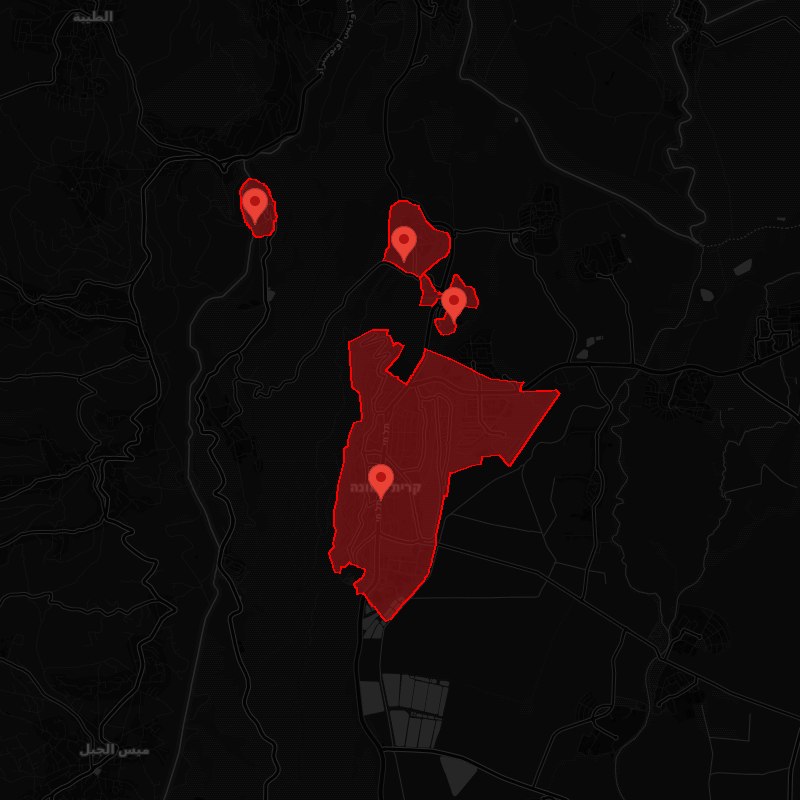
Hezbollah also launched rockets that struck Kiryat Shmona, with video footage captured at 02:32:53 showing a rocket impact on a civilian building. The same city experienced multiple alerts throughout the day, reflecting a sustained pressure on northern Israeli communities.
Iranian Missile Strikes on Strategic Sites
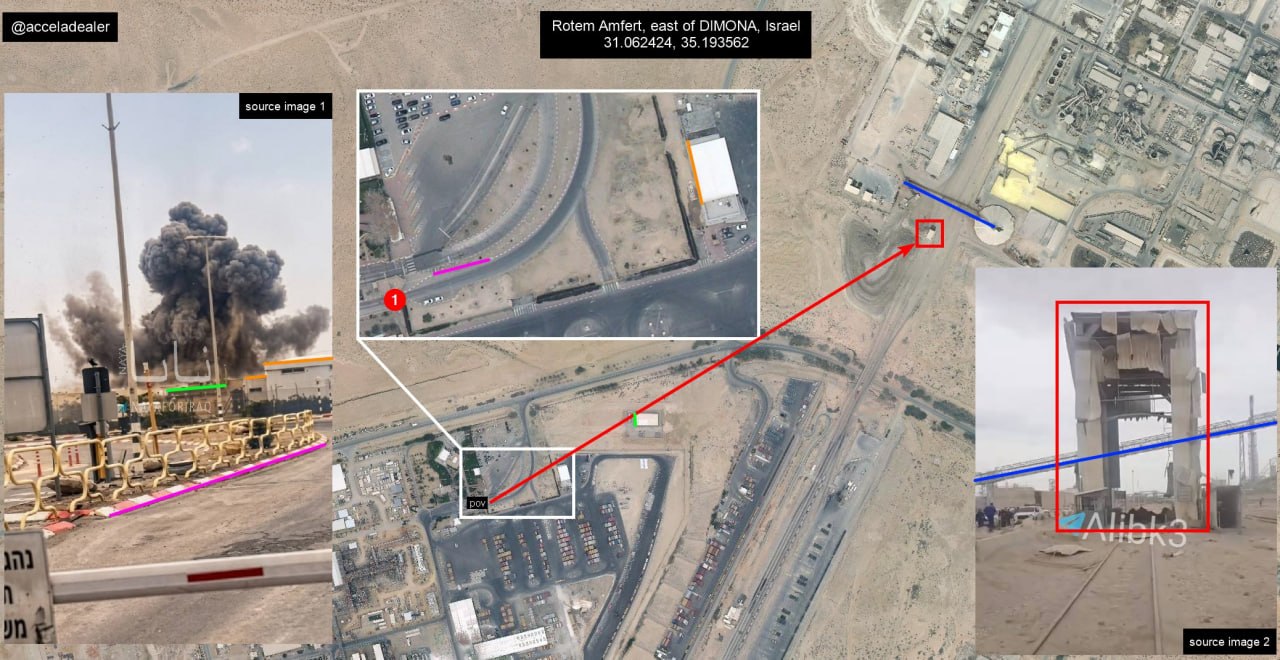
Iranian missile activity extended beyond Tel Aviv. At 15:54:28, a missile struck the entrance of the Rotem Amfert fertilizer plant near Dimona, approximately 8 km north of the Negev Nuclear Research Center. A second missile impact was reported near the Rotem Industrial Zone at 15:02:58, targeting facilities involved in phosphate extraction and uranium processing. Earlier, at 13:10:17, an Iranian missile hit the Hadera power plant, a critical energy hub on Israel’s western coast. Additional missile impacts were recorded at the Orot Rabin power plant (08:57:16) and at the Tel Aviv Airbase (05:34:02), where MIRV cluster missiles caused multiple direct hits.
"Iranian missile fell on the entrance of the Rotem Amfert fertilizer plant southwest of Dimona" – CIG_telegram, 2026-03-25T15:54:28
These strikes targeted infrastructure with potential strategic value, including power generation, industrial processing, and military airfields, indicating a deliberate effort to disrupt Israel’s operational capacity.
Widespread Rocket Alerts Across Israel
RocketAlert.live recorded a continuous series of alerts from 00:53:37 through 23:44:41, covering locations from the Sharon region and central districts to the Upper Galilee and the Negev. Notable alerts included:
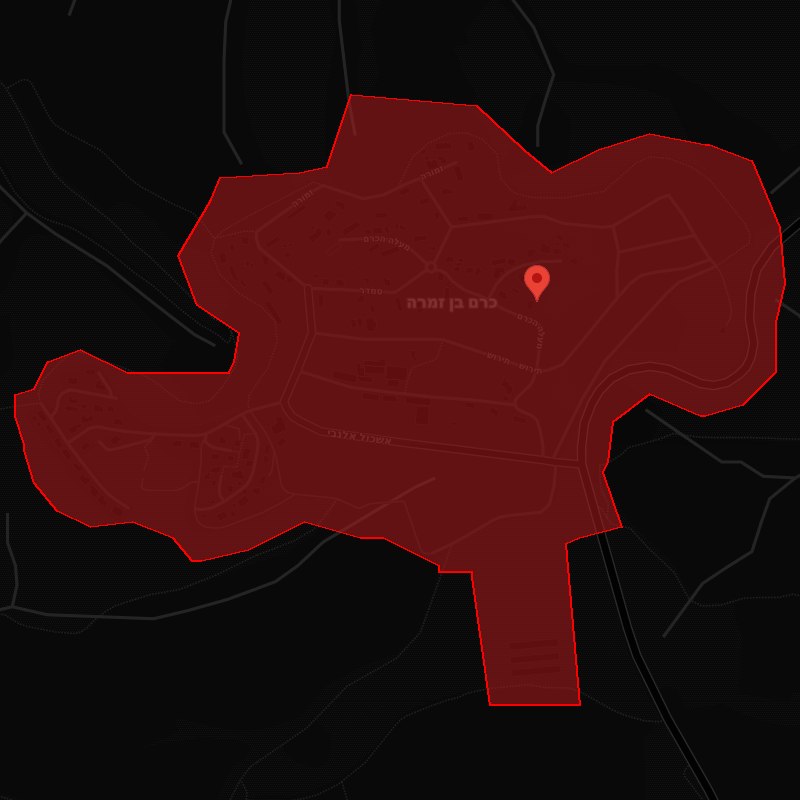
- Kerem Ben Zimra (22:45:55)
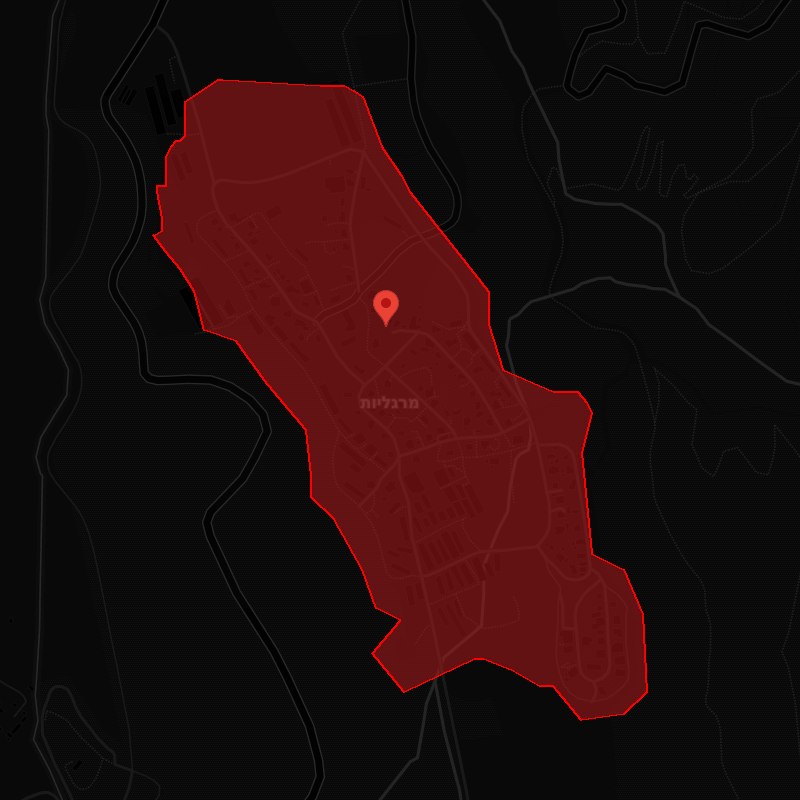
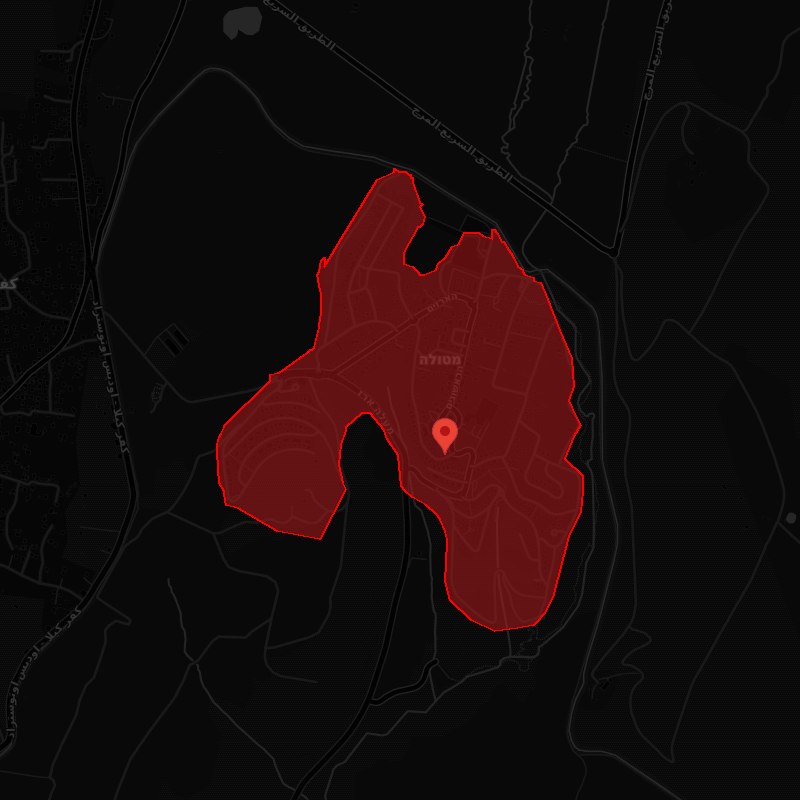
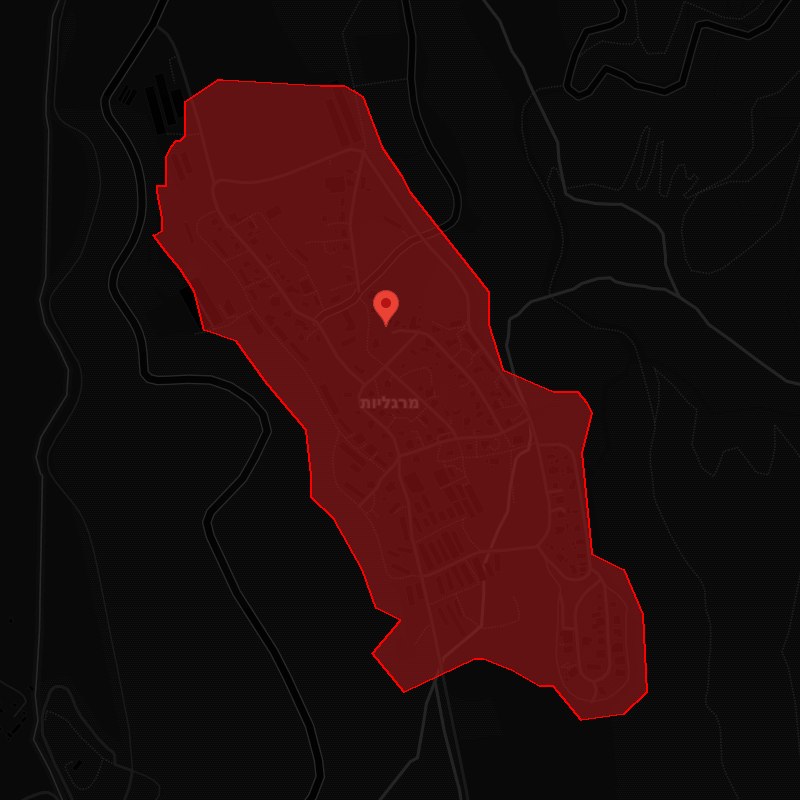
- Margaliot (22:09:03 and 18:31:18)
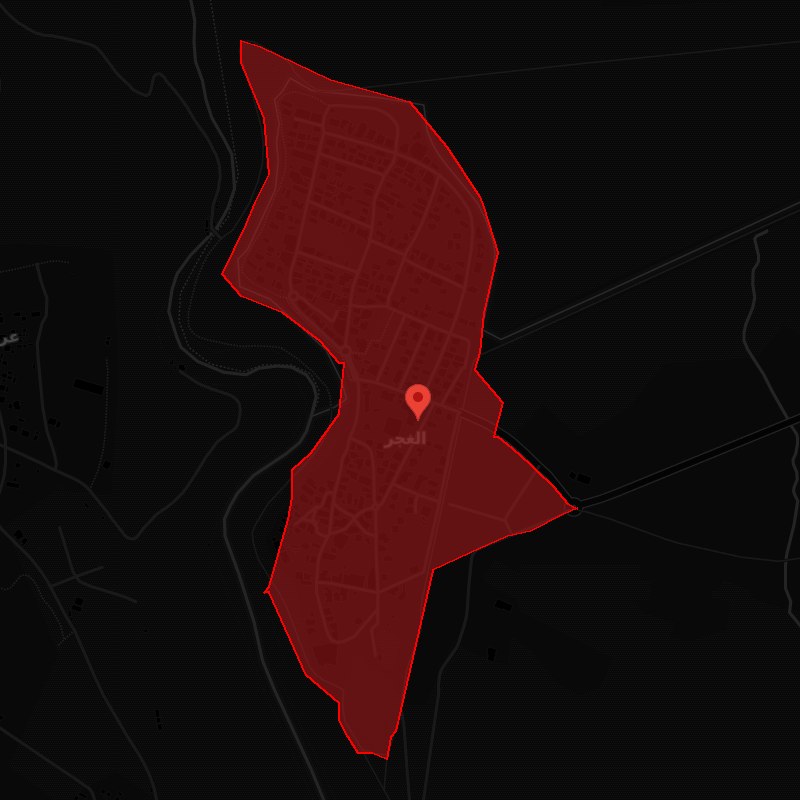
- Ghajar (21:44:39)
- Metulla (19:35:28)
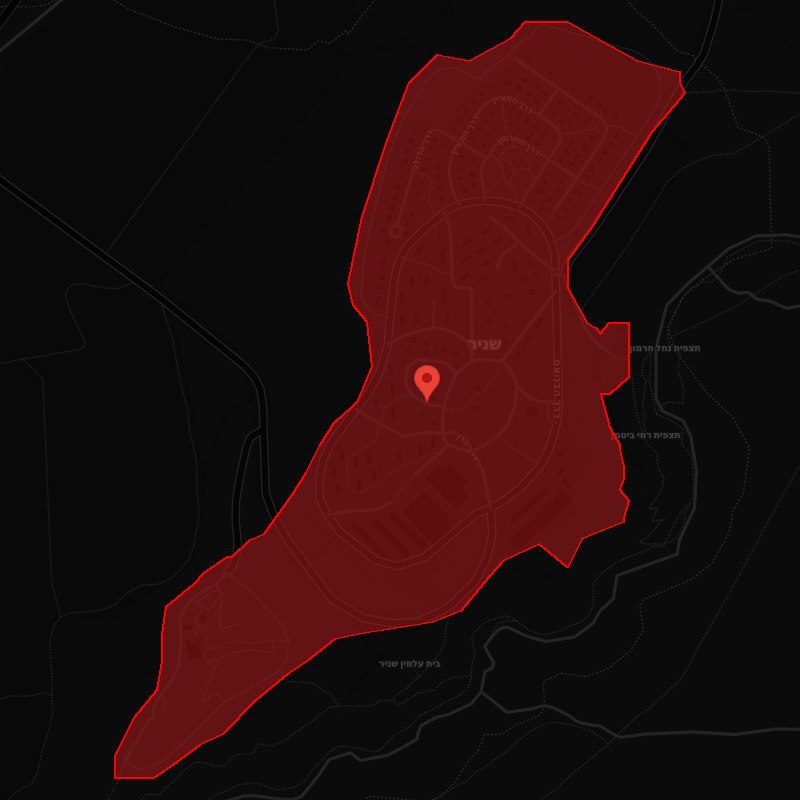
- Snir, Kibutz Dan, Shear Yeshuv (17:44:46)
While most alerts did not result in confirmed impacts, the sheer volume of warnings reflects a saturated early‑warning system and the pervasive threat of rocket fire from Lebanon and Iranian proxies.
Casualties and Injuries
The Israeli Health Ministry reported over 200 injuries across the country in the preceding 24 hours, attributing the toll to combined Hezbollah rocket attacks and Iranian missile strikes. Specific casualty figures for individual incidents were not disclosed, but the cumulative impact on civilian populations, emergency services, and medical facilities is evident.
"Over 200 Israelis Injured in Past 24 Hours Health Ministry Reports" – monitor_the_situation, 2026-03-25T07:55:14
Operational Implications
The events of 25 March demonstrate a multi‑vector escalation:
- Air‑defense strain: Intercepting high‑altitude ballistic missiles over densely populated areas required rapid coordination of Arrow, Patriot, and Iron Dome assets.
- Border volatility: Hezbollah’s ability to fire rockets, deploy drones, and briefly breach the forward line in Misgav Am signals a persistent low‑intensity threat that challenges static defenses.
- Strategic targeting: Iranian missile strikes on energy and industrial sites aim to undermine Israel’s critical infrastructure, potentially affecting power supply and industrial output.
Israel’s response included heightened alert levels, rapid deployment of combat helicopters over Haifa, and increased aerial surveillance along the northern frontier. The continued use of drones by Hezbollah further complicates the threat environment, as evidenced by attacks on Kiryat Shmona and the Golan Heights.