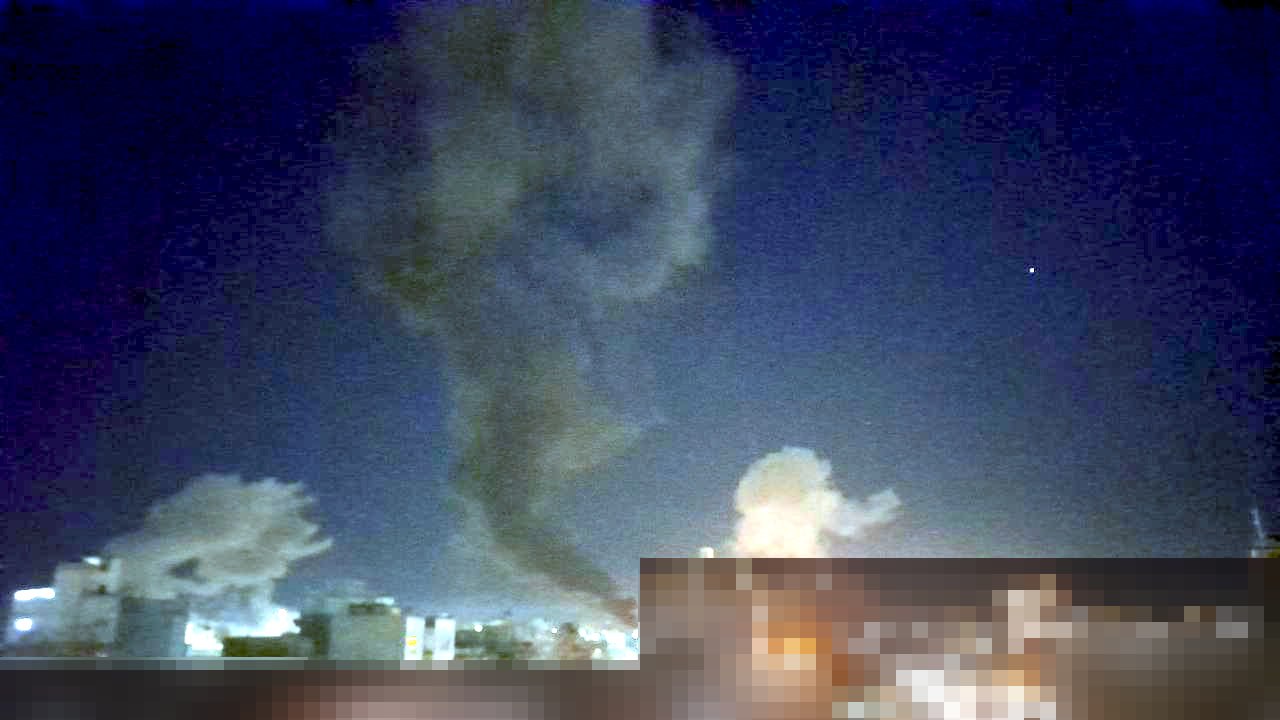
On 25 March 2026 Iran was the focus of an unprecedented series of kinetic operations involving airstrikes, interceptions, and naval engagements. The most lethal incident occurred in Mashhad, where a United States Air Force (USAF) bombing of a mosque resulted in up to 200 Basij militiamen killed or severely injured.
"Local sources in Mashhad report a mass casualty event inside a city's mosque following USAF bombings against it,"(BellumActaNews, source). The event marked the highest single‑day casualty figure recorded in the current conflict and set the tone for a day of escalating violence.
US and Israeli Air Campaigns Target Tehran
Two separate strikes hit Iran’s capital. At 11:30 UTC, the Israeli Air Force (IAF) launched a wave of attacks on civilian and military infrastructure in Tehran, as reported by monitor_the_situation (source). No weapon type was disclosed, but the operation followed earlier Israeli strikes on weapons sites in Isfahan. Later, at 00:00 UTC, a joint US‑Israeli strike on south Tehran killed at least 12 people and wounded 28 (Al Jazeera, source). Both attacks underscore a coordinated effort to degrade Iran’s command, control and logistics networks.
Escalation in the North: Mashhad Airport and Regional Airstrikes
At 20:12 UTC Israeli fighter jets bombed military targets at Mashhad Airport for approximately one hour, according to monitor_the_situation (source). The same day, the USAF conducted five additional airstrikes on Mashhad, three of which struck the international airport (BellumActaNews, source). These northern operations demonstrate a strategic focus on disrupting Iran’s air mobility and logistics hubs far from the traditional frontlines.
Southern Front: Bandar Abbas and Coastal Targets
The strategic port city of Bandar Abbas experienced multiple high‑intensity attacks. At 20:34 UTC six US‑linked airstrikes were reported (BellumActaNews, source), while at 19:35 UTC a massive bombing hit underground ammunition depots near the city’s airport (intelslava, source). Later, a US B‑1B bomber deployed BLU‑109 JDAMs against munition storage sites near Bandar Abbas International Airport and the IRIAF 9th Tactical Airbase (CIG_telegram, source; GeoPWatch, source). The cumulative effect was the destruction of significant stockpiles and the temporary degradation of Iran’s coastal defense capabilities.
Air Defense Interceptions Over Iranian Territory
Iran’s integrated air defense system recorded several successful engagements. At 18:17 UTC Iranian anti‑aircraft forces shot down a US F‑18 fighter jet over Chabahar, as confirmed by Fars and Tasnim news agencies (CIG_telegram, source). Similar footage released later showed an attempted strike on a US F/A‑18F Super Hornet over southeastern Iran, though the jet’s fate remained unclear (rnintel, source). Additionally, Iranian defenses engaged a US Navy F/A‑18E Super Hornet in Iranian airspace (GeoPWatch, source). These interceptions indicate a heightened risk for US aircraft operating in contested Iranian airspace.
Naval Losses and Maritime Operations
The Persian Gulf saw a reported US claim of destroying over 140 Iranian naval vessels, including roughly 50 mine‑laying ships, within a three‑week window (monitor_the_situation, source). In a separate incident, the US Navy torpedoed the Iranian frigate IRIS Dena, resulting in 87 sailor fatalities and a state funeral in Kermanshah (CIG_telegram, source). Iran also deployed Maham‑3 and Maham‑7 naval mines in the Strait of Hormuz, raising the threat level for commercial shipping (monitor_the_situation, source).
Targeted Assassinations and High‑Profile Casualties
Several senior Iranian military figures were reported killed in strikes. General Amir Amirmohammadi, commander of the IRGC’s Tharallah Corps in Kerman, was killed by USAF bombs (BellumActaNews, source). In Bandar Abbas, Iranian media claimed the death of naval commander General Masib Bah'tiari in combined US‑Israeli attacks (idkunim_il, source). Additionally, senior IRGC naval commander Mosayeb Bakhtiari was eliminated in targeted strikes (BellumActaNews, source). These losses may affect Iran’s command structure and operational tempo.
Collateral Damage and Civilian Impact
Beyond military targets, civilian infrastructure suffered. Explosions in east Tehran damaged a school and nearby homes (monitor_the_situation, source). A missile strike in Alborz Province injured at least 18 civilians (monitor_the_situation, source). In Tabriz, a US‑Israeli strike on a residential area killed seven people (monitor_the_situation, source). These incidents highlight the widening humanitarian footprint of the kinetic campaign.
Strategic Implications
The breadth of kinetic actions on 25 March demonstrates a coordinated, multi‑theater effort by US and Israeli forces to degrade Iran’s military capacity while Iran’s air defenses and naval mines aim to impose costly attrition on the adversary. The high casualty figures, especially the Mashhad mosque strike, raise the risk of further escalation and potential retaliatory attacks against US and Israeli assets in the region.