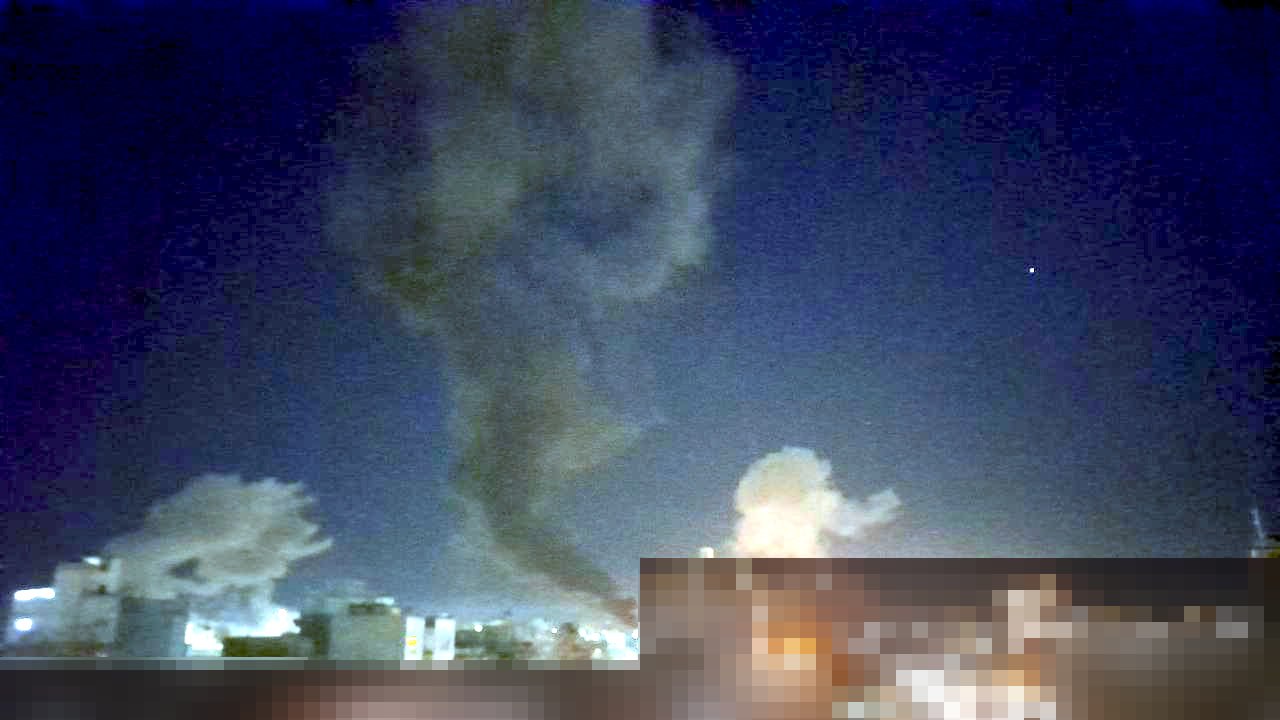
On March 25, 2026, a United States Air Force (USAF) bombing run on a mosque in Mashhad resulted in the highest single‑day casualty figure of the conflict, with local reports indicating up to 200 Basij militiamen killed or severely injured as the structure collapsed. The strike, reported by BellumActaNews, underscores the escalation of kinetic operations inside Iran’s borders and sets the tone for a day marked by a cascade of air, naval and ground actions involving the United States, Israel, and Iranian forces.
USAF Mosque Strike in Mashhad
The USAF aircraft, identified only as a bomber platform, delivered a high‑explosive bomb on the mosque during evening prayers. According to the Telegram post from BellumActaNews (source URL https://t.me/BellumActaNews/169300), the blast caused the roof to collapse onto congregants, many of whom were members of the Basij paramilitary militia. No official Iranian military statement has been released, but eyewitness accounts confirm a mass‑casualty event.
🇺🇸❌🇮🇷 — Local sources in Mashhad are reporting a mass casualty event inside a city's Mosque following USAF bombings against it. 📝 According to locals up to 200 Basij militiamen got either killed or severely injured after a USAF plane bombed the temple, causing it to collapse over them.
Israeli Air Force Strikes on Tehran Infrastructure
Earlier that day, the Israeli Air Force (IAF) conducted a coordinated wave of strikes targeting critical infrastructure in Tehran. The Telegram channel monitor_the_situation reported the operation at 11:30 UTC, noting that the attacks focused on power substations and communication nodes. While no casualty figures were released, the strikes represent a continuation of Israel’s campaign against Iranian strategic assets, following earlier hits on weapons sites in Isfahan.
Israeli Air Force Strikes Iranian Infrastructure in Tehran
US‑Israeli Joint Strike on South Tehran
At midnight, a joint US‑Israeli operation hit a densely populated district in south Tehran, killing at least 12 people and wounding 28. Al Jazeera’s live‑blog (source URL https://www.aljazeera.com/.../south-tehran) described the attack as part of “ongoing US‑Israeli strikes on Iran” despite diplomatic statements from the United States suggesting parallel talks with Tehran.
Multiple Airstrikes on Bandar Abbas and Surrounding Areas
Southern Iran’s strategic port city of Bandar Abbas endured a series of high‑profile attacks. Between 18:48 and 20:34 UTC, at least six separate airstrikes were reported:
- Six airstrikes logged by BellumActaNews at 20:34 UTC (source URL https://t.me/BellumActaNews/169305).
- A massive bombing of underground ammunition depots near the airport, documented by intelslava at 19:35 UTC (source URL https://t.me/intelslava/85481).
- US naval aviation destroyed the control tower at the nearby Bandar Lengeh seaport at 16:34 UTC (BellumActaNews, source URL https://t.me/BellumActaNews/169278).
The cumulative effect was the degradation of Iran’s logistical capacity in the Persian Gulf, a region already contested by US naval forces.
Israeli Fighter Jets Target Mashhad Airport
At 20:12 UTC, Israeli fighter jets bombed military installations at Mashhad Airport for approximately one hour. The operation, reported by monitor_the_situation, marked a rare Israeli strike in Iran’s northeastern sector, far from previous Israeli targets.
🟠 **Israeli Fighter Jets Bomb Military Targets at Mashhad Airport Iran**
Iranian Anti‑Aircraft Interceptions
Iran’s air defenses achieved several notable interceptions on March 25:
- At 18:17 UTC, Iranian forces shot down a US F‑18 fighter jet over Chabahar, with video evidence released by Fars and Tasnim news agencies (CIG_telegram, source URL https://t.me/CIG_telegram/72346).
- At 17:37 UTC, Iran released footage of an engagement with a US F/A‑18F Super Hornet over southeastern Iran; the jet’s fate remained unconfirmed (rnintel, source URL https://t.me/rnintel/57388).
- At 17:10 UTC, Iranian air defenses struck a US Navy F/A‑18E Super Hornet, as reported by GeoPWatch (source URL https://t.me/GeoPWatch/29851).
US Naval Dominance in the Persian Gulf
According to a monitor_the_situation briefing, the United States claimed the destruction of over 140 Iranian naval vessels, including roughly 50 mine‑laying ships, over a three‑week period. The statement, relayed by the White House Press Secretary, represents the largest naval attrition campaign since World War II.
Additional High‑Impact Events
Other significant incidents recorded on March 25 include:
- Assassination of senior IRGC naval commander Mosayeb Bakhtiari in Bandar Abbas (BellumActaNews, source URL https://t.me/BellumActaNews/169254).
- Explosion of “black rain” and toxic fallout following oil‑related strikes on Tehran, raising concerns of chemical weapon effects (Al Jazeera video, source URL https://www.aljazeera.com/.../chemicalwarfare).
- Evacuation of Russian staff from Bushehr Nuclear Power Plant after a reported strike (rnintel, source URL https://t.me/rnintel/57375).
- US B‑1B bomber missions employing BLU‑109 JDAMs against munition depots near Bandar Abbas Airport and the IRIAF 9th Tactical Airbase (CIG_telegram, source URL https://t.me/CIG_telegram/72348).
Collectively, these actions illustrate a multi‑theater kinetic campaign that blends strategic bombing, naval interdiction, and air‑defense engagements, dramatically raising the conflict’s intensity within Iran’s sovereign territory.
Implications for Regional Stability
The concentration of high‑value targets—military airfields, naval infrastructure, and civilian facilities—suggests a deliberate effort by the United States and Israel to degrade Iran’s war‑fighting capacity while simultaneously testing Iranian air‑defense resilience. Iran’s successful interceptions demonstrate a growing proficiency in counter‑air operations, yet the scale of material loss, particularly in the Persian Gulf, may constrain Iran’s ability to project power through its navy and missile forces.
Continued strikes on civilian structures, such as the Mashhad mosque and residential districts in Tabriz, raise the risk of broader humanitarian fallout and could provoke retaliatory attacks on foreign assets in the region. Monitoring of subsequent diplomatic channels will be essential to gauge whether escalation stabilises or spirals further.