U.S. casualty figures reached a new peak on 24 March 2026, with 13 service members killed and 290 injured in combat operations linked to the broader Iran‑U.S. confrontation. CNN relayed the totals, citing the Monitor_the_Situation channel (source: https://t.me/monitor_the_situation/5196). The report aggregates injuries from recent special‑forces and airborne missions, marking the highest single‑day loss for U.S. forces since the conflict began.
Key kinetic incidents across the region
Simultaneous kinetic events underscored the widening scope of hostilities. In Iran, a series of explosions struck major cities—including Tehran, Isfahan, Shiraz, Ahwaz, and Qazvin—without immediate casualty reports (monitor_the_situation/5198; monitor_the_situation/5193). The Iranian capital also endured a targeted strike on an IRGC intelligence headquarters, confirmed by the Israeli Air Force (monitor_the_situation/4965).
In Iraq, a high‑rise building near the U.S. consulate in Erbil erupted in fire after a large explosion, part of a wave of Iranian‑backed attacks that killed at least six Peshmerga fighters earlier in the day (monitor_the_situation/5195). A separate drone strike hit a hotel in Erbil where U.S. soldiers were reportedly staying (rnintel/57327), while a U.S. airstrike on a Popular Mobilization Forces (PMF) base near Baghdad claimed 14 lives (monitor_the_situation/4936).
Mass deployments and strategic positioning
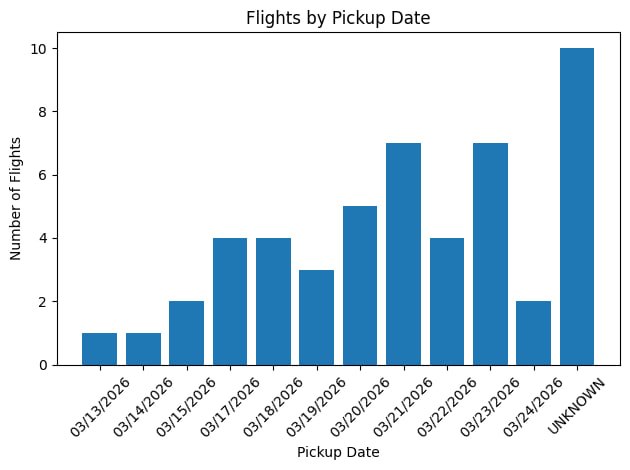
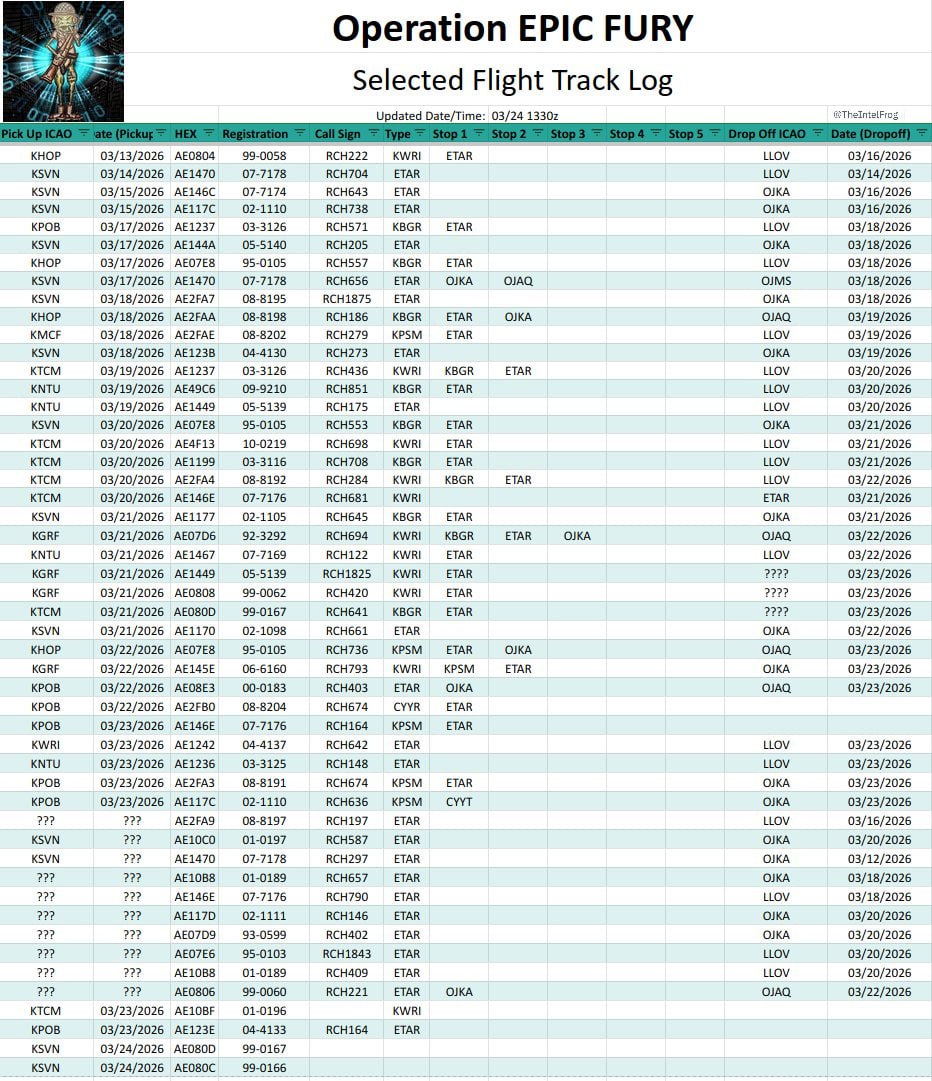
The United States accelerated troop movements, deploying roughly 3,000 paratroopers from the 82nd Airborne Division to Isfahan, Iran, to secure uranium facilities (monitor_the_situation/5109). Parallel airlift operations shifted additional special‑operations units, including the 160th SOAR, to the Middle East via C‑17 aircraft (monitor_the_situation/4956). These deployments coincide with Pentagon orders for the 82nd Airborne headquarters and thousands of paratroopers to mobilize to the region (monitor_the_situation/5084).
In parallel, Iran launched multiple ballistic missile and drone waves targeting Israel, Saudi Arabia, and the United Arab Emirates. Notable attacks included a seven‑wave missile barrage on Israel over ten hours (rnintel/57284), a ballistic missile strike on Bahrain that killed a Moroccan contractor and injured five UAE personnel (BellumActaNews/169200), and a coordinated launch of 17 attack drones and five ballistic missiles at the UAE (monitor_the_situation/5032).
Air and missile defenses under pressure
Kuwait’s defence ministry reported intercepting 13 of 17 hostile ballistic missiles over Kuwait City, highlighting the region’s dense missile traffic (monitor_the_situation/5069). Saudi forces downed dozens of Iranian drones in the Eastern Province, while the United Arab Emirates intercepted 17 drones and five missiles (JPost). In Israel, air‑defence alerts were triggered repeatedly as Iranian ballistic missiles and rockets landed across the country, prompting nationwide sirens (monitor_the_situation/5188).
Iran’s Islamic Revolutionary Guard Corps (IRGC) claimed the interception of two AGM‑158 JASSM cruise missiles over Tehran (GeoPWatch/29789), while the Israeli Air Force reported destroying multiple Iranian missile production sites in Isfahan and a ballistic missile launcher in western Iran (monitor_the_situation/5092; monitor_the_situation/5112).
Humanitarian impact and infrastructure damage
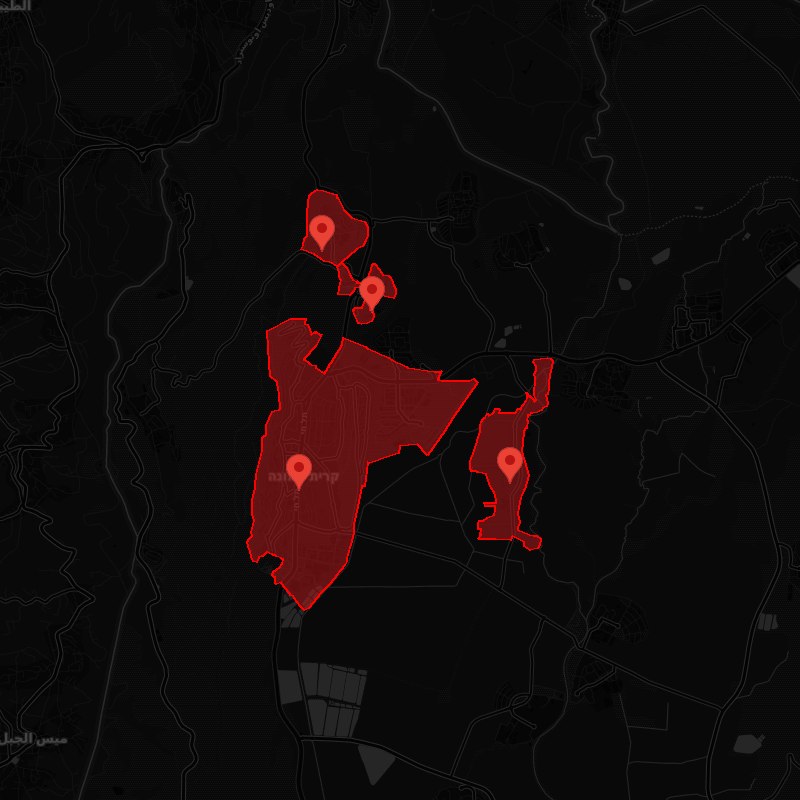
Iran’s Ministry of Defense reported that U.S. and Israeli strikes destroyed 498 schools and 281 medical facilities across Iran (monitor_the_situation/5041). In Gaza, an Iranian missile strike demolished residential buildings in Dimona and Arad, wounding over 100 civilians and prompting Bedouin communities to open their homes to the injured (JPost). A missile attack on the Shajareh Tayyebeh School in Iran killed 168 children, prompting Tehran to demand an urgent UN Human Rights debate (JPost).
Beyond the Middle East, Ukraine faced a massive drone swarm of over 800 UAVs, with more than 400 entering its airspace and striking cities including Kyiv, Lviv, and Odesa (monitor_the_situation/5090). Russian forces also launched large‑scale missile and drone attacks on Kyiv using Tu‑95MS and Tu‑160 bombers, deploying Kh‑101 cruise missiles (monitor_the_situation/4907).
Analysis
The convergence of high‑casualty U.S. losses, extensive Iranian missile and drone campaigns, and rapid U.S. force deployments signals a transition from limited strikes to a broader kinetic phase. The U.S. casualty figures, while still modest compared to historic conflicts, represent a significant escalation in operational risk and may influence political calculations in Washington. Simultaneously, Iran’s multi‑vector attacks demonstrate a capacity to project power across the Gulf, Israel, and the Arabian Peninsula, stretching regional air‑defence systems to their limits.
Israel’s repeated airstrikes on Iranian facilities, combined with Iranian ballistic missile launches, create a feedback loop that raises the probability of miscalculation. The proliferation of drone alerts—over 30 distinct RocketAlert notifications across Israel alone—illustrates a saturated threat environment where low‑cost UAVs complement strategic missile strikes.
In Iraq, the pattern of U.S. airstrikes against PMF positions, coupled with Iranian‑backed militia attacks on Kurdish forces, suggests a widening proxy war that could destabilize the Kurdish autonomous region and threaten the security of U.S. diplomatic assets in Erbil.
Overall, the kinetic events of 24 March 2026 reflect a conflict that has expanded beyond bilateral U.S.–Iran confrontations into a multi‑theater war involving state and non‑state actors, with civilian infrastructure and humanitarian conditions deteriorating rapidly.