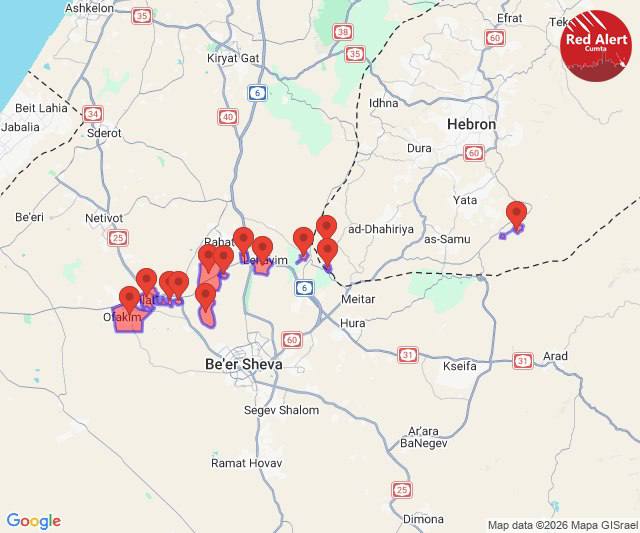
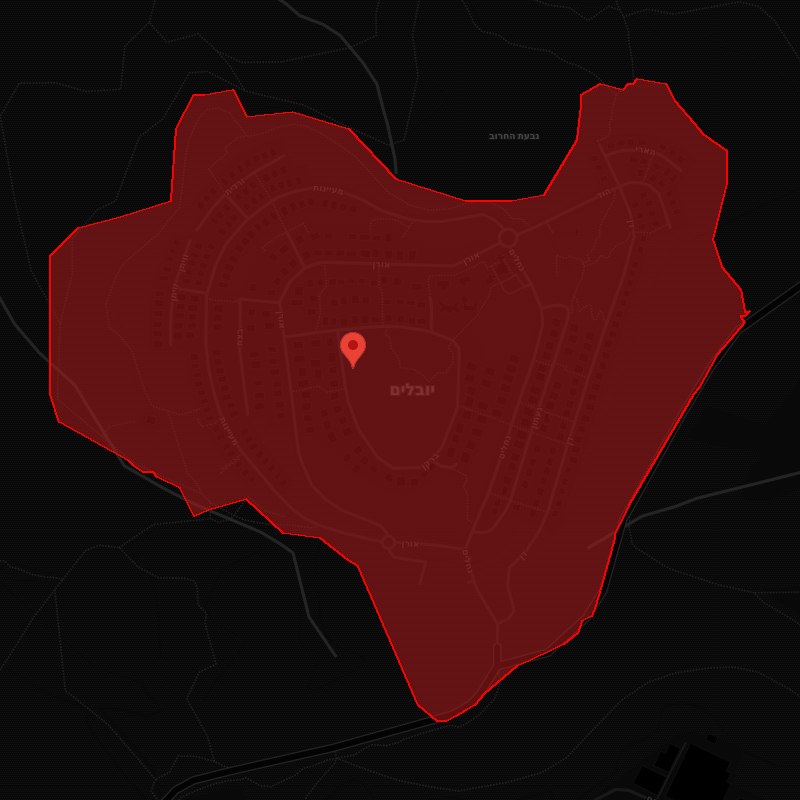
On 24 March 2026, a coordinated series of Iranian missile launches targeted several Israeli population centres, resulting in at least twelve civilian injuries in Jerusalem and extensive damage in Tel Aviv. The attacks marked the most severe kinetic escalation in the Israel‑Iran confrontation to date, prompting a rapid response from Israel's Iron Dome and other air‑defence assets.
Jerusalem missile strike – critical impact
At 22:25:47 local time, an Iranian‑origin missile struck the outskirts of Jerusalem, wounding twelve people and prompting an emergency medical response. The strike was documented by the Telegram channel monitor_the_situation, which posted video footage of the impact and the ensuing rescue operations (source). No fatalities were reported, but the incident underscored the vulnerability of central Israeli cities to long‑range missile attacks.
Cluster‑armed ballistic missile hits Tel Aviv
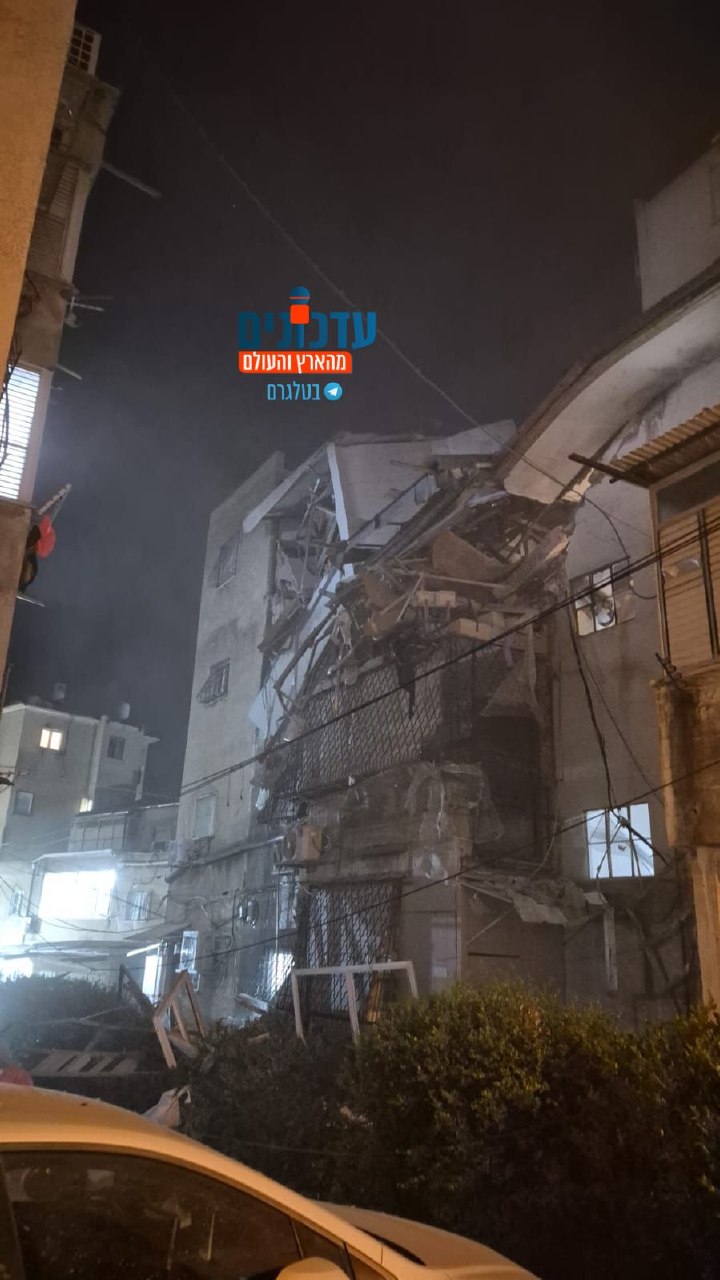
Earlier in the day, at 06:30:32, a ballistic missile equipped with a cluster warhead impacted residential buildings in central Tel Aviv. According to the channel BellumActaNews, the missile carried three to four 100‑kg sub‑munitions, causing injuries to at least six civilians and widespread structural damage (source). Photographs and video released by the channel show shattered windows and debris scattered across the streets.
Additional ballistic missile launches
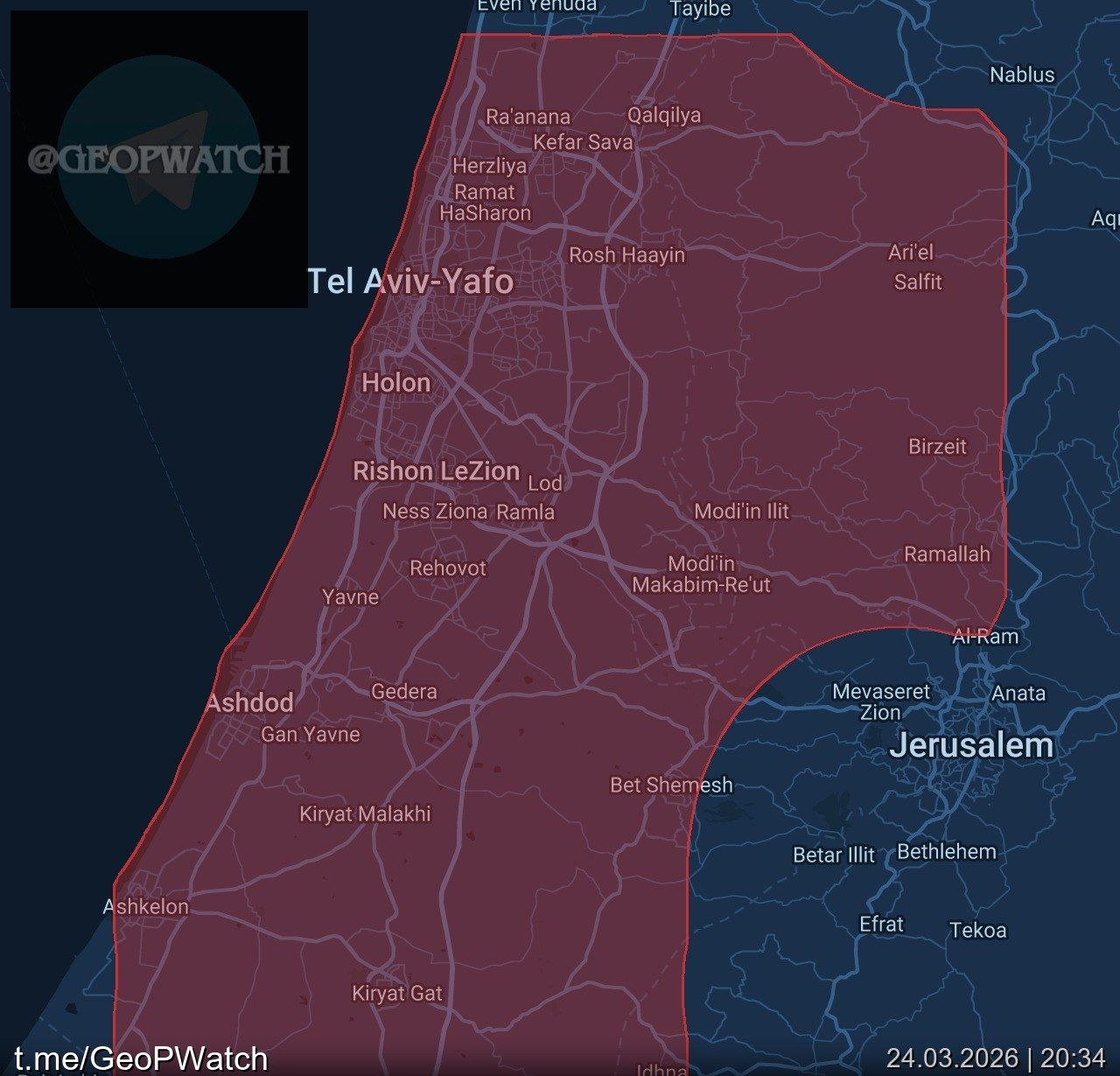
Following the Jerusalem strike, Iran launched a second wave of ballistic missiles toward the southern city of Eilat. The first missiles were intercepted by Israel's Arrow and Patriot systems, but subsequent missiles were reported at 22:57:18, confirming a sustained barrage (monitor_the_situation). Simultaneously, at 22:47:14, Iranian forces fired a mixed salvo of Sejjil, Emad and Kheibar Shekan missiles at Tel Aviv, a development noted by the same channel (source).
Wider regional missile activity
Throughout the day, multiple missile launches were recorded across Israel’s geography:
- High‑severity missile flights toward Eilat were also reported by rnintel at 22:36:26 and 21:44:25, targeting both the city and central Israel.
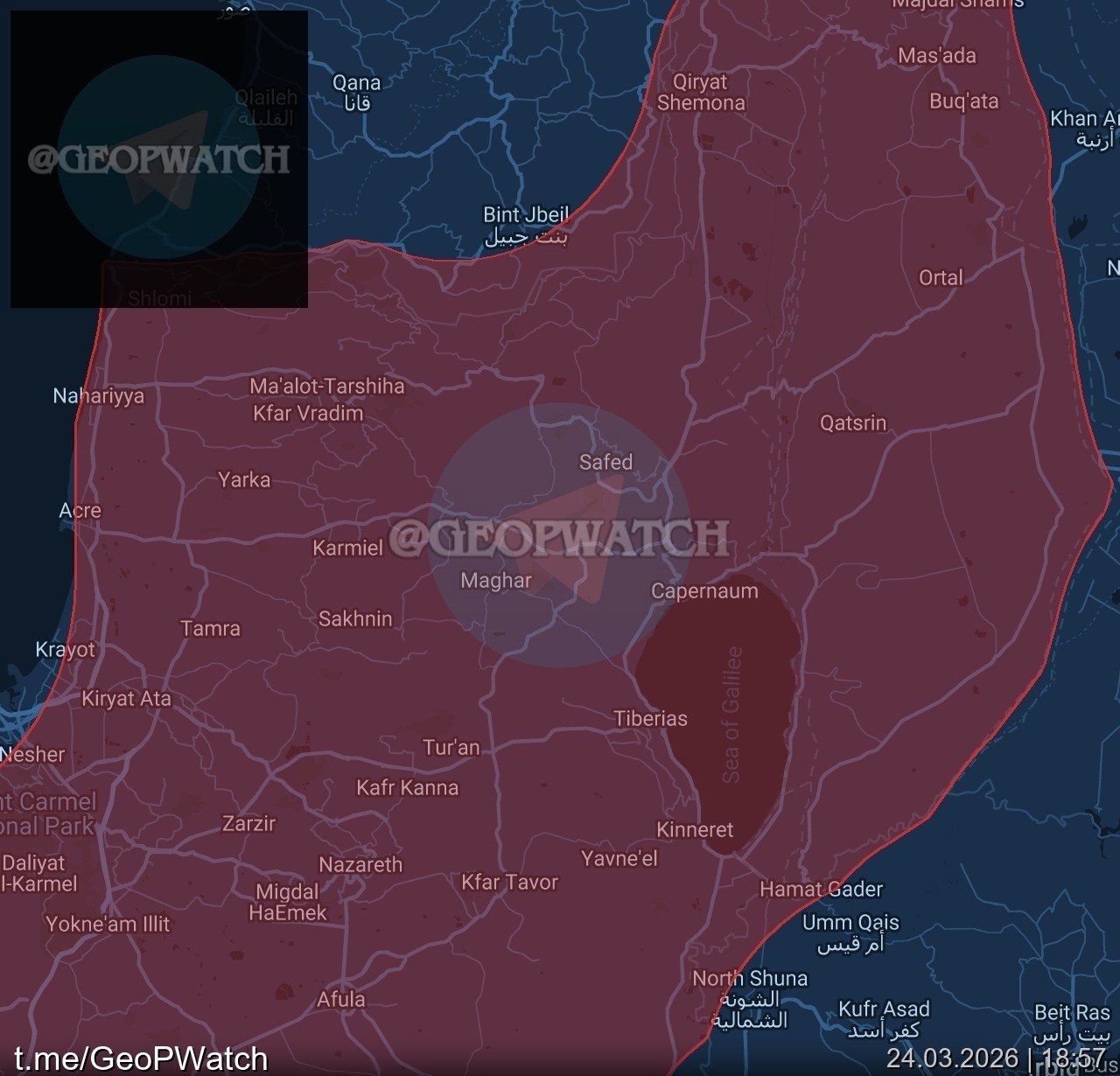
- In the northern district, a medium‑range ballistic missile impacted near Safed at 17:40:44; interceptions failed, though no casualties were immediately confirmed (monitor_the_situation).
- Rocket fire from Lebanon struck northern Israeli towns, killing one civilian and injuring two in the Upper Galilee at 17:31:04 (monitor_the_situation).
- Hezbollah rockets triggered Iron Dome interceptions over Haifa, Kiryat Shmona and Shlomi between 08:24 and 04:20, with no reported injuries (monitor_the_situation, monitor_the_situation).
Air‑defence performance and interceptions
Israel’s layered air‑defence network engaged dozens of inbound projectiles. Notable interceptions include:
- Iron Dome successfully intercepted an Iranian ballistic missile over central Israel at 03:14:59, deploying Tamir interceptors (monitor_the_situation).
- Israeli Air Force destroyed a loaded Iranian ballistic missile launcher near the Israel–Lebanon border at 15:52:56, averting a potential strike (monitor_the_situation).
- Multiple missile fragments and shrapnel were intercepted over Tel Aviv, producing smoke and minor damage on 06:01:10 (JPost).
Casualties and humanitarian impact
Beyond the twelve injuries in Jerusalem and six in Tel Aviv, other civilian casualties were recorded:
- Seven injured in Bnei Brak after a rocket strike at 19:20:00, including a 7‑year‑old child and an infant (idkunim_il).
- Two lightly injured in Safed from shrapnel fallout at 17:14:40 (idkunim_il).
- In the Negev region, a missile fragment wounded a man, a woman and an infant at 13:51:09 (JPost).
- Arad experienced a large‑scale missile impact with 115 wounded but no fatalities at 01:26:11 (JPost).
Strategic implications
The breadth of the missile barrage demonstrates Iran’s capacity to launch diverse payloads—including cluster munitions, MIRV‑capable missiles and conventional ballistic rockets—across a wide geographic spectrum. The attacks coincided with heightened US‑Iran diplomatic friction, suggesting a possible retaliatory motive linked to recent US policy shifts.
Israel’s air‑defence systems, while intercepting a majority of inbound threats, faced several penetrations, notably the missile that struck near Safed and the cluster‑armed missile in Tel Aviv. These gaps highlight the challenges of defending against high‑velocity, multi‑warhead projectiles and may prompt adjustments in radar coverage and interceptor allocation.
International response and media coverage
International media outlets, including Al Jazeera and The Jerusalem Post, reported on the attacks, emphasizing civilian distress and the risk of broader escalation (Al Jazeera, JPost). Israeli officials reiterated the readiness of the Iron Dome and Arrow systems, while diplomatic channels called for restraint.
"The recent missile barrage underscores the urgent need for regional de‑escalation and reinforces Israel's commitment to protect its civilian population," a spokesperson for the Israeli Ministry of Defense said in a televised briefing.
Conclusion
The coordinated Iranian missile attacks on 24 March 2026 represent the most extensive kinetic engagement against Israel in recent months. While Israel’s air‑defence network mitigated many of the threats, the incidents resulted in civilian injuries, property damage and a heightened state of alert across the country. Continued monitoring of Iranian launch capabilities and the effectiveness of Israeli interception systems will be essential for assessing future risk levels.