Israeli airstrikes near Beirut on the night of March 24 killed 33 people and wounded 90, marking the deadliest single incident in Lebanon this year (monitor_the_situation, 2026‑03‑24T22:30:53). The attacks targeted densely populated areas in southern Lebanon close to the capital, underscoring a sharp escalation in cross‑border hostilities between Israel and Hezbollah.
Escalation of Israeli air operations
Throughout the day, the Israeli Air Force conducted a series of strikes across the south. At 21:50, aircraft bombed multiple towns in southern Lebanon, while Hezbollah responded with drone attacks on Israeli troops (monitor_the_situation, 2026‑03‑24T21:50:43). Earlier, at 18:06, a strike hit a building near the Roman ruins in Tyre, producing visible smoke (AlJazeera, 2026‑03‑24T18:06:04). At 15:53, a missile struck a waterfront building in Tyre, disrupting an Al Jazeera live report (monitor_the_situation, 2026‑03‑24T15:53:55). The pattern continued with hits on Nabatieh’s al‑Maisa neighborhood (09:50) and a bridge and residential homes near Beirut (07:45) that caused structural damage but no immediate casualty reports (monitor_the_situation, 2026‑03‑24T07:45:48).
Strategic infrastructure was also targeted. Israeli jets destroyed the al‑Dallafa Bridge in eastern Lebanon (10:00) and hit a petrol station near the Rashidieh refugee camp, causing a large explosion and prompting forced‑displacement orders (04:39). The Litani River crossing, a known Hezbollah weapons corridor, was bombed twice—first at 10:16 and again at 12:19—signalling Israel’s intent to sever supply lines south of the river (monitor_the_situation, 2026‑03‑24T10:16:13; BellumActaNews, 2026‑03‑24T12:19:17).
Hezbollah’s retaliatory actions
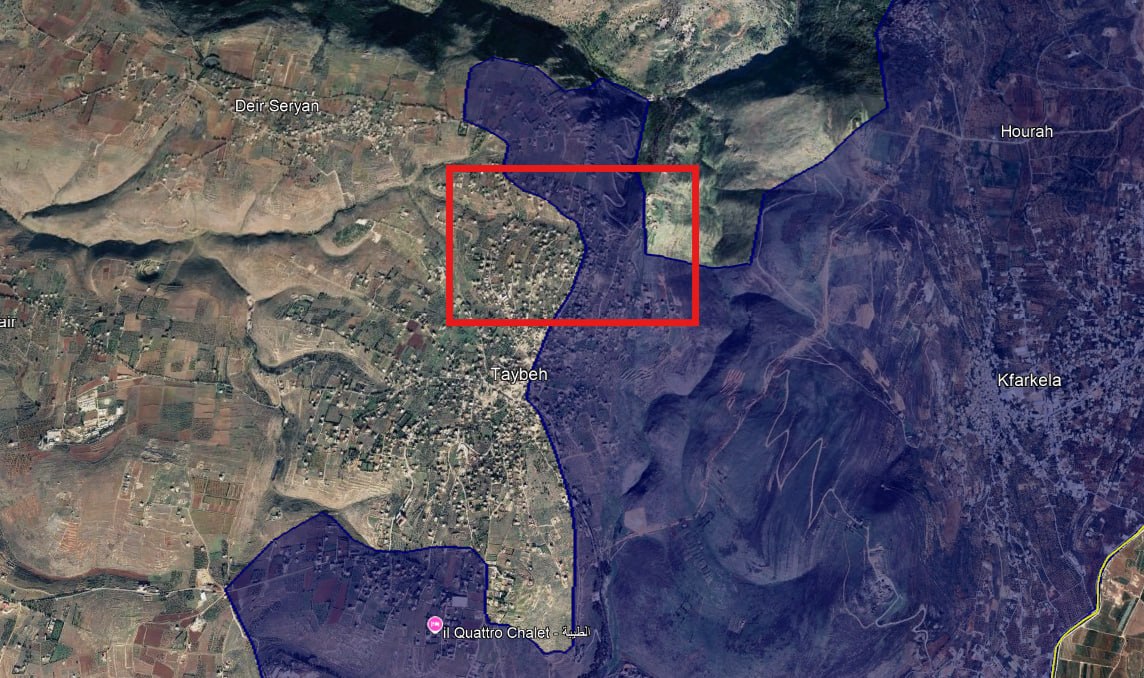
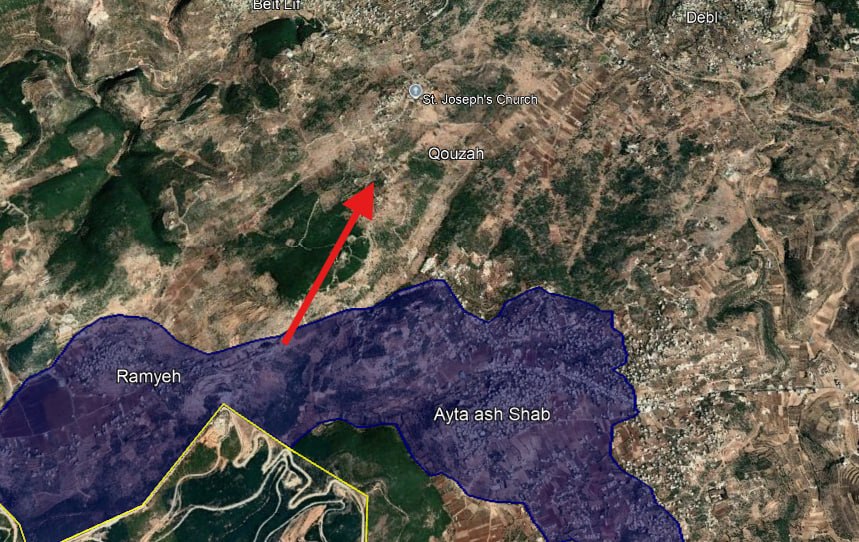
Hezbollah’s response combined drone strikes, anti‑tank guided missiles (ATGMs), and FPV (first‑person view) drones. At 21:50, Hezbollah launched drone strikes on Israeli troops, escalating the exchange (monitor_the_situation, 2026‑03‑24T21:50:43). Throughout the morning, the group reported multiple ATGM hits on Israeli infantry positions and armored vehicles: an ATGM struck an IDF infantry house in Qouzah at 06:42, another hit a D9 Caterpillar bulldozer in Taybeh at 13:50, and three Merkava tanks were hit in Khiam at 11:30 (GeoPWatch, various timestamps). FPV drones were claimed to have hit a Merkava tank in Qozah (16:50) and to have engaged infantry units in Qouzah on four separate occasions (16:35). These actions illustrate Hezbollah’s increasing reliance on low‑cost, precision‑guided weapons to counter Israeli air superiority.
Missile interceptions and regional spillover
Lebanese air defenses intercepted several missiles launched from Iran. At 15:53, Lebanese forces shot down an Iranian missile over Beirut airspace (monitor_the_situation, 2026‑03‑24T15:53:31). A second interception occurred over the Keserwan district (14:43) and a third over the northern suburbs of Beirut, where shrapnel caused light injuries (JPost, 2026‑03‑24T19:01:02). The United States also engaged an Iranian ballistic missile aimed at southern Israel; a SM‑3 interceptor launched from a U.S. destroyer intercepted the missile, with fragments landing in Jounieh (BellumActaNews, 2026‑03‑24T13:57:29). These interceptions highlight the expanding missile threat envelope and the involvement of third‑party actors in Lebanon’s airspace.
Civilian impact and infrastructure damage
The cumulative effect of the kinetic events on civilians has been severe. The 33‑person death toll near Beirut represents the highest single‑day civilian casualty figure recorded in the 2026 Lebanese theater. Additional civilian deaths include two paramedics in Nabatieh (13:51) and two civilians in south Beirut (05:56). Infrastructure damage spans bridges, a petrol station, residential buildings, and cultural sites such as the Roman ruins near Tyre. Displacement orders issued after the Rashidieh petrol‑station strike forced hundreds of residents to flee, compounding the humanitarian strain already caused by the broader Israel‑Gaza conflict.
"Israeli attacks in southern Lebanon near Beirut killed 33 people and wounded 90, amid ongoing cross‑border fighting with Hezbollah," monitor_the_situation reported.
Analysts note that the concentration of high‑intensity airstrikes, combined with Hezbollah’s diversified retaliatory tactics and the involvement of Iranian missile launches, signals a shift from limited border skirmishes to a broader kinetic confrontation across Lebanese territory. The pattern of targeting both military and civilian infrastructure suggests an intent to degrade Hezbollah’s operational capacity while exerting pressure on the Lebanese state.
Continued monitoring of missile trajectories, drone activity, and ground movements will be essential to assess whether the conflict escalates further or stabilizes through deterrence and diplomatic channels.