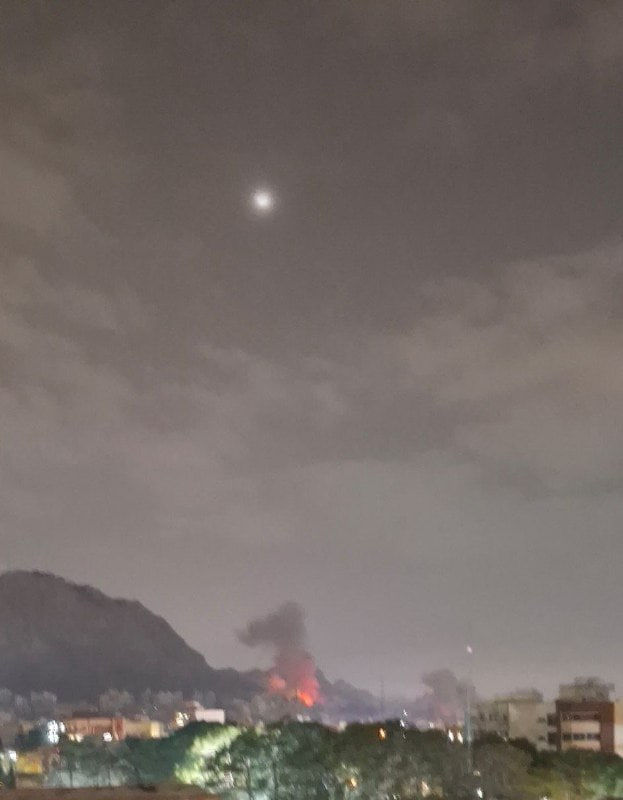
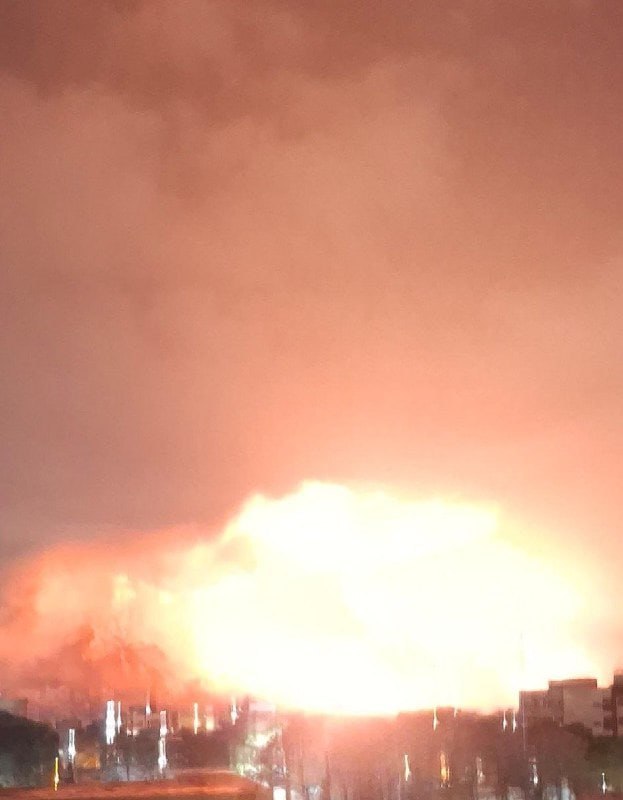
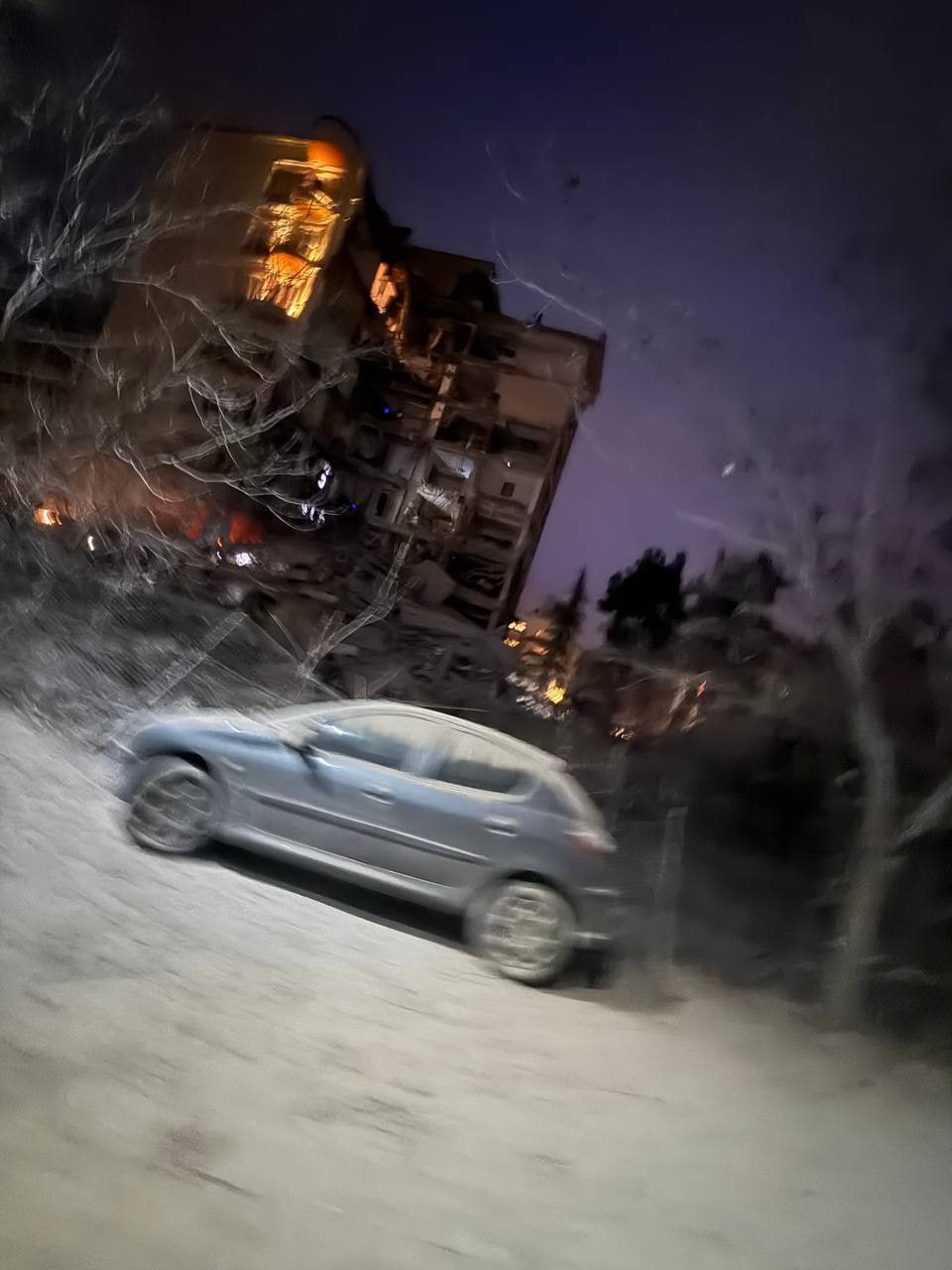
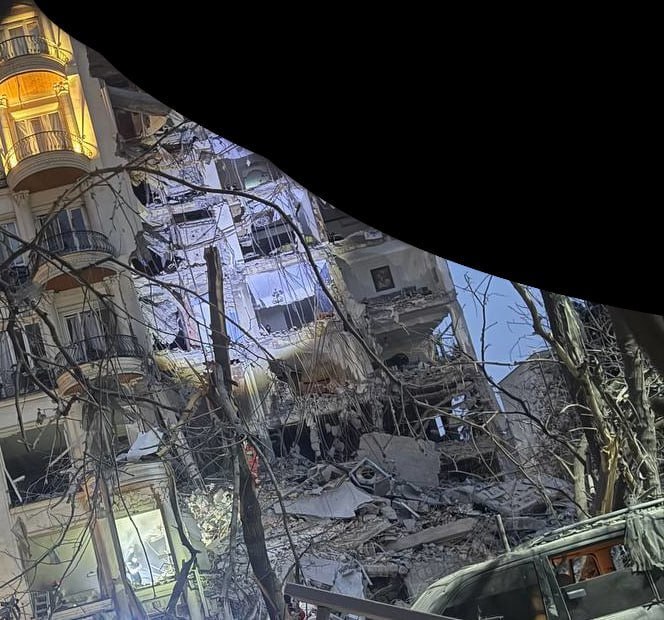
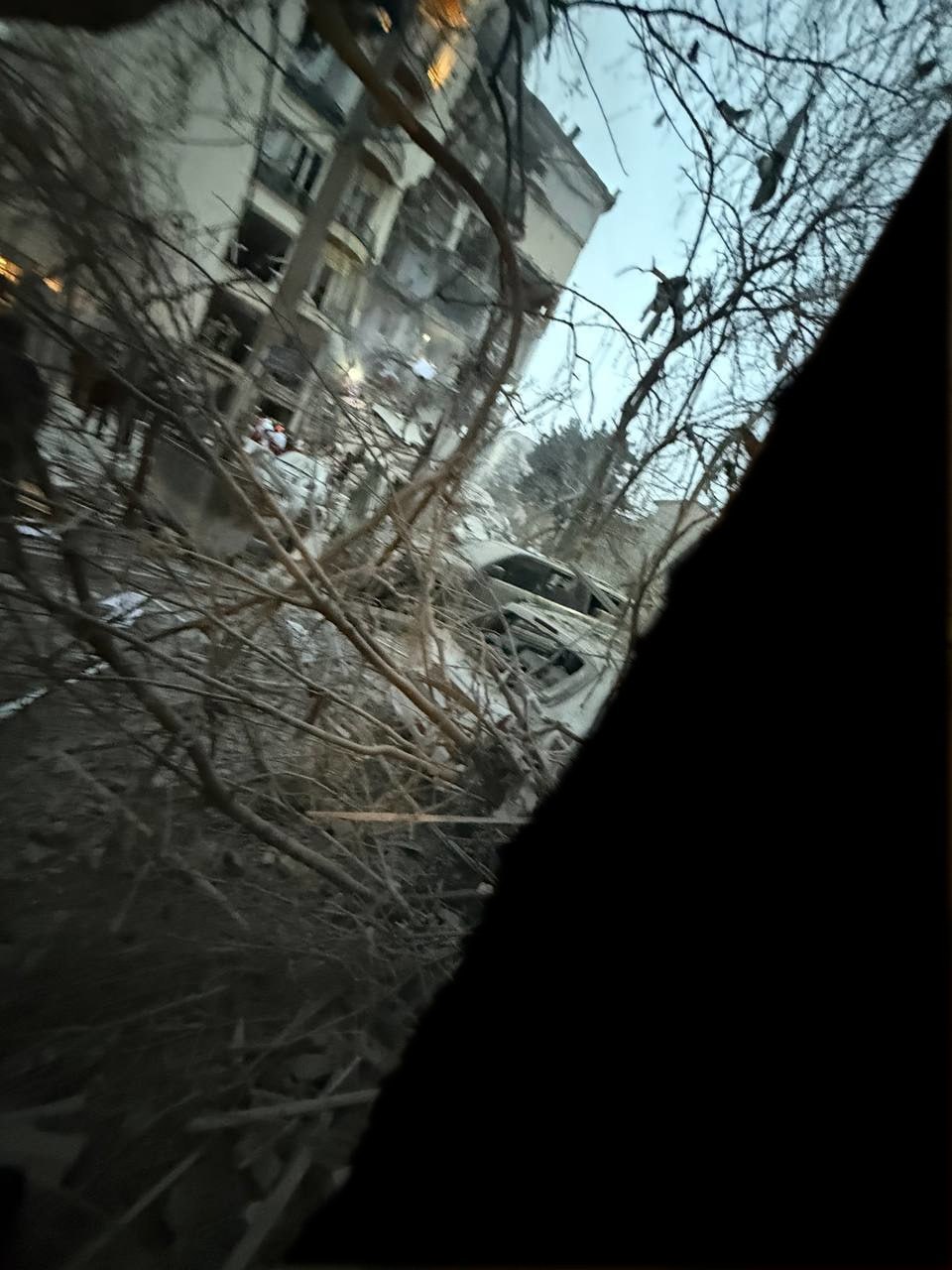
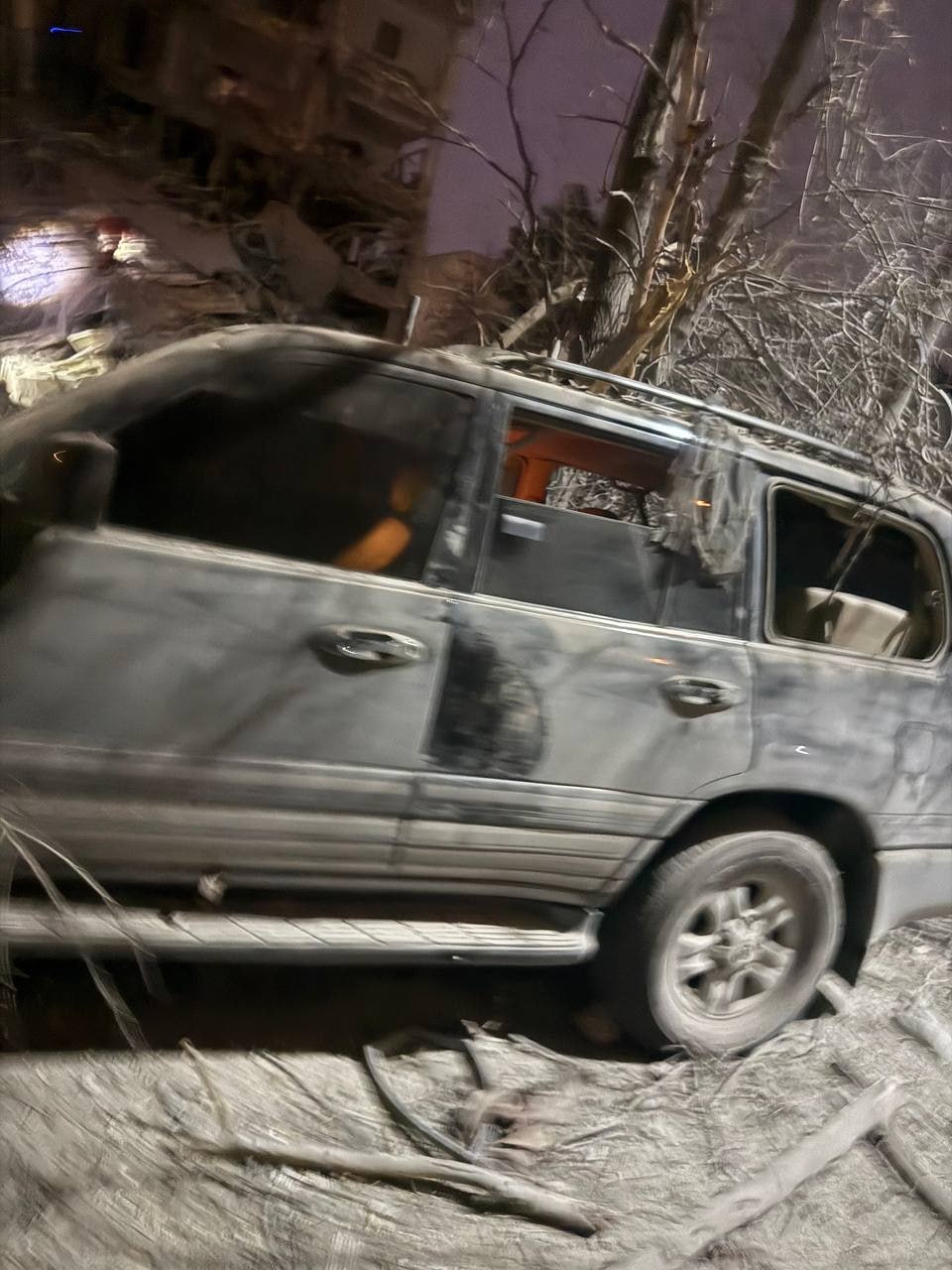
On 23 March 2026 at 22:32 UTC, United States Air Force B‑52 strategic bombers launched a coordinated airstrike on Markazi province, central Iran, employing 2,000‑pound Joint Direct Attack Munitions (JDAMs). The operation, reported by the Telegram channel monitor_the_situation, represents the most lethal kinetic action recorded on the day and underscores a marked intensification of the US‑Iran conflict.
"US B‑52 Bombers Strike Central Iran With 2000‑Pound JDAMs" – monitor_the_situation, 23 Mar 2026, https://t.me/monitor_the_situation/4889
Scope of the 23 March kinetic campaign
Following the Markazi strike, a series of high‑intensity attacks unfolded across Iran, involving both US and Israeli forces. The events, classified by severity and time, can be grouped into three categories: airstrikes, rocket/missile attacks, and targeted assassinations.
Airstrikes
Isfahan (20:48 UTC) – Two separate videos posted by monitor_the_situation show strikes on Iranian military and Islamic Revolutionary Guard Corps (IRGC) installations in Isfahan. No specific weapon system was disclosed, but the coordination of US and Israeli assets is implied.
"Strikes Hit Iranian Military and IRGC Targets in Isfahan, Iran" – monitor_the_situation, https://t.me/monitor_the_situation/4883
Iranian Coast (14:16 UTC) – United States Navy F/A‑18 Super Hornet aircraft conducted strafing runs along the Persian Gulf coastline. The operation, also reported by monitor_the_situation, adds a naval dimension to the campaign.
"US Navy F/A‑18 Super Hornets are carrying out strafing attacks on targets along Iran's coastline" – monitor_the_situation, https://t.me/monitor_the_situation/4862
Qaemiyeh, Isfahan (18:19 UTC) – BellumActaNews documented a bomb strike on the Police Special Units headquarters, attributed to US Naval Aviation.
"US Naval Aviation bombed the Police Special Units headquarters in the Qaemiyeh area of Isfahan" – BellumActaNews, https://t.me/BellumActaNews/169112
Tehran (17:43 UTC) – The Israeli army claimed to have hit the IRGC central headquarters in Tehran. No weapon details were released, but the claim aligns with a broader pattern of Israeli strikes on Iranian command structures.
"The Israeli army says it has hit the IRGC headquarters in central Tehran" – intelslava, https://t.me/intelslava/85339
Shiraz (10:59 UTC) – Israeli Air Force aircraft bombed the Electronic Industries Corporation facilities, destroying key defense manufacturing plants in Shiraz and a central building on Sayyad Shirazi Highway in Tehran.
"Israeli Air Force bombed Iran's Electronic Industries Corporation facilities" – BellumActaNews, https://t.me/BellumActaNews/169072
Bandar Abbas (00:14 UTC) – Joint US‑Israeli airstrikes targeted the strategic port city, with additional explosions reported in Karaj and Tehran.
"US and Israeli airstrikes hit Bandar Abbas, Iran, with additional explosions reported in Karaj and Tehran" – monitor_the_situation, https://t.me/monitor_the_situation/4826
Other notable air attacks included strikes on Qom’s turbine‑engine production plant (01:46 UTC), Niavaran apartment block (01:40 UTC), Parchin Village (00:17 UTC), and multiple coordinated waves over Tehran and Karaj (03:33 UTC, 03:41 UTC). These operations were attributed to United States Air Force (USAF) and Israeli Air Force (IAF) assets, often described as “extensive” or “wide‑scale”.
Rocket and missile attacks
Malekloo Street, Tehran (17:53 UTC) – A missile strike, reportedly launched jointly by US and Israeli forces, hit an IRGC Cyber Division safe house opposite Iran University of Science and Technology. The target was linked to prior cyber‑espionage campaigns against US interests.
"US and Israeli missiles struck an IRGC Cyber Division safe house on Malekloo Street in Tehran" – BellumActaNews, https://t.me/BellumActaNews/169104
Bandar Abbas AM transmitter (06:01 UTC) – Israeli forces, using unguided munitions, struck the Persian Gulf Radio and Television Center’s AM transmitter, killing one civilian.
"Strike on the AM transmitter in Bandar Abbas killed one person, claimed by Israeli forces" – intelslava, https://t.me/intelslava/85300
Chitgar, Tehran (13:53 UTC) – US‑Israeli forces reportedly hit IRGC bases in the western Tehran district of Chitgar.
"US and Israeli forces reportedly struck IRGC bases in the Chitgar area of western Tehran" – rnintel, https://t.me/rnintel/57226
Additional rocket attacks were reported across multiple Tehran districts (Pirouzi Street, District 13; Districts 1, 4, 11, 21) within a single hour, indicating a saturation‑style bombardment strategy.
"American/Israeli attacks on districts 1, 4, 11, 13, and 21 of Tehran" – BellumActaNews, https://t.me/BellumActaNews/169038
Targeted assassinations
Several high‑profile killings were documented, most notably:
- Chizar, northern Tehran (11:29 UTC) – An Israeli‑linked operation eliminated an unnamed target, reported by BellumActaNews.
- 13th Street, South Makran, Tehran (11:19 UTC) – The Israeli Air Force bombed a residential address, resulting in a fatality.
- Urmia (18:09 UTC) – Judge Alireza Sheikhloo of the Revolutionary Court was killed in a house raid.
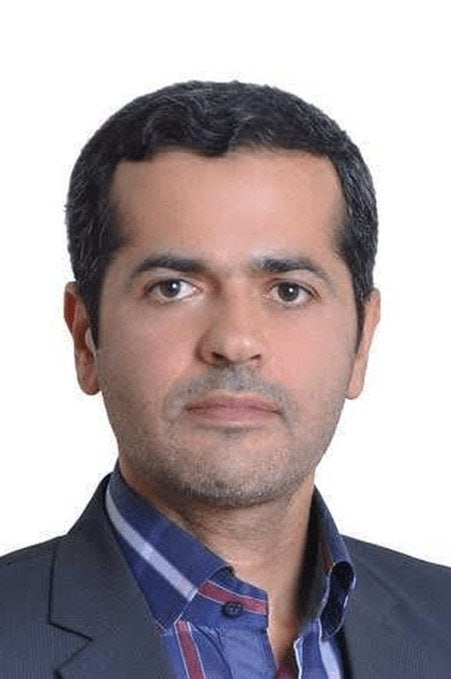
- Qeytarieh, Tehran (18:05 UTC) – Israeli Air Force strike killed missile specialist Professor Saeed Shamaghdari, a key IRGC Aerospace Forces figure.
Casualties and material damage
While many of the US‑Israeli strikes were reported without explicit casualty figures, the following confirmed losses were recorded:
- One civilian killed in the Bandar Abbas AM‑transmitter strike.
- At least one child dead in Khorramabad following USAF‑IAF attacks on residential areas.
- Four individuals killed in a targeted assassination in Tabriz.
Infrastructure damage includes the destruction of the Qom turbine‑engine plant, the Electronic Industries Corporation factories in Shiraz, the Police Special Units headquarters in Qaemiyeh, and multiple energy facilities in Isfahan and Khorramshahr (gas authority building and reduction station). The cumulative effect is a significant degradation of Iran’s aerospace, energy, and cyber‑warfare capabilities.
Strategic implications
The coordinated kinetic actions on 23 March demonstrate a shift from isolated retaliatory strikes to a sustained, multi‑theater campaign. The use of strategic bombers (B‑52s) with precision‑guided JDAMs marks an escalation in payload size and range, signaling US willingness to project power deep into Iranian territory. Simultaneous Israeli operations targeting IRGC command, cyber‑division facilities, and missile production sites suggest a high degree of intelligence sharing and operational synchronization.
Analysts note that the breadth of targets – from aerospace manufacturing to cyber‑espionage hubs – reflects an intent to cripple Iran’s asymmetric warfare capacities while imposing a deterrent effect on its regional proxies. The reported ground‑movement analysis from CIG_telegram (02:36 UTC) indicating US troop deployments to Djibouti further raises the prospect of a conventional ground component, although no direct ground action was observed on the day.
International response
Western media outlets, including Al Jazeera, described the combined US‑Israeli strikes as “unprecedented”, emphasizing the geopolitical risk of broader escalation. Iranian state media have condemned the attacks as violations of sovereignty, but have not provided independent verification of casualty numbers beyond the isolated reports noted above.
Overall, the kinetic events of 23 March 2026 constitute the most intensive day of direct kinetic engagement between the United States, Israel, and Iran since the 2020‑2021 escalation cycle, with potential ramifications for regional stability and future diplomatic negotiations.