Iran’s Islamic Revolutionary Guard Corps (IRGC) unleashed its 78th coordinated wave of ballistic missiles and drones on 23 March 2026, striking U.S. installations, Israeli territory and multiple Gulf nations. The attack marks a critical escalation in the ongoing US‑Iran confrontation, prompting heightened alerts across the region and a series of retaliatory strikes.
IRGC’s 78th missile and drone wave
The IRGC announced the launch of a mixed salvo of ballistic missiles and unmanned aerial systems (UAS) aimed at U.S. bases, Israeli infrastructure and strategic sites in Saudi Arabia, the United Arab Emirates, Qatar, Kuwait, Bahrain and Oman. The operation was reported by the Telegram channel monitor_the_situation at 22:21:45 UTC. No immediate casualty figures were released, but the breadth of the targeting underscores Tehran’s intent to pressure multiple adversaries simultaneously.
Source: monitor_the_situation – 2026‑03‑23T22:21:45
U.S. B‑52 strike on Iranian positions in Afrin, Syria
In a direct response, the United States deployed a B‑52H Stratofortress bomber to drop 900 kg GBU‑31 JDAM precision‑guided bombs on Iranian‑linked targets in Afrin, Aleppo Governorate, Syria. The strike, confirmed by the same Telegram source at 20:21:57 UTC, demonstrated U.S. capability to conduct high‑altitude, long‑range attacks against Iranian assets despite reported deficiencies in Iran’s air‑defence network.
Source: monitor_the_situation – 2026‑03‑23T20:21:57
Decapitation of Popular Mobilization Forces (PMF) leadership in Iraq
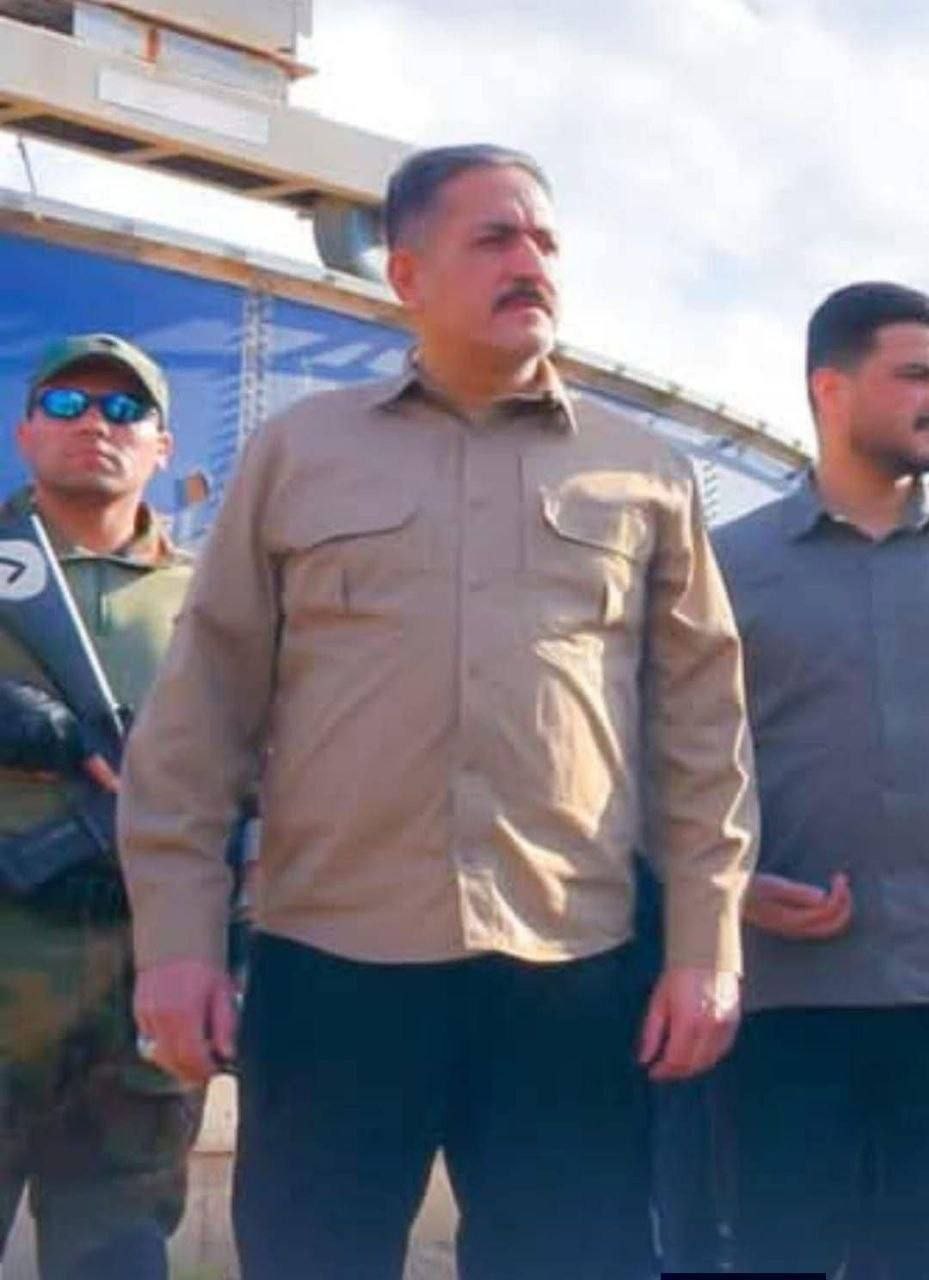
Simultaneously, a series of airstrikes in Iraq’s Anbar Governorate targeted the high command of the Popular Mobilization Forces (PMF). According to BellumActaNews, PMF commander Saad Dawai Al‑Baiji and fifteen others were killed in the Habbaniyah/Khalidiya area, while PMF intelligence director Wathiq al‑Fartousi was hospitalized in critical condition and later died from his injuries.
Casualties: 16 killed (including Al‑Baiji), 1 critically injured (al‑Fartousi). The attacks were attributed to unidentified aerial platforms, likely part of the broader US‑Iran proxy conflict.
Source: BellumActaNews – 2026‑03‑23T23:01:09
Source: BellumActaNews – 2026‑03‑23T23:01:10
Iranian missile strikes on Qatar’s Ras Laffan LNG complex
Iran launched sophisticated, maneuverable missiles that struck QatarEnergy’s Ras Laffan LNG facility, evading U.S.‑made Patriot air‑defence systems. The attack was documented by multiple sources, including OSINTdefender and CIG_telegram, and highlighted Iran’s growing capability to bypass advanced missile‑defence networks.
Source: OSINTdefender – 2026‑03‑23T08:03:29
Source: CIG_telegram – 2026‑03‑23T04:46:01
Kuwait intercepts Iranian missile and drone barrage
Kuwaiti air‑defence units reported successful interception of Iranian missiles and drones over Kuwait City at 22:17:16 UTC. The Kuwaiti Army General Staff confirmed the engagement, marking a direct Iranian strike attempt on the Gulf state.
Source: monitor_the_situation – 2026‑03‑23T22:17:16
U.S. naval escort considerations in the Persian Gulf
Amid heightened Iranian mine threats and a blockade of the Strait of Hormuz, the United States evaluated the deployment of naval escorts for commercial shipping in the Persian Gulf. The assessment referenced historical lessons from the 1980s and underscored the risk of rapid escalation.
Source: monitor_the_situation – 2026‑03‑23T10:05:43
Widespread rocket alerts across Israel
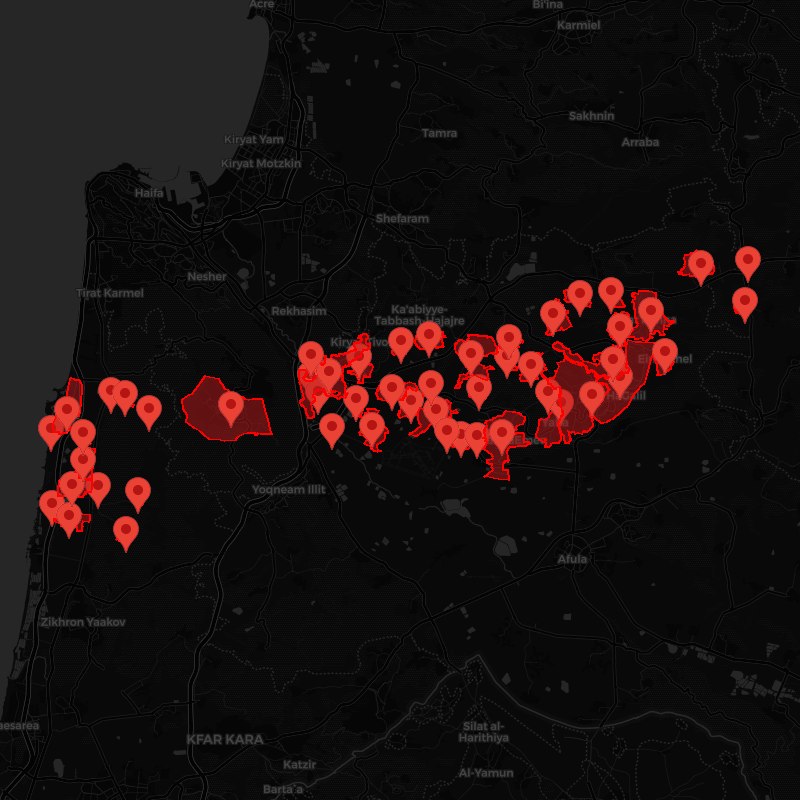
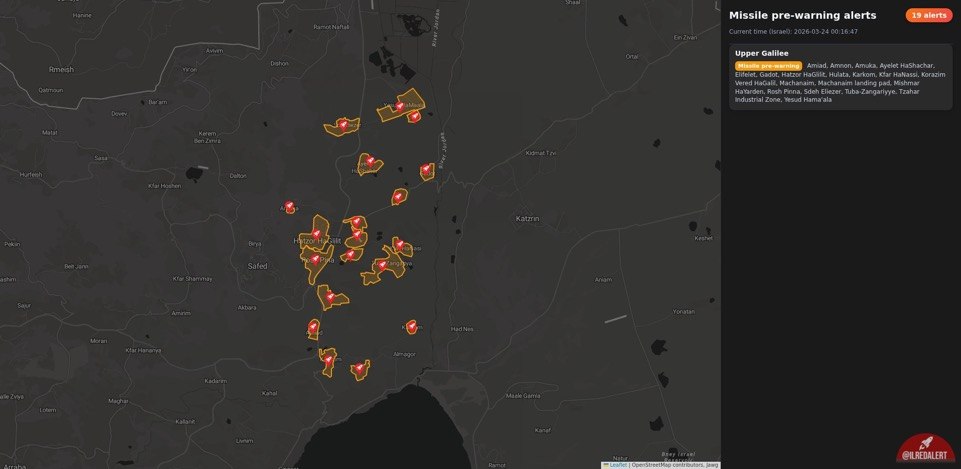
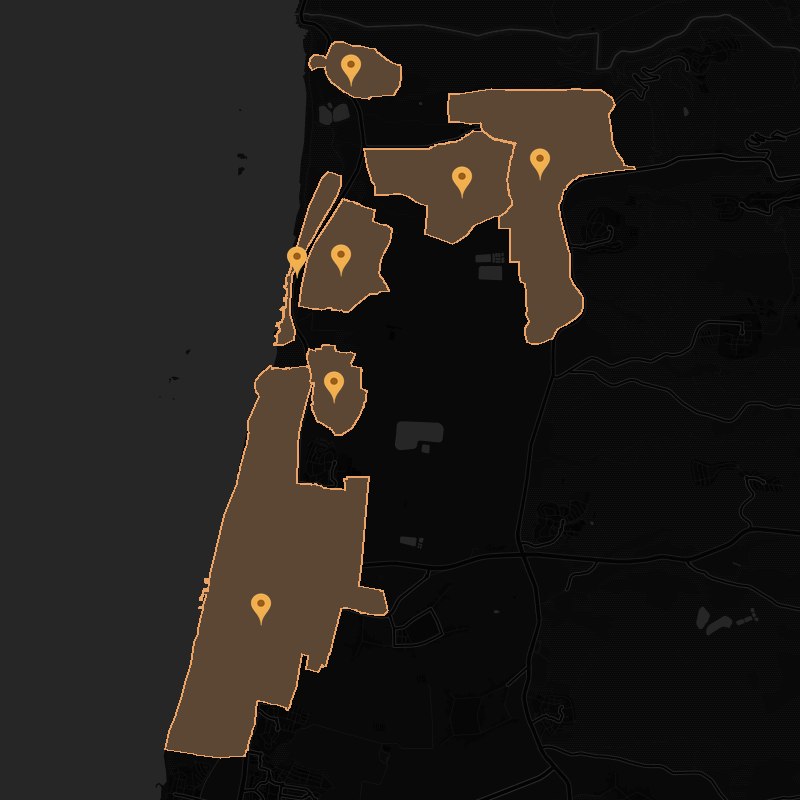
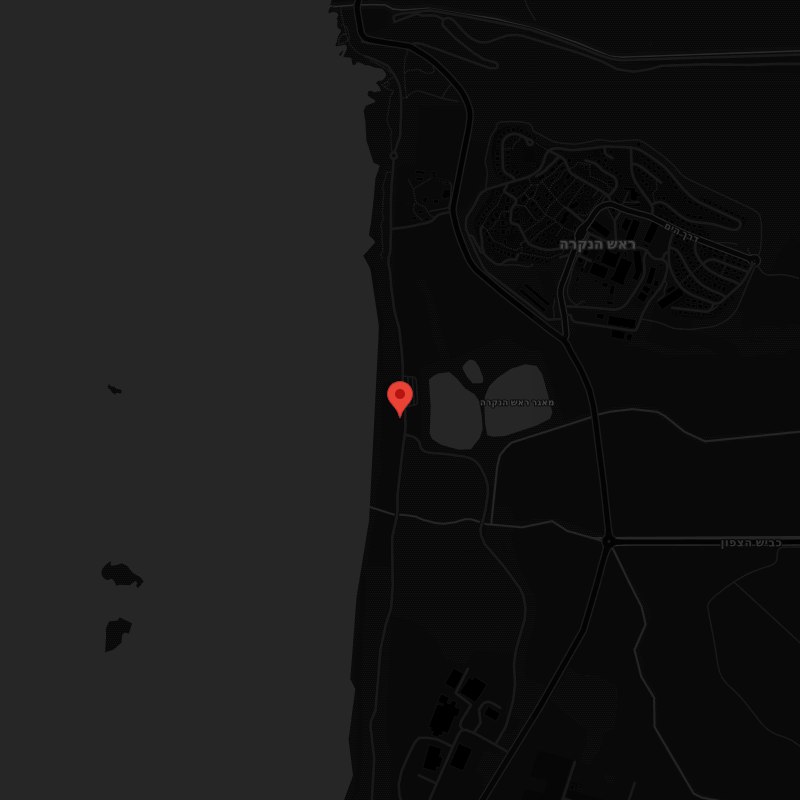
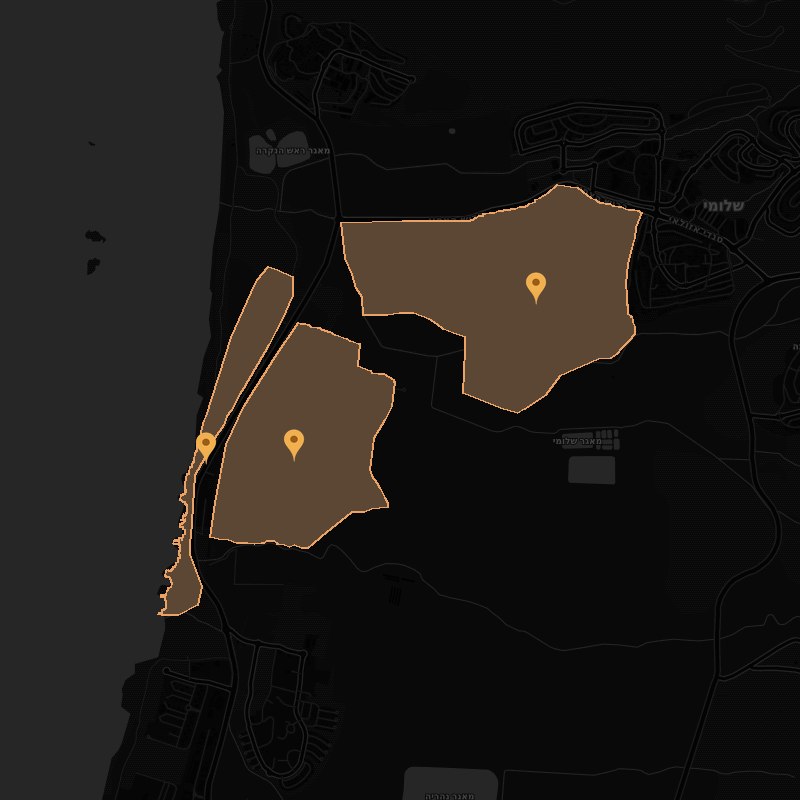
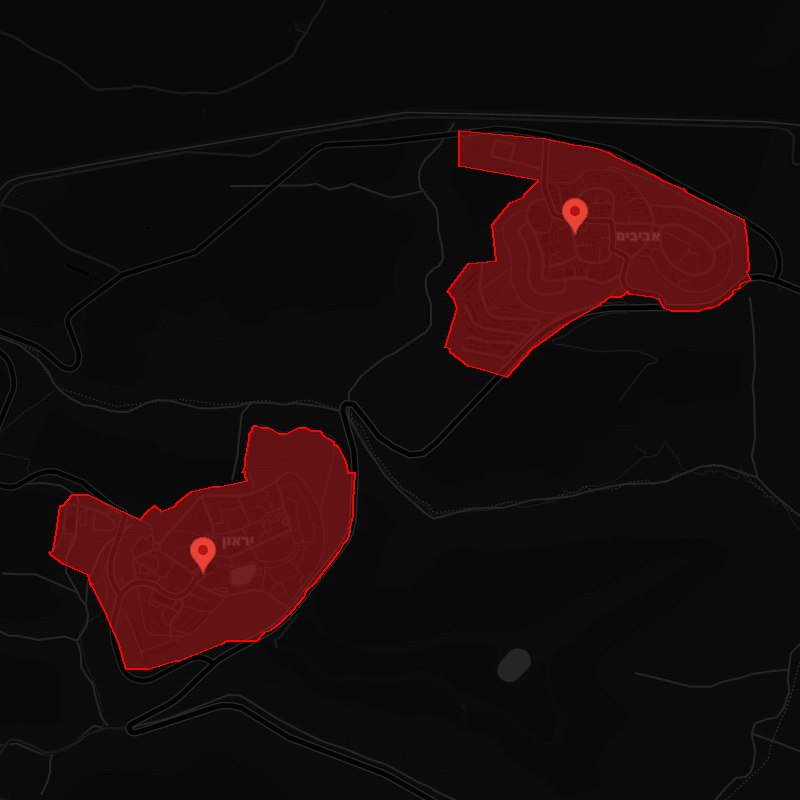
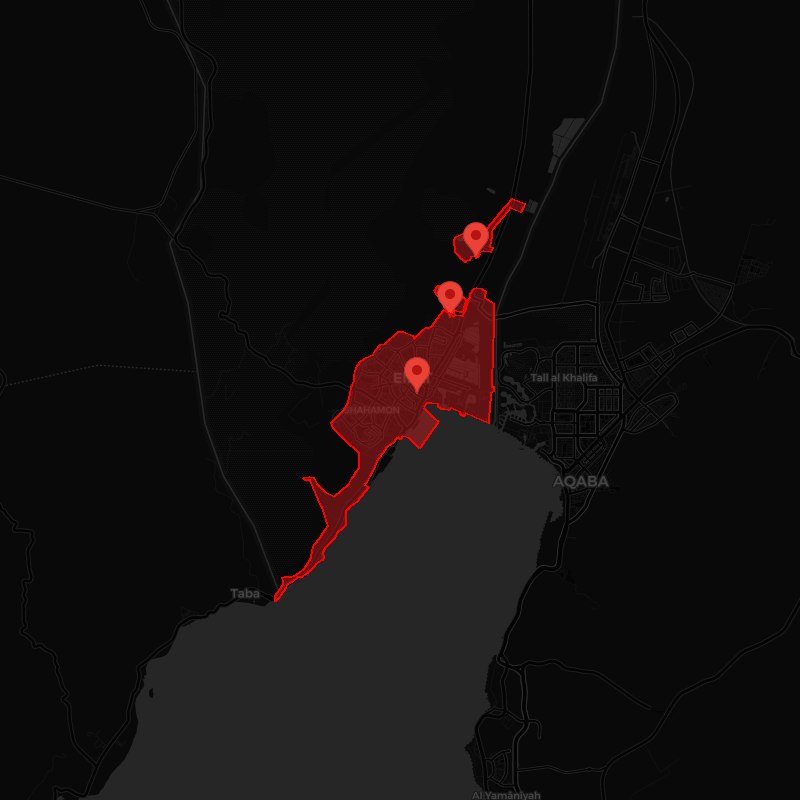
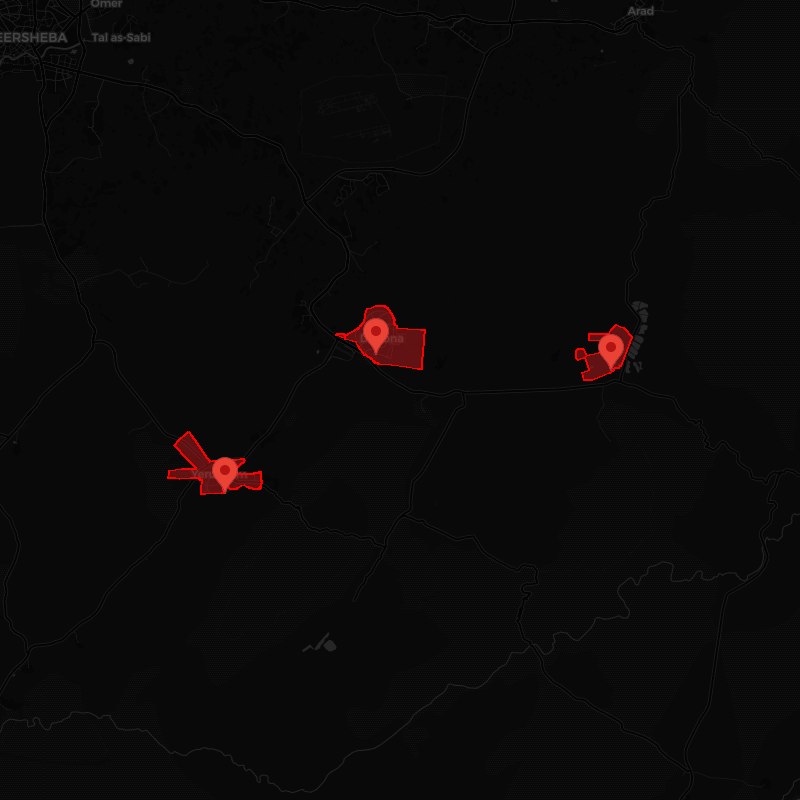
Throughout the day, the Israeli domestic alert system recorded dozens of rocket and missile warnings, covering locations from the northern border (e.g., Kiryat Shmona, Metulla) to the southern Negev (e.g., Dimona, Yeruham). While most alerts did not result in confirmed impacts, the volume reflects the heightened tension following the IRGC’s missile wave.
Representative alerts include:
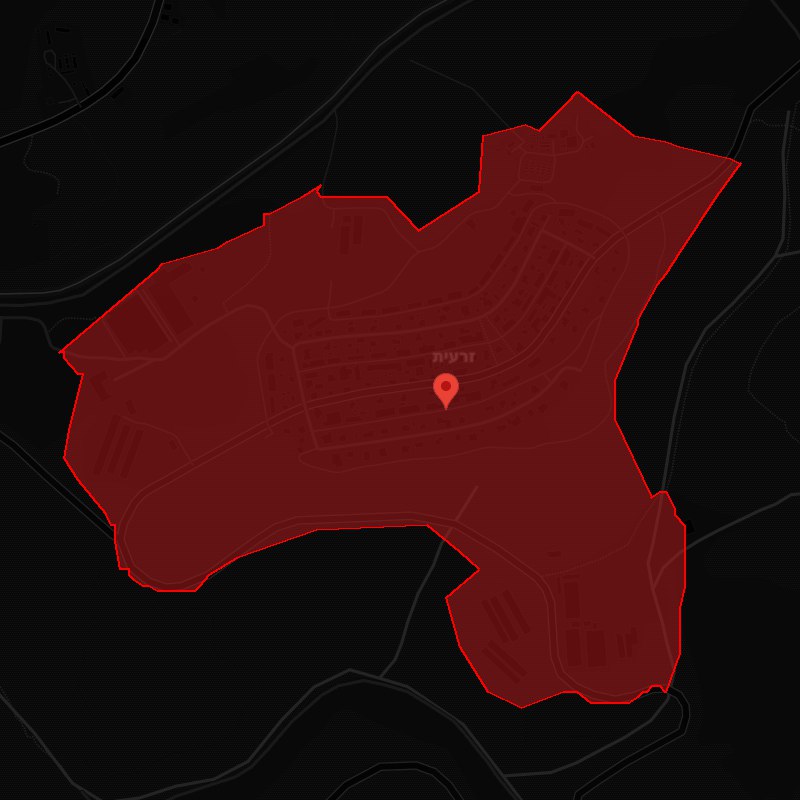
- 23:20:11 – Zarit confrontation line (RocketAlert)
- 22:24:04 – HaAmakim industrial zone (RocketAlert)
- 21:50:03 – Betzet Beach (RocketAlert)
Source: RocketAlert – 2026‑03‑23T23:20:11
Additional kinetic incidents
- Satellite imagery confirmed destruction of U.S. military housing at Saudi Arabia’s Prince Sultan base (22:57:46 UTC, GeoPWatch).
- U.S. Patriot and TPY‑75 radars were reported destroyed in Bahrain (22:55:39 UTC, GeoPWatch).
- Kuwaiti city Al Mutla experienced four explosions (22:03:17 UTC, BellumActaNews).
- Iranian drones were intercepted over Saudi Arabia’s Eastern Province (03:03:07 UTC, monitor_the_situation).
Source: GeoPWatch – 2026‑03‑23T22:57:46
Source: monitor_the_situation – 2026‑03‑23T03:03:07
Strategic implications
The coordinated missile‑drone wave demonstrates Iran’s capacity to conduct multi‑theater pressure operations, targeting U.S. forces, Israeli civilians and critical Gulf infrastructure simultaneously. The U.S. response—high‑altitude B‑52 strikes, naval escort planning and increased force deployments—indicates a willingness to counter‑escalate while avoiding direct ground confrontation.
Regional actors, notably Saudi Arabia and the United Arab Emirates, are reinforcing air‑defence postures, as evidenced by reported Patriot damage and successful interceptions. Israel’s extensive rocket alert network remains on high alert, reflecting the spill‑over risk from Iranian‑backed proxies.