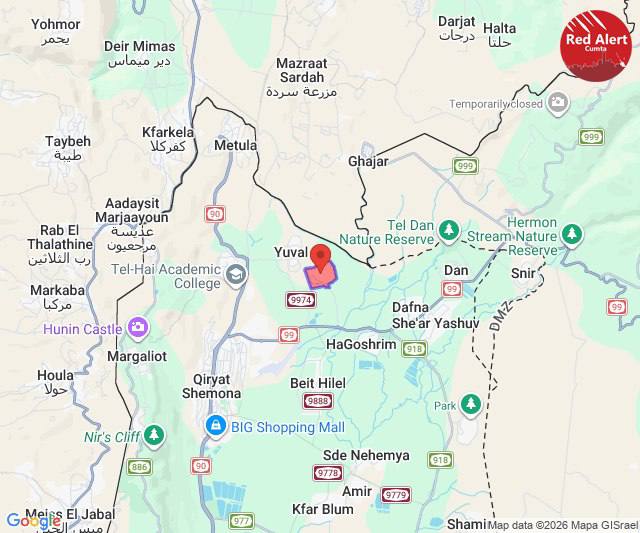
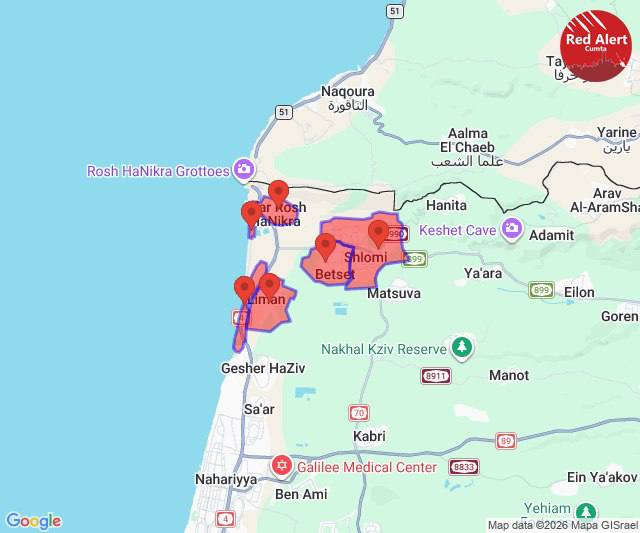
On March 23, 2026, a Hezbollah‑launched rocket struck a civilian bus in Kiryat Shmona, wounding two passengers, including a man in his 50s with a serious head injury. Magen David Adom confirmed the victim’s condition as moderate‑serious, highlighting the immediate human cost of cross‑border fire. The incident, reported by JPost, marks the day’s most severe kinetic event and underscores the persistent threat from Lebanese militant groups operating along Israel’s northern frontier.
Hezbollah Rocket Impact in Kiryat Shmona
The rocket’s shrapnel penetrated the bus’s side panel, injuring the two occupants before the vehicle continued to its destination. According to the source, the attack occurred at 13:56 local time, and emergency responders arrived within minutes.
"Two wounded after Hezbollah rocket shrapnel hits bus in Kiryat Shmona," JPost reported (https://www.jpost.com/israel-news/defense-news/article-890927).The incident illustrates the continued capability of Hezbollah to deliver unguided rockets that can reach deep into Israeli territory, despite Israel’s extensive air‑defense network.
Iranian Missile and Cluster Munition Strikes
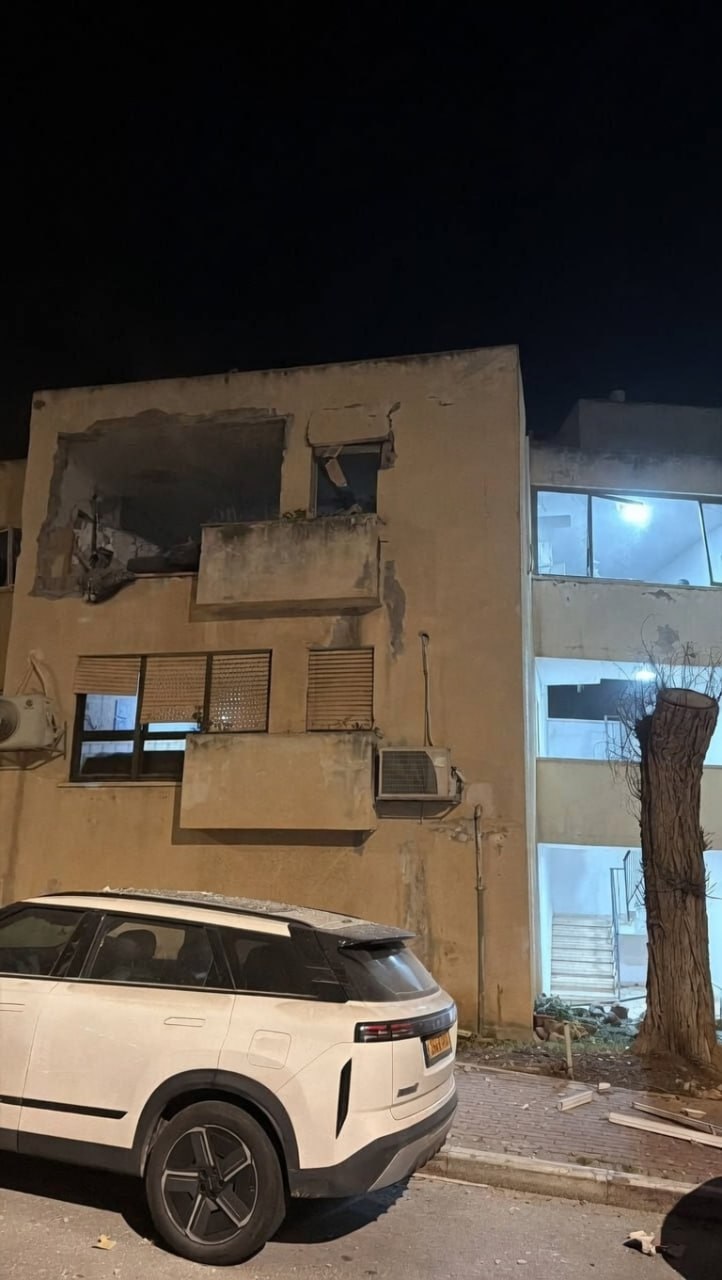
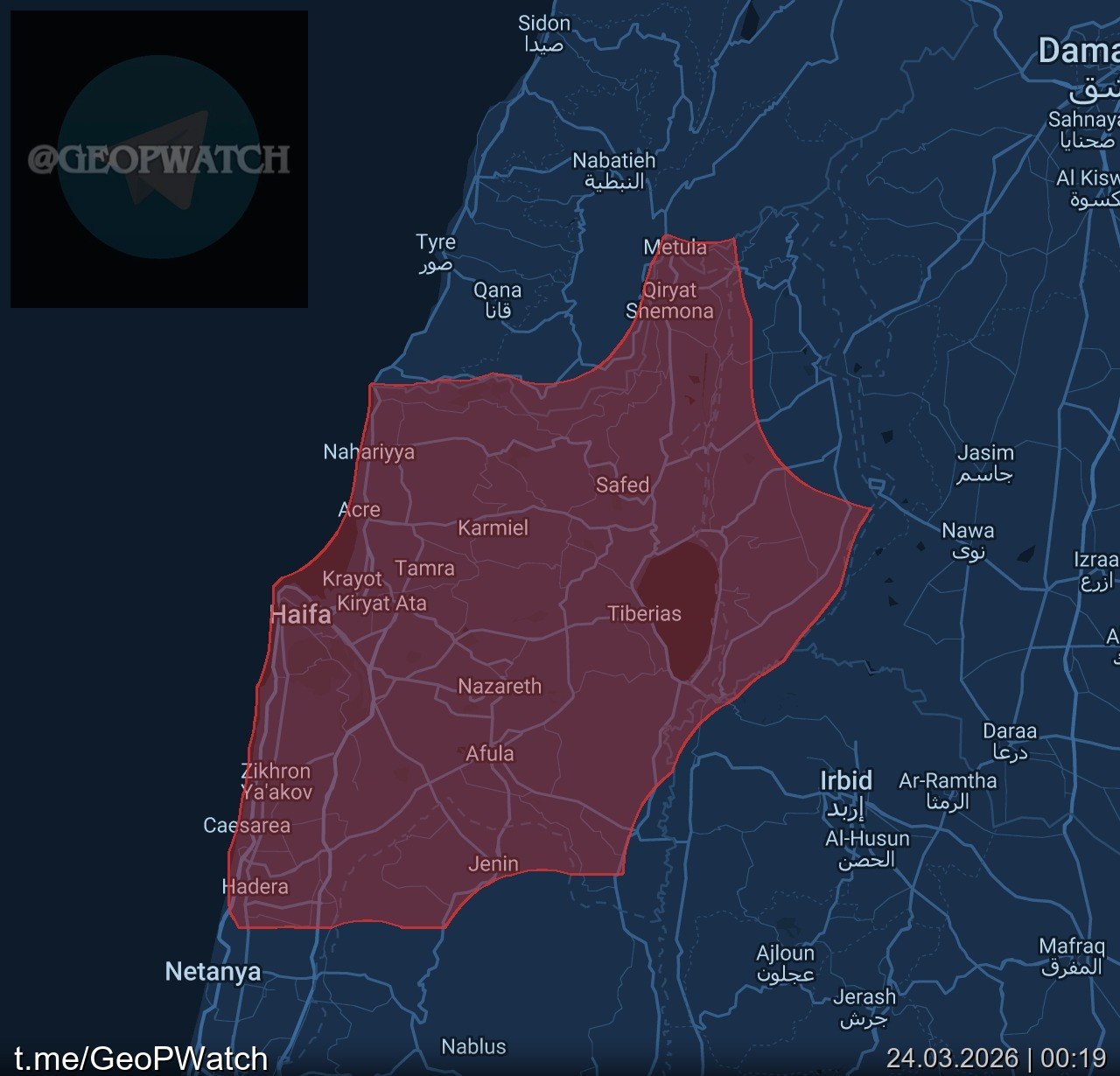
Within hours of the Kiryur Shmona attack, Iran escalated its campaign by launching a series of missiles and cluster munitions targeting multiple Israeli regions. At 04:31, a combined MIRV (multiple independently targetable reentry vehicle) ballistic missile was fired toward Tel Aviv, reportedly striking several points across the metropolitan area. The launch was documented by CIG_telegram and accompanied by video evidence (https://t.me/CIG_telegram/72074). Later, at 04:52, Iranian missiles were directed at northern Israel, as reported by rnintel (https://t.me/rnintel/57212). The same day, Iranian cluster munitions impacted parts of Haifa, causing additional civilian risk (rnintel, https://t.me/rnintel/57240). At 22:58, Iranian forces deployed cluster munitions in northern Haifa, a tactic designed to disperse sub‑munitions over a wide area, increasing the likelihood of civilian casualties.
Ballistic Missile Launches and Interception Failures
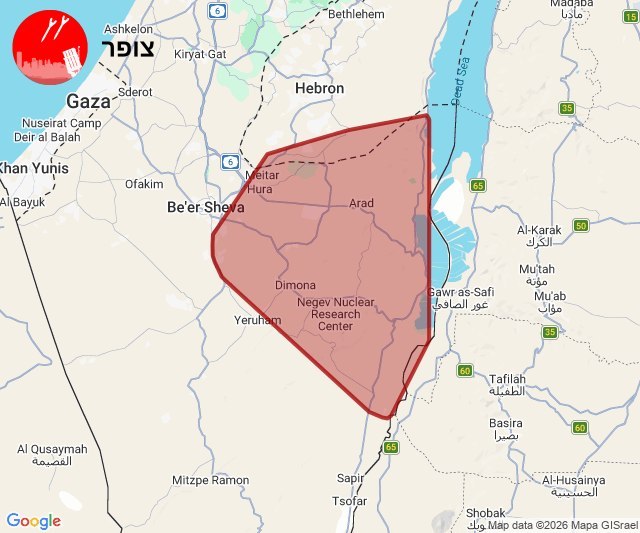
Iran’s Islamic Revolutionary Guard Corps (IRGC) conducted several ballistic missile launches targeting both northern and southern Israel. At 22:20, the IRGC announced ballistic missile launches aimed at northern Israel (GeoPWatch, https://t.me/GeoPWatch/29726). A separate launch at 19:25 targeted southern Israel, marking the first IRGC missile in an 11‑hour window (GeoPWatch, https://t.me/GeoPWatch/29723). The most consequential strike occurred at 15:27 in the city of Arad, where a ballistic missile penetrated Israel’s air‑defense shield after the David’s Sling system failed to intercept it (GeoPWatch, https://t.me/GeoPWatch/29702). David’s Sling, a medium‑range surface‑to‑air system, is designed to counter modern ballistic threats, and its failure raises questions about the efficacy of Israel’s layered defense architecture under high‑intensity attack.
Widespread Rocket Alerts Across Central and Southern Israel
Concurrent with the Iranian missile barrage, multiple rocket alerts were issued across central and southern Israel. RocketAlert recorded alerts at 08:09 and 23:07 covering towns such as Beit Shemesh, Srigim‑Li On, Kfar Zoharim, and a host of communities in the Lakhish and Shfelat Yehuda regions. Although no direct impacts were confirmed, the alerts prompted sheltering of tens of thousands of residents (RocketAlert, https://t.me/RocketAlert/24654; https://t.me/RocketAlert/24786). The sheer volume of alerts reflects a coordinated effort to saturate Israel’s early‑warning systems, stretching civil defense resources and maintaining a climate of uncertainty.
Domestic Incidents and Security Measures
In addition to external attacks, Israel experienced a serious domestic incident when an artillery shell fired from a training area in Mishgav Am detonated after striking a tree, sending fragments into a nearby vehicle and causing severe injuries (idkunim_il, https://t.me/idkunim_il/57288). The investigation indicated a breach of standard firing procedures, highlighting the risks inherent in live‑fire exercises near civilian zones. Meanwhile, Israeli security forces thwarted a planned suicide attack on Minister Ben Gvir in East Jerusalem. Police and Shin Bet arrested a 20‑year‑old suspect who had sought assistance from contacts in Yemen and Turkey, preventing potential loss of life (idkunim_il, https://t.me/idkunim_il/57281). These events illustrate the multi‑layered threat environment Israel faces, encompassing both external kinetic actions and internal security challenges.
Strategic Context and Operational Implications
The March 23 kinetic events demonstrate a synchronized escalation by Hezbollah and Iran, leveraging rockets, missiles, and cluster munitions to impose strategic pressure on Israel. The combination of high‑explosive and sub‑munition weapons, coupled with repeated rocket alerts, aims to strain Israel’s air‑defense systems, civil protection protocols, and medical response capacity. The failure of David’s Sling to intercept the Arad missile suggests a potential gap in mid‑course interception capabilities, prompting likely reassessment of missile‑defense postures. Simultaneously, the United States’ movement of at least 35 C‑17 flights to Israel and Jordan (CIG_telegram, https://t.me/CIG_telegram/72141) indicates preparation for a broader regional response, though the immediate focus remains on mitigating the kinetic threats posed on March 23.