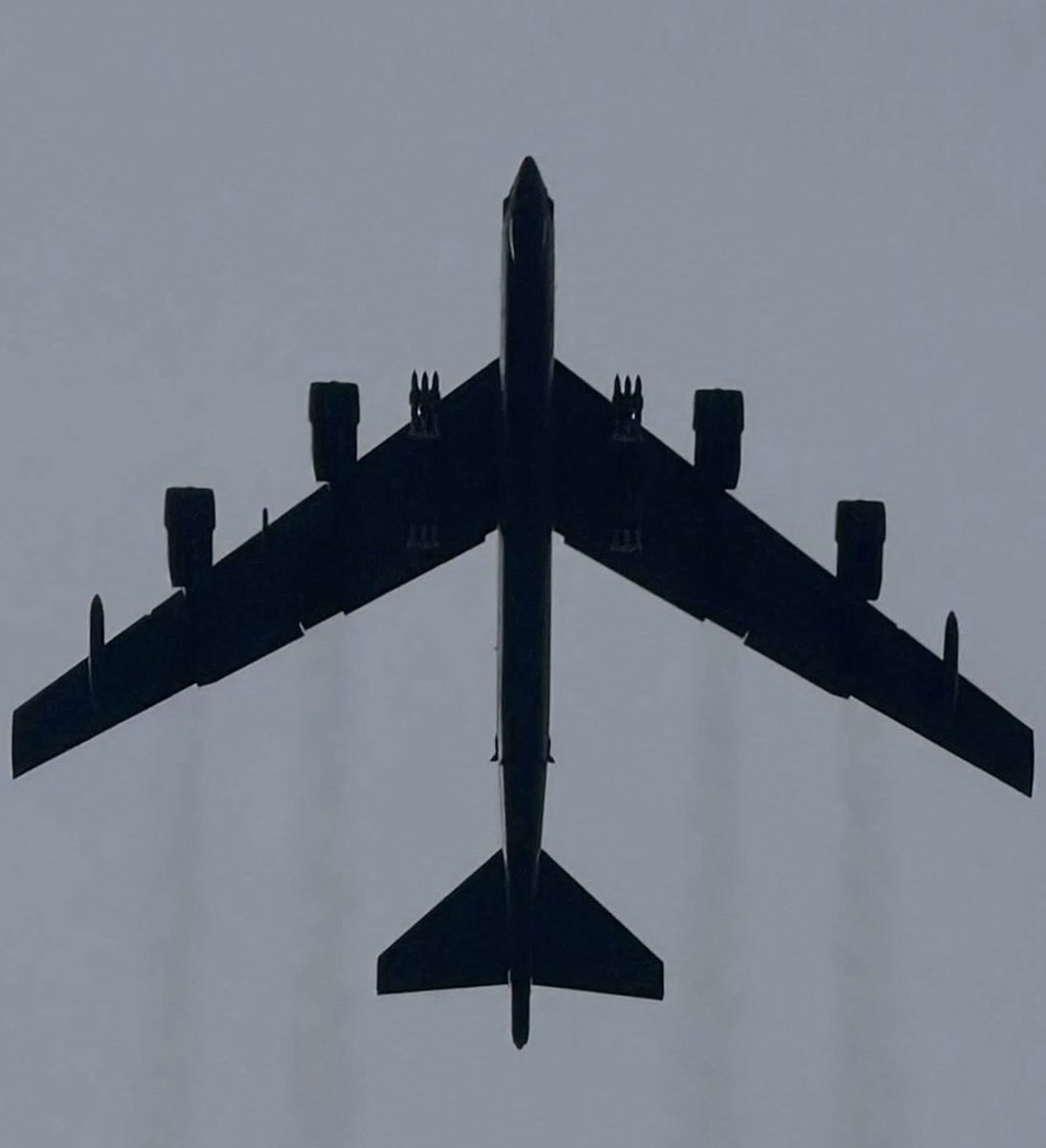
A United States Air Force B‑52 bomber carrying a full complement of Joint Air-to‑Surface Standoff Missile (JASSM) cruise missiles was reported en route to central Iran at 20:05 UTC on 22 March 2026, marking the most significant kinetic development of the day and indicating a potential escalation in the ongoing US‑Iran confrontation.
Source: monitor_the_situation.
Coordinated US‑Israeli Air Campaign
Throughout the 24‑hour period, a series of high‑intensity airstrikes were conducted by United States and Israeli forces targeting strategic Iranian sites. Notable actions included:
- Parsiyan, Hormozgan Province – US Naval Aviation struck the Javad Al‑A’emme missile site at 23:47 UTC. The operation employed precision missiles; casualty figures were not disclosed.
Source: BellumActaNews. - Bandar Abbas – At 23:27 UTC, US Naval Aviation missiles hit a radio tower and transmitter, disrupting communications in the southern port city.
Source: BellumActaNews. - Yazd – Multiple strikes were recorded at 21:08 UTC, described as joint Israeli‑US bombing of missile sites. Video evidence confirmed repeated attacks on the same installations.
Source: BellumActaNews. - East Tehran – At 21:00 UTC, US and Israeli aircraft targeted undisclosed military facilities in the eastern sector of the capital.
Source: BellumActaNews. - Shiraz – A strike at 20:43 UTC killed Iranian Revolutionary Guard commander Ibrahim Mortazavi, underscoring the precision of the operation.
Source: monitor_the_situation.
These coordinated attacks demonstrate a sustained kinetic pressure on Iran’s missile production, communications, and command infrastructure.
Naval and Maritime Operations
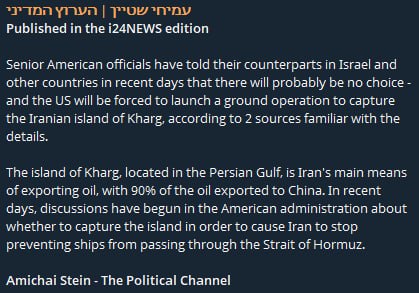
In parallel with aerial actions, the United States signaled intent to seize the strategic Kharg Island oil terminal. At 19:03 UTC, a Telegram post warned Israeli officials of the planned forcible takeover of the island, which handles the majority of Iran’s petroleum exports.
Source: monitor_the_situation.
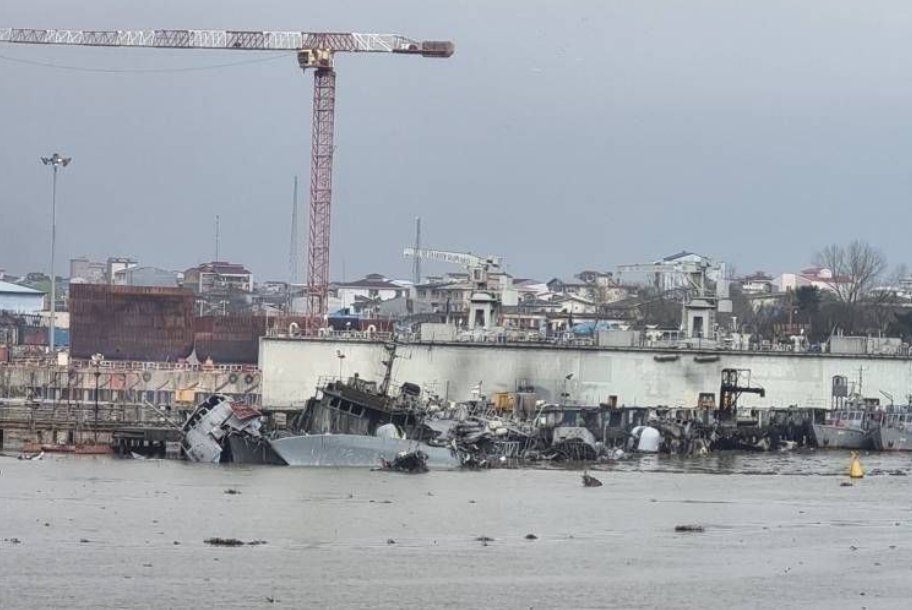
Additional maritime strikes included the destruction of the maritime traffic control tower and port operations building in Bandar Lengeh at 20:45 UTC, and the sinking of Iranian warships at the Caspian Sea base in Bandar Anzali at 17:17 UTC, attributed to Israeli forces.
Sources: monitor_the_situation, monitor_the_situation.
Ballistic Missile Launches and Rocket Fire
Iran’s Islamic Revolutionary Guard Corps (IRGC) launched a ballistic missile from Ferdis in Alborz Province at 21:04 UTC, reportedly aimed at Israel and Gulf states. The launch was captured on civilian video, highlighting Iran’s willingness to employ long‑range strike capabilities in response to the air campaign.
Source: BellumActaNews.
Conversely, Iranian forces attempted to engage US aircraft with surface‑to‑air missiles. At 16:17 UTC, an Iranian Army video showed a missile narrowly missing a US F‑15E Strike Eagle over the Iranian coast. Similar engagements were reported near Hormuz Island (09:56 UTC) and the Strait of Hormuz (11:55 UTC), though none resulted in a confirmed kill.
Sources: CIG_telegram, monitor_the_situation, intelslava.
Drone Interceptions and Air Defense Activity
Iran’s air defense network engaged multiple unmanned aerial systems (UAS). At 12:18 UTC, Iranian forces shot down a US MQ‑9 Reaper near Bushehr port; a similar incident was reported at 11:55 UTC in the Strait of Hormuz, where an anti‑aircraft missile missed a US F‑15E.
Sources: intelslava, intelslava.
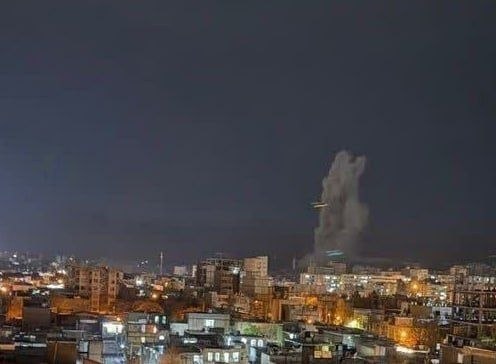
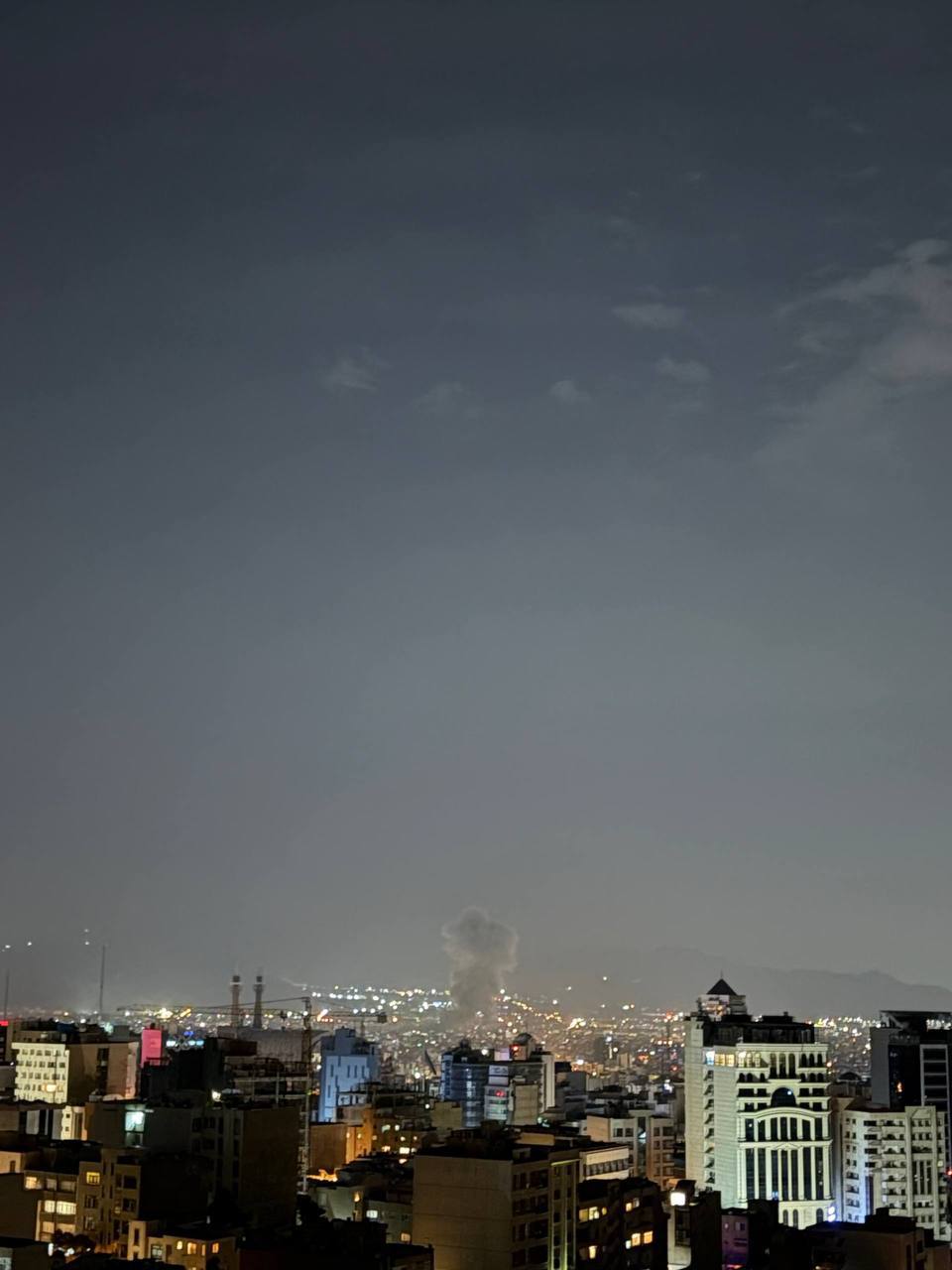
Visual confirmation of explosions in Tehran at 18:06 UTC, captured by local observers, indicated ongoing air defense engagements, though specific weapon systems were not identified.
Source: rnintel.
Ground Movement and Strategic Posturing
US officials discussed the potential necessity of a ground operation to seize Kharg Island, reflecting a possible shift from kinetic strikes to conventional occupation.
Source: CIG_telegram.
In addition, US forces bombed the Kuh‑E Barjamali ballistic missile assembly facility earlier in the day (10:36 UTC), causing significant structural damage as confirmed by CENTCOM satellite imagery.
Source: monitor_the_situation.
Overall Assessment
The events of 22 March 2026 represent an unprecedented concentration of kinetic actions against Iranian territory, involving air, sea, and missile domains. The deployment of a B‑52 bomber with JASSM cruise missiles signals a strategic escalation, while simultaneous Israeli strikes on command‑and‑control nodes, missile production facilities, and naval assets demonstrate a coordinated effort to degrade Iran’s warfighting capacity. Iranian retaliatory missile launches and anti‑aircraft engagements, though largely unsuccessful in inflicting damage on US platforms, illustrate a heightened risk of miscalculation.
"The B‑52 sortie marks a clear intent to project long‑range strike capability deep into Iranian airspace, raising the stakes for both sides," noted a senior analyst at the Center for Strategic and International Studies.
Continued monitoring of air defense alerts, maritime interdictions, and potential ground deployments will be essential to gauge the trajectory of the conflict.