Israel is reportedly weighing a large‑scale strike on Iran's central energy infrastructure near Tehran, according to a report from the Israeli Broadcasting Authority cited by the monitor_the_situation channel. The potential operation, discussed as the United States approaches a deadline set by President Trump, could target critical oil and gas facilities that supply both domestic and export markets, raising the risk of a broader disruption to global energy supplies.
Israel Considers Wide‑Scale Attack on Iranian Energy Facilities
The report, posted on 2026‑03‑22T19:21:15, does not specify the weapons to be used, but the strategic implication is clear: a direct Israeli strike on Iranian infrastructure would mark a significant escalation in the ongoing US‑Iran conflict.
Helicopter Crashes in Qatar Waters
Two separate incidents involving Qatar‑operated military helicopters resulted in multiple fatalities. The first crash, confirmed by GeoPWatch at 10:54:55, occurred in Qatar's territorial waters in the Persian Gulf, killing all seven occupants – four members of the Qatari Armed Forces, one Turkish pilot, and two Turkish Aselsan technicians. A second report from CIG_telegram at 10:30:19 described a similar crash during joint training, confirming six dead, including one Turkish soldier and two ASELSAN technicians. Both events underscore the heightened operational risk during joint exercises in contested maritime zones.
Iranian Missile and Drone Activity Targeting the Gulf and the UAE
Iranian state media Mehr warned of a potential blackout across the Middle East by targeting Persian Gulf power plants (monitor_the_situation, 10:10:39). Later that day, Iran launched a salvo of 25 attack drones and four ballistic missiles at Abu Dhabi, UAE (monitor_the_situation, 12:56:16). The UAE Ministry of Defense reported successful interception of the drones, but the attack demonstrates Iran's willingness to employ combined drone‑missile tactics against regional adversaries.
In a separate incident, a Patriot air‑defense system operated by Greek forces intercepted two Iranian ballistic missiles aimed at the SAMREF refinery in Yanbu, Saudi Arabia (BellumActaNews, 17:40:19), preventing potential damage to a key oil processing facility.
Israeli Airstrikes Across Multiple Fronts
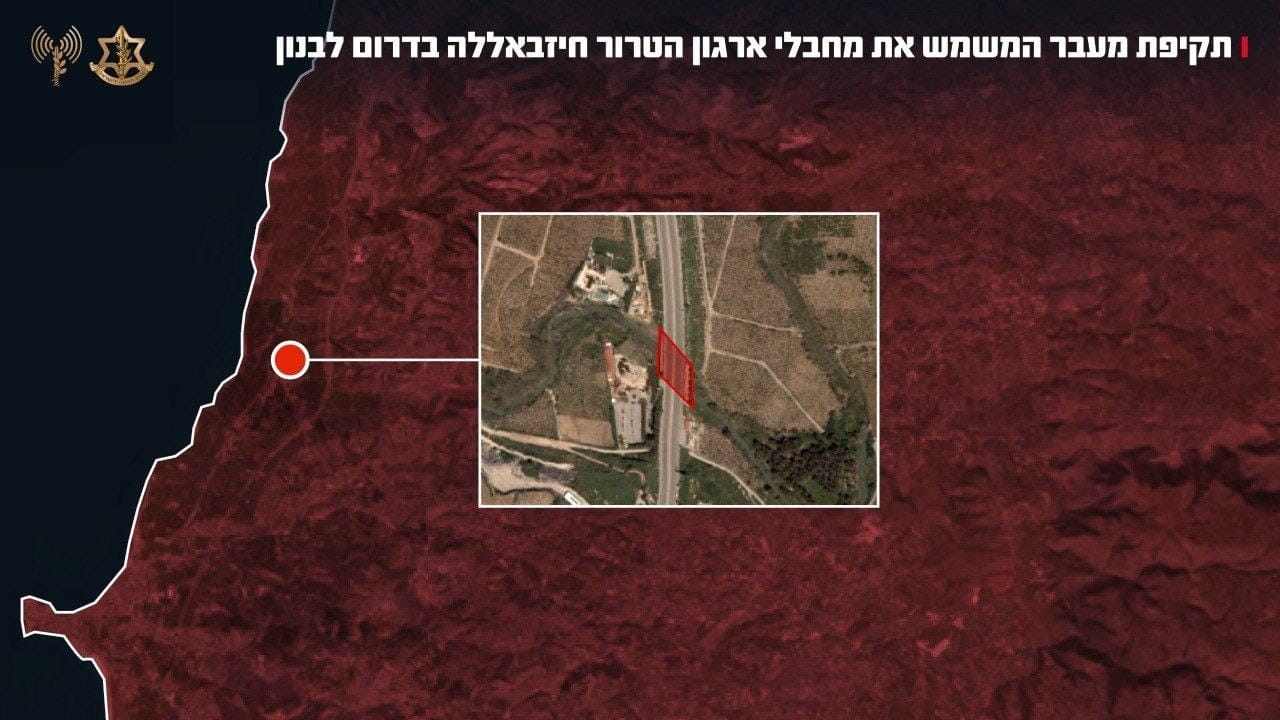
Israel conducted several airstrikes on the same day. In Mosul, Iraq, an airstrike targeted a Popular Mobilization Forces (PMF) base linked to Iran (monitor_the_situation, 22:11:27), with geolocation coordinates 36.386732, 43.12272. In Gaza City, the Israeli Air Force carried out a third strike within 90 minutes, breaching the Trump‑brokered ceasefire and adding four Palestinian deaths to the conflict tally (rnintel, 21:47:50). In southern Lebanon, the Israeli Air Force bombed the Qasmiya Bridge over the Litani River near Tyre to impede Hezbollah movements (BellumActaNews, 18:58:59). A second wave later hit the AlQasimiyeh bridge, further degrading Hezbollah logistics (GeoPWatch, 16:41:16).
US and Allied Missile Interceptions
The United States Navy intercepted an Iranian medium‑range ballistic missile over Al‑Asharah, Syria, using an SM‑3 exo‑atmospheric interceptor (monitor_the_situation, 18:45:15). In Baghdad, US forces shot down Iranian attack drones (monitor_the_situation, 20:05:57). Saudi Arabia reported downing an Iranian drone over its northern border (BellumActaNews, 23:07:53), while Bahrain claimed to have intercepted 246 UAVs and 145 missiles since the war began (idkunim_il, 09:12:46).
Widespread Rocket and UAV Alerts in Israel
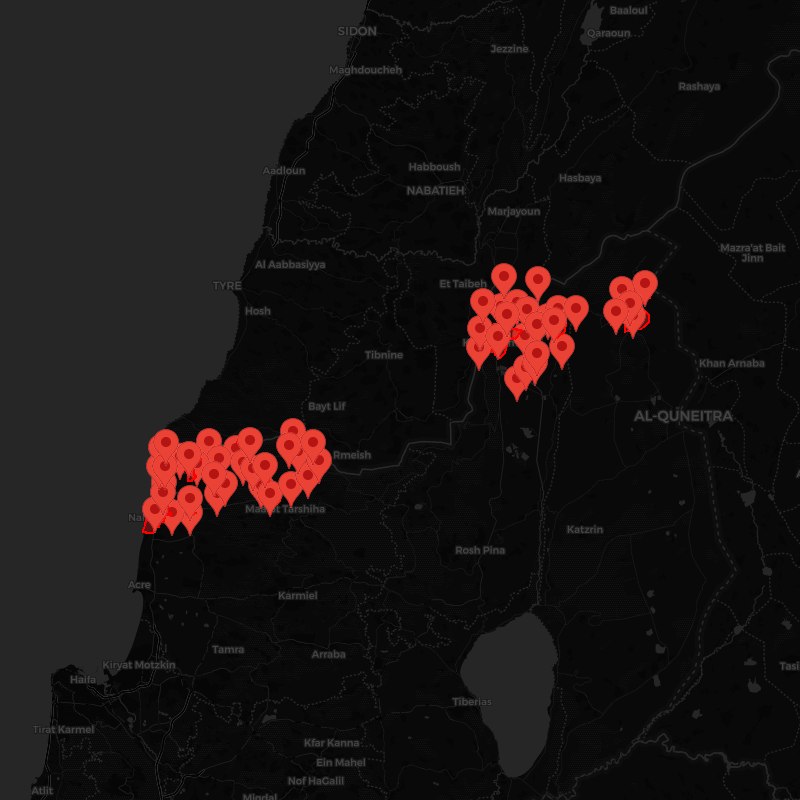
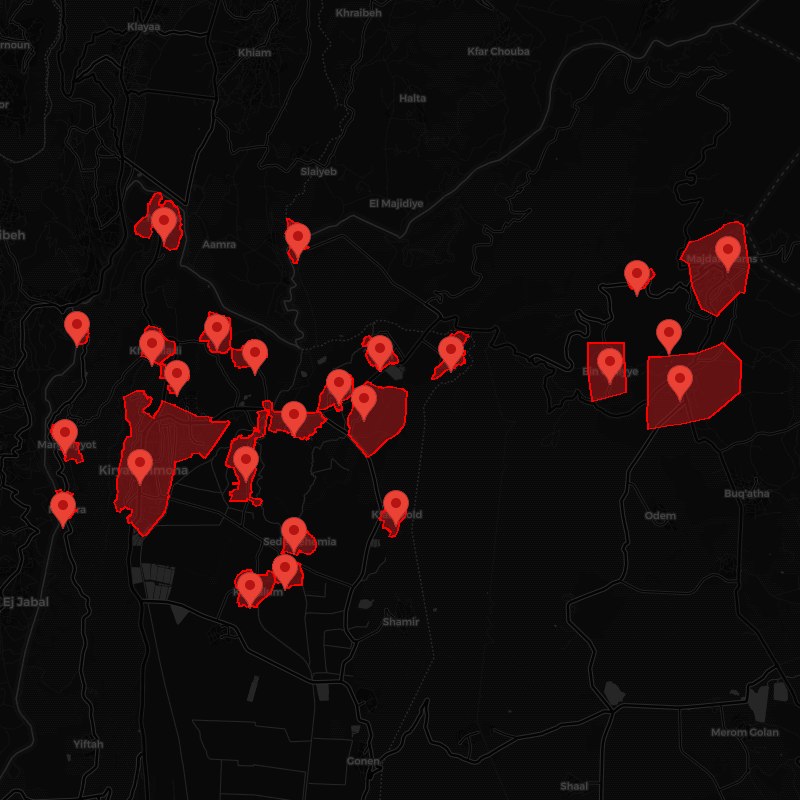
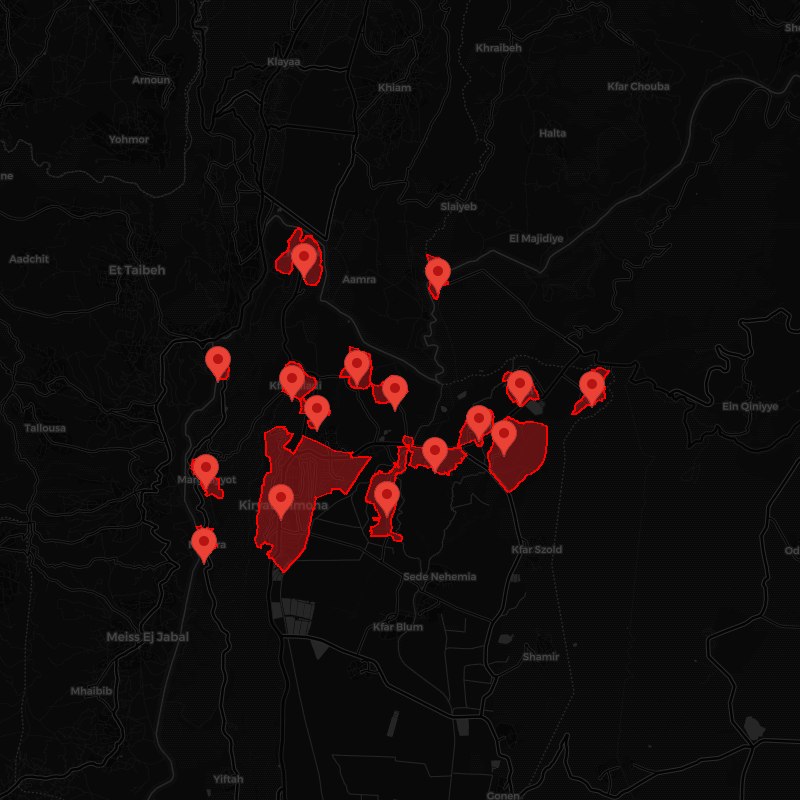
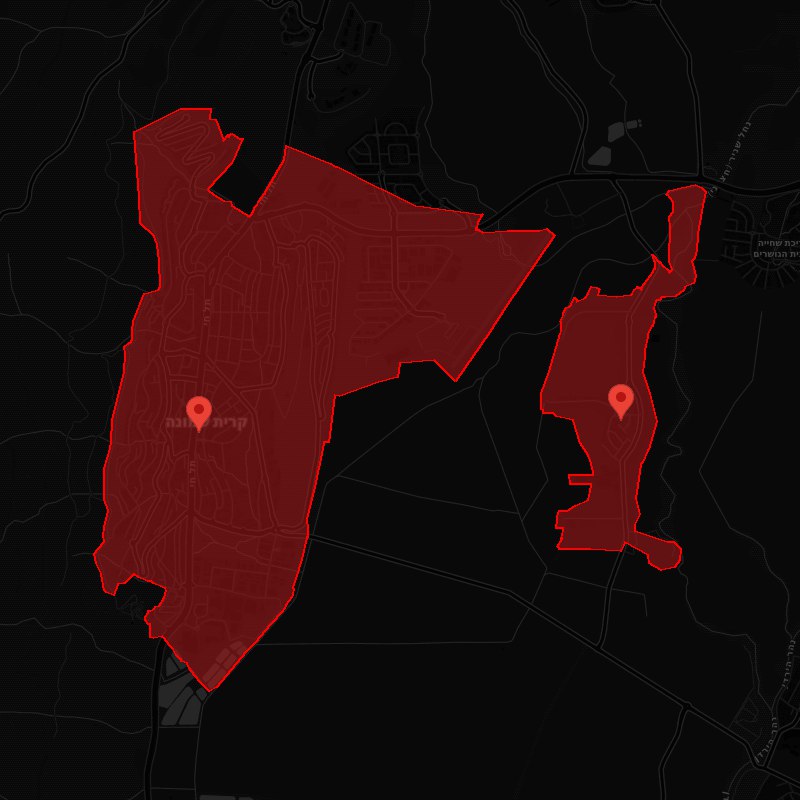
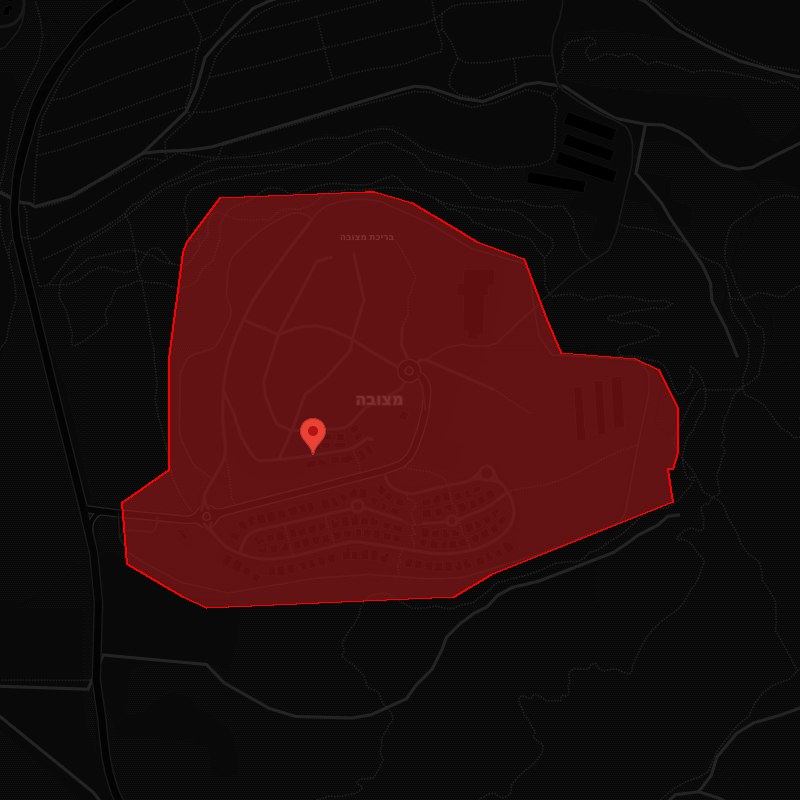
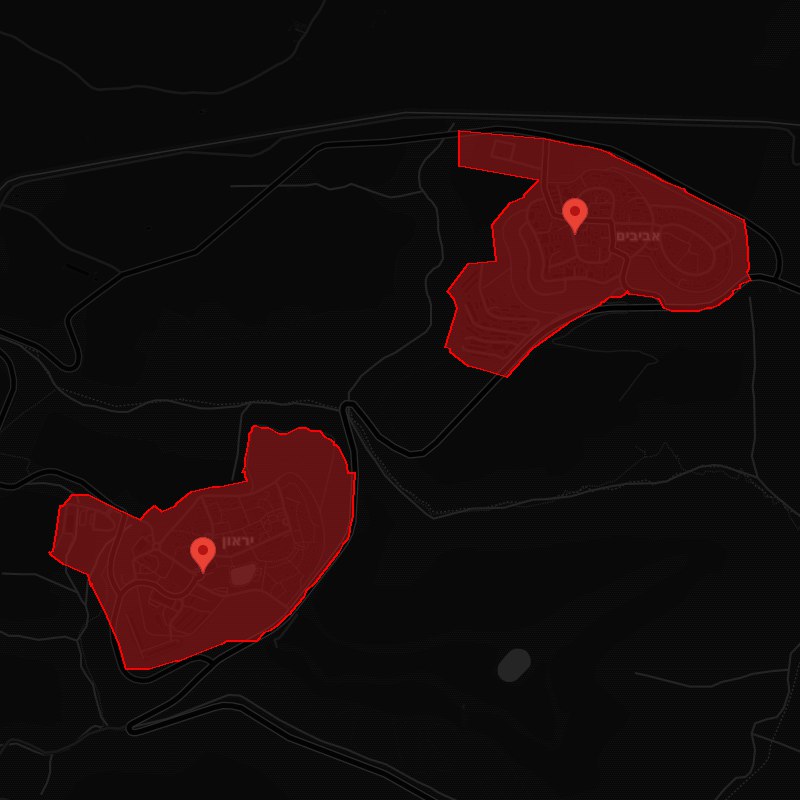
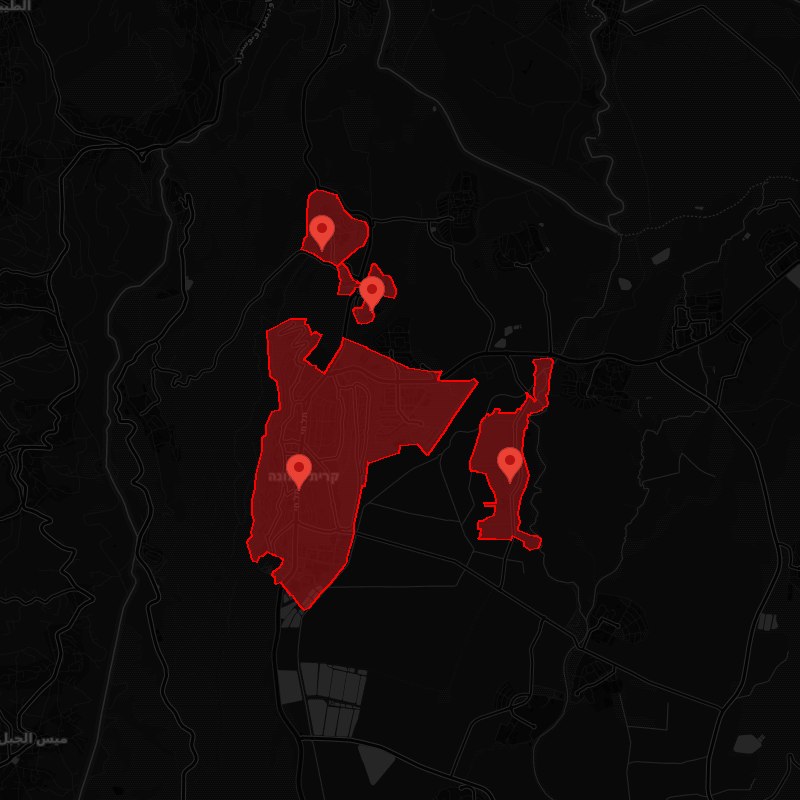
RocketAlert recorded dozens of rocket alerts across Israel’s northern and central regions throughout the day, including a record 63 operations claimed by Hezbollah on 2026‑03‑22T22:55:09 (GeoPWatch). Specific alerts listed locations such as Margaliot, Kiryat Shmona, and the Yir’on‑Aviv corridor. Hostile UAV alerts were also frequent, with Hezbollah reportedly shooting down an Israeli Hermes‑450 drone over Bint Jbeil using a Misagh‑1/D MANPAD (GeoPWatch, 17:54:52).
Humanitarian Incidents
A building collapse in Muscat, Oman, killed four children and injured three others (monitor_the_situation, 16:17:56). In an unrelated humanitarian evacuation, two injured individuals were moved under difficult conditions in an unspecified location (idkunim_il, 06:10:29). These events highlight the civilian toll amid broader kinetic activity.
Analytical Overview
The convergence of high‑profile military actions—ranging from potential Israeli strikes on Iranian energy assets to multiple helicopter crashes, missile interceptions, and intensive rocket fire—indicates a rapid escalation in kinetic engagements across the Middle East. The involvement of state actors (Israel, Iran, United States, Saudi Arabia, Greece) alongside non‑state groups (Hezbollah, Hamas, al‑Quds Brigades) creates a multi‑layered threat environment. Interception capabilities demonstrated by the US, Saudi, and Greek forces suggest that regional air‑defense networks are actively engaged, yet the sheer volume of alerts points to a saturation risk that could overwhelm existing systems.
Strategically, the reported Israeli contemplation of a strike on Tehran’s energy infrastructure signals a potential shift from proxy engagements to direct action against Iranian critical assets. If executed, such an operation would likely trigger reciprocal Iranian retaliation, as hinted by Mehr’s blackout warning and the documented missile launches toward Saudi and UAE targets.