On 22 March 2026 Israel experienced a cascade of kinetic events that stretched its defence apparatus from the northern kibbutz of Misgav to the central metropolis of Tel Aviv. The day began with a fatal shooting near Misgav that prompted an internal Israeli Defence Forces (IDF) investigation, and escalated into a coordinated Iranian missile barrage employing ballistic missiles and cluster munitions that struck multiple urban centres, causing extensive civilian casualties and exposing shortcomings in Israel’s layered air‑defence network.
Misgav civilian death triggers IDF probe
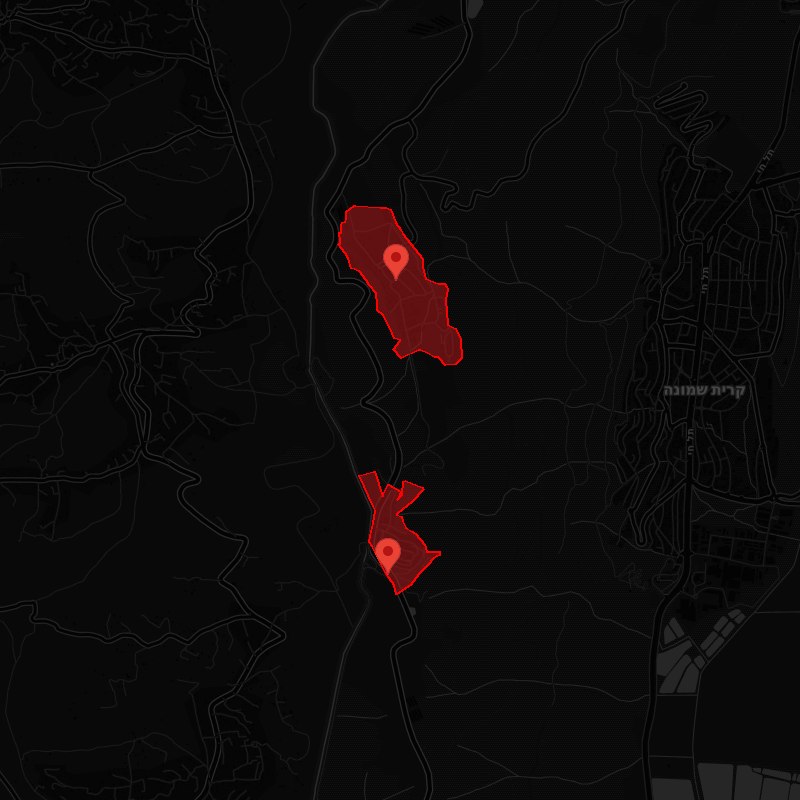
At 16:52 local time a civilian was killed near the kibbutz of Misgav in northern Israel. The Israeli Defence Forces announced an investigation, stating that “the possibility that the shooting was carried out by our forces is being examined.” The statement, posted by the open‑source channel rnintel, emphasized direct contact with the victim’s family and the kibbutz leadership.
“The IDF is conducting an investigation by all relevant parties following the shooting towards Misgav [northern Israel] this morning, which resulted in the death of an Israeli civilian. The possibility that the shooting was carried out by our forces is being examined.” – rnintel, 22 Mar 2026, https://t.me/rnintel/57166
Iranian missile barrage with cluster munitions
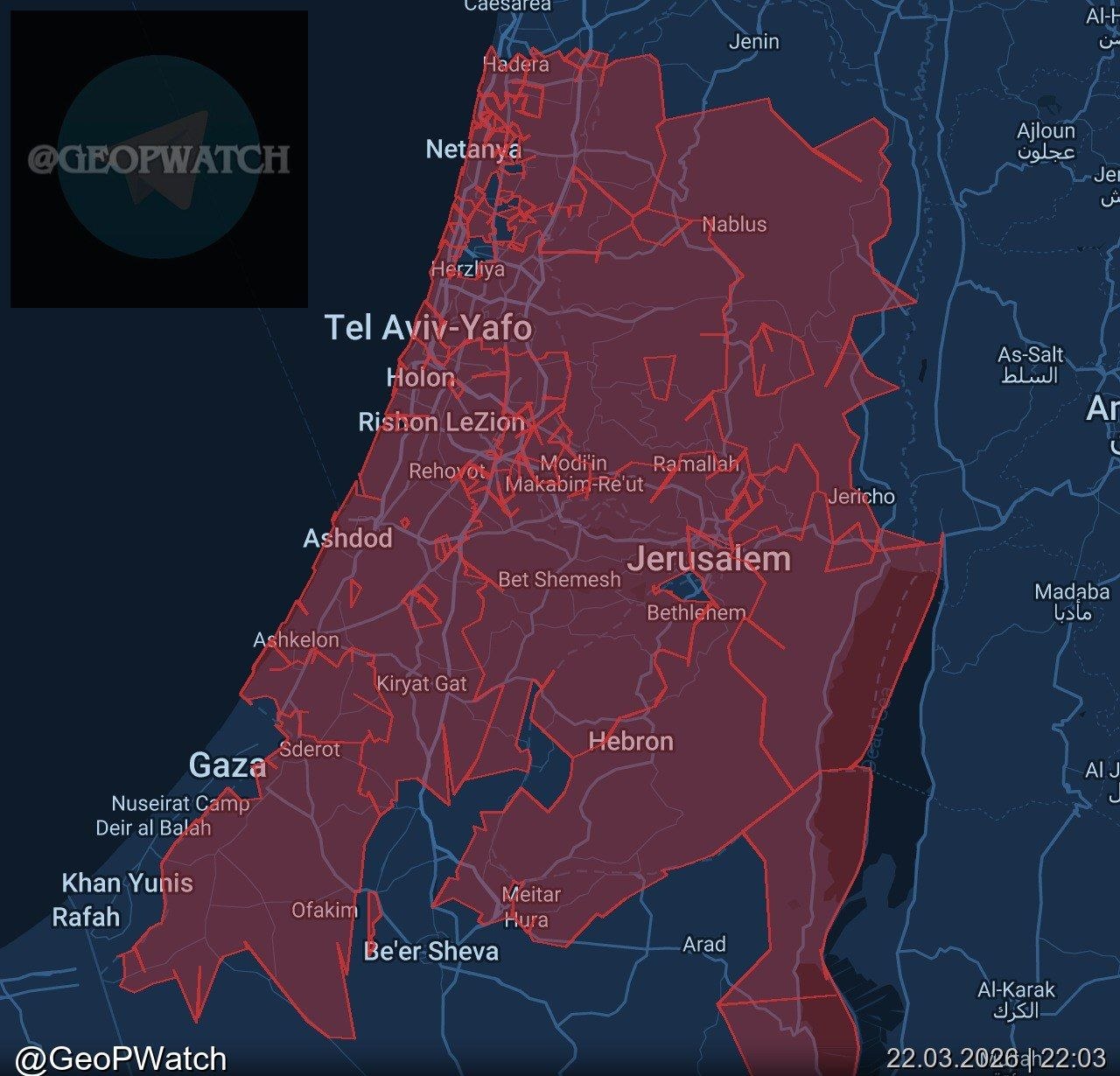
Within hours, a large‑scale missile attack launched from Iran struck five major cities—Tel Aviv, Holon, Ramat Gan, Petah Tikva and Bat Yam. The missiles were equipped with sub‑munitions and cluster warheads, producing widespread damage and “thousands of injuries” despite a high interception rate by Israel’s Iron Dome and Arrow systems. The source GeoPWatch reported that “virtually every Iranian ballistic missile wave” resulted in confirmed footage of injuries and debris. The attack generated intense domestic pressure on the Netanyahu government over air‑defence performance.
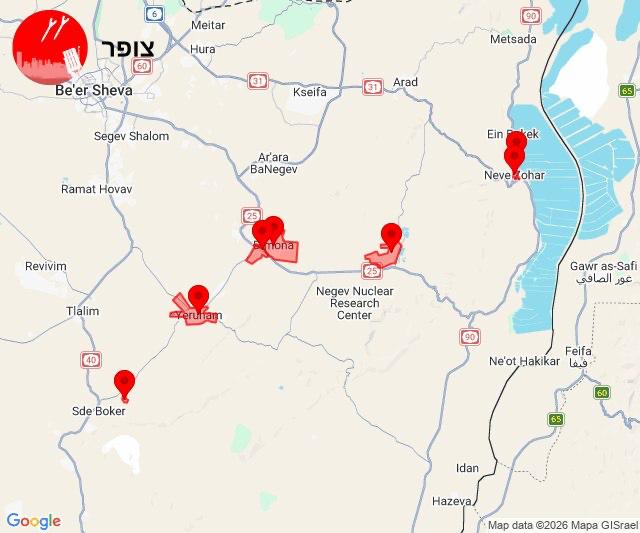
Specific casualty figures released later in the day indicated at least seven injuries in Tel Aviv from an earlier missile wave (GeoPWatch, 11:09 UTC) and a later report of 1 seriously injured and 14 moderately injured in Tel Aviv from cluster munitions (rnintel, 10:25 UTC). In Arad, a ballistic missile strike wounded at least 84 people, including 10 in serious condition (JPost). Dimona also suffered a direct missile impact, with the US‑operated THAAD system failing to intercept the projectile (JPost). The cumulative effect of the barrage was a surge in civilian casualties, property damage, and disruption of critical infrastructure, including a strike near the Dimona Nuclear Research Center that marked the first penetration of Israeli air‑defences around a nuclear site (Al Jazeera).
Hezbollah and Lebanese‑origin rockets compound the threat
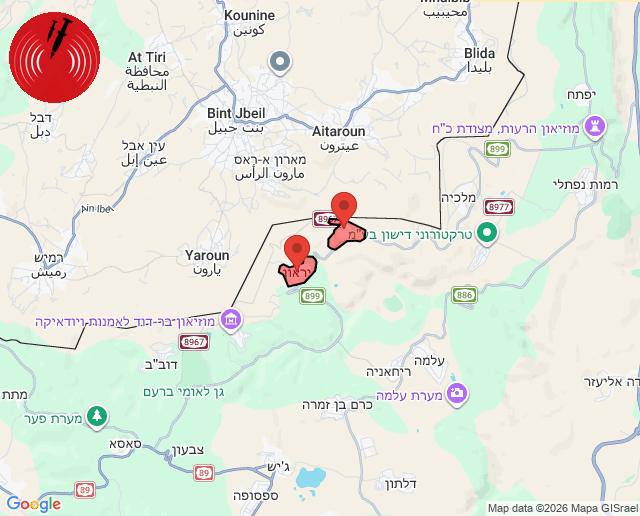
Simultaneously, Hezbollah launched rockets and drones from southern Lebanon, triggering simultaneous alerts across northern Israel (rnintel, 16:44 UTC). Additional rockets were reported from Lebanon towards a northern settlement, causing damage and casualties (idkunim_il, 06:33 UTC). These cross‑border attacks added to the volume of inbound projectiles and stretched the Home Front Command’s alert system, which issued red sirens for multiple Negev and Judea regions (idkunim_il, 06:12 UTC).
Air‑defence performance and THAAD reliability under scrutiny
The day’s events exposed gaps in Israel’s multi‑layered air‑defence architecture. While Iron Dome intercepted a majority of incoming rockets, several ballistic missiles and cluster munitions penetrated the shield, striking densely populated areas. The failure of the US‑operated THAAD system to intercept missiles over Arad and Dimona prompted criticism from Israeli military sources and raised questions about the system’s reliability in the region (JPost, 21:11 UTC; OSINTdefender, 12:23 UTC).
Civilian alerts, injuries and public response
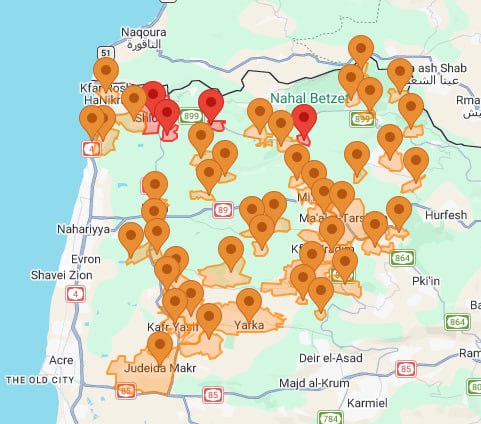
Throughout the day, sirens sounded across the country—from Tel Aviv to Beersheba and the Negev—prompting mass sheltering. Rocket alerts were issued by RocketAlert for multiple zones, including the Shfela lowlands, Eilat, and the northern border settlement (RocketAlert, various timestamps). In Mishgav, a MANPADS missile struck a vehicle, injuring a civilian (idkunim_il, 05:59 UTC). In Arad, a Chabad supporter described an explosion that damaged her apartment and injured occupants who were not in shelters (idkunim_il, 11:51 UTC).
Public frustration grew as media outlets reported on the high number of injuries and the perceived inadequacy of the response. The Israeli Health Ministry, cited by GeoPWatch, confirmed the scale of injuries but did not provide a consolidated casualty count for the entire barrage.
Strategic implications
The coordinated Iranian missile campaign, combined with Hezbollah’s cross‑border rocket fire, underscores a shift toward simultaneous multi‑theater kinetic operations against Israel. The events of 22 March demonstrate the challenges of defending a densely populated nation against a mix of ballistic missiles, cluster munitions, rockets, and drones launched from multiple vectors. The IDF’s internal investigation into the Misgav civilian death also highlights the heightened scrutiny of operational conduct amid intensified conflict.