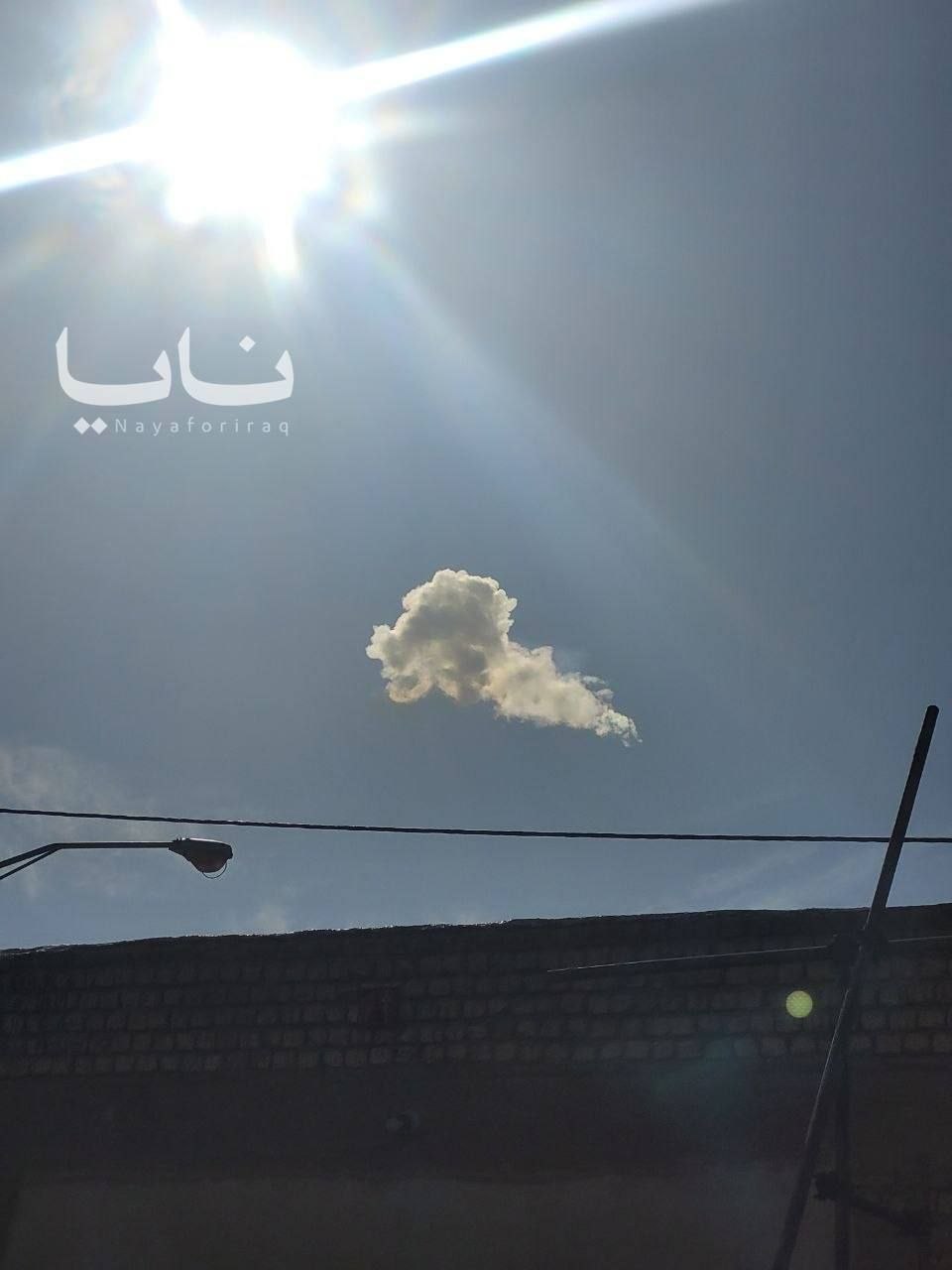
On 21 March 2026 Iran experienced the most intense day of kinetic violence recorded this year, beginning with a deadly checkpoint explosion in Tabriz that killed thirteen Basij militia members and wounded eighteen others. The attack, reported by BellumActaNews, was part of a broader pattern of high‑intensity strikes against regime forces in several provinces.
"13 Basij members killed in a single checkpoint attack in Tabriz, 18 more wounded. The strike in Qumaralek eliminated a large group in one blow, with casualties expected to rise," – BellumActaNews, 15:12 UTC.
Naval Escalation in the Strait of Hormuz
At 08:25 UTC Iran announced that it would escort Japanese oil tankers through the strategically vital Strait of Hormuz, a move that raises the risk of direct confrontation with United States naval forces operating in the waterway. The statement, circulated by the Telegram channel monitor_the_situation, underscores Tehran’s willingness to assert control over a chokepoint that has been the focus of a de‑facto naval blockade since the escalation of US‑Iran hostilities earlier this year.
Coordinated Missile and Airstrike Campaigns
Throughout the day, a series of high‑profile missile and air attacks struck key Iranian military and nuclear assets. In Yazd, a missile barrage targeted the Imam Hussein Command Center’s missile site, an installation described by BellumActaNews as the “home to the Imam Hussein Command Center.” The strike, attributed to a joint US‑Israel operation, employed precision‑guided missiles and was timed to coincide with other regional attacks.
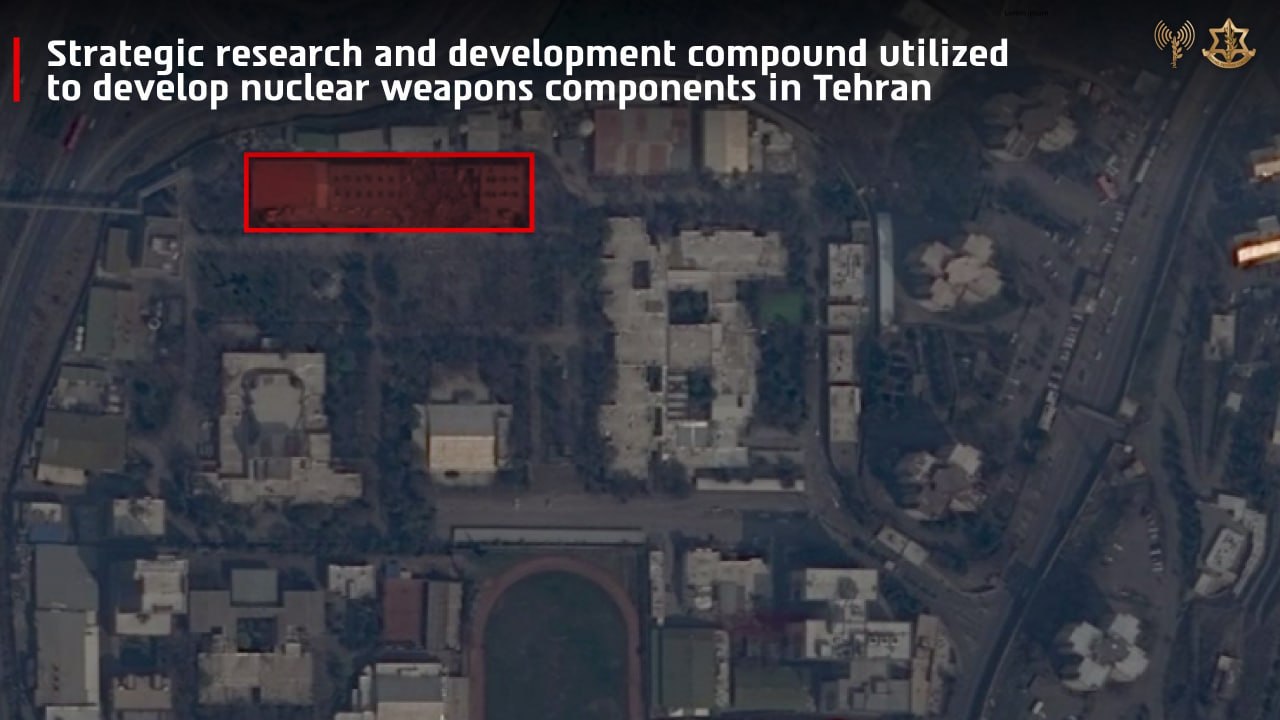
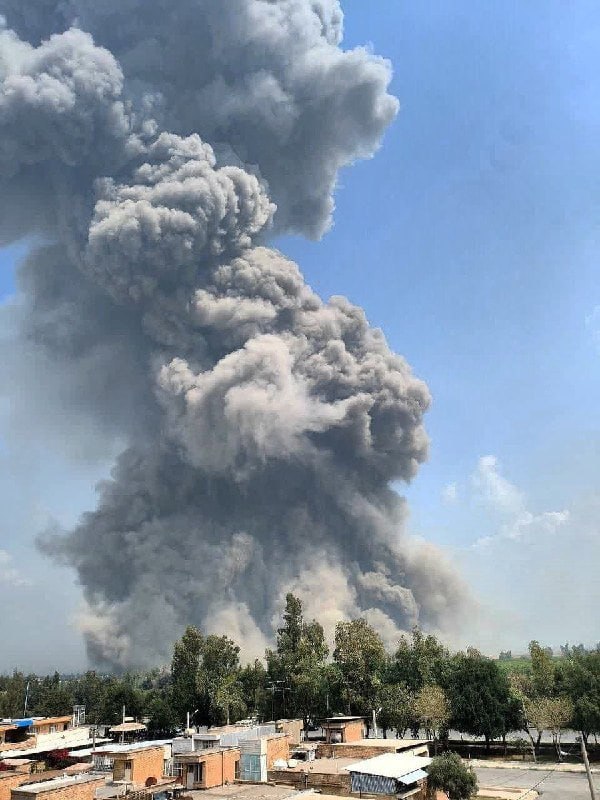
In Tehran, the Israeli Air Force conducted multiple airstrikes, including a hit on the Malek‑ashtar University research facility, which Iranian officials link to the nation’s nuclear weapons program. The same day, the United States claimed to have crippled Iranian coastal missile sites in the Strait of Hormuz using missile strikes, as reported by AlJazeera. These operations were complemented by a US‑Israeli strike on munition storage near Vahdati Air Base, captured on video by monitor_the_situation, showing massive smoke plumes and secondary explosions.
Further west, Israeli forces launched five rapid strikes on a ballistic missile infrastructure site in western Iran, reportedly killing several operatives. The Israeli Defense Forces (IDF) described the operation as a pre‑emptive measure to degrade Iran’s missile launch capability.
Assassinations of Senior IRGC Figures
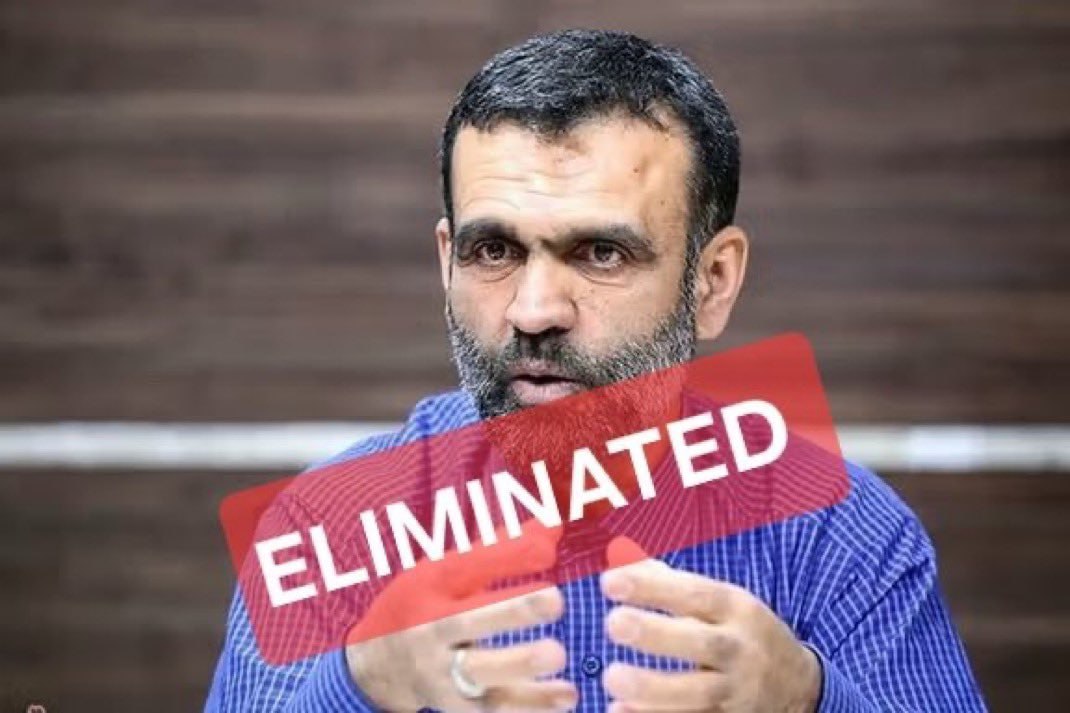
The day also saw two high‑profile targeted killings of Islamic Revolutionary Guard Corps (IRGC) leaders. In Ramsar, Mazandaran Province, IRGC General Saeed Aghajani, commander of the IRGC Aerospace Force’s drone unit, was eliminated in a strike on his residence. The attack followed a U.S. State Department announcement of a $10 million bounty for information leading to his capture, as detailed by BellumActaNews. Later, in Tabriz, Brigadier General Qadir Azarian, a senior IRGC commander, was killed in a separate strike, a development reported by monitor_the_situation and attributed to coordinated US‑Israeli action.
US Navy Tomahawk Activity Over Central Iran
Multiple video recordings released by BellumActaNews and monitor_the_situation documented U.S. Navy BGM‑109 Tomahawk cruise missiles flying at low altitude over Tehran and Isfahan. One clip captured six to seven missiles passing over the Behesht‑e Zahra cemetery at 10:28 a.m., followed by reports of an explosion at a nearby air force base. The presence of Tomahawk missiles deep inside Iranian airspace signals a significant escalation in long‑range strike capability.
Additional Airstrikes on Strategic Facilities
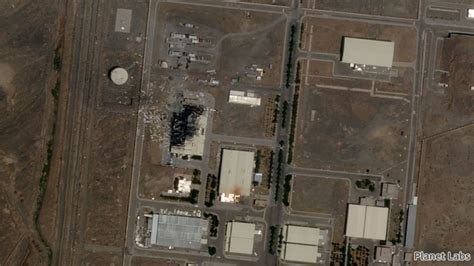
Other notable attacks included a U.S. bunker‑busting strike on the Natanz nuclear enrichment facility, a target repeatedly hit since 2025. The operation, described by OSINTdefender, employed “bunker buster” bombs to penetrate hardened structures. Parallel Israeli strikes ignited smoke over the South Pars gas field in Bushehr Province, as shown in satellite imagery shared by CIG_telegram. In addition, U.S. forces bombed an ammunition depot in Andimeshk, Khuzestan Province, and targeted missile storage sites in the same province, further degrading Iran’s conventional warfighting capacity.
Air Defense Interceptions
Iran’s air defense systems reported several interceptions. At 15:11 UTC, Iranian forces claimed to have shot down an unidentified aircraft—potentially an F‑16—over Isfahan. Earlier, at 12:16 UTC, the IRGC announced the downing of an Israeli F‑16 over central Iran, marking the third such claim of the day. These interceptions, reported by intelslava, illustrate the heightened aerial contest between Iran and its adversaries.
Operational Assessment
The concentration of kinetic events on 21 March demonstrates a coordinated, multi‑theater campaign aimed at degrading Iran’s conventional and strategic capabilities. The use of diverse weapon systems—missiles, bunker‑busting bombs, Tomahawk cruise missiles, and precision airstrikes—highlights the technical sophistication of the actors involved. Casualty figures remain incomplete for many strikes, but the confirmed deaths of 13 Basij members, two senior IRGC generals, and numerous missile‑site operatives indicate a significant human cost.
While Iran has responded with statements of resilience and promises of retaliation, the immediate operational impact includes disrupted logistics at key air bases, temporary loss of missile‑launch capacity, and heightened risk to commercial navigation in the Strait of Hormuz. The escalation underscores the potential for further kinetic exchanges, especially as both the United States and Israel continue to project power deep within Iranian territory.