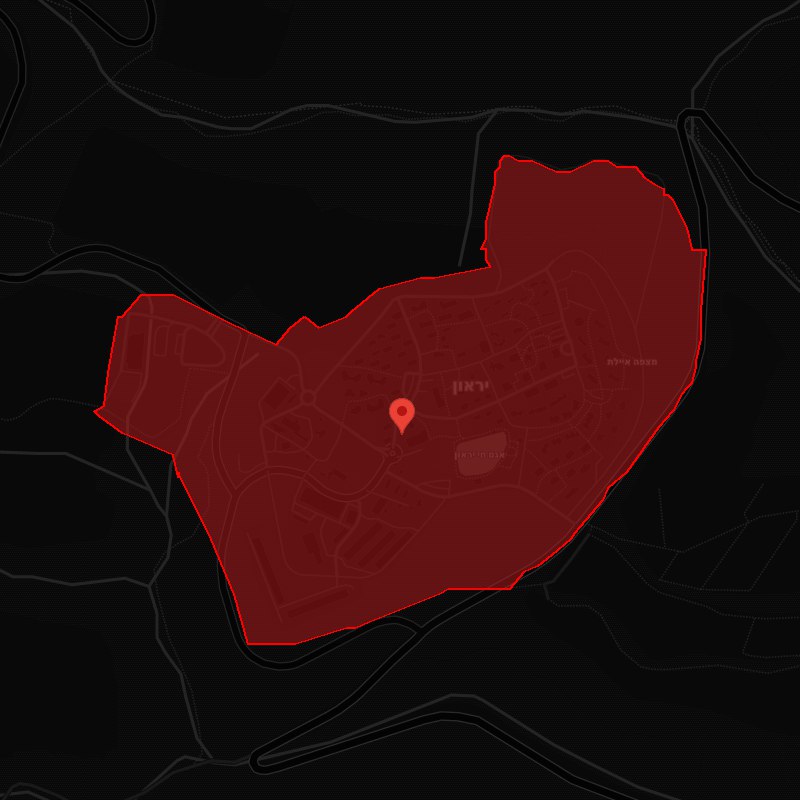
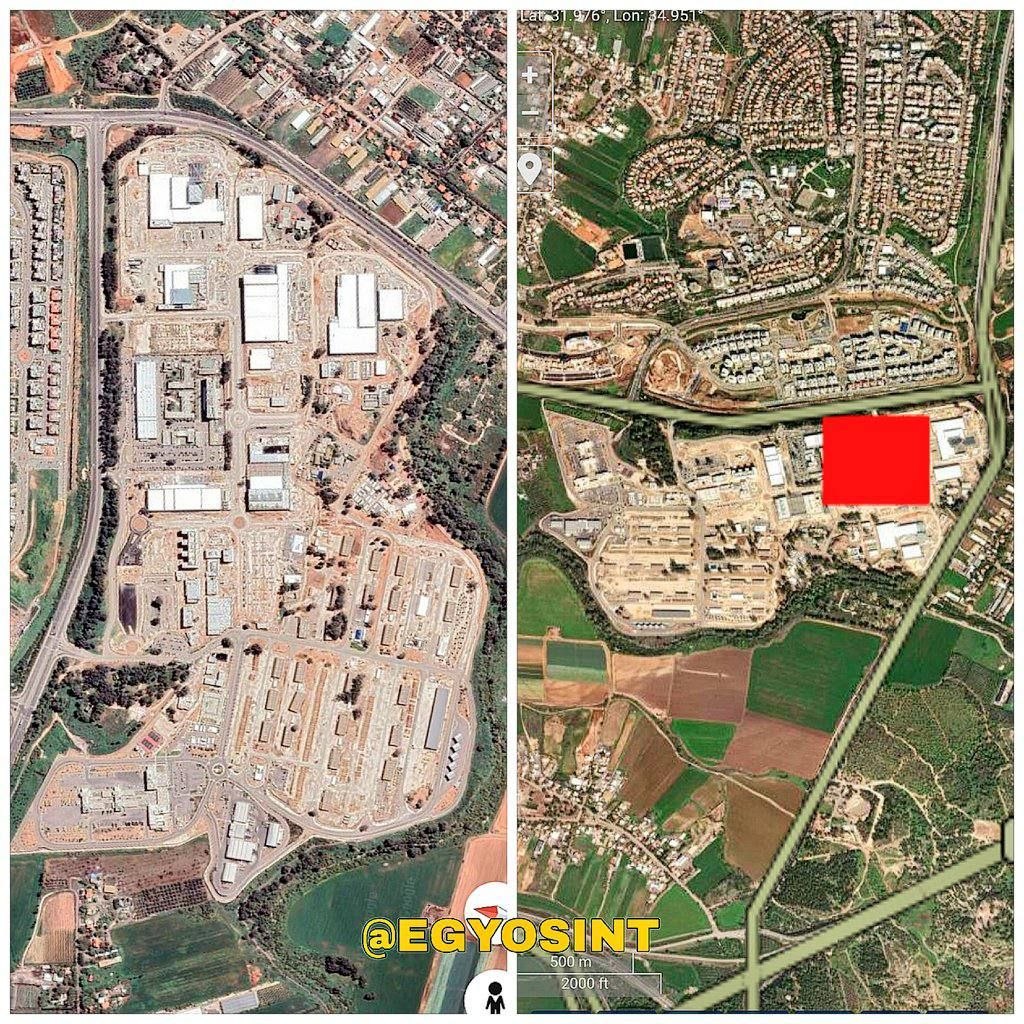
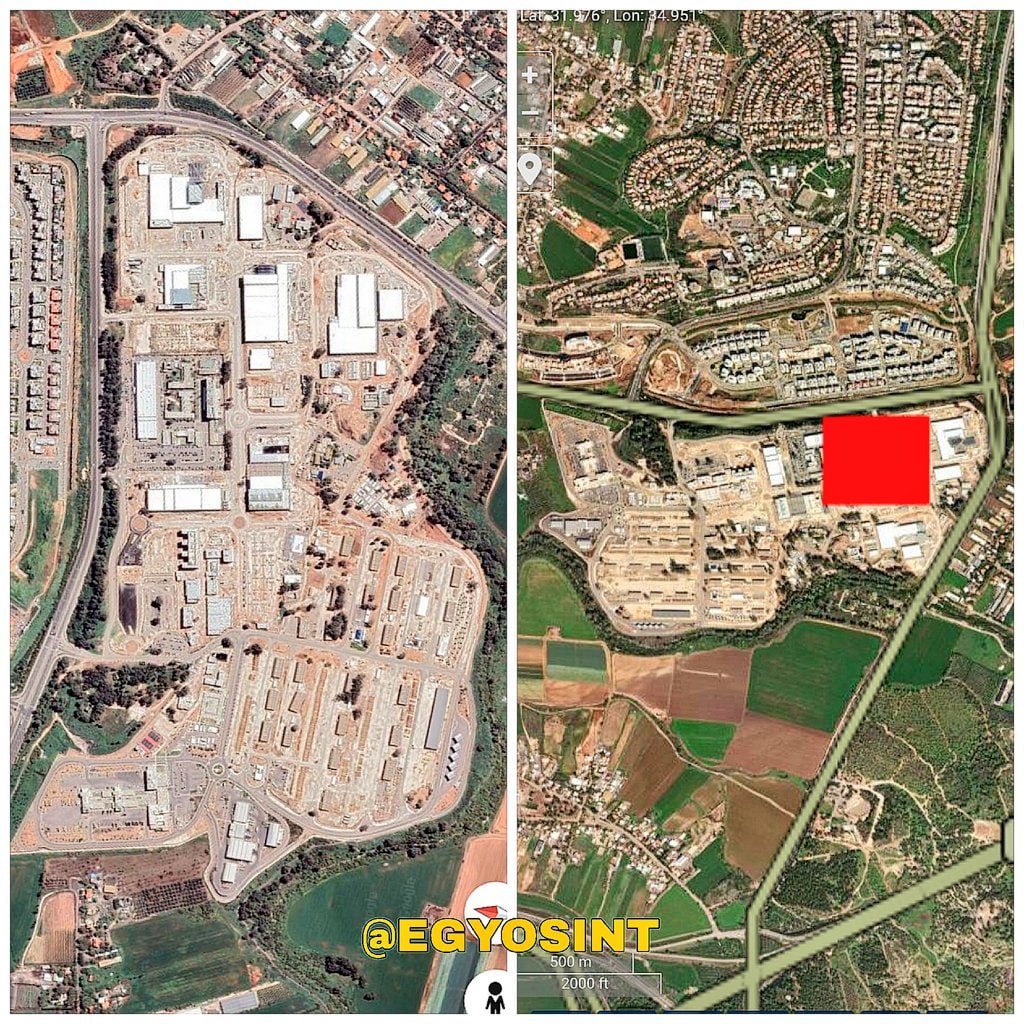
On 20 March 2026, Israel experienced a surge of kinetic attacks that spanned its southern, central and northern regions. The most consequential event was the launch of two Iranian ballistic missiles that struck the Negev region and the Ben‑Am military base, igniting fires and prompting a nationwide missile alert.
Iranian ballistic missile strikes
According to rnintel (source), two Iranian ballistic missiles impacted the Negev region at 23:26 UTC, while a separate missile hit the Ben‑Am base at 20:15 UTC, setting off a fire at the 6920th Transport Battalion’s storage facility (intelslava source). No casualty figures were released, but the strikes caused material damage to a key logistics hub and prompted the Israel Defense Forces (IDF) to activate fire‑suppression teams.
"The data from the NASA FIRMS platform indicate a fire on the territory of the Israeli military base Ben‑Am after a strike by an Iranian ballistic missile." – intelslava
Additional missile activity was reported later in the evening, with Iranian warheads falling on central Israel at 23:09 UTC (rnintel) and a missile landing in the Mediterranean Sea off the Sharon coast at 15:42 UTC (BellumActaNews).
Hezbollah rocket barrages
Hezbollah launched multiple rocket salvos targeting northern Israel throughout the day. The first documented salvo occurred at 12:00 UTC, with rockets intercepted by Israeli air defenses but debris falling in several central locations (rnintel). Subsequent attacks were recorded at 12:08 UTC (rnintel) and again at 15:01 UTC (rnintel), prompting red alerts in the north and activating the Iron Dome system.
"Red alerts were issued in northern Israel as Hezbollah launched rocket attacks." – rnintel
Hezbollah also claimed to have engaged IDF armor with anti‑tank guided missiles in Taybeh and Randa, though Israeli sources did not confirm casualties (GeoPWatch, GeoPWatch).
Israeli air‑defence and interception activity
Israel’s air‑defence network intercepted several incoming threats. At 08:58 UTC, a missile targeting central Israel was shot down, though fragments fell across populated areas (rnintel). Earlier, at 06:53 UTC, explosions were reported in the Shfela (Judean Lowlands) region, attributed to intercepted projectiles (BellumActaNews). An Israeli air‑defence missile malfunctioned and struck a residential zone in Ashkelon at 06:06 UTC, highlighting the strain on the defensive system (intelslava).
Civilian impact and infrastructure damage
Missile impacts and rocket debris caused fires and injuries in several civilian locales. In Rehovot, ten people were injured following an Iranian missile strike (GeoPWatch). An explosion in Jerusalem’s Old City occurred seconds after sirens warned of an incoming Iranian missile, though no casualties were reported (AlJazeera).
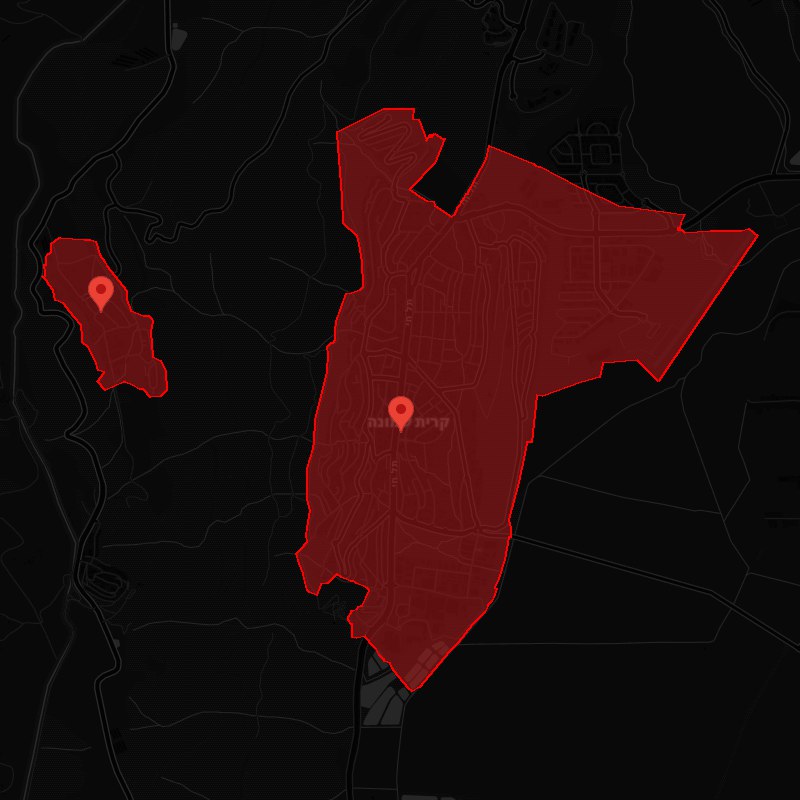
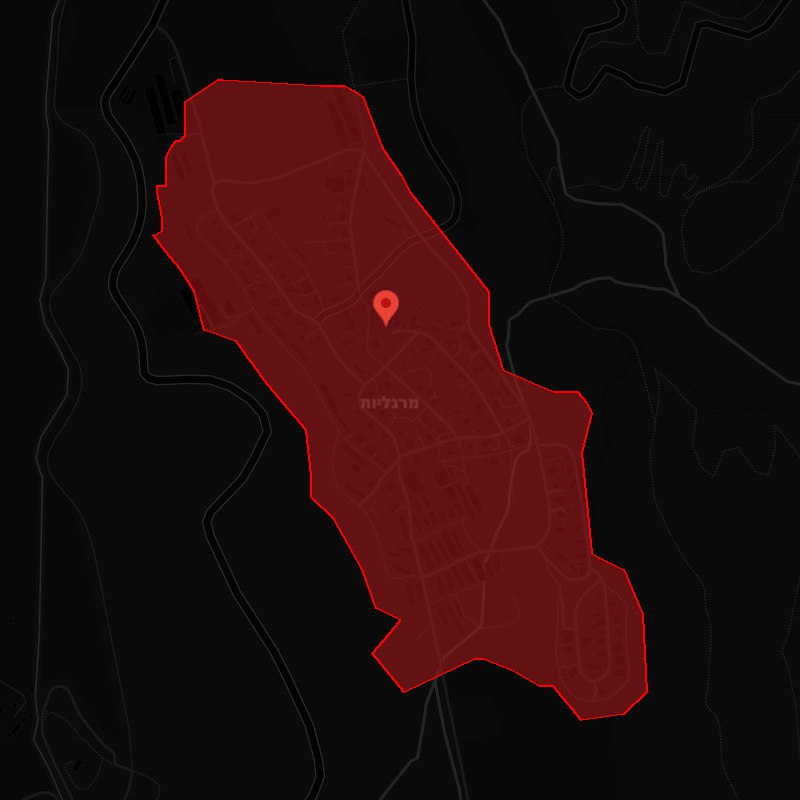
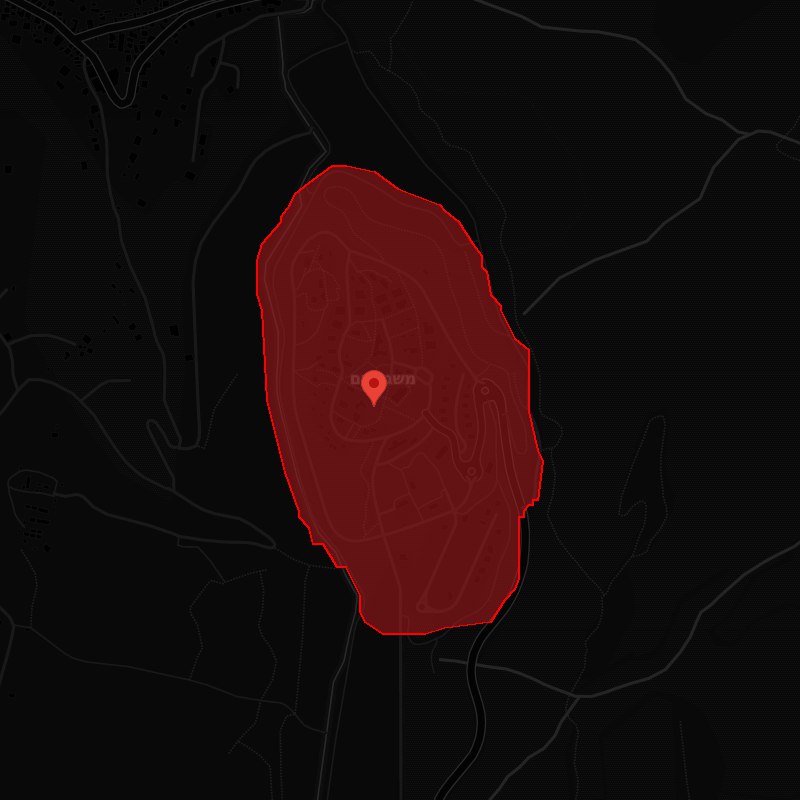
Multiple rocket‑alert systems, including RocketAlert.live, issued alerts across a wide geographic corridor—from Kiryat Shmona in the north to the Sharon coast in the south—between 19:40 UTC and 23:18 UTC, reflecting the breadth of the threat (RocketAlert, RocketAlert).
Strategic implications
The coordinated Iranian missile campaign, combined with Hezbollah’s rocket operations, underscores a multi‑front escalation aimed at stretching Israel’s air‑defence capacity. The targeting of the Ben‑Am logistics base suggests an intent to disrupt IDF supply chains, while strikes on civilian infrastructure in the Negev and central districts aim to generate psychological pressure.
Israel’s rapid activation of nationwide alerts and the extensive use of the Iron Dome and Arrow systems demonstrate a high level of operational readiness, yet the frequency of interceptions and occasional system failures (e.g., the Ashkelon incident) reveal the limits of current defensive postures under sustained attack.