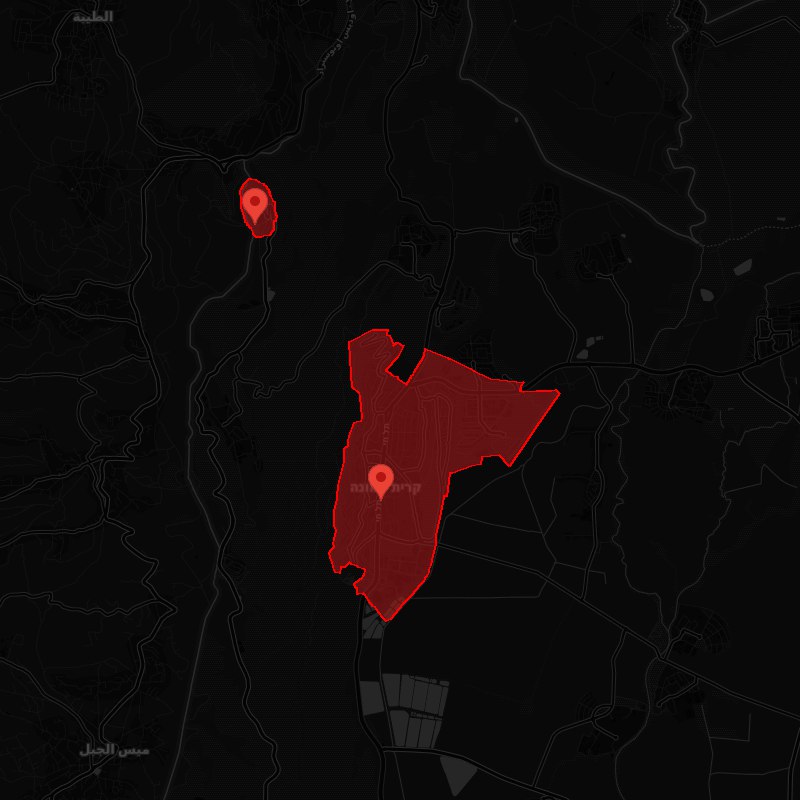
At 23:18:35 GMT on 20 March 2026, Israeli air defenses intercepted an Iranian ballistic missile targeting Israeli territory, according to the open‑source intelligence channel rnintel (source). The interception marks the latest in a series of high‑intensity kinetic events that unfolded across the region throughout the day, involving missile launches, rocket alerts, and several targeted assassinations.
Ballistic missile interceptions
The intercepted missile was identified as a ballistic projectile launched from Iran toward Israel. Earlier in the day, at 01:05:09 GMT, BellumActaNews reported additional missiles intercepted over Israel (source). At 17:26:54 GMT, GeoPWatch documented Israeli Air Force drones being shot down over Iran as part of Operation "Roar of the Lion," indicating a reciprocal escalation (source). These interceptions demonstrate the operational readiness of Israel’s multi‑layered missile defence architecture, including the Arrow, David’s Sling, and Iron Dome systems.
Iranian missile launches
Iran conducted multiple missile launches targeting Israel throughout the day. rnintel recorded an initial launch at 06:33:35 GMT (source), followed by a second wave at 15:02:56 GMT (source) and a third wave at 11:48:25 GMT (source). BellumActaNews released footage of the IRGC deploying Khorramshahr‑4 intermediate‑range ballistic missiles, some equipped with cluster munitions, against Israeli military sites (source). The use of cluster munitions raises the risk of civilian casualties and contravenes international humanitarian law.
Widespread rocket alerts across Israel
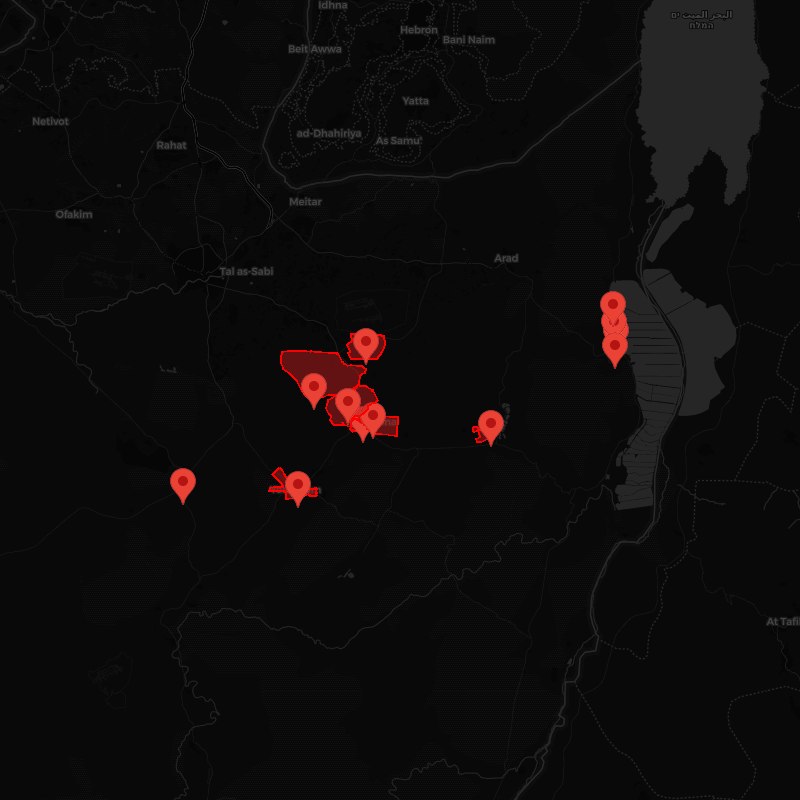
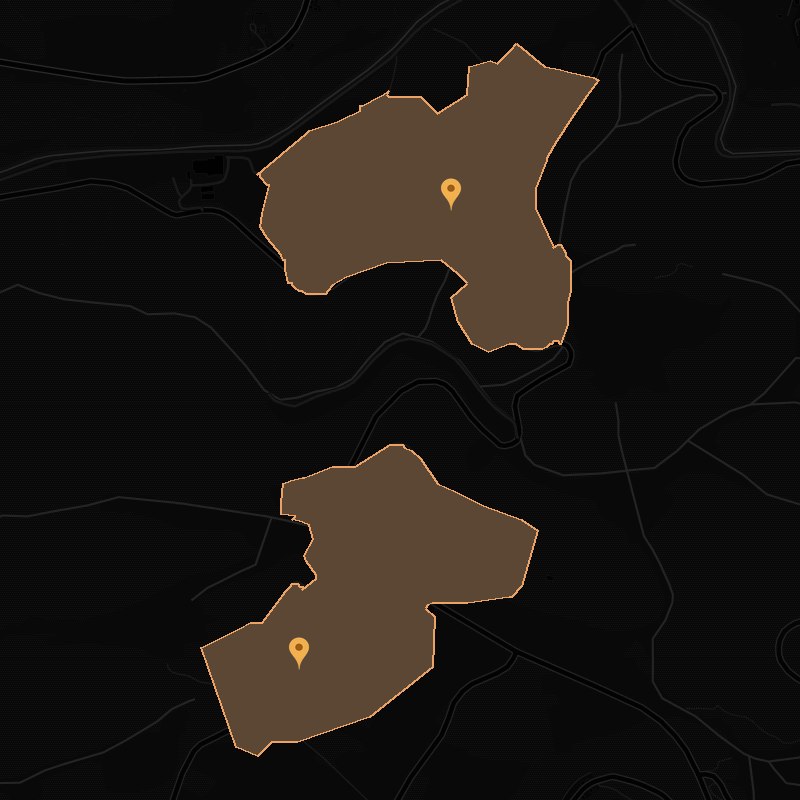
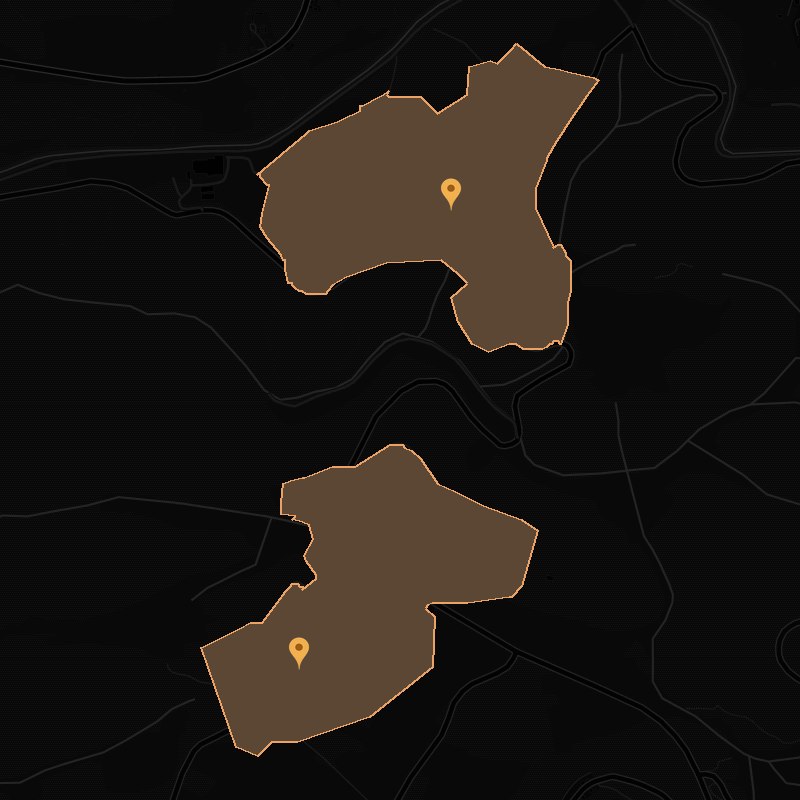
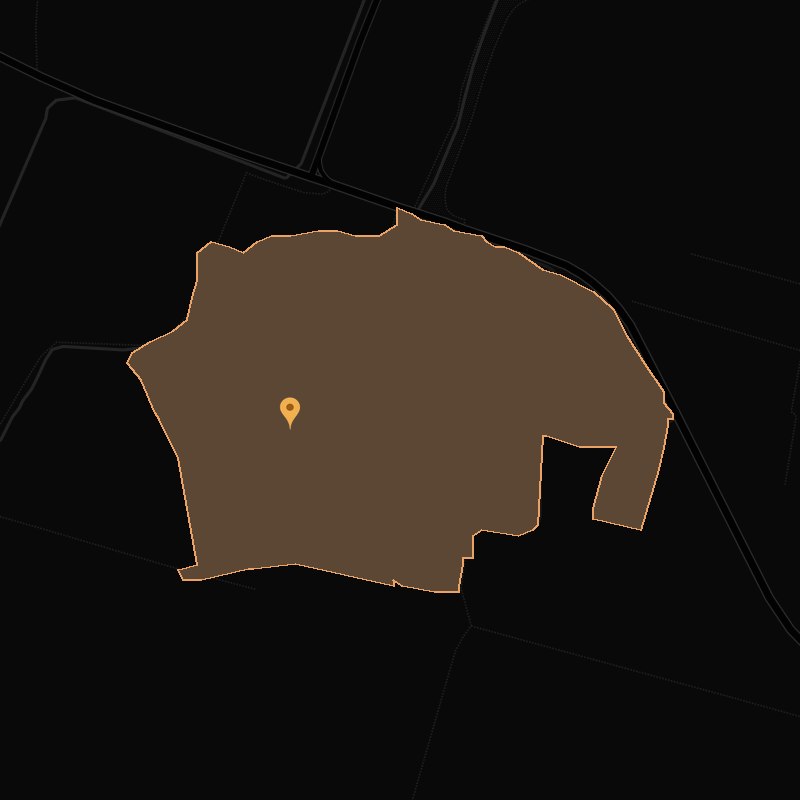
RocketAlert issued more than twenty separate alerts covering a broad geographic swath of Israel, from the Southern Negev and Dead Sea region to the Dan and Jerusalem districts. Notable alerts include:
- 23:14:01 GMT – Southern Negev industrial zones and Dead Sea hotels (source).
- 19:39:05 GMT – Samaria towns such as Immanuel, Kfar Tapuach, and Beit El (source).
- 19:38:49 GMT – Tel Aviv‑South, Jaffa, and surrounding suburbs (source).
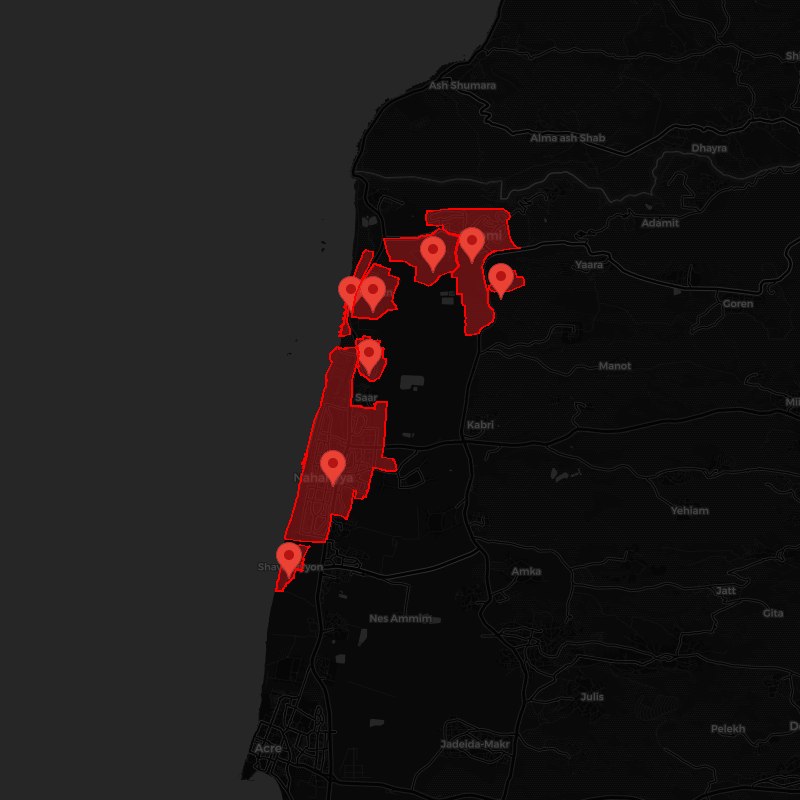
- 15:30:56 GMT – Confrontation Line locations including Metzuba and Nahariya (source).
- 14:08:49 GMT – Multiple neighborhoods in Jerusalem and Shfelat Yehuda (source).
These alerts collectively affected dozens of civilian population centers, prompting sirens, sheltering procedures, and temporary disruptions to transportation and commerce.
Targeted assassinations and airstrikes
The day also saw several high‑profile assassinations. Al Jazeera reported that the IRGC confirmed the death of its spokesman Ali Mohammad Naini in a joint US‑Israeli airstrike (source). BellumActaNews echoed the claim, describing the operation as a precision strike against a senior IRGC official (source). Earlier, at 09:03:16 GMT, rnintel reported the alleged Israeli airstrike that killed IRGC Public Relations Manager Ali Mohammad Nayini (source). In a separate incident, the IDF claimed responsibility for killing a Basij commander and the head of an intelligence unit within an Iranian militia, as documented by idkunim_il (source).
International military movements
Beyond the immediate kinetic exchanges, several NATO and allied forces adjusted their deployments. The Jerusalem Post noted NATO’s withdrawal of several hundred troops from its Iraq mission, citing the intensifying Iran‑Israel conflict (source). Poland and Spain also evacuated their contingents from Iraq, with Spain moving 99 soldiers via Turkey (source; source).
U.S. forces conducted kinetic operations abroad. Monitor_the_Situation reported a U.S. Southern Command strike on a terrorist‑operated vessel in the Caribbean Sea (source) and a B‑52H bomber launch of cruise missiles against Iranian targets (source). Additionally, a B‑1B bomber departed from an undisclosed base to strike Iranian terror sites (source).
Assessment
The concentration of missile interceptions, rocket alerts, and targeted killings on 20 March 2026 reflects a rapid escalation in kinetic hostilities between Iran and Israel, with both sides employing long‑range ballistic capabilities and dense short‑range rocket fire. The pattern of multiple Iranian missile waves, coupled with Israel’s layered defence response, suggests a deliberate attempt by Tehran to test Israel’s interception capacity while signaling strategic resolve. Conversely, Israel’s retaliatory strikes and the reported assassinations of IRGC personnel indicate a policy of targeted attrition aimed at degrading Iran’s command and control structures.
Continued monitoring of open‑source channels is essential to track the evolution of missile trajectories, the effectiveness of defence systems, and any further escalation that could draw regional actors into broader conflict.