On 20 March 2026 Iran experienced the most intense day of kinetic activity since the escalation of the US‑Iran conflict began earlier this year. The day opened with a confirmed ballistic missile launch from a damaged underground facility in Yazd Province, followed by a cascade of joint US‑Israeli airstrikes targeting missile production sites, naval bases, and urban centers, as well as a series of high‑profile assassinations and naval interdictions along the Persian Gulf.
Ballistic Missile Launch from Yazd
At 20:10 local time, Iran successfully fired ballistic missiles from an underground launch complex in Yazd Province despite ongoing US‑Israeli airstrikes that had been directed at the site for several days. The launch demonstrated the resilience of Iran’s missile infrastructure under direct attack. Weapons used: ballistic missiles. Actors: Iranian military forces. The event was reported by the monitoring channel monitor_the_situation and can be accessed at
https://t.me/monitor_the_situation/4696.
Coordinated Airstrikes Across Multiple Cities
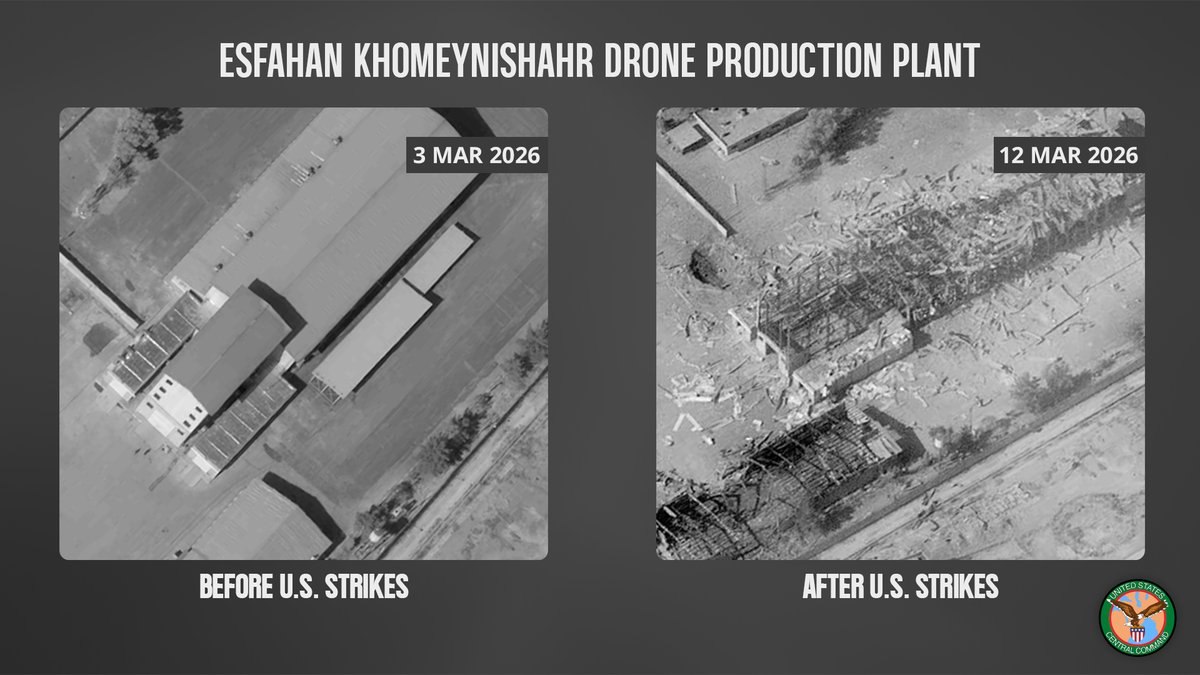
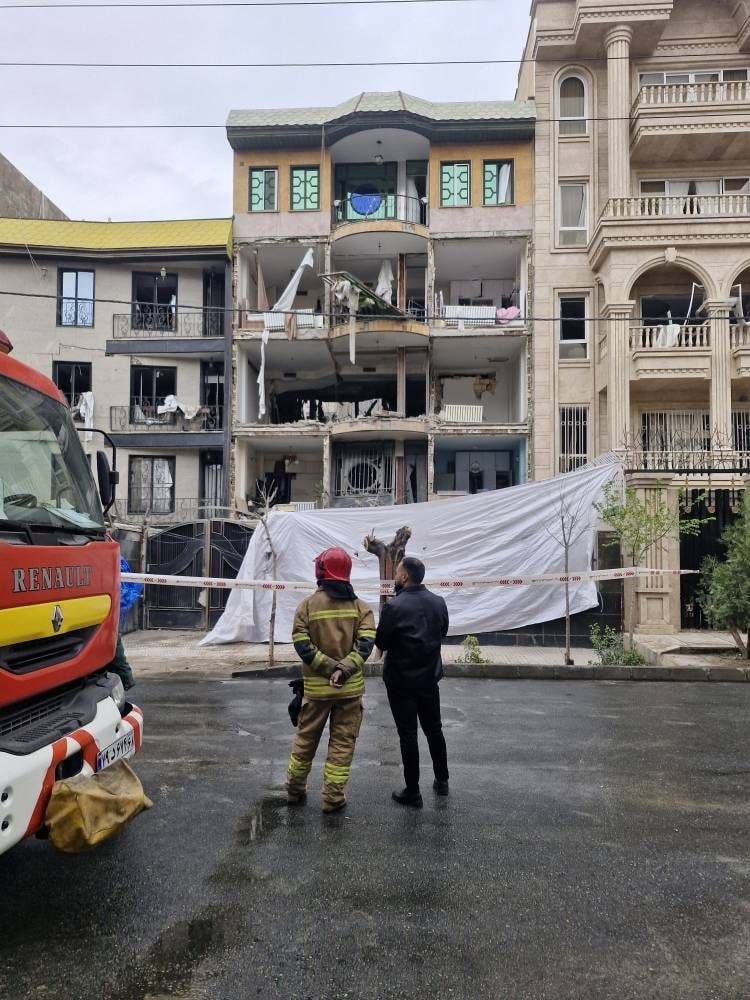
Between 01:00 and 20:10 UTC, a series of high‑intensity airstrikes were carried out by United States and Israeli forces against a wide array of strategic targets:
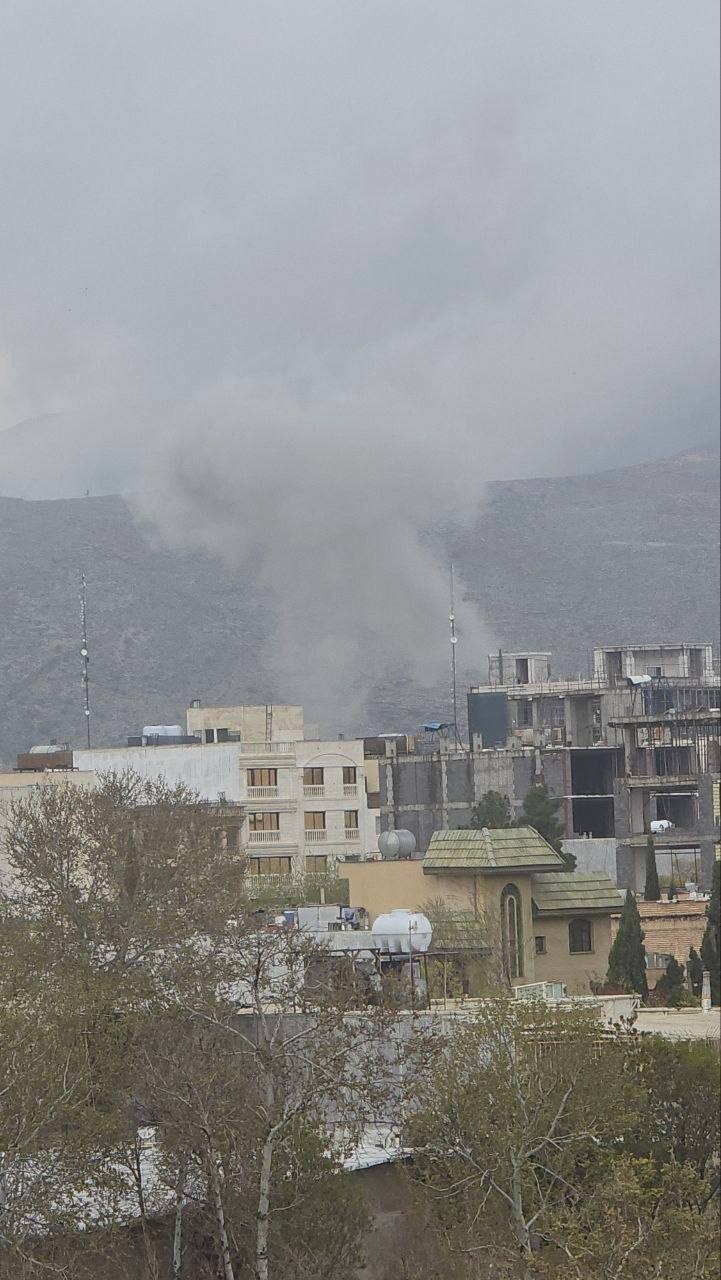
- Isfahan and Tehran: Massive explosions were reported in both cities, with residents describing ground shaking. No specific casualty figures were released, but the attacks were confirmed by BellumActaNews (
https://t.me/BellumActaNews/168870
). - Bandar Abbas: Naval and air bases in the southern port city were struck, damaging both airfield runways and naval facilities (
https://t.me/monitor_the_situation/4679
). - Hajiabad missile base, Khuzestan: US aircraft deployed GBU‑72 penetrating aerial bombs on tunnel entrances, aiming to cripple missile storage capacity (
https://t.me/intelslava/85163
). - Yazd missile site: Bunker‑busting bombs caused massive explosions, confirming the destruction of a key missile production complex (
https://t.me/BellumActaNews/168846
). - Karaj surface‑to‑surface missile plant: U.S. Central Command released imagery confirming total destruction of the facility (
https://t.me/monitor_the_situation/4662
). - Kharg Island: Joint US‑Israeli strikes targeted the island’s oil export infrastructure, raising concerns about regional energy security (
https://www.jpost.com/middle-east/iran-news/article-890655
). - Strait of Hormuz operations: US A‑10 Thunderbolt II jets and Apache helicopters were deployed to conduct missions aimed at reopening the strategic waterway (
https://www.jpost.com/middle-east/iran-news/article-890654
). - Shiraz, Shahmirzad, and multiple locations in Tehran: Additional strikes were reported throughout the day, including the use of bunker‑busting munitions and conventional bombs, with no publicly released casualty numbers.
Naval and Maritime Interdictions
The southern Persian Gulf saw significant naval activity. At 14:31, US and Israeli forces struck the port of Bandar Lengeh, sinking 16 Iranian commercial vessels, according to the Iranian news agency Tasnim (
https://t.me/BellumActaNews/168845). Overnight strikes later damaged port infrastructure further (
https://t.me/monitor_the_situation/4648). Satellite imagery later confirmed extensive damage to the Bandar Abbas naval base following coalition strikes (
https://t.me/intelslava/85136).
Targeted Assassinations and High‑Profile Killings
The day also featured several assassinations of senior Iranian security officials:
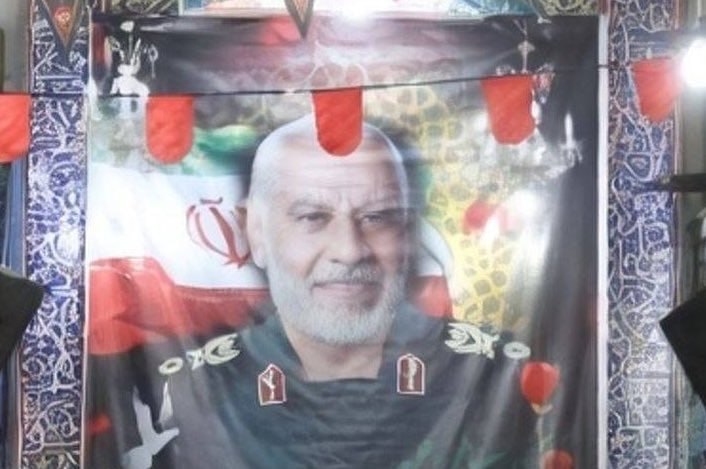
- Mehdi Qarishi: IRGC announced the death of the Isfahan Air and Space Force commander in Tehran (
https://t.me/rnintel/56925
). - Esmail Ahmadi‑Moghaddam: Basij intelligence chief was killed in Tehran, reported by monitor_the_situation (
https://t.me/monitor_the_situation/4649
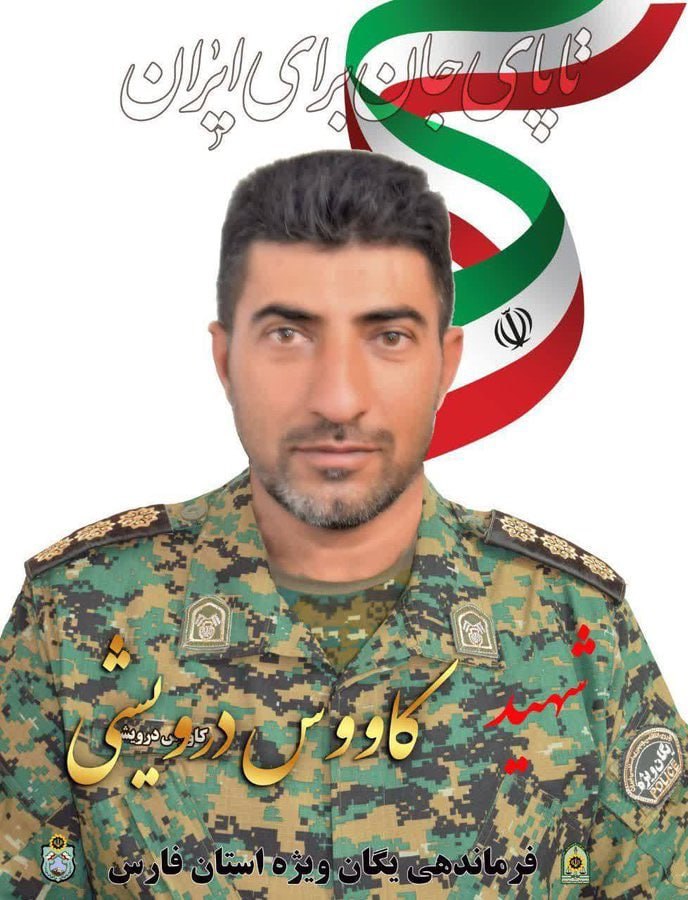
). - Brigadier General Kavous Darvishi: Israeli Air Force eliminated the commander of Iran’s special police units in Fars Province (
https://t.me/BellumActaNews/168837
). - Mehdi Gharishi: Iranian media reported the death of an IRGC Aerospace Force commander in Isfahan (
https://t.me/BellumActaNews/168836
).
US Military Deployments and Expanded Air Operations
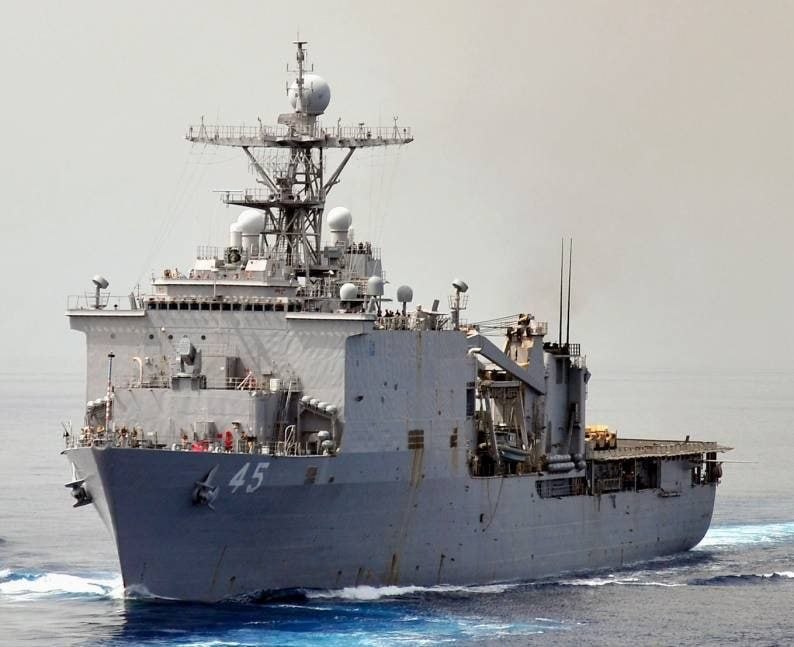
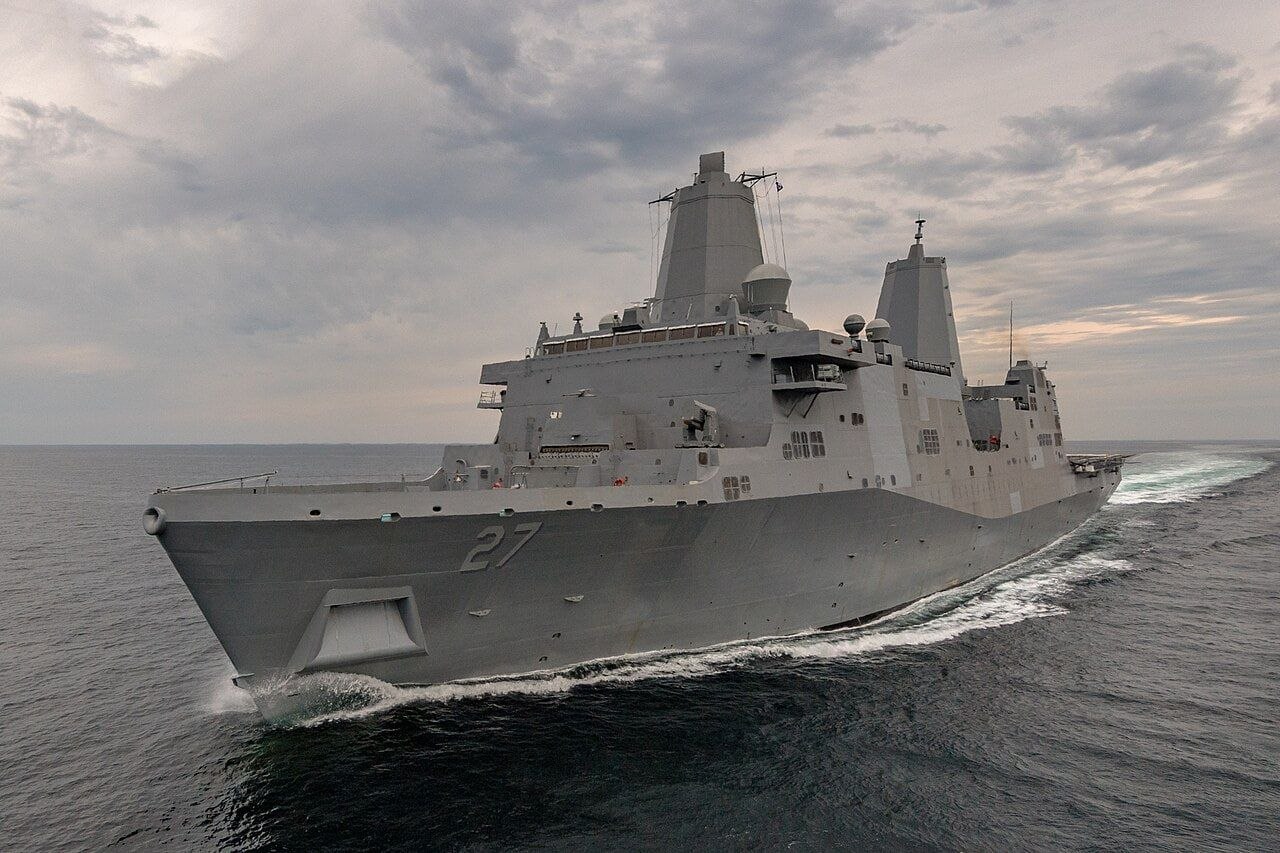
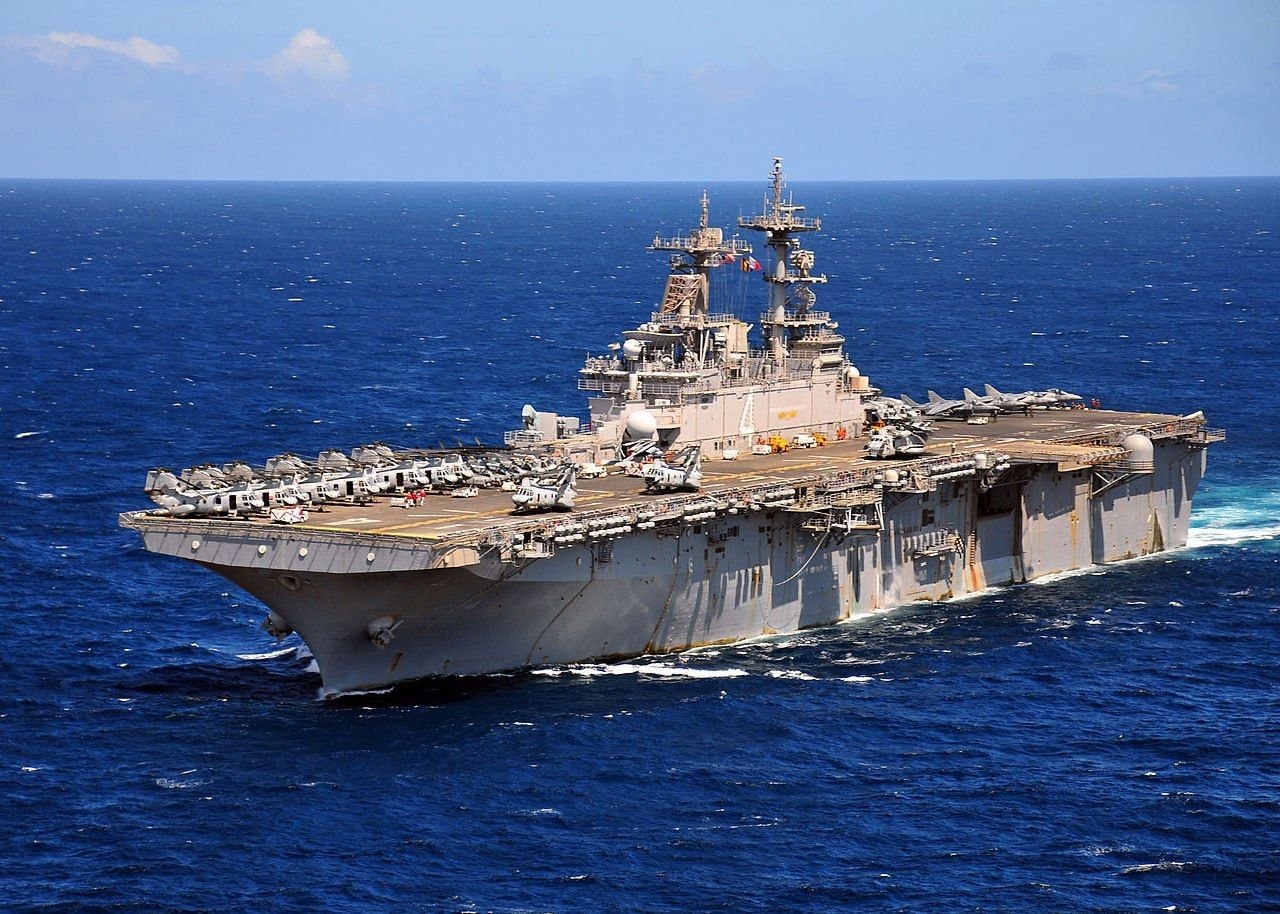
Beyond kinetic strikes, the United States expanded its regional presence. An additional Marine Expeditionary Unit, including the amphibious assault ship USS Boxer and supporting vessels, was dispatched to the Middle East, raising the total US Marine presence to roughly 5,000 personnel (
https://t.me/intelslava/85148). Concurrently, US Naval Aviation conducted multiple strikes on coastal missile depots, mine stockpiles, and boat facilities, as reported by the Wall Street Journal and relayed by monitor_the_situation (
https://t.me/monitor_the_situation/4673).
Overall Impact and Strategic Implications
The coordinated kinetic campaign on 20 March represents a significant escalation in the US‑Iran conflict, targeting Iran’s missile production capacity, naval logistics, and senior command structures. While casualty figures remain largely undisclosed, the breadth of targets—ranging from underground missile tunnels to commercial shipping—suggests an intent to degrade Iran’s offensive capabilities and to pressure Tehran into diplomatic concessions regarding the Strait of Hormuz. The simultaneous deployment of ground forces and air assets underscores a multi‑domain approach by the United States and its Israeli partner.
Continued monitoring will be required to assess the durability of Iran’s missile infrastructure, the resilience of its naval logistics, and the potential for further retaliatory actions.