On 19 March 2026, the death toll in Lebanon rose above 1,000, including at least 40 medical workers, as Israeli air and artillery strikes continued unabated. The surge in casualties underscores a broader pattern of kinetic engagements that spanned Gaza, Crimea, the Persian Gulf, and multiple locations across Israel and its neighbours.
Lebanon: Humanitarian Crisis Deepens
Al Jazeera reported that Israeli bombardment of Lebanon killed more than 1,000 people, with medical personnel comprising a significant share of the victims. The report cited rights groups urging Israel to halt attacks on health facilities. Casualties: over 1,000 dead, 40 medical workers. Location: throughout Lebanon, with particular intensity in the south near the Israeli border. Source: Al Jazeera (link).
Death toll surpasses 1,000 in Lebanon as Israeli bombardment continues
Gaza City: Limited Medical Evacuations Amid Ongoing Strikes
In Gaza City, three Palestinians were killed during Israeli attacks that coincided with the reopening of the Rafah border for limited medical evacuations. The incident highlights the persistent danger to civilians even as humanitarian corridors are partially restored. Casualties: 3 dead. Location: Gaza City, Gaza Strip. Source: Al Jazeera (link).
Crimea: Ukrainian Drone Strike on Russian Air‑Defense Factory
Ukrainian forces reportedly used a drone to strike a Russian air‑defence manufacturing facility in Simferopol, Crimea. Ukrainian commanders claimed heavy Russian casualties, describing the loss of “hundreds of soldiers.” While independent verification is pending, the claim signals an escalation of Ukrainian offensive capabilities within occupied territories. Weapon: drone. Organizations: Ukrainian Armed Forces, Russian defence industry. Location: Simferopol, Crimea. Source: monitor_the_situation (link).
Ukrainian Strike Hits Russian Air Defense Factory in Simferopol Crimea
Energy Infrastructure: Iranian Missile and Drone Campaign
Iran launched a series of missile and drone attacks targeting energy facilities across the Persian Gulf region. Notable incidents include:
- Strikes on energy installations in the Persian Gulf, prompting a public demand from President Trump for a halt to attacks on energy infrastructure. (source)
- A missile hit a key gas field in the United Arab Emirates, raising concerns of a regional energy shock. (source)
- Multiple missile strikes on Qatar’s Ras Laffan LNG complex and the Pearl GTL plant, causing extensive fires and threatening global gas supplies. (NASA FIRMS image, source)
- Missile attacks on Saudi Arabia’s Yanbu oil refinery and the Mina Al‑Ahmadi refinery in Kuwait, both resulting in fires and confirmed by satellite imagery. (source, source)
These coordinated strikes demonstrate Iran’s capacity to project kinetic force against critical energy nodes, potentially reshaping global energy markets.
Israel: Rocket Alerts, IEDs, and Interceptions
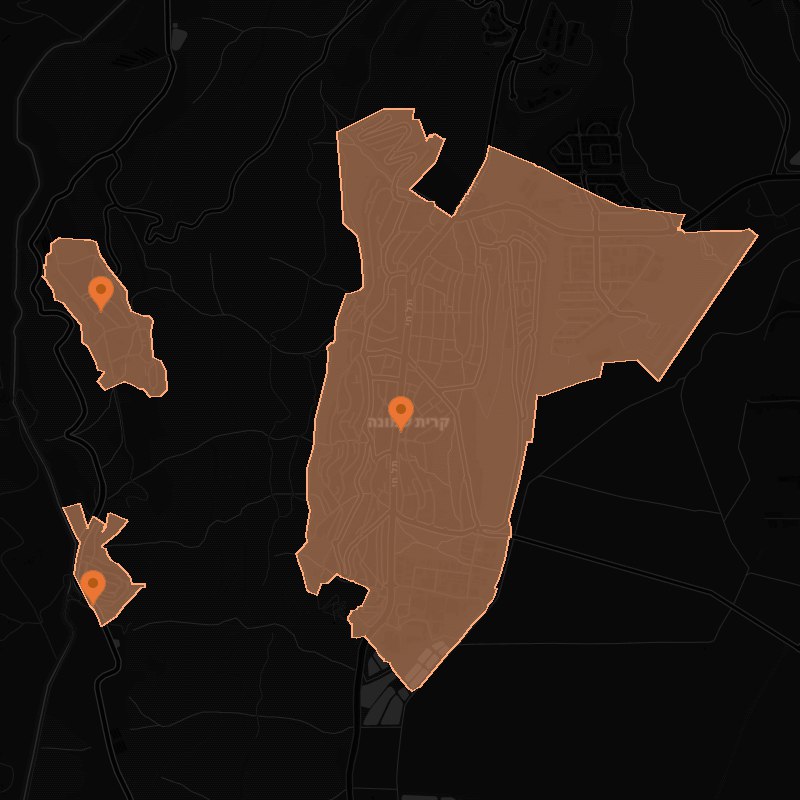
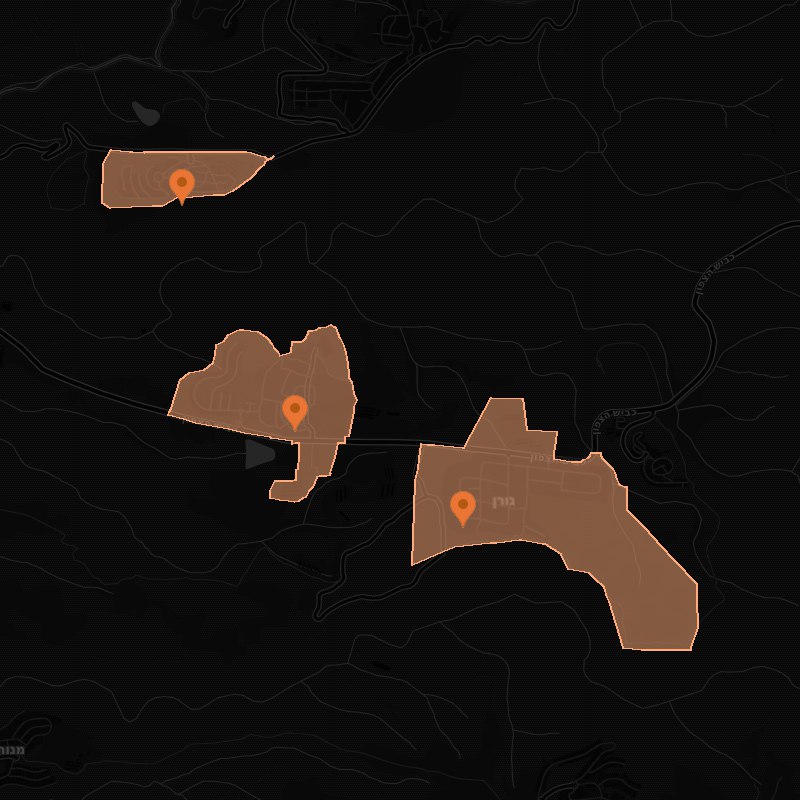
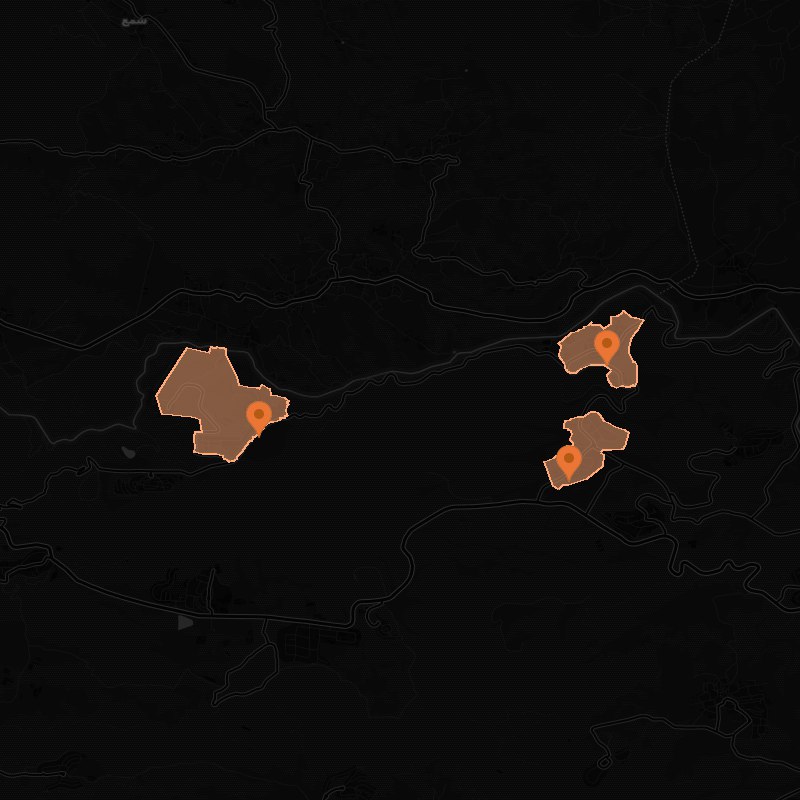
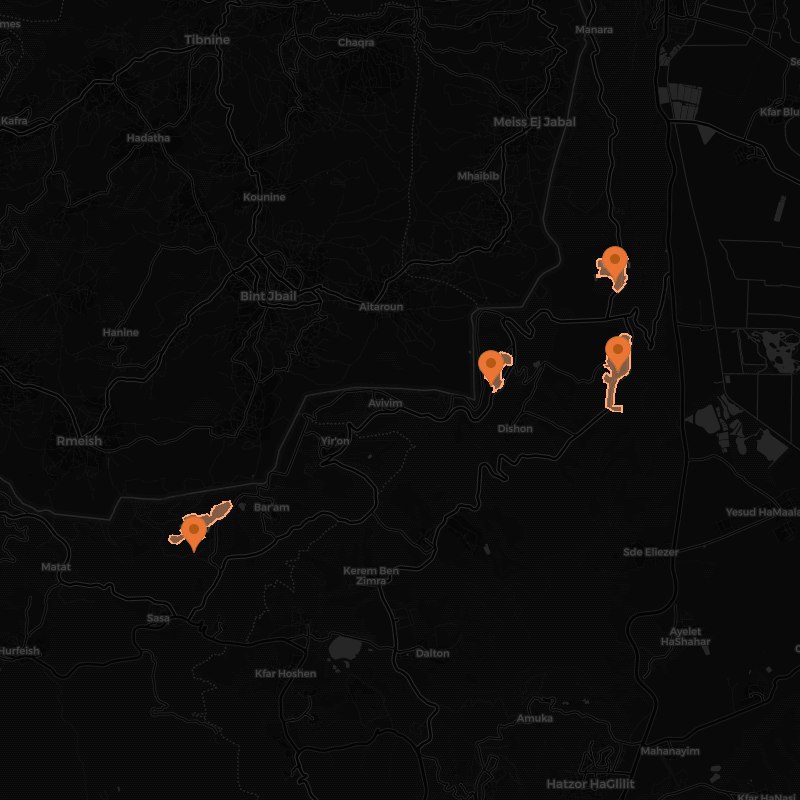
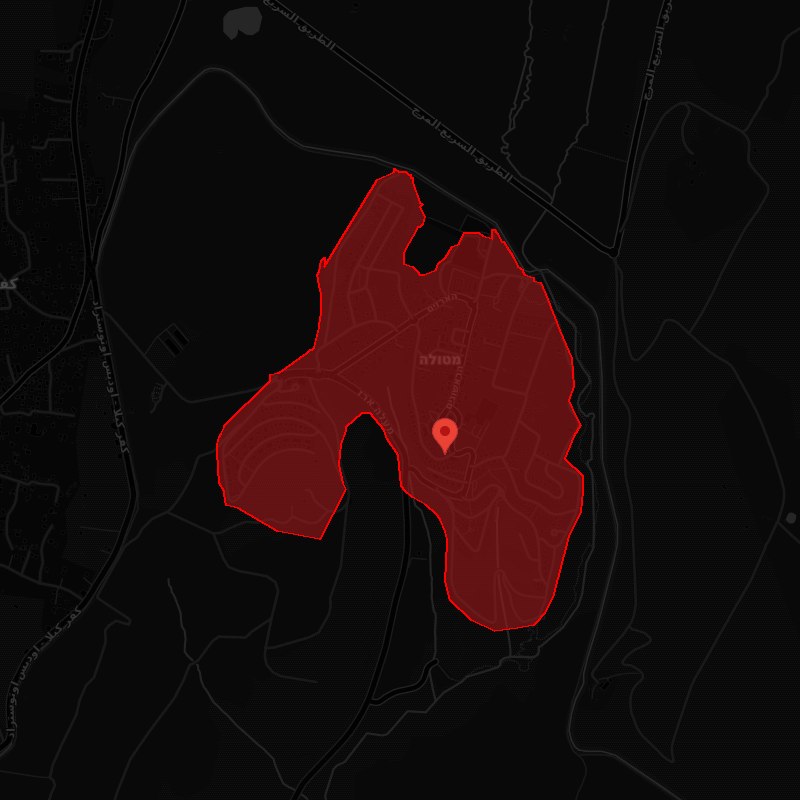
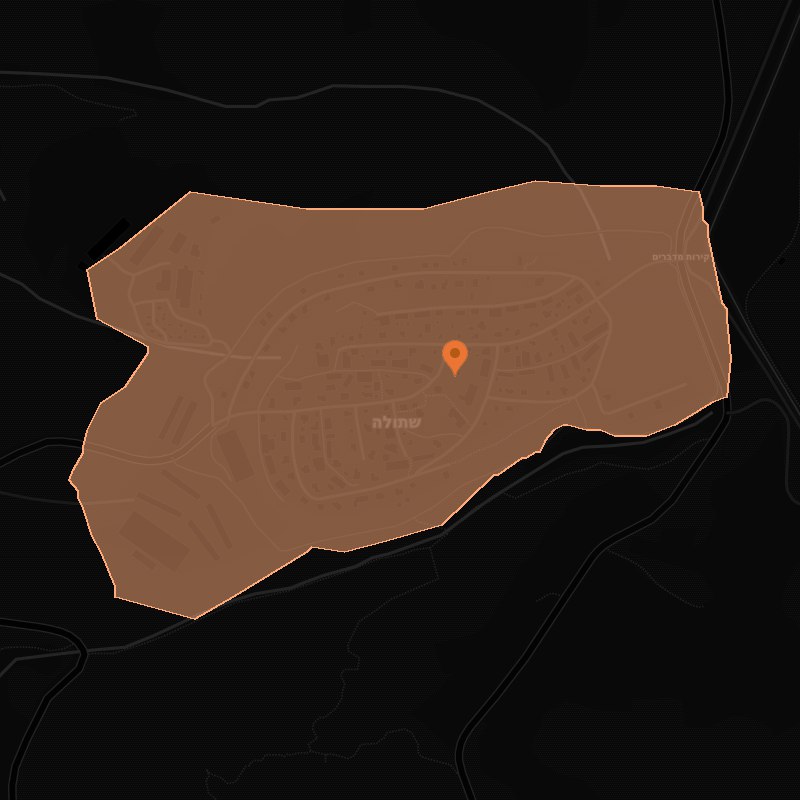
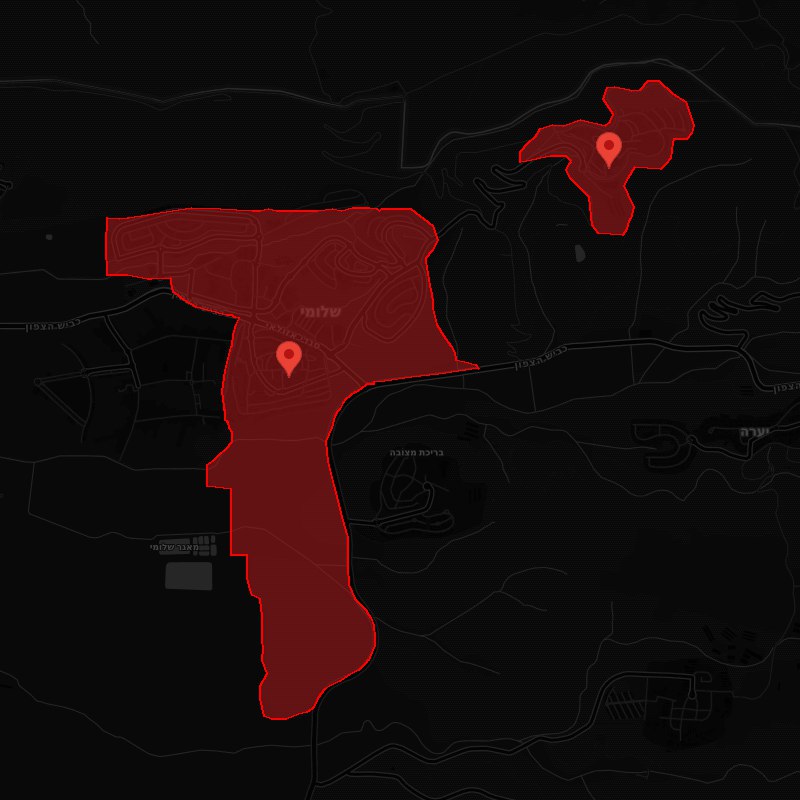
Israel experienced a high volume of rocket alerts across its northern districts, with over twenty separate notifications from RocketAlert throughout the day. Notable incidents include:
- Hezbollah‑detonated IEDs targeting an Israeli D9 Caterpillar bulldozer in Taybeh and infantry units in AlZaqqa, resulting in direct casualties. (source)
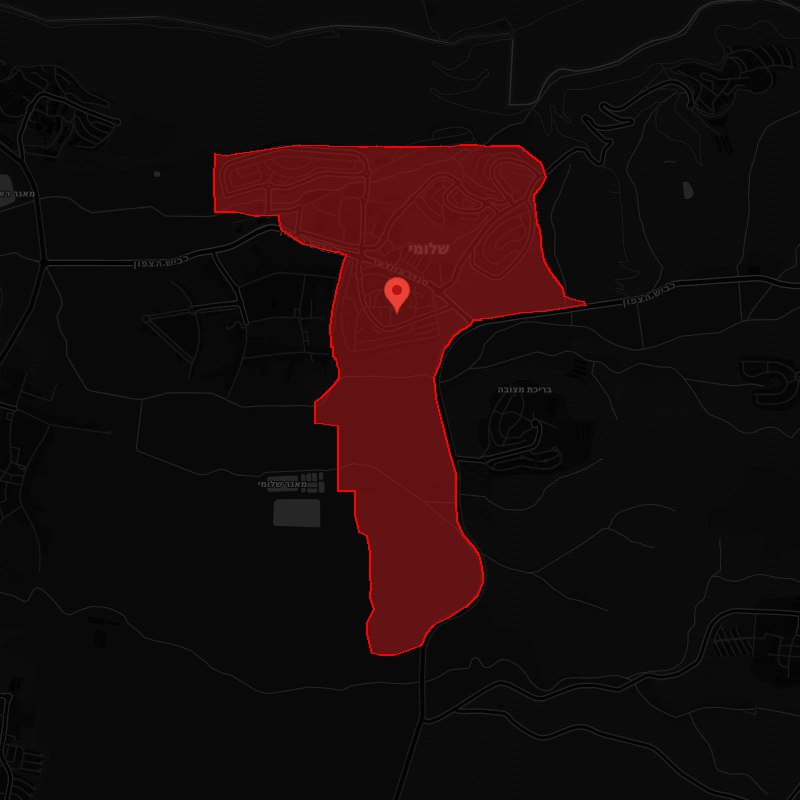
- Multiple rocket alerts in the Upper Galilee, Shlomi, and the Shfela, though most did not result in confirmed impacts. (source)
- An Iranian ballistic missile intercepted over Quneitra, Syria, with debris recovered by local villagers. (source)
- Iranian missile debris fell over Baghdad after interception, producing shrapnel but no immediate casualties. (source)
These events illustrate the persistent threat of both conventional rockets and advanced ballistic missiles to Israeli civilian and military assets.
U.S. and Allied Air Operations
The United States intensified its air campaign against Iranian targets. Key actions included:
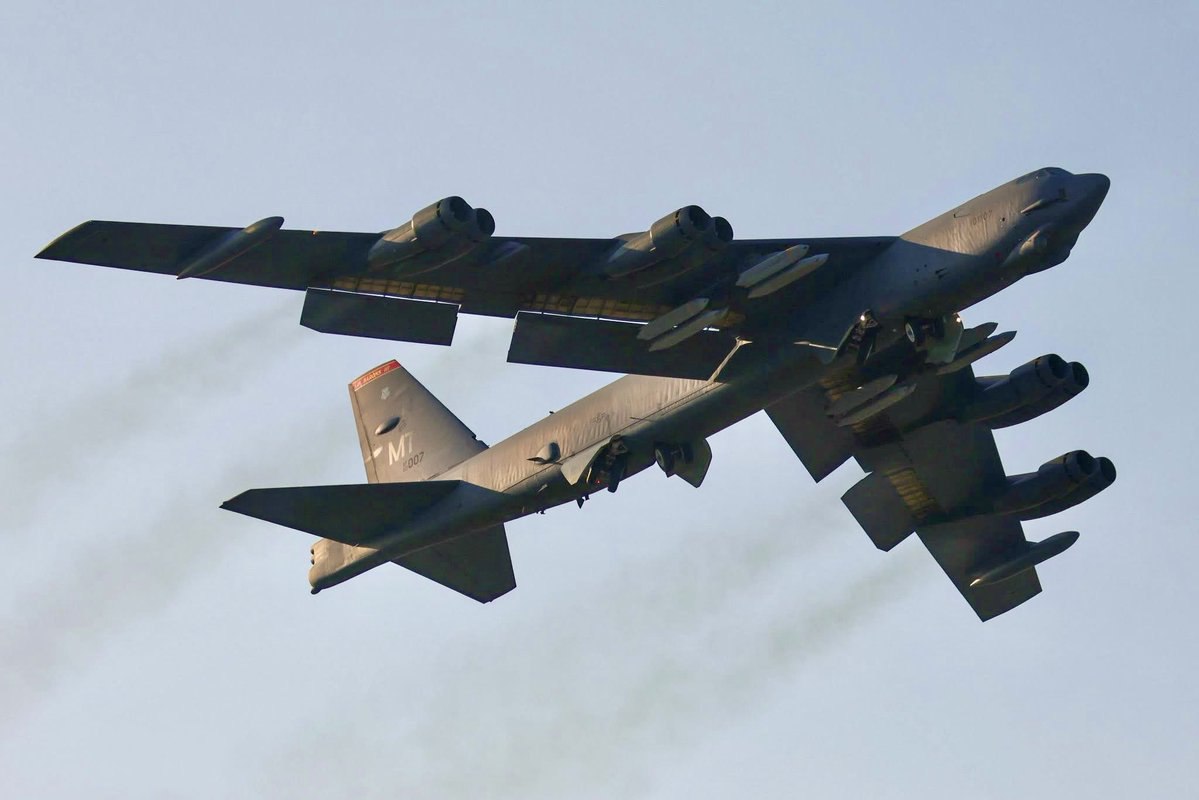
- A B‑52H bomber departing England with JASSM cruise missiles for a planned strike on Iran. (source)
- Two USAF B‑1B Lancer bombers transiting the Persian Gulf, signaling readiness for further strikes. (source)
- US Air Force strikes on Iran’s Cobra V‑8 electronic‑warfare complex, a camouflaged ballistic missile launcher, and a Shahed‑136 drone. (source)
These operations reflect a coordinated multinational response to Iran’s missile and drone activities, while also supporting Israeli actions in the region.
Analysis and Outlook
The kinetic events of 19 March reveal a multi‑theater escalation driven by overlapping conflicts. The Lebanese death toll surpassing 1,000 marks the most severe humanitarian impact of the current cycle, while simultaneous strikes on energy infrastructure threaten global markets. Ukrainian drone capabilities in Crimea demonstrate the expanding reach of conventional forces into occupied territories. Iran’s missile and drone campaign, coupled with Israeli and U.S. counter‑measures, creates a volatile environment where rapid warning times—now under four minutes for Iranian ballistic missiles—reduce reaction windows for civilian defense systems.
Continued monitoring of rocket alerts, missile interceptions, and energy‑facility attacks will be essential for assessing escalation risk and potential spill‑over into neighboring states.